

Main Facts: A Power Struggle Reaches a Crescendo
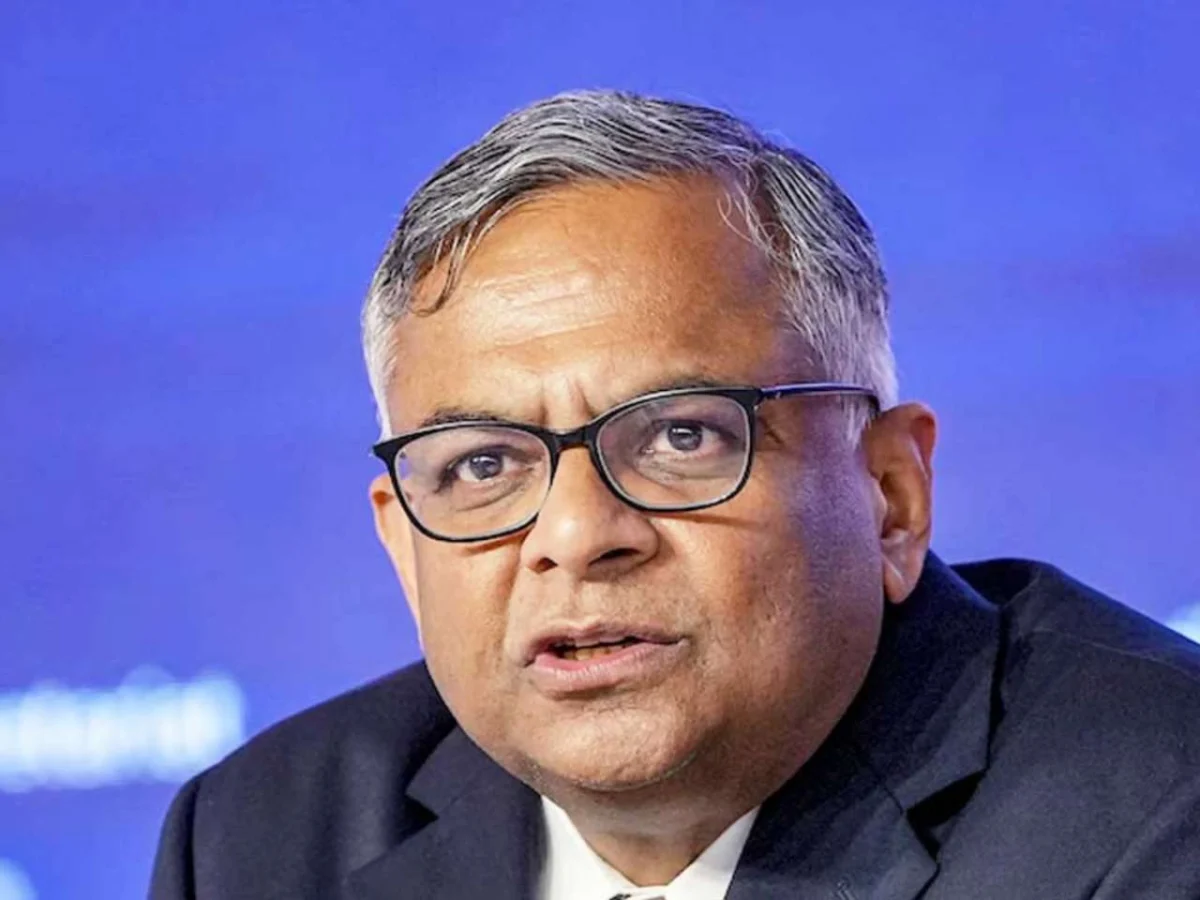
MUMBAI, India – A profound power struggle is brewing within the venerable Tata Group, India’s most iconic and diversified conglomerate, signaling a significant moment of transition and potential turmoil. At the heart of this unfolding drama are two pivotal decisions that have sent strong ripples across India Inc.: the five-year extension granted to N Chandrasekaran as Chairman of the Tata Group’s holding company, Tata Sons, and the board’s resolution to comply with a Reserve Bank of India (RBI) directive for Tata Sons to go public. What makes these developments particularly striking is the solitary dissenting vote cast by Noel Tata, Chairman of Tata Trusts and step-brother to the legendary Ratan Tata, against Chandrasekaran’s extension. This act of overt opposition highlights a deepening schism within the group’s highest echelons, raising questions about leadership, governance, and the future trajectory of the multi-billion-dollar empire.
The approval of Chandrasekaran’s tenure, despite his reported initial reluctance to seek an extension, underscores a clear division between the broader Tata Sons board and Noel Tata’s camp. His vote, a stark public display of disagreement, effectively isolates him, at least for the moment, in a battle that appears to pit the interests of the Trusts against the strategic direction favored by the majority of the board. Simultaneously, the impending initial public offering (IPO) of Tata Sons, a decision mandated by regulatory pressures and long-desired by minority shareholders, promises to be another contentious battleground, further escalating the internal conflict. These developments collectively signify a critical juncture for the Tata Group, renowned globally for its ethical standards and corporate governance, as it navigates complex leadership dynamics and the demands of modern corporate finance.
Chronology: The Unfolding Drama
The current state of affairs is the culmination of a series of events and simmering tensions that have gradually intensified over recent months, hinting at the profound shifts underway within the Tata Group.
Early 2026: Seeds of Discontent and Search for Successors
The initial signs of a potential leadership transition began to surface as N Chandrasekaran’s existing tenure as Chairman of Tata Sons approached its conclusion on February 20, 2027. Despite his significant contributions in streamlining operations, driving digital transformation, and navigating the group through various challenges, whispers began circulating that Chandrasekaran might not seek an extension. This perceived reluctance, whether genuine or a strategic maneuver, opened the door for discussions about potential successors.
)
It was during this period that Noel Tata, a powerful figure by virtue of his chairmanship of the philanthropic Tata Trusts – which collectively hold a controlling 66% stake in Tata Sons – reportedly began to assert his influence. Sources close to the developments indicate that Noel Tata had been actively exploring alternatives for Chandrasekaran’s replacement. Among the names reportedly favored by the Trusts, and Noel Tata in particular, was TV Ravindran, the highly regarded CEO of Tata Steel. This move signaled Noel Tata’s intent to tighten his grip on the group’s leadership and steer it in a direction he deemed more aligned with the Trusts’ long-term vision.
August 18, 2026: Postponed AGM and Regulatory Hurdles
A crucial indicator of internal friction emerged with the postponement of the Tata Sons Annual General Meeting (AGM), originally scheduled for August 18, 2026. The official reason cited was a "lack of quorum" due to regulatory restrictions imposed on the Sir Ratan Tata Trust (SRTT). The SRTT, a significant constituent of the Tata Trusts with a 23.56% stake in Tata Sons, faced hurdles in completing the process required to nominate its representative for the meeting. The need for a jointly nominated authorized representative from both the Sir Dorabji Tata Trust and SRTT underscored the intricate governance structure and the potential for regulatory issues to disrupt key corporate events. While seemingly procedural, this postponement hinted at underlying complexities and potential disagreements that prevented the smooth conduct of the group’s highest decision-making forum.

September 17, 2026: The Pivotal Board Meeting
The turning point arrived on September 17, 2026, during a critical meeting of the Tata Sons board. This meeting was tasked with addressing two major items: the future leadership of the group and a significant regulatory compliance issue.
-
Chandrasekaran’s Extension: Despite the ongoing discussions about succession and Chandrasekaran’s own reported announcement a month prior that he would not seek another term, the Tata Sons board voted to approve a five-year extension for him as Chairman. This decision, a strong vote of confidence from the majority of the board, was notable not only for its outcome but for the lone dissenting voice. Noel Tata, Chairman of Tata Trusts, cast the only vote against the resolution, making his opposition unequivocally clear. This act immediately brought the simmering power struggle into the public domain, highlighting a direct clash between the powerful Trusts and the board’s chosen leadership.
)
-
RBI’s IPO Directive: Simultaneously, the board addressed a long-standing directive from the Reserve Bank of India (RBI). The RBI had rejected Tata Sons’ application to surrender its registration and remain an unregistered Core Investment Company (CIC). Instead, it mandated that Tata Sons take necessary steps to comply with applicable regulatory requirements, which effectively meant going public. After deliberation, the board agreed to comply with the RBI’s instruction, initiating the process required for the listing of Tata Sons. This decision, while a regulatory mandate, has profound implications for the group’s ownership structure and financial future, and has historically been a point of contention among different shareholder groups.
Post-September 17, 2026: Aftermath and Anticipation
In the immediate aftermath of the board meeting, the implications of these decisions began to unfold. Noel Tata’s camp swiftly labeled the extension of Chandrasekaran’s tenure as "illegal," indicating an intention to challenge the decision. This signals a likely escalation of the conflict, potentially through legal avenues or, more immediately, at the upcoming Annual General Meeting (AGM) where these decisions must be ratified. The stage is now set for a decisive confrontation, with all eyes on the next AGM, where the balance of power within Tata Sons and the broader Tata Group will be put to a definitive test.
)
Supporting Data: The Undercurrents of Discontent
The current turmoil within the Tata Group is not merely a spontaneous event but stems from deep-seated issues concerning corporate strategy, financial performance, and governance principles. Several critical pieces of supporting data shed light on the motivations behind Noel Tata’s dissent and the broader complexities facing the conglomerate.
The Unique Governance Structure and the Trusts’ Influence
At the heart of the Tata Group’s governance lies a unique and often complex structure. Tata Sons, the primary holding company, is majority-owned by philanthropic trusts. The Tata Trusts collectively hold approximately 66% of Tata Sons’ equity, making them the ultimate beneficiaries and exerting considerable influence over the holding company’s composition and strategic direction. Noel Tata, as Chairman of Tata Trusts, thus wields significant power, representing the interests and legacy of the group’s founders. This structure, while providing stability and a long-term, ethical vision, also creates a potential tension point between philanthropic objectives and the imperative for robust corporate performance and shareholder returns.
)
Noel Tata’s Performance Concerns: Losses in Unlisted Businesses
A significant driver of Noel Tata’s dissatisfaction with Chandrasekaran’s leadership has been the financial performance of several key unlisted Tata companies directly under the Chairman’s purview. According to internal assessments and Noel Tata’s public criticisms, eight major unlisted Tata companies collectively incurred substantial losses amounting to approximately Rs 33,538 crore (around $4.5 billion USD) in the financial year 2025-26. This figure represents a significant drain on group resources and raises serious questions about capital allocation and strategic efficacy.
Two companies, in particular, stood out in Noel Tata’s critique:
)
- Air India: The airline, acquired by Tata Sons in a landmark deal, suffered a staggering loss of Rs 22,238 crore (approximately $3 billion USD). While the acquisition of a loss-making national carrier was always understood to be a long-term turnaround project, the magnitude of the losses in a single financial year has evidently become a point of contention. Noel Tata’s concerns likely stem from the substantial investment required for modernization, fleet expansion, and operational overhaul, questioning the pace and effectiveness of the turnaround strategy under Chandrasekaran.
- Tata Digital: The group’s ambitious foray into the digital ecosystem, designed to create a super-app and compete with global tech giants, registered a loss of Rs 4,974 crore (approximately $670 million USD). High burn rates are typical in nascent digital ventures, but such significant losses, especially when combined with other underperforming assets, fuel concerns about the viability and capital intensity of new strategic initiatives.
Beyond specific losses, Noel Tata has also voiced concerns regarding overall capital allocation strategies and the future structure of Tata Sons itself, suggesting a fundamental disagreement on the direction and management style under Chandrasekaran. His desire to "tighten his grip over the group" is interpreted as an attempt to reassert the Trusts’ traditional oversight and ensure that corporate decisions align more closely with their long-term, legacy-driven objectives.
The Divisive Tata Sons IPO Mandate
The directive from the Reserve Bank of India (RBI) for Tata Sons to go public is another critical element fueling internal division. The RBI had classified Tata Sons as an Upper Layer Core Investment Company (CIC-UL) and subsequently rejected its application to remain unregistered, instead requiring it to comply with regulatory requirements, which includes mandatory listing within a specified timeframe. The rationale behind the RBI’s move is to enhance transparency and systemic stability for large, systemically important non-banking financial companies (NBFCs) like Tata Sons.
)
This mandate has created a clear split within the group and its stakeholders:
- Against Listing: Noel Tata and some former Tata Sons directors have expressed reservations about taking the holding company public. Their opposition likely stems from concerns about increased regulatory scrutiny, potential loss of strategic flexibility, and the prospect of greater pressure from public shareholders for short-term gains, which could conflict with the long-term, philanthropic vision embedded in the Trusts’ mandate.
- For Listing: On the other side are other influential trustees like Srinivasan and Vijay Singh, who have reportedly supported the idea. However, the most vocal and persistent advocate for the listing has been the Shapoorji Pallonji (SP) Group, which holds a significant 18.37% stake in Tata Sons. The SP Group, embroiled in a long-standing legal battle with the Tata Group, views an IPO as a crucial mechanism to unlock the immense value of their minority stake, providing them with a much-needed exit route and fair valuation. A public listing would offer price discovery and liquidity that is currently unavailable in the privately held entity.
The prospect of a Tata Sons IPO, which could potentially be India’s largest-ever listing, involves valuing a conglomerate with interests ranging from salt to software, potentially unlocking billions of dollars in shareholder wealth but also exposing the group to unprecedented public scrutiny and market volatility. The decision to comply with the RBI directive, while seemingly unavoidable, has thus set the stage for another potentially contentious battle at the shareholders’ meeting, where the divergent interests of the various stakeholders will clash.
)
Chandrasekaran’s Tenure: A Mixed Bag?
While Noel Tata’s criticisms highlight certain underperforming areas, N Chandrasekaran’s tenure as Chairman has also seen significant achievements. He has been credited with streamlining the conglomerate, pushing a strong digital agenda across various group companies, and orchestrating crucial acquisitions and divestments. His supporters point to the overall growth in market capitalization, strategic consolidation efforts, and the initiation of ambitious projects in new-age sectors. The board’s decision to extend his tenure despite internal dissent underscores a belief in his continued ability to steer the group, suggesting that the majority views his leadership as vital for stability and future growth, perhaps even outweighing the concerns raised by the Trusts regarding specific financial setbacks.
Official Responses and Positions Taken
In the high-stakes corporate drama unfolding at the Tata Group, official statements are scarce, but the actions and leaked information paint a clear picture of the positions adopted by the key players.
)
The Tata Sons Board: A Stance of Continuity and Compliance
The Tata Sons board, representing the collective will of its members (excluding Noel Tata on the specific resolution), has taken a decisive stance characterized by a commitment to continuity in leadership and adherence to regulatory directives.
- Chandrasekaran’s Extension: The board’s approval of a five-year extension for N Chandrasekaran as Chairman, despite his reported initial reluctance, signifies a strong vote of confidence in his leadership. This decision reflects the majority’s belief in his vision, strategic capabilities, and his ability to provide stability and steer the conglomerate through its next phase of growth. It is an implicit endorsement of his performance, even while acknowledging the challenges in certain segments. The board’s decision to proactively extend his tenure, rather than waiting for him to seek it, also suggests a desire to quell uncertainty and project a united front, at least from the perspective of the broader board.
- RBI Compliance and IPO: The board’s agreement to comply with the RBI’s instruction to proceed with the listing of Tata Sons indicates a commitment to regulatory adherence. This decision, while driven by external pressure, also suggests that the board acknowledges the importance of transparency and systemic stability for a entity of Tata Sons’ magnitude. It is a pragmatic response to a mandate that, if ignored, could lead to severe penalties and reputational damage.
Noel Tata and His Camp: Challenging the Status Quo
Noel Tata’s singular dissenting vote against Chandrasekaran’s extension is a powerful, public declaration of his position. It signals a profound disagreement with the board’s decision and the strategic direction being pursued.
)
- "Illegal" Extension: Sources close to Noel Tata and his camp have been quoted as labeling the board’s decision to extend Chandrasekaran’s tenure as "illegal." While the specific legal grounds for this claim are not yet fully elaborated, it indicates an intention to challenge the resolution, potentially through legal recourse or, more immediately, at the upcoming Annual General Meeting (AGM). This suggests that Noel Tata believes the process or the decision itself may have violated corporate governance norms, the Articles of Association, or the underlying principles guiding the Trusts’ oversight.
- Advocacy for Alternative Leadership: Noel Tata’s reported support for TV Ravindran as a potential replacement for Chandrasekaran underscores his desire for a different leadership approach, one that he believes would be more aligned with the Trusts’ long-term interests and perhaps more focused on addressing the financial performance concerns he has raised.
- Opposition to IPO (Implied): While not explicitly stated in the context of the board meeting’s official response, Noel Tata’s historical reservations about taking Tata Sons public, alongside some former directors, are well-documented. His broader concerns about strategic flexibility and the potential conflict between public shareholder demands and the Trusts’ philanthropic mission would logically place him in opposition to the IPO, even if it is a regulatory mandate.
Shapoorji Pallonji Group: The Consistent Voice for Listing
Though not directly involved in the recent board decisions, the Shapoorji Pallonji (SP) Group, as a significant minority shareholder with an 18.37% stake in Tata Sons, has a clear and consistent official position: they are unequivocally in favor of Tata Sons going public. Their stance stems from a long-standing desire to unlock the value of their investment, which they believe is currently trapped in a privately held entity. An IPO would provide them with liquidity, a fair market valuation for their stake, and a potential exit strategy, which has been a point of contention in their prolonged legal disputes with the Tata Group. Their support for the IPO will likely be a crucial factor in the upcoming shareholder meeting, potentially aligning with other trustees who also favor listing.
Implications: A Crossroads for the Tata Group and India Inc.
The recent developments at Tata Sons carry profound implications, not only for the future of India’s most respected conglomerate but also for the broader landscape of corporate governance and capital markets in India.
)
For the Tata Group: An Unprecedented Test of Governance and Unity
- Leadership Stability vs. Internal Dissent: The extension of Chandrasekaran’s tenure aims to project stability and continuity. However, Noel Tata’s public dissent shatters this facade of unity, revealing a deep internal schism. This overt power struggle could lead to protracted boardroom battles, potentially destabilizing the group’s leadership and diverting focus from critical business operations. The "isolation" of Noel Tata, representing the powerful Trusts, creates a precarious dynamic where the ultimate owners are at odds with the operational leadership.
- The Decisive AGM: All eyes are now on the upcoming Annual General Meeting (AGM) of Tata Sons. The resolutions for Chandrasekaran’s directorship and the ratification of the IPO decision must be approved by shareholders. This AGM is poised to become a decisive test of the balance of power. Given that Tata Trusts hold a commanding 66% stake, their voting power is immense. If Noel Tata and the Trusts choose to actively oppose these resolutions, it could lead to an unprecedented situation where the board’s decisions are challenged by the majority shareholder. This would force a reckoning and potentially lead to a complete overhaul of the leadership or a capitulation by one side.
- Impact on Investor Confidence and Market Perception: Internal squabbles, especially in a group as prominent as Tata, can erode investor confidence. While the board’s decision to extend Chandrasekaran’s term might be seen positively by some as a move for continuity, the open dissent could raise concerns about governance standards and decision-making processes. For group companies listed on the stock exchange, this uncertainty could translate into volatility in their share prices.
- The Mammoth IPO Challenge: The decision to comply with the RBI’s directive and initiate the process for listing Tata Sons is monumental. An IPO of this scale would be one of India’s largest, potentially valuing the holding company at tens of billions of dollars. This move would unlock significant shareholder value, particularly for minority shareholders like the Shapoorji Pallonji Group, but it also brings unprecedented public scrutiny, regulatory oversight, and pressure for quarterly performance. The group will need to navigate complex valuation challenges, market sentiment, and the potential for activist shareholders, a new dimension for the traditionally more insulated Tata Sons.
- Future of Corporate Governance: The unfolding saga will serve as a crucial case study for corporate governance in India. The interplay between philanthropic trusts, professional management, and minority shareholders, all under regulatory scrutiny, will set precedents for how large, diversified conglomerates manage transitions and internal conflicts while upholding ethical standards. The challenge to the "legality" of Chandrasekaran’s extension could also lead to re-evaluation of board processes and decision-making protocols.
For India Inc.: Benchmarks and Regulatory Evolution
- A Governance Benchmark: The Tata Group has long been considered a benchmark for corporate governance in India. The current power struggle will test this reputation. How the group resolves this internal conflict, whether through consensus, legal battles, or a decisive vote at the AGM, will provide valuable lessons for other family-controlled yet professionally managed conglomerates in the country.
- Regulatory Impact on CICs: The RBI’s firm stance on Tata Sons’ listing as a Core Investment Company (CIC) underscores the increasing regulatory focus on large, systematically important financial entities. This move reinforces the central bank’s commitment to enhancing transparency, mitigating systemic risks, and ensuring robust governance across the financial sector. It will set a precedent for other large, privately held CICs in India, potentially leading to more public listings and greater financial disclosures.
- Market Dynamics: A Tata Sons IPO would be a transformative event for the Indian capital markets. It would significantly deepen the market, attract global investors, and provide a new benchmark for valuing diverse business portfolios. The success or challenges faced during this IPO process will offer critical insights into market appetite for mega-listings and the valuation complexities of conglomerates.
- Shareholder Rights: The long-standing demands of the Shapoorji Pallonji Group for an exit and fair valuation, culminating in the IPO mandate, highlight the growing importance of minority shareholder rights in India. This saga could empower other minority shareholders in large, privately held companies to push for greater transparency and liquidity.
In conclusion, the Tata Group stands at a critical juncture. The isolation of Noel Tata, the board’s assertive decisions regarding leadership and regulatory compliance, and the impending showdown at the AGM collectively signify a period of unprecedented change and challenge. The resolutions to these conflicts will not only redefine the future of the Tata empire but also leave an indelible mark on India’s corporate landscape, setting new benchmarks for governance, leadership, and market evolution. The world watches keenly as this tempest in the Tata House unfolds.
