

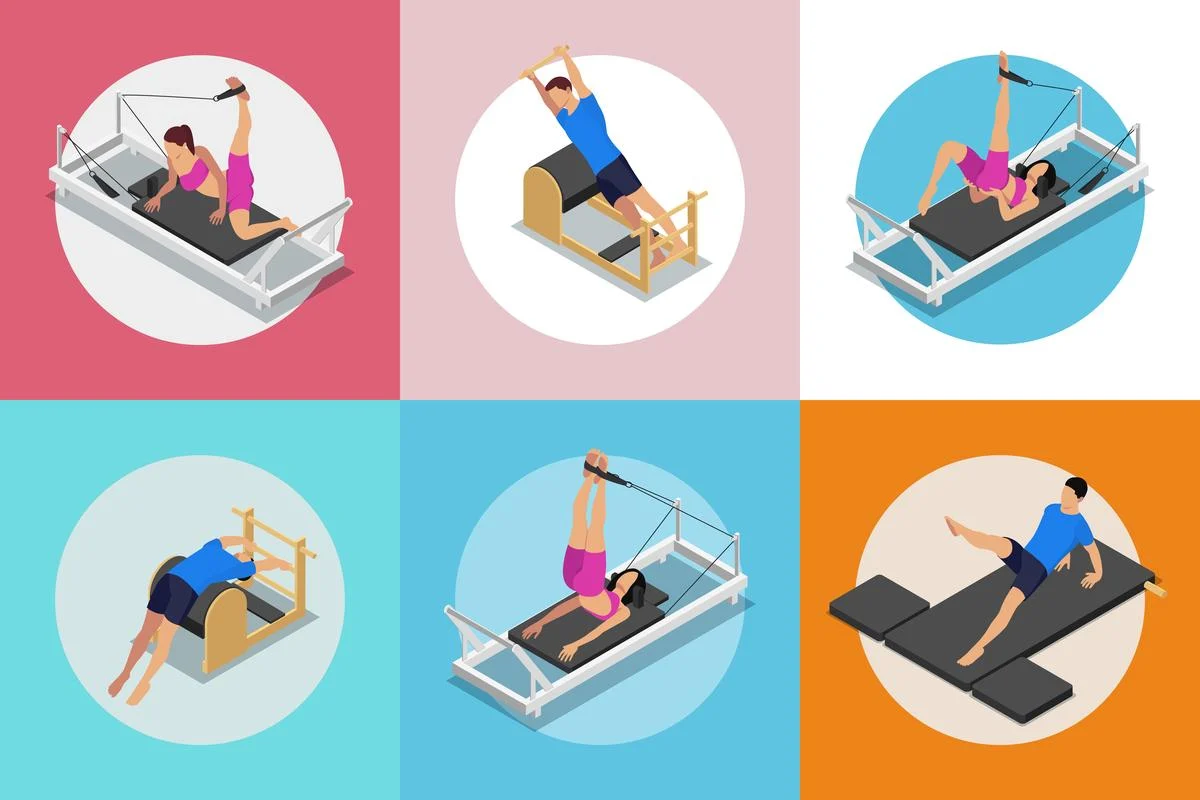
In the ever-evolving landscape of fitness, few disciplines have garnered as much sustained attention and scientific validation as Pilates. Far from a fleeting fad, this mind-body exercise method, born in the early 20th century, offers a comprehensive approach to physical and mental well-being. Developed by the visionary Joseph Pilates, the practice transcends mere strength training or flexibility, focusing instead on cultivating core strength, enhancing body awareness, and fostering mental acuity. While often associated with mat-based routines, Pilates also leverages specialized apparatus like reformers and cadillacs, devices that provide adjustable resistance and versatile support to amplify its benefits.
The enduring appeal of Pilates lies in its holistic nature. It meticulously emphasizes improved breathing patterns and precise muscle control, positioning it as a compelling alternative to conventional workout regimens. A growing body of research, including studies published in esteemed journals like the Journal of Orthopaedic & Sports Physical Therapy and by the American Council on Exercise, underscores its efficacy in promoting spinal stability and enhancing posture with a significantly reduced risk of injury. These findings have propelled Pilates from a niche interest to a mainstream cornerstone of modern fitness, solidifying its position as more than just a passing trend.
The Genesis of a Movement: Joseph Pilates and "Contrology"
The story of Pilates begins in the early 1900s with Joseph Pilates, a German physical trainer whose formative years were shaped by a diverse range of disciplines. His groundbreaking method, initially termed "Contrology," drew inspiration from the fluid movements of gymnastics, the disciplined power of boxing, the mindful introspection of yoga, and the serene focus of Zen meditation. This unique fusion laid the foundation for a system designed to harmonize the body and mind.
In 1926, Joseph Pilates embarked on a new chapter, relocating to New York City. There, he established a studio in close proximity to the prestigious New York City Ballet. This strategic location allowed him to introduce his innovative "Contrology" classes to dancers and athletes, individuals who understood the profound connection between physical conditioning and peak performance. The principles he espoused resonated deeply, and the popularity of his method, which began to flourish in that vibrant artistic hub, continues to captivate practitioners worldwide to this day. The initial success of "Contrology" laid the groundwork for the diverse iterations of Pilates that have emerged over the decades.
Evolving Principles: The Key Types of Pilates
Over time, the foundational principles of Joseph Pilates’ original method have evolved, leading to distinct variations that cater to different preferences and modern interpretations. Understanding these classifications provides a clearer picture of the Pilates landscape:
Contrology: The Authentic Blueprint
The original method, meticulously crafted by Joseph Pilates, is known as Contrology. This system adheres to a specific sequence of exercises, often requiring the use of apparatuses designed with unique characteristics to provide controlled resistance. Joseph Pilates himself was a staunch advocate for adherence to his precise instructions, permitting modifications only when explicitly acknowledged as deviating from the core tenets of Contrology. This strict adherence ensured the integrity and effectiveness of the original system.
Classical Pilates: A Reverent Evolution
Classical Pilates represents a lineage that honors the original teachings of Joseph Pilates with minimal alterations. Developed by his direct disciples, these practitioners recognized the subtle shifts and refinements that distinguished their approach from the purest form of Contrology. While often considered closely intertwined, Classical Pilates may incorporate additional exercises that align with the core philosophy. The emphasis remains on precision, control, and the systematic execution of movements as intended by the founder.
Contemporary Pilates: Modern Adaptations for the 21st Century
In contrast, Contemporary Pilates is a modernized and adapted version of the Classical form. This iteration embraces more flexibility, incorporating a wider range of modifications, introducing innovative equipment, and often removing the strict requirement for a specific exercise order. Contemporary Pilates seeks to make the practice more accessible and adaptable to a broader range of individuals and fitness goals, while still retaining the fundamental principles of core engagement, mindful movement, and controlled execution.
The adaptability of Pilates has also led to its integration with other fitness modalities, giving rise to exciting hybrid forms. Practices like Yogilates, which blends Pilates with yoga, and Cardiopilates, incorporating cardiovascular elements, have gained traction. Furthermore, Piloxing, a dynamic fusion of Pilates, boxing, and dance, offers a high-energy workout. For those seeking low-impact options, Aquapilates, performed in water, and Aeropilates, utilizing trampolines and resistance cords, provide joint-friendly alternatives that protect knees, ankles, and other sensitive areas. This diversification underscores Pilates’ capacity to evolve and meet the diverse needs of modern fitness enthusiasts.
The Resurgence of Pilates: Scientific Validation and Societal Shifts
The heightened visibility of Pilates in recent years can be attributed to a confluence of factors, ranging from a growing societal emphasis on health and wellness among younger generations to the pervasive influence of social media, which often amplifies trends and fosters a sense of "Fear Of Missing Out" (FOMO). However, beyond the hype, the question remains: is Pilates genuinely an effective workout method from a scientific standpoint?
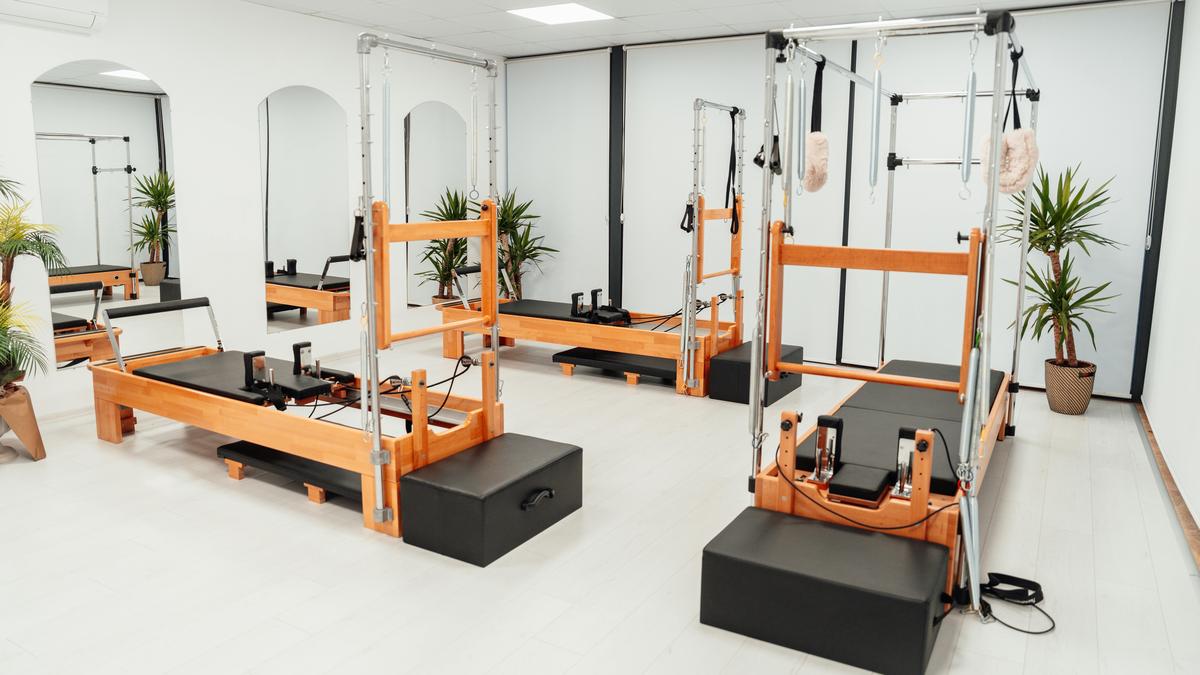
The answer, supported by a robust body of evidence, is a resounding yes. Multiple scientific studies have validated Pilates as a powerful exercise methodology. Its efficacy in core strengthening is well-documented, offering significant benefits for individuals experiencing chronic pain, particularly in the back and neck. Pilates has been shown to improve balance, enhance flexibility, and correct postural imbalances. Moreover, its emphasis on mindful movement cultivates better mental health, acting as a form of movement meditation. Research indicates that Pilates can effectively reduce anxiety levels and contribute to the maintenance of bone density, thereby playing a role in the prevention of osteoporosis – a condition characterized by brittle and fragile bones.
The systematic approach of Pilates, focusing on controlled, precise movements originating from the core, engages stabilizing muscles that are often overlooked in traditional strength training. This deep engagement promotes a more resilient and functional body. The mind-body connection inherent in Pilates is also crucial; it requires concentration and awareness of bodily sensations, which can be profoundly calming and stress-reducing. This dual benefit of physical conditioning and mental rejuvenation makes Pilates a compelling choice for holistic health.
Supporting Data: Clinical Efficacy and Research Highlights
The scientific community has increasingly recognized the profound impact of Pilates on physical rehabilitation and overall well-being. Numerous studies have provided empirical evidence for its therapeutic benefits:
-
Spinal Health and Posture: Research published in the Journal of Orthopaedic & Sports Physical Therapy has consistently demonstrated Pilates’ ability to improve spinal stability and enhance postural alignment. By strengthening the deep abdominal and back muscles, Pilates creates a supportive corset around the spine, reducing the risk of injury and alleviating chronic back pain. Studies have shown significant improvements in spinal curvature and a reduction in hyperlordosis (excessive inward curvature of the spine).
-
Chronic Pain Management: The American Council on Exercise (ACE) has supported research highlighting Pilates’ effectiveness in managing chronic pain, particularly lower back pain. The controlled, low-impact nature of the exercises allows individuals to build strength and flexibility without exacerbating existing conditions. The focus on proper biomechanics and muscle activation helps to re-educate the body, leading to long-term pain relief.
-
Balance and Flexibility: Pilates exercises often involve challenging balance and proprioception (the body’s awareness of its position in space). This, coupled with the focus on lengthening and stretching muscles, leads to significant improvements in both balance and overall flexibility. This is particularly beneficial for older adults to reduce the risk of falls and for athletes seeking to enhance their performance.
-
Mental Well-being: The practice of Pilates demands concentration and mindful engagement, fostering a strong mind-body connection. Studies have indicated that regular Pilates practice can lead to reduced levels of anxiety and stress. The controlled breathing techniques integral to Pilates also promote relaxation and a sense of calm.
-
Osteoporosis Prevention: While not a replacement for medical treatment, the weight-bearing and resistance-based nature of many Pilates exercises can contribute to maintaining bone density. By stimulating bone remodeling, Pilates may play a supportive role in preventing or slowing the progression of osteoporosis.
These findings, consistently reported across various research platforms, underscore that Pilates is not merely a fitness trend but a scientifically validated discipline with tangible and lasting health benefits.
Official Endorsements and Expert Opinions
The growing recognition of Pilates’ efficacy is reflected in endorsements and recommendations from various health and fitness organizations. Physical therapists, chiropractors, and sports medicine professionals frequently incorporate Pilates into rehabilitation programs for their patients.

"Pilates offers a unique combination of strength, flexibility, and control that is invaluable for recovery from injury and for maintaining long-term physical health," states Dr. Emily Carter, a renowned sports medicine specialist. "Its emphasis on core engagement and proper alignment addresses the root causes of many musculoskeletal issues, making it a highly effective therapeutic tool."
The American Physical Therapy Association has acknowledged the role of Pilates in improving functional mobility and reducing pain for individuals with various conditions, including chronic low back pain, arthritis, and post-surgical recovery. Their guidelines often recommend Pilates as a component of comprehensive treatment plans.
Furthermore, renowned fitness institutions and certifications, such as the Pilates Method Alliance, ensure that instructors are adequately trained and adhere to high standards of practice. This commitment to quality instruction further bolsters the credibility and safety of the discipline.
Implications for Health and Wellness
The widespread adoption and scientific validation of Pilates carry significant implications for public health and individual well-being. As societies grapple with rising rates of sedentary lifestyles and associated chronic diseases, Pilates offers a compelling and accessible solution.
-
Preventive Healthcare: By promoting core strength, flexibility, and good posture, Pilates acts as a powerful preventive measure against common ailments like back pain, joint issues, and mobility limitations. Its low-impact nature makes it suitable for a wide demographic, including older adults and individuals with pre-existing conditions.
-
Rehabilitation and Recovery: The therapeutic benefits of Pilates are well-established, making it an integral part of rehabilitation programs for a variety of injuries and medical conditions. Its ability to restore strength, improve body awareness, and reduce pain can significantly accelerate recovery and improve long-term outcomes.
-
Holistic Well-being: In an era where mental health is increasingly recognized as paramount, Pilates offers a potent pathway to enhanced well-being. The mindful engagement and controlled breathing inherent in the practice can reduce stress, anxiety, and improve overall mood. This holistic approach addresses both the physical and mental dimensions of health.
-
Accessibility and Adaptability: The evolution of Pilates into various forms, including mat work, apparatus-based sessions, and hybrid classes, ensures its accessibility to a broad range of individuals with differing fitness levels, preferences, and physical limitations. This adaptability makes it a sustainable practice for life.
In conclusion, Pilates has transcended its origins to become a cornerstone of modern health and wellness. Its scientific backing, coupled with its holistic approach to mind-body integration, solidifies its position not just as a workout, but as a profound pathway to a stronger, more balanced, and more resilient self. As individuals continue to seek effective and sustainable methods for improving their physical and mental health, the enduring principles and adaptable nature of Pilates ensure its continued relevance and growing popularity.
