

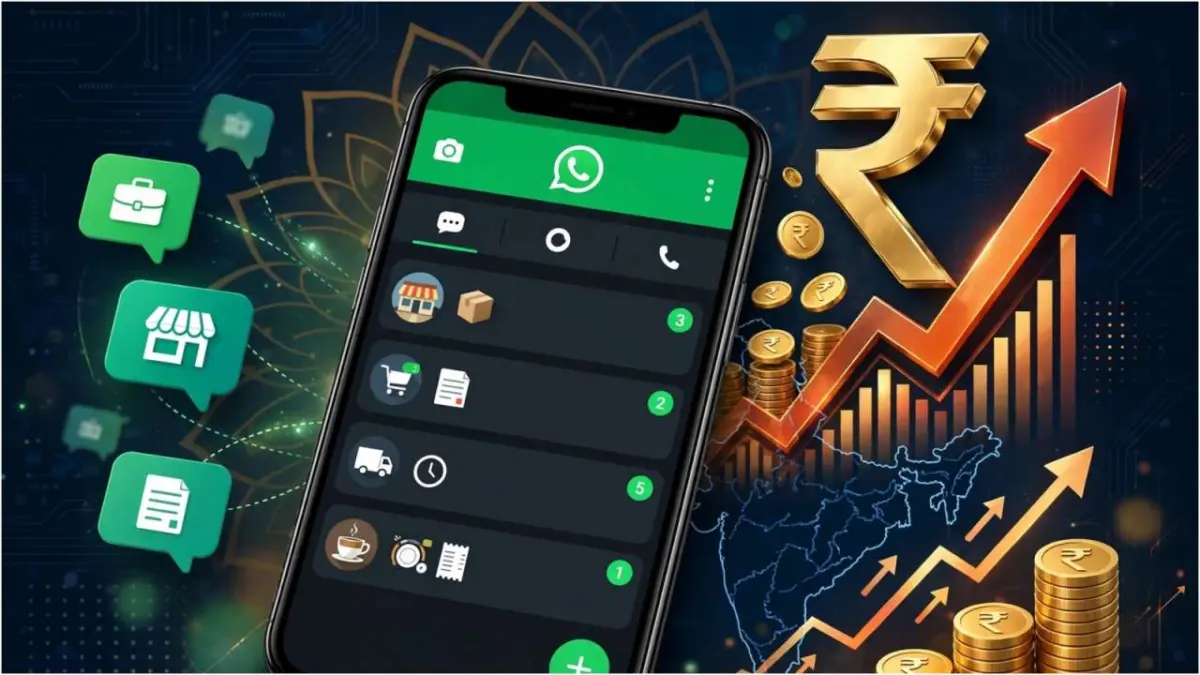
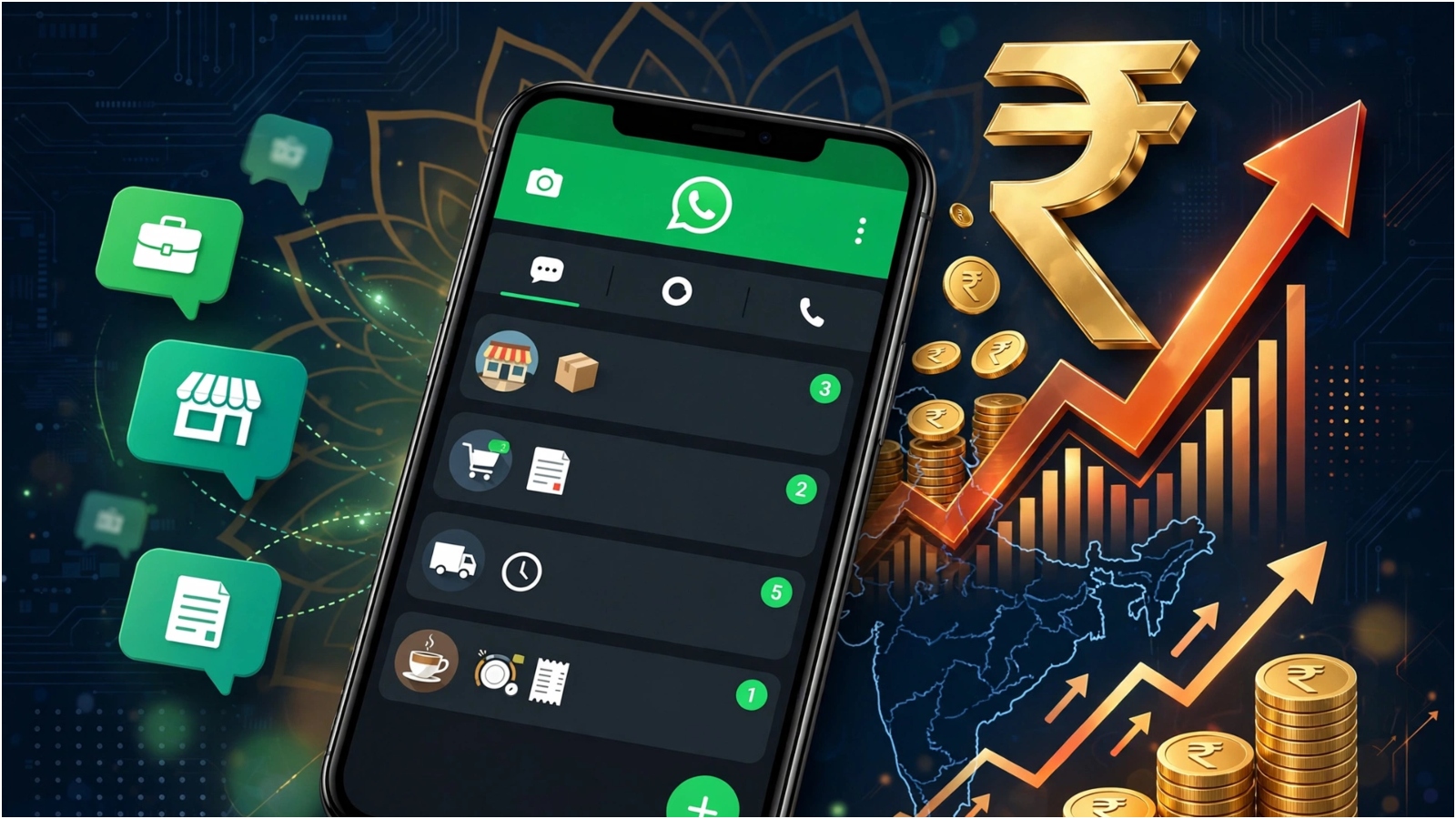
NEW DELHI, INDIA – [Date of Publication] – In a significant move set to redefine how businesses engage with their customers, Meta has announced a revision to the pricing structure for its WhatsApp Business Platform in India. Effective October 1, the popular messaging service will introduce charges for certain types of business-initiated messages, transitioning from a predominantly free model to a usage-based billing system after a specified free limit. This strategic shift, while not impacting individual WhatsApp users or businesses leveraging the standard WhatsApp Business App, marks a crucial step in Meta’s broader strategy to monetize its vast and deeply integrated platforms, particularly in a market as vital as India.
The announcement sends ripples across the Indian business ecosystem, particularly among the myriad small and medium-sized enterprises (SMEs) that have come to rely on WhatsApp for critical customer interactions, from order confirmations and delivery updates to support queries. Understanding the nuances of these changes, the financial implications, and the strategic adjustments required will be paramount for businesses to maintain seamless communication while optimizing their operational costs.

The Core of the Change: What’s Happening?
At its heart, the upcoming revision transforms the fundamental economics of business communication on the WhatsApp Business Platform. For years, businesses have enjoyed a relatively lenient pricing model, allowing extensive interaction with customers within specific windows. The new system introduces a more granular approach, distinguishing between different types of messages and assigning costs accordingly.
Before October 1: The Free Window
Prior to the impending changes, businesses utilizing the WhatsApp Business Platform benefited from a generous policy allowing them to reply to customer inquiries for free within a 24-hour window from the customer’s last message. This "customer service window" was a cornerstone of the platform’s appeal, enabling businesses to provide prompt, free-of-charge responses to a wide array of customer needs. Crucially, this free window extended to various types of utility messages, such as sending order confirmations, shipping updates, appointment reminders, or even simple status checks, provided they fell within that 24-hour period. This flexibility fostered an environment of proactive and reactive communication, allowing businesses to keep customers informed and engaged without incurring direct messaging costs. Many businesses integrated the platform deeply into their customer relationship management (CRM) systems, automating responses and updates to enhance customer experience.
)
From October 1: A New Cost Structure
The landscape shifts significantly from October 1. Meta will begin charging for certain utility messages sent by businesses, even if they fall within the traditional 24-hour customer service window. This is the most critical departure from the previous model. To mitigate the immediate impact and provide a buffer, Meta is introducing a monthly allowance: each unique business phone number connected to the WhatsApp Business Platform will receive 1,000 free service replies per month. Once this free limit is exhausted, subsequent service messages will incur a charge.
It is imperative to note that this new charging mechanism does not apply to replies to customer-initiated conversations. If a customer sends a query or initiates a chat, businesses can still respond to that specific query for free. The charges primarily target business-initiated "utility messages" that go beyond the free monthly quota. This distinction is vital for businesses to understand and will likely influence their messaging strategies.

Distinguishing Message Types
To navigate the new pricing structure effectively, businesses must clearly understand the categorization of messages:
-
Utility Messages (Now Potentially Chargeable): These are business-initiated messages designed to facilitate a transaction or update a customer on an ongoing service. Examples include:
)
- Order confirmations and receipts
- Shipping and delivery updates
- Appointment reminders and confirmations
- Account statements
- Fraud alerts
- Payment reminders
- Product availability notifications
- Subscription renewal alerts
These messages, if they exceed the 1,000 free monthly limit per business number, will now be charged.
-
Customer-Initiated Conversation Replies (Remain Free): These are responses from businesses to queries or messages actively sent by a customer. The key here is that the customer initiated the conversation. Examples include:
- Responding to a customer’s question about product features.
- Addressing a customer’s complaint or feedback.
- Providing support for a technical issue after a customer has reached out.
- Answering questions about store hours or service availability.
These types of interactions are designed to foster direct customer support and engagement, and Meta has chosen to keep them free, likely to encourage open communication and maintain the platform’s utility as a customer service channel.
It is also crucial to reiterate that these changes specifically apply to businesses using the WhatsApp Business Platform (often referred to as the WhatsApp Business API), which is designed for larger businesses requiring automation, integration with CRM systems, and scalability. The standard WhatsApp Business App, a free download for small businesses, remains unaffected by these pricing revisions. Regular individual WhatsApp users will also experience no changes to their messaging costs.
)
Diving Deeper into the Numbers: Costs and Calculations
The financial impact of these changes will depend entirely on a business’s messaging volume and type. Meta has provided a clear pricing structure for the Indian market, which businesses must factor into their operational budgets.
The Per-Message Price
For the Indian market, Meta has set the charge at Rs 0.115 per delivered message before the application of Goods and Services Tax (GST). A significant point to remember is the 18% GST that will be levied on top of this base charge, making the effective cost per message higher. This means that for every message exceeding the 1,000 free monthly limit, a business will incur a charge of Rs 0.115 + 18% GST.
)
Illustrative Cost Scenarios
To better understand the financial implications, let’s examine a few hypothetical scenarios for a single business phone number:
-
Scenario 1: Low Usage (Under Free Limit)
)
- A business sends 800 utility messages in a month.
- Since this is below the 1,000 free message limit, the cost will be Rs 0.
-
Scenario 2: Moderate Usage (Slightly Exceeding Limit)
- A business sends 1,500 utility messages in a month.
- 1,000 messages are free.
- Chargeable messages: 1,500 – 1,000 = 500 messages.
- Base cost: 500 messages * Rs 0.115/message = Rs 57.50.
- GST (18% of Rs 57.50): Rs 10.35.
- Total cost: Rs 57.50 + Rs 10.35 = Rs 67.85.
-
Scenario 3: High Usage
)
- A business sends 5,000 utility messages in a month.
- 1,000 messages are free.
- Chargeable messages: 5,000 – 1,000 = 4,000 messages.
- Base cost: 4,000 messages * Rs 0.115/message = Rs 460.
- GST (18% of Rs 460): Rs 82.80.
- Total cost: Rs 460 + Rs 82.80 = Rs 542.80.
-
Scenario 4: Very High Usage
- A business sends 10,000 utility messages in a month.
- 1,000 messages are free.
- Chargeable messages: 10,000 – 1,000 = 9,000 messages.
- Base cost: 9,000 messages * Rs 0.115/message = Rs 1,035.
- GST (18% of Rs 1,035): Rs 186.30.
- Total cost: Rs 1,035 + Rs 186.30 = Rs 1,221.30.
These examples highlight that while the per-message cost might seem low, it can quickly accumulate for businesses with high volumes of automated or proactive customer communication. Businesses will need to accurately forecast their monthly utility message volumes to budget effectively and potentially adjust their communication strategies.
)
Why the Shift? Meta’s Strategy and Market Context
Meta’s decision to monetize the WhatsApp Business Platform more aggressively is not an isolated event but rather a strategic evolution driven by several factors.
Monetizing a Powerful Platform
For years, Meta has invested heavily in developing and scaling WhatsApp, transforming it from a simple messaging app into a comprehensive ecosystem for personal and business communication. With over two billion users globally, WhatsApp holds immense potential for monetization. The WhatsApp Business Platform, in particular, offers a direct avenue to generate revenue by providing value-added services to businesses. Charging for utility messages aligns with a common industry practice where communication platforms monetize their API access based on usage. This helps Meta:
)
- Ensure Sustainability: Maintaining and continually developing a platform of WhatsApp’s scale requires substantial resources. Monetization ensures the long-term viability and innovation of the service.
- Encourage Quality Interactions: By putting a price on certain messages, Meta subtly encourages businesses to send only necessary and valuable communications, potentially reducing spam or excessive automated messages, thereby improving the overall user experience.
- Align with Global Strategy: This move is often part of a broader global strategy to standardize and monetize business interactions across Meta’s family of apps, including Facebook Messenger.
India’s Strategic Importance
India is an exceptionally critical market for WhatsApp. With hundreds of millions of users, it represents WhatsApp’s largest user base globally. The adoption of the WhatsApp Business Platform by Indian SMEs has been phenomenal, driven by the app’s pervasive presence and ease of use. For many small businesses, WhatsApp has become the primary, if not sole, channel for customer communication. This deep penetration and high engagement make India a prime market for Meta to roll out monetization strategies. The sheer volume of business-to-customer interactions occurring daily presents a significant revenue opportunity, even with a relatively low per-message cost. The changes reflect Meta’s recognition of the immense value generated by the platform in the Indian commercial landscape.
Anticipated Reactions and Official Stance
As with any significant pricing adjustment, the announcement is likely to elicit varied responses from different stakeholders.
)
Meta’s Rationale
While Meta has not released a detailed official statement specifically outlining the rationale for the India-specific changes beyond the general announcement, their motivation can be inferred from their global approach to business messaging. The underlying philosophy is typically to foster meaningful conversations. By making customer-initiated conversations free, Meta encourages businesses to be responsive and provide excellent support. By charging for business-initiated utility messages beyond a free tier, they aim to:
- Differentiate Value: Distinguish between core customer service (free) and proactive business communications (chargeable).
- Promote Efficiency: Incentivize businesses to optimize their messaging, ensuring that only relevant and high-value updates are sent, thereby reducing "noise" for end-users.
- Fund Innovation: Reinvest the generated revenue into improving the platform’s features, security, and scalability.
Business Community’s Perspective
The business community’s reaction is expected to be mixed:
)
- Larger Enterprises: Many larger corporations already factor communication costs into their budgets and leverage the WhatsApp Business Platform for its advanced features and integration capabilities. For them, this might be seen as a manageable, albeit new, operational expense. They may already have sophisticated CRM systems that allow them to track and optimize message volumes.
- Small and Medium-sized Enterprises (SMEs): This segment, which often operates on tighter margins, might feel a more significant pinch. For some, who previously enjoyed largely free communication within the 24-hour window, these new charges could represent an unexpected addition to their overheads. There might be concerns about the need to re-evaluate their communication strategies, potentially leading to a reduction in automated updates or a more conservative approach to proactive messaging.
- Platform Partners and Developers: Companies that build solutions on top of the WhatsApp Business Platform will need to adjust their own pricing models and assist their clients in adapting to the new costs. They will play a crucial role in helping businesses optimize their message flows.
While some businesses might express dissatisfaction over increased costs, many also recognize the immense value and reach that WhatsApp provides in India. The challenge will be to balance this value against the new financial outlay.
Far-Reaching Implications for Businesses and the Digital Landscape
The revised pricing structure will have multifaceted implications, compelling businesses to re-evaluate their digital communication strategies and potentially reshape aspects of the broader digital economy.
)
Operational Adjustments and Budgeting
The most immediate impact will be on financial planning. Businesses currently using the WhatsApp Business Platform will need to:
- Re-evaluate Communication Budgets: Allocate specific funds for WhatsApp Business Platform messaging, considering the potential for charges beyond the free tier.
- Implement Tracking Mechanisms: Enhance or introduce systems to monitor message volumes, particularly utility messages, to stay within budget and identify areas for optimization.
- Forecast Accurately: Develop better forecasting models for customer interactions and business-initiated communications to predict monthly costs.
- Vendor Negotiations: Businesses using third-party providers for WhatsApp Business API integration may need to renegotiate terms or understand how these providers will pass on Meta’s charges.
Rethinking Communication Strategies
The new pricing will inevitably lead to a more strategic approach to messaging:
)
- Optimization of Message Content: Businesses will be incentivized to make every paid message count. This means crafting more concise, informative, and impactful messages, reducing redundancy, and ensuring that each communication delivers maximum value.
- Reduced Redundancy: Companies might consolidate multiple small updates into single, more comprehensive messages where feasible, to minimize the number of chargeable interactions.
- Shift Towards Self-Service: There could be a push towards enhancing self-service options on websites or apps (e.g., comprehensive FAQs, chatbots for common queries) to reduce the need for business-initiated updates via WhatsApp, especially for routine information.
- Leveraging Free Channels: Businesses might explore other free or lower-cost communication channels for certain types of interactions, such as email for non-urgent updates or in-app notifications if they have a dedicated mobile application. However, given WhatsApp’s unparalleled reach in India, completely abandoning it is unlikely for most.
Impact on Customer Engagement
While customers will not directly pay for messages, the changes could subtly influence their experience:
- More Focused Communication: Customers might receive fewer, but more relevant, business-initiated messages, potentially reducing notification fatigue.
- Continued Free Replies: The fact that replies to customer queries remain free ensures that the core of customer support on WhatsApp remains accessible and cost-effective for businesses, which is good for customer satisfaction.
- Potential for Reduced Proactive Updates: Businesses might become more selective about sending proactive updates (e.g., "your order is being packed," "your order is almost here") if they are not deemed critical enough to justify the cost, potentially leading to a slight decrease in real-time transparency for some customers.
The Broader Picture of Platform Monetization
Meta’s move is indicative of a broader trend in the digital economy where platforms, after achieving massive user adoption and market dominance, begin to monetize their services more explicitly. This is a natural progression for companies that have invested billions in infrastructure and development. It signals that businesses relying heavily on third-party platforms for critical operations must remain agile and prepared for evolving terms of service and pricing models. It also underscores the importance for businesses to diversify their communication channels and not become overly reliant on a single platform, no matter how ubiquitous.
)
Conclusion
The impending revision of WhatsApp Business Platform pricing in India from October 1 marks a pivotal moment for businesses leveraging Meta’s powerful messaging ecosystem. While the introduction of charges for utility messages beyond a free monthly limit will necessitate adjustments in budgeting and communication strategies, it also reflects Meta’s ongoing commitment to building a sustainable and valuable platform. Businesses that proactively understand the new cost structure, optimize their messaging, and strategically manage their customer interactions will be best positioned to navigate these changes successfully. For the vast number of Indian businesses, WhatsApp remains an indispensable tool, and adapting to its evolving commercial model will be a crucial step in their digital journey. The ultimate goal for both Meta and businesses will be to ensure that communication remains efficient, valuable, and conducive to a thriving digital economy.
