

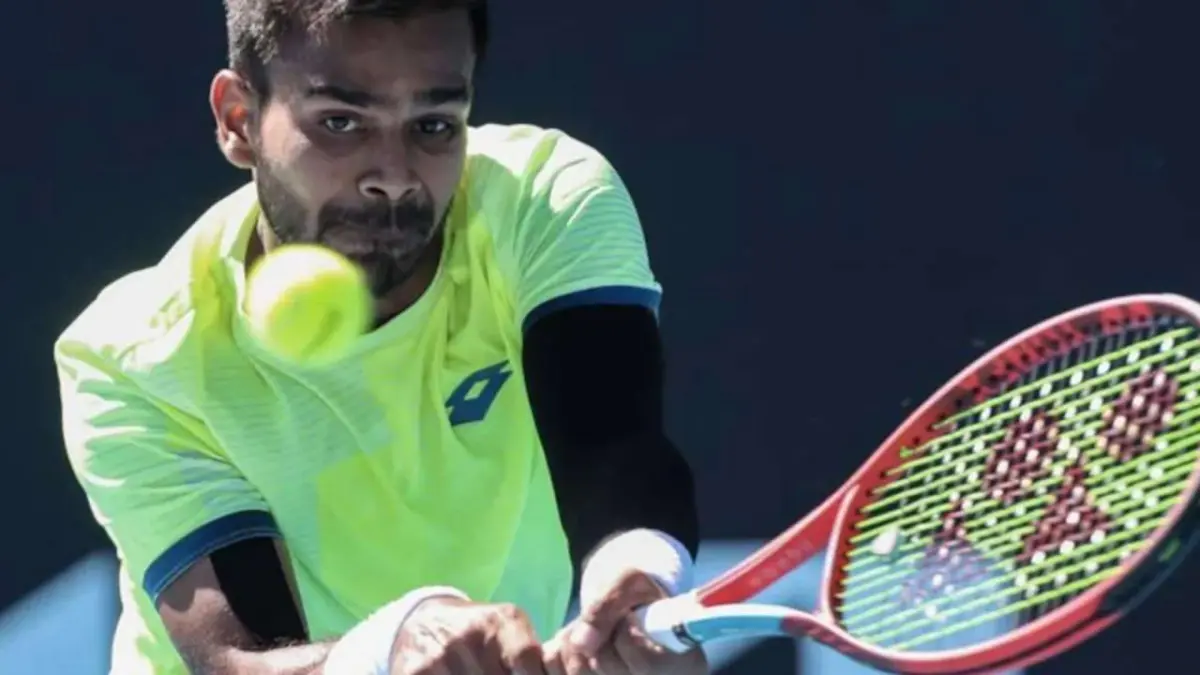
Hangzhou, China – October 1, 2026 – In a stunning turn of events that has sent ripples of concern through the Indian sporting fraternity, the nation’s tennis contingent concluded its campaign at the Asian Games 2026 without a single medal. This marks the first time in four decades, precisely since the 1986 Seoul Asian Games, that India has failed to secure a podium finish in the sport, bringing an end to a remarkable streak of consistent performance at the continental showpiece. The disappointing outcome was sealed with top-ranked Indian men’s singles player, Sumit Nagal, bowing out in the quarterfinals, an exit that mirrored the early departure of all Indian doubles teams across various categories.
The expectation was high for the Indian tennis squad, known for its rich legacy and consistent medal hauls at the Asian Games. However, the 2026 edition proved to be a stark anomaly, leaving players, coaches, and fans grappling with the reality of an unexpected and comprehensive underperformance. The defeat of Sumit Nagal, considered India’s strongest medal prospect in singles, to China’s formidable Yibing Wu in straight sets (4-6, 4-6) effectively extinguished the nation’s last flickering hope for a medal in tennis.
A Campaign Marred by Early Exits
The narrative of India’s tennis journey at the Asian Games 2026 was one of escalating disappointment, with early exits becoming a recurring theme across all events. From the outset, the team struggled to find its rhythm and convert potential into performance, a stark contrast to the dominant displays seen in previous editions.
The Singles Struggle
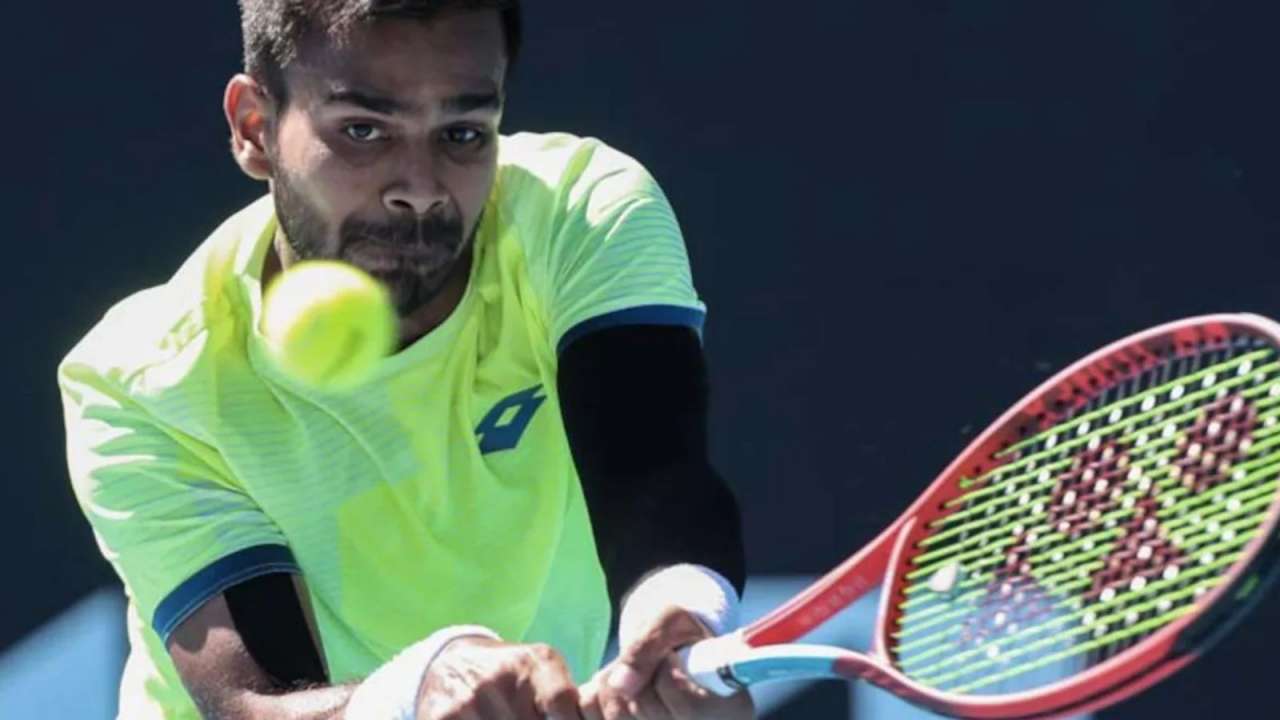
The men’s singles draw, traditionally a strong suit for India, saw a mixed start but ultimately failed to progress beyond the quarterfinal stage. While Sumit Nagal, carrying the burden of expectation, managed to navigate his way into the last eight, his path was fraught with challenges. Ramkumar Ramanathan, another prominent Indian player, found himself eliminated in the third round, unable to overcome his opponent in a crucial match. Dhakshineswar Suresh, a talent with promising bursts of brilliance, also faced an early exit in the third round, highlighting a pervasive struggle for consistency among the Indian singles players.
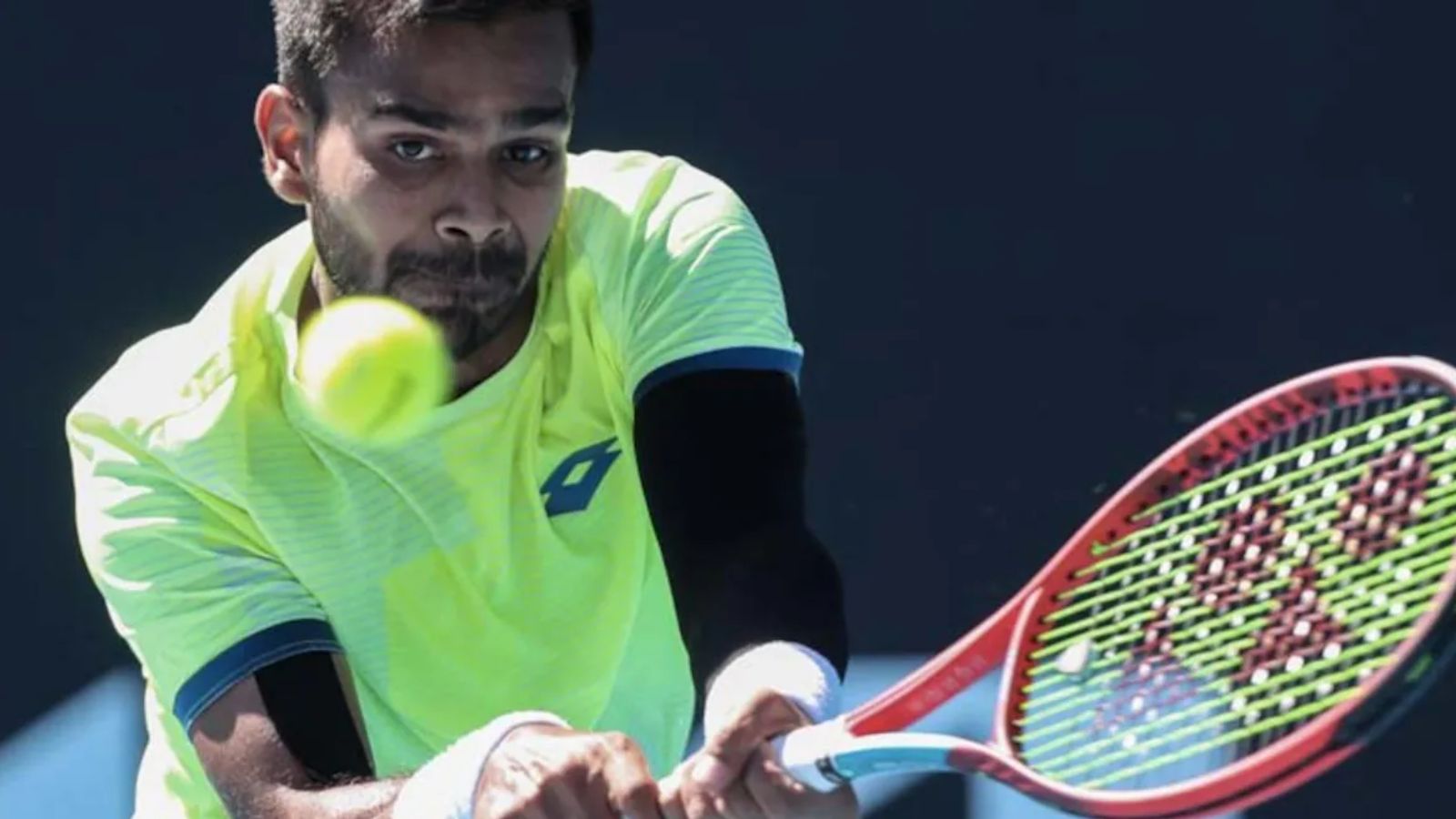)
Nagal’s quarterfinal clash against local favourite Yibing Wu was always going to be an uphill battle, especially with the added pressure of being India’s last remaining hope. Despite glimpses of his undeniable talent and several opportunities to break serve or gain an advantage, Nagal was unable to capitalize on these moments. Wu, buoyed by home support and a solid all-around game, proved too consistent, eventually securing a 4-6, 4-6 victory that sent shockwaves through the Indian camp. The loss was not just a personal defeat for Nagal but a symbolic end to India’s medal aspirations in tennis for the entire Games.
Doubles Dilemma
The doubles events, often a source of multiple medals for India, also yielded no joy. Pairs known for their prowess and international experience, including the formidable duo of Yuki Bhambri and N Sriram Balaji, were unable to replicate their past successes. Both men’s doubles and mixed doubles teams faced early eliminations, with Bhambri and Balaji themselves losing in the quarterfinals. This collective failure in doubles, traditionally a stronghold for Indian tennis, underscored the depth of the challenges faced by the contingent this year. The tactical execution, coordination, and mental fortitude that define successful doubles play seemed to elude the Indian pairs, leading to a premature end to their medal quests.

The early exits across all categories painted a clear picture: India’s tennis team, despite comprising experienced and internationally ranked players, underperformed significantly. The collective inability to convert promising positions into wins, coupled with a perceived lack of competitive edge against formidable opponents, contributed to this unprecedented medal drought.
A Legacy Interrupted: Historical Context
The absence of a tennis medal at the Asian Games 2026 is particularly jarring when viewed against India’s illustrious history in the sport at this quadrennial event. Since 1986, Indian tennis players have consistently graced the podium, carving out a reputation as one of Asia’s dominant forces. The 2026 result breaks a 36-year-long streak, a period that saw generations of Indian tennis stars bring glory to the nation.
)
The Golden Era and Consistent Success
The period following the 1986 drought witnessed a remarkable resurgence and sustained excellence. Legendary figures like Leander Paes and Mahesh Bhupathi, often dubbed the "Indian Express," spearheaded numerous medal-winning campaigns in men’s doubles, including multiple golds. Paes, in particular, has an incredible Asian Games record, having won eight medals, including five golds, across various editions from 1994 to 2014. His mixed doubles partnership with Sania Mirza also yielded significant success.
Sania Mirza herself is another icon, having secured a staggering nine Asian Games medals, including golds in mixed doubles (2006, 2014) and women’s doubles (2014). Her contributions cemented India’s status as a powerhouse in women’s tennis as well. Players like Somdev Devvarman brought singles glory, winning two golds in 2010 (men’s singles and men’s doubles).
)
Recent Triumphs: 2018 and 2022
The recent past offered even more immediate successes, making the 2026 outcome all the more perplexing. At the 2018 Asian Games in Jakarta-Palembang, India’s tennis team showcased its strength, securing three medals:
- Men’s Doubles Gold: Rohan Bopanna and Divij Sharan delivered a memorable performance, clinching gold.
- Men’s Singles Bronze: Prajnesh Gunneswaran fought valiantly to earn a bronze medal.
- Women’s Singles Bronze: Ankita Raina added another bronze to the tally, marking a strong showing for India’s singles players.
Even more recently, at the 2022 Hangzhou Asian Games (which were held in 2023 due to pandemic delays), Rohan Bopanna continued his incredible run, securing a mixed doubles gold medal with Rutuja Bhosale. This triumph extended India’s medal streak and reinforced the belief in the team’s ability to perform under pressure.
)
The Contrast: A Sharp Decline
The current 2026 performance stands in stark contrast to these consistent medal hauls. The absence of even a single bronze medal signals a significant decline from the peaks of 2018 and 2022. While the current squad included players who have tasted success, the collective effort and individual performances fell short of the mark set by their predecessors. The 2026 Games will now be remembered not for glory, but for breaking a cherished tradition and highlighting potential systemic issues within Indian tennis.
Official Responses and Introspection
The unprecedented medal drought has naturally led to a wave of introspection and official statements from the team management. Coach Ashutosh Singh, a seasoned figure in Indian tennis, did not mince words when assessing the team’s performance.
)
Coach Ashutosh Singh’s candid assessment
"We obviously would have wanted stronger results, particularly given the quality and experience within the team," Coach Singh told PTI, expressing the collective disappointment. His statement underscores the belief that the team, on paper, possessed the talent and experience to contend for medals, making the outcome even more difficult to digest.
Singh offered a detailed analysis of specific performances, starting with Sumit Nagal’s crucial quarterfinal match. "Nagal had chances against Wu but could not use them," he noted, pointing to critical moments in the match where Nagal failed to convert opportunities. This suggests that while the skill level might have been present, the ability to execute under pressure and seize decisive points was lacking. In high-stakes matches, such missed opportunities often prove to be the difference between victory and defeat.
)
The coach also highlighted areas for improvement for other players, particularly Dhakshineswar Suresh. "DK (Dhakshineswar) has shown his playing level on the Tour but needs more work to sustain his short bursts into good performance through a physically demanding multiple-week national campaign," Singh explained. This observation points to a broader challenge for young Indian players: the ability to maintain peak physical and mental performance over the duration of a demanding tournament, especially in a multi-sport event like the Asian Games. It suggests a need for enhanced fitness regimes, mental conditioning, and strategic planning to ensure players can consistently deliver their best.
AITA’s Stance and Future Outlook
While direct quotes from the All India Tennis Association (AITA) regarding the 2026 performance were not immediately available, it is highly probable that the federation will initiate a comprehensive review of the team’s showing. Such an unprecedented result would necessitate a deep dive into various aspects, including player selection, coaching strategies, training camps, and overall preparation. The AITA is expected to address the concerns raised by this performance and outline a roadmap for future development, aiming to restore India’s standing in Asian tennis. Public pressure and media scrutiny will undoubtedly compel the federation to take concrete steps to prevent a recurrence of this kind.
)
Player Reactions and Resilience
Though no specific player reactions were detailed, it is reasonable to infer a profound sense of disappointment and frustration among the athletes. Representing one’s country at a prestigious event like the Asian Games carries immense pride and responsibility. To return without a medal, especially after a long history of success, would undoubtedly be a blow to their morale. However, professional athletes are also known for their resilience. This setback is likely to fuel a renewed determination to train harder, identify weaknesses, and come back stronger in future competitions. The challenge for the players will be to channel this disappointment into constructive action and use it as a catalyst for improvement.
Implications and the Road Ahead
The historic medal drought in tennis at the Asian Games 2026 carries significant implications for the sport in India, necessitating a thorough re-evaluation and strategic recalibration. This performance is not merely a statistical anomaly but a potential symptom of deeper issues that require urgent attention.
)
Future of Indian Tennis at the Asian Games
The immediate consequence of this result is the pressure it places on the All India Tennis Association (AITA) and the national coaching staff. There will be an undeniable demand for accountability and a clear strategy to prevent such a setback from happening again. The next Asian Games, four years from now, will be viewed with heightened scrutiny, and the expectation will be for India to not only regain its medal-winning ways but to also demonstrate a clear path of improvement. This might involve:
- Revisiting Selection Criteria: A closer look at how players are selected for major multi-sport events, focusing not just on individual rankings but also on their form, fitness, and compatibility within team events.
- Enhanced Coaching and Support Staff: Investing in specialized coaching for different aspects of the game, including mental conditioning, physical fitness, and tactical analysis, potentially bringing in international expertise.
- Strategic Training Camps: Organizing more targeted and intensive training camps leading up to major tournaments, ensuring players are acclimatized and in peak condition.
Impact on Player Morale and Development
For the current crop of players, this result could be a double-edged sword. While the disappointment is palpable, it could also serve as a powerful motivator. It highlights the need for individual players to elevate their game, not just to compete but to consistently win against top Asian talent. For younger players in the development pipeline, this outcome is a stark reminder of the increasing competitiveness of Asian tennis and the high standards required to succeed. It underscores the importance of:
)
- Mental Fortitude: Developing the psychological resilience to perform under pressure and convert crucial points.
- Physical Conditioning: Ensuring players have the stamina to sustain high-level performance throughout physically demanding tournaments.
- International Exposure: Providing more opportunities for young talents to compete against diverse international opponents to broaden their experience and skill sets.
A Call for Introspection and Revitalization
Ultimately, the 2026 Asian Games tennis campaign serves as a critical wake-up call for Indian tennis. It necessitates a broad introspection into the current state of the sport, from grassroots development to elite performance programs. Key areas for revitalization must include:
- Grassroots Development: Strengthening junior programs to identify and nurture talent from an early age, ensuring a robust pipeline of future champions.
- Infrastructure Investment: Improving tennis facilities across the country, providing access to world-class courts, training equipment, and sports science support.
- Funding and Sponsorship: Securing greater financial support for players and development programs, allowing athletes to focus solely on their training and competition without financial constraints.
- Collaborative Ecosystem: Fostering a more collaborative environment between AITA, coaches, players, and private academies to ensure a unified approach to player development and performance enhancement.
The path to regaining India’s formidable standing in Asian Games tennis will not be easy. It requires sustained effort, strategic planning, and a collective commitment from all stakeholders. However, by learning from this unprecedented setback and implementing comprehensive reforms, Indian tennis can aspire to not only reclaim its past glory but also forge a brighter, more consistent future on the international stage. The 2026 Asian Games may be remembered for a historic drought, but it must also serve as the catalyst for a much-needed renaissance in Indian tennis.
