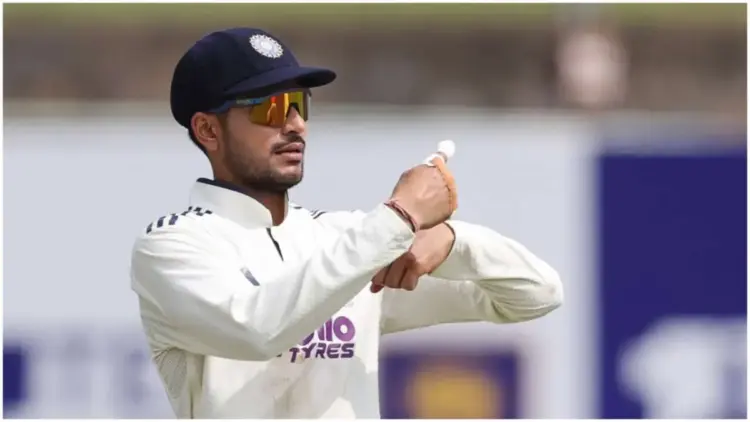
Wellington, New Zealand – In a significant pre-match disclosure that has set the cricketing world abuzz, Indian skipper Shubman Gill has offered a comprehensive glimpse into his team’s strategic approach for the inaugural Test against New Zealand, commencing this Thursday at the iconic Basin Reserve in Wellington. Gill confirmed that India is poised to deploy a formidable combination of seven specialist batters and four frontline pacers, signalling a clear intent to balance batting solidity with an aggressive bowling assault on New Zealand’s home turf.
The revelation comes as India seeks to extend its dominant run against the Blackcaps, having already clinched both the five-match T20 International and One Day International series. The focus now squarely shifts to the red-ball challenge, where India aims for a clean sweep of series victories, a feat that would underscore their growing stature as a formidable Test unit globally.
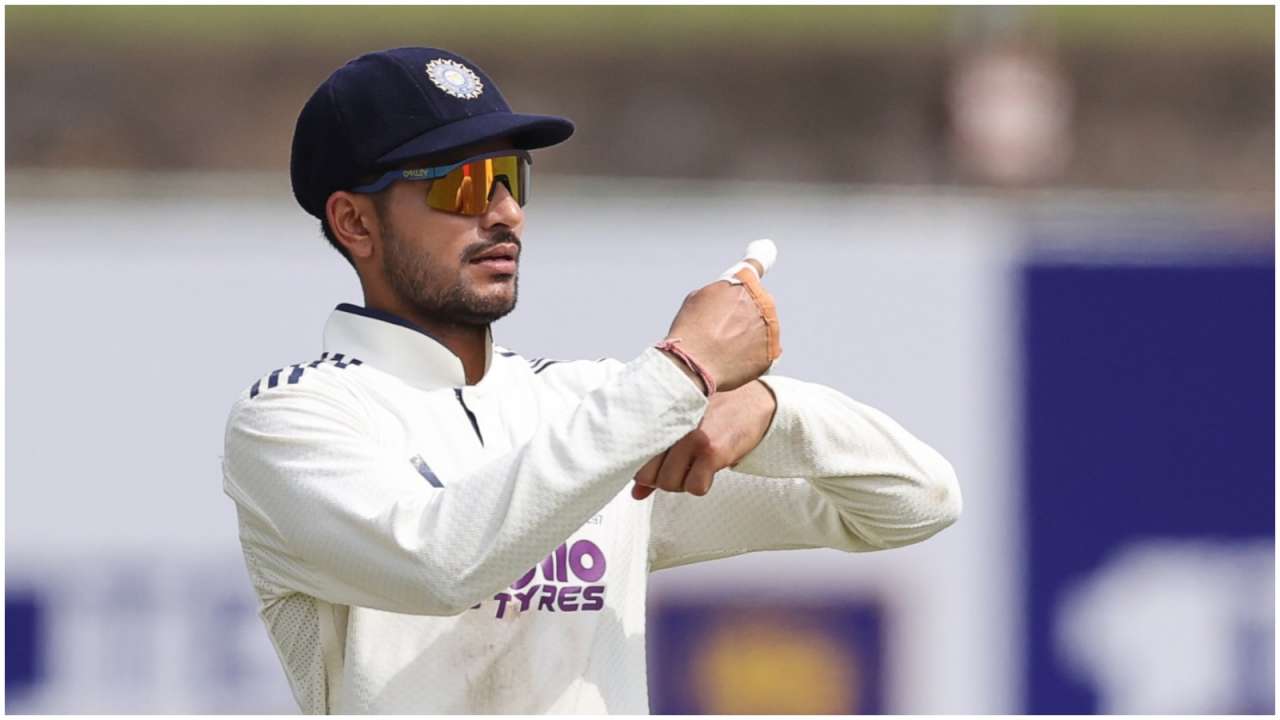
"We plan to play seven proper batters in the Test series against New Zealand. We will be playing with four pacers for sure," Gill stated unequivocally to reporters ahead of the crucial encounter. His comments underscore a calculated decision, one that reflects a deep understanding of the conditions expected at the Basin Reserve and a nuanced appreciation of the strengths within his diverse squad.
While the "seven batters, four pacers" formula has been confirmed, Gill admitted to a "good headache" concerning the final selection of the pace quartet. "All our fast bowlers have done well, and it is a good headache to have," he remarked, highlighting the enviable depth in India’s fast-bowling arsenal. The captain further elaborated on the tactical rationale, noting, "We want four fast bowlers but don’t know which one will play. From day three, we have seen that the pitch gets flat and we need someone who can hit the deck." This insight points towards a preference for bowlers capable of extracting bounce and generating pace even as the pitch loses its initial freshness.
The strategic pronouncement from the young captain sets the stage for what promises to be an enthralling Test series, as India looks to conquer New Zealand in their own backyard, a challenge that has historically tested even the strongest visiting teams.
The Strategic Unveiling: Gill’s Vision for Wellington
Shubman Gill’s confirmation of a seven-batter, four-pacer combination is more than just a team sheet hint; it’s a strategic declaration. It speaks volumes about India’s intent, their assessment of the conditions, and the inherent strengths they perceive within their squad. This formula suggests a desire for both stability and potency, aiming to amass formidable totals while possessing the firepower to dismantle the opposition twice.

Main Facts: The Core Announcement
The headline fact is Gill’s explicit confirmation: India will field seven specialist batters and four pacers. This decision implies a tactical shift, potentially favouring a lone specialist spinner or relying on part-time options, or even forgoing a second spinner entirely depending on the conditions and the specific skill set of the chosen pacers.
The "good headache" regarding the fast bowlers points to the rich talent pool India currently possesses. Names like Jasprit Bumrah, Mohammed Siraj, Prasidh Krishna, Akash Deep, Anshul Kamboj, and Gurnoor Brar offer diverse skills – from express pace and swing to pinpoint accuracy and relentless seam movement. The emphasis on bowlers who can "hit the deck" from day three is crucial, suggesting a preference for those who can extract bounce and carry even on a less responsive surface, maintaining pressure throughout the match.

Furthermore, the captain highlighted the importance of contributions from the lower order, specifically mentioning the potential all-round capabilities of players like Akash Deep, Anshul Kamboj, and Nitish Kumar Reddy. "Ideally, we are looking to have seven specialist batters, with the eighth and ninth positions depending on the combination we choose," Gill explained. "Akash Deep can contribute with the bat, and Anshul Kamboj can also bat a bit. Even if we go with Nitish Kumar Reddy, he is a proper batter. So, we’ll assess the options and decide what kind of combination we want to go with and what works best for the team." This indicates a flexible approach to the tail, ensuring that the batting depth doesn’t end abruptly at number seven.
Chronology of Dominance and the Test Challenge Ahead
India’s tour of New Zealand has, thus far, been a tale of comprehensive dominance. The T20I series saw India outmanoeuvre the Blackcaps with clinical precision, showcasing their prowess in the shortest format. This was swiftly followed by an equally convincing performance in the ODI series, where India’s batting might and disciplined bowling proved too much for the home side. These victories have instilled a palpable sense of confidence within the Indian camp, a momentum they are keen to carry into the more traditional and challenging format of Test cricket.

However, Test cricket, particularly in New Zealand, presents a unique set of challenges. The pitches at venues like the Basin Reserve are renowned for their lively character, often assisting swing and seam bowlers, especially under overcast skies and the infamous Wellington wind. Historically, touring teams have found it arduous to adapt to these conditions, making India’s recent white-ball success a foundation, but not a guarantee, for red-ball triumph.
Many key players, including Shubman Gill himself, were strategically rested for the latter stages of the white-ball leg of the tour. This measured approach allowed them to acclimatize, recover, and dedicate focused preparation time for the demanding Test series, underlining the team management’s priority for the longest format. The goal is clear: to complete a clean sweep across all three formats, a testament to India’s all-round cricketing strength.

The Test series also carries significant implications for the ICC World Test Championship (WTC) cycle. Every match, every session, contributes to the points table, and a strong performance in New Zealand would significantly bolster India’s position towards securing a spot in the WTC Final. For New Zealand, a victory on home soil is crucial not just for pride but also to reignite their WTC campaign after a mixed run of results.
Supporting Data: Dissecting the Seven-Four Formula
The decision to play seven specialist batters is a clear statement of intent: India wants to build substantial first-innings totals and ensure batting collapses are minimized. In conditions where the ball can talk, a deeper batting line-up provides a crucial safety net.

The Batting Line-up: Depth and Flexibility
With seven dedicated batters, India can afford to be both aggressive and cautious. The top three – likely to feature Yashasvi Jaiswal, Devdutt Padikkal (or Sai Sudharsan), and Shubman Gill – will be tasked with providing strong starts. Jaiswal’s aggressive flair, Padikkal’s elegance, and Gill’s solid technique offer a promising blend.
The middle order will be the engine room, with competition fierce for spots. Rishabh Pant and KL Rahul offer distinct advantages. Pant, with his aggressive wicketkeeping-batting style, can change the complexion of a Test match rapidly. Rahul, a more classical batter, provides stability and can also keep wickets, offering flexibility. Dhruv Jurel, having impressed recently, is another strong contender for the wicketkeeper-batter role, adding further depth. The selection here will likely hinge on who the team management believes is best suited to New Zealand’s challenging conditions and who can provide the most impactful contribution. Nitish Kumar Reddy, listed in the squad, is a proper batter as Gill mentioned, and his inclusion would further strengthen the middle order if a pure batting option is preferred over an all-rounder.

Ravindra Jadeja’s role becomes even more pivotal in this configuration. As the likely sole specialist spinner, his primary responsibility will be to provide control, pick up crucial wickets, and hold an end. However, his invaluable batting prowess, particularly his ability to score quick runs down the order, makes him an indispensable part of this seven-batter strategy. He effectively functions as a genuine all-rounder, bolstering both departments. Washington Sundar, another spin-bowling all-rounder, offers a similar package but might miss out if the pitch demands only one spinner and four pacers.
The lower-order batting capabilities of players like Akash Deep and Anshul Kamboj, both primarily pacers, become critical. Gill’s mention of them "contributing with the bat" suggests that even the designated bowlers are expected to put a price on their wicket and add valuable runs, turning potential deficits into competitive totals. This philosophy reflects a modern approach to Test cricket, where every player is expected to contribute across disciplines.

The Pace Quartet: The Cutting Edge
Wellington’s Basin Reserve is notorious for its strong winds and pitches that often offer movement off the seam and through the air. The "hitting the deck" requirement from day three implies a need for bowlers who can consistently hit good lengths, extract bounce, and maintain pace even as the pitch flattens.
Jasprit Bumrah is an automatic choice. His unique action, searing pace, and ability to swing the ball both ways make him India’s premier strike bowler. His leadership of the pace attack will be crucial.
Mohammed Siraj has emerged as a consistent performer, known for his relentless energy, ability to move the ball both ways, and propensity to pick up wickets in bursts. He perfectly fits the "hitting the deck" mould.
The competition for the remaining two spots is intense. Prasidh Krishna offers height and genuine pace, capable of generating disconcerting bounce. Akash Deep, with his lively pace and ability to swing the ball, has also shown promise and can contribute with the bat. Anshul Kamboj and Gurnoor Brar are exciting prospects who offer different dimensions. The choice between them will likely depend on the specific balance sought – raw pace, swing, or consistent seam movement – and their current form.

The decision to field four pacers signals a belief that India’s fast bowlers can exploit the conditions effectively and consistently trouble the New Zealand batters. It also acknowledges the potential limitations of spin on a New Zealand surface, particularly if the weather remains cloudy and conducive to swing.
Official Responses and Tactical Nuances
Gill’s articulate responses provide a window into the team management’s tactical thinking. His acknowledgment of the "good headache" in selecting pacers indicates a healthy competition within the squad, a sign of a vibrant and deep talent pool. This depth allows the captain and coach to pick a bowling attack tailored precisely to the conditions, rather than being forced into selections.

The emphasis on the pitch flattening from day three is a critical observation. It suggests that the initial swing and seam movement might subside, necessitating bowlers who can still generate discomfort through pace, bounce, and disciplined lines. This is where the "hitting the deck" quality becomes paramount, as it allows bowlers to exploit any inconsistencies in the pitch and keep the batters on their toes, even with an older ball.
The importance of lower-order contributions is a modern cricketing imperative. Teams that can extract valuable runs from positions 8, 9, 10, and 11 often gain a significant advantage, turning seemingly modest totals into competitive ones, or pushing strong totals out of reach. Gill’s mention of Akash Deep, Anshul Kamboj, and Nitish Kumar Reddy highlights a conscious effort to develop genuine all-round capabilities throughout the squad, ensuring that the tail doesn’t wag too meekly.

Implications for the Series and Player Dynamics
The "seven-four" strategy has several profound implications:
For India’s Team Balance:
- Solidified Batting: The deep batting line-up aims to mitigate early collapses and ensure that even if the top order falters, there’s enough resilience to recover.
- Aggressive Bowling: Four pacers means relentless pressure. It allows for shorter, more intense spells from each bowler, maximizing their impact.
- Spinner’s Burden: Ravindra Jadeja, as the likely sole spinner, will bear a significant responsibility. His ability to hold an end, bowl long spells, and chip in with crucial wickets will be paramount.
- Selection Headaches: The competition for spots, especially among pacers and wicketkeeper-batters, will be intense. This fosters a high-performance environment but also means some talented players will miss out.
For Individual Players:
- Captain Gill’s Test: This series marks a significant test for Shubman Gill’s captaincy in the red-ball format. His tactical acumen, decision-making under pressure, and ability to inspire his team will be under intense scrutiny.
- Pace Attack Showcase: The chosen four pacers will have a golden opportunity to cement their places and showcase their abilities in challenging conditions. Their performance will be key to India’s success.
- Wicketkeeper-Batter’s Opportunity: Whether it’s Rishabh Pant, KL Rahul, or Dhruv Jurel, the chosen wicketkeeper will have a dual role to play – providing crucial runs and being impeccable behind the stumps.
For New Zealand’s Strategy:
- Countering Depth: New Zealand’s bowlers will need to penetrate deep into India’s batting line-up, knowing that contributions can come from as low as number nine.
- Facing Pace: The Blackcaps batters, while accustomed to pace and swing, will face a varied and potent Indian pace attack. Their ability to negotiate the initial spells and then score freely will be critical.
- Exploiting the Lone Spinner: New Zealand might look to target Ravindra Jadeja if he is the sole spinner, trying to put him under pressure and force the pace battery to bowl longer spells.
Full Squads: A Glimpse into the Talent Pool
The squads announced for the Test series highlight the depth and potential of both teams.

India (IND) Squad:
- Shubman Gill (C): The young skipper, leading from the front with both bat and tactical decisions.
- Rishabh Pant (WK): Explosive wicketkeeper-batter, capable of turning matches.
- KL Rahul (WK): Versatile batter, offering stability and wicketkeeping option.
- Ravindra Jadeja: World-class all-rounder, vital with bat, ball, and in the field.
- Jasprit Bumrah: India’s premier fast bowler, a genuine match-winner.
- Prasidh Krishna: Tall, pacy fast bowler, capable of generating bounce.
- Mohammed Siraj: Energetic and impactful fast bowler, known for his aggression.
- Washington Sundar: Spin-bowling all-rounder, offers control and handy runs.
- Devdutt Padikkal: Elegant left-handed batter, vying for a top-order spot.
- Yashasvi Jaiswal: Aggressive left-handed opener, known for quick starts.
- Sai Sudharsan: Promising batter, another strong contender for the top order.
- Anshul Kamboj: Young pacer, also noted for his batting contributions.
- Dhruv Jurel: Exciting young wicketkeeper-batter, challenging for a spot.
- Akash Deep: Fast bowler, whose batting prowess makes him an all-round asset.
- Nitish Kumar Reddy: A proper batter, as mentioned by Gill, adding batting depth.
- Gurnoor Brar: Another promising fast bowler in the Indian arsenal.
New Zealand (NZ) Squad:

- Tom Latham (C): Solid opener and captain, crucial for setting the tone.
- Devon Conway: Dependable batter, known for his technique and temperament.
- Daryl Mitchell: All-rounder, providing vital runs and medium pace.
- Henry Nicholls: Experienced middle-order batter, capable of grinding out innings.
- Jacob Duffy: Seam bowler, looking to make an impact on home soil.
- Matt Henry: Swing and seam bowler, a consistent performer in New Zealand.
- Will Young: Promising batter, looking to establish himself in Tests.
- Tom Blundell: Wicketkeeper-batter, providing stability in the lower middle order.
- Kyle Jamieson: Tall fast bowler, known for his bounce and seam movement.
- Glenn Phillips: Dynamic all-rounder, can contribute with bat, ball, and in the field.
- Blair Tickner: Pacy fast bowler, adds aggression to the attack.
- Rachin Ravindra: Young all-rounder, whose spin and batting are developing rapidly.
- Nathan Smith: Another emerging fast-bowling talent for New Zealand.
The Road Ahead: A Marquee Test Series
The first Test at the Basin Reserve is not just a match; it’s the opening chapter of a crucial series that could define the trajectory of both teams in the current World Test Championship cycle. For India, it’s an opportunity to solidify their position as the world’s premier Test team, proving their adaptability and depth across diverse conditions. For New Zealand, it’s a chance to reassert their dominance at home and halt India’s momentum.
Shubman Gill’s early and candid revelation about the team’s combination signals a confident and clear-minded approach. It eliminates speculation and sets a definitive tone for India’s strategy. As the cricketing world eagerly awaits "this Thursday," all eyes will be on Wellington to see how this carefully crafted "seven batters, four pacers" formula translates into performance on the field. The stage is set for a captivating contest of skill, strategy, and mental fortitude.

Find your daily dose of All Latest News including Sports News, Entertainment News, Lifestyle News, explainers & more. Stay updated, Stay informed- Follow DNA on WhatsApp.