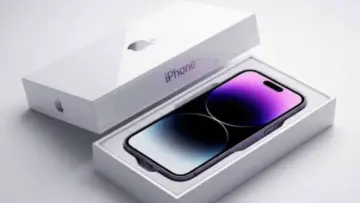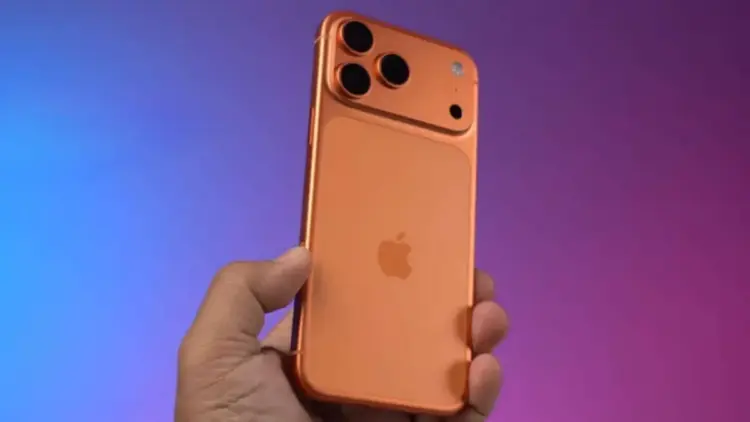
NEW DELHI, October 8, 2026 – The launch of Apple’s latest flagship, the iPhone 17 Pro, has once again set a new benchmark for premium smartphone technology, accompanied by a sticker price that positions it firmly in the luxury segment. With a base price of Rs 1,34,900 in India, the device represents a significant investment for most consumers. However, as the festive season unfurls its vibrant tapestry across the nation, an extraordinary opportunity has emerged for tech enthusiasts: acquiring the iPhone 17 Pro at an astonishing effective price point, potentially as low as Rs 57,000. This dramatic reduction, almost 60% off the retail value, is not a simple price cut but a meticulously orchestrated combination of exchange offers, lucrative bank discounts, and special festive bonuses, highlighting a strategic shift in how high-end electronics are marketed and sold in one of the world’s most dynamic consumer markets.
This article delves into the intricate mechanics behind these unprecedented offers, examining how savvy consumers can navigate the festive sales landscape to secure Apple’s latest marvel for a fraction of its original cost. From the crucial role of trade-ins and the specific value assigned to older models to the strategic partnerships with leading banks and the competitive landscape among major retailers, we unravel the layers of discounts that culminate in this remarkable proposition. Beyond the immediate savings, we explore the broader implications of such aggressive pricing strategies for Apple’s market penetration in India, the evolving consumer purchasing behaviour, and the future of premium smartphone affordability in a nation increasingly hungry for cutting-edge technology.
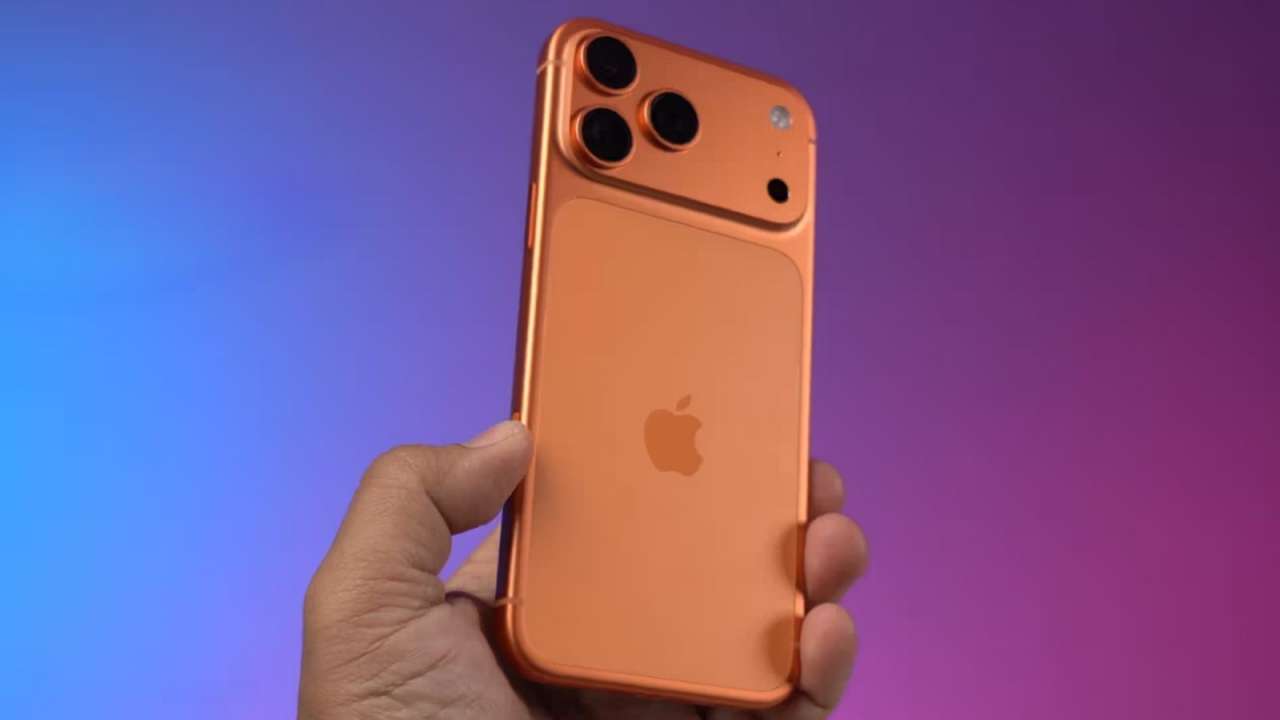
The Allure of Affordability: Unpacking the iPhone 17 Pro’s Festive Price Drop
The iPhone 17 Pro, a pinnacle of mobile innovation, boasts a suite of advanced features, from its next-generation A-series chip and enhanced camera system with revolutionary computational photography capabilities to its durable design and vibrant ProMotion display. Yet, for many aspirational Indian consumers, the initial price tag of Rs 1,34,900 remains a formidable barrier. The current festive sales, however, are dismantling this barrier through a multi-pronged discount strategy.
The core of this strategy revolves around transforming the perceived value of an old smartphone into a substantial discount on the new iPhone. Unlike traditional price reductions, this model leverages the existing inventory of older devices in consumers’ hands, encouraging an upgrade cycle that benefits both the buyer and the retailer. The effective price of Rs 57,000 to Rs 70,000 is achieved by stacking various offers, making the acquisition of this premium device surprisingly accessible. This approach underscores a growing trend in the Indian market where consumers are increasingly sophisticated in their purchasing decisions, often waiting for strategic sales periods to make significant investments in technology. The allure is not merely about owning the latest iPhone but doing so with a sense of financial prudence, optimizing every rupee spent through smart leveraging of available offers.
A Strategic Evolution: The Chronology of Premium Smartphone Accessibility
The journey of premium smartphones, particularly Apple iPhones, in the Indian market has been one of gradual evolution, marked by strategic adaptations to local economic realities and consumer behaviour. Historically, iPhones were exclusively seen as luxury items, often purchased by a niche affluent segment. However, over the past decade, Apple has made concerted efforts to expand its footprint in India, recognizing the immense potential of its burgeoning middle class and tech-savvy youth demographic.
Early Inroads and Pricing Challenges (2010s): In its initial years, Apple faced significant challenges due to high import duties and a predominantly price-sensitive market. Direct price cuts were rare, and promotions were often limited to carrier bundles or modest cashback offers. The concept of large-scale exchange programs was nascent, and their value often failed to significantly bridge the price gap.

The Rise of E-commerce and Structured Offers (Mid-2010s): The mid-2010s saw the explosive growth of e-commerce platforms like Flipkart and Amazon (which launched its Great Indian Festival in 2014) in India. These platforms, alongside traditional brick-and-mortar retailers like Croma and Reliance Digital, began experimenting with more aggressive sales tactics during major festivals like Diwali, Holi, and the Republic Day. This period marked the introduction of more structured bank offers, often in partnership with leading Indian banks, providing instant discounts or cashback. The first significant exchange programs also started gaining traction, albeit with lower valuations for older phones.
The Era of Stackable Discounts (Late 2010s – Early 2020s): As competition intensified and the Indian market matured, retailers and brands realized the power of stackable discounts. Instead of isolated offers, consumers could now combine exchange values with bank offers and sometimes even an additional exchange bonus. This period saw a noticeable increase in the value offered for older premium phones, making upgrades more attractive. Apple itself began to play a more active role in facilitating these offers through its distribution network, understanding that localized pricing strategies were crucial for deeper market penetration.

The "Effective Price" Revolution (Mid-2020s onwards): The current strategy, exemplified by the iPhone 17 Pro’s festive pricing, represents the zenith of this evolution. The focus has shifted from mere "discounts" to presenting an "effective price" that is dramatically lower than the MRP. This requires a sophisticated interplay between the brand (Apple), the retailers (online and offline), and financial institutions. The timing is meticulously chosen to coincide with major festive sales, such as the upcoming Diwali season and the preceding "Big Billion Days" or "Great Indian Festival" events, which typically run from late September through November. During these peak shopping periods, consumer spending is at its highest, and the appetite for premium purchases, when coupled with attractive offers, sees a significant surge.
For the consumer, the chronology of acquiring such a deal typically involves:

- Anticipation: Tracking retailer announcements for major festive sales.
- Research: Comparing exchange values across platforms for their specific old device.
- Bank Offer Alignment: Identifying eligible bank cards and their associated discounts.
- Timely Action: Making the purchase during the limited window when all offers are simultaneously active and inventory is available.
This strategic evolution underscores a broader market trend: for premium products to thrive in a diverse market like India, pricing strategies must be dynamic, responsive, and ultimately, offer compelling value propositions that go beyond mere sticker price adjustments.
Dissecting the Savings: Supporting Data and Mechanics of the Discount
Achieving the sub-Rs 70,000 effective price for an iPhone 17 Pro requires a precise understanding and execution of the available offers. The overall discount structure is meticulously designed to maximize perceived value while stimulating sales volumes during peak consumer spending periods.

1. Exchange Value for Old Smartphones (The Cornerstone):
The most significant component of the discount comes from trading in an old smartphone. The value assigned to the old device is highly variable and depends on several critical factors:
- Brand and Model: Newer, premium models from Apple (e.g., iPhone 14 Pro, iPhone 15 series) or high-end Android flagships (e.g., Samsung Galaxy S24 Ultra, Google Pixel 8 Pro) fetch the highest values.
- Age: Newer devices naturally command better prices.
- Storage Variant: Higher storage variants of the traded-in phone can sometimes influence the exchange value positively.
- Condition: This is paramount. A phone in "excellent" condition (no visible damage, fully functional, original display, etc.) will receive the maximum quoted value. Devices with minor wear and tear, screen cracks, or functional issues will see a significant reduction in their assessed value.
- Retailer: Different retailers may have slightly varying valuation matrices.
According to preliminary data from major retailers like Reliance Digital, Croma, and Flipkart, eligible premium phones can command an exchange value ranging from Rs 44,500 to Rs 55,000. For instance, an iPhone 15 Pro in pristine condition could easily fetch towards the higher end of this spectrum, while an iPhone 14 Pro Max might fall in the mid-range. Older Android flagships from 2-3 years ago, if in excellent condition, might still qualify for a respectable Rs 30,000-40,000, which, when combined with other offers, still results in substantial savings. This robust exchange program not only reduces the upfront cost for consumers but also feeds into the burgeoning refurbished smartphone market, creating a sustainable ecosystem for older devices.

2. Additional Exchange Bonus (The Festive Boost):
Beyond the base exchange value, retailers are offering an attractive additional exchange bonus of Rs 10,000 to Rs 12,000 during these festive sales. This bonus is a limited-time incentive, specifically designed to accelerate purchasing decisions during the high-volume sales period. It’s often contingent on exchanging certain eligible models (usually recent flagships) and can be seen as the retailer’s contribution to sweeten the deal, absorbing a portion of the discount to drive sales. This bonus effectively pushes the total trade-in benefit (exchange value + bonus) to an impressive Rs 54,500 to Rs 67,000 for top-tier trade-ins.
3. Bank Offers (The Instant Rebate):
Another critical layer of savings comes from partnerships with leading banks. These offers typically include instant discounts or cashback ranging from Rs 3,000 to Rs 4,000 on credit and debit card transactions. These are often applicable across a wide range of banks (e.g., HDFC Bank, ICICI Bank, SBI, Axis Bank) and are valid for both EMI and full payment options. Furthermore, "No-Cost EMI" options, which allow consumers to pay for their purchase in instalments without incurring interest charges, are widely available, making the premium iPhone more manageable from a cash flow perspective. This partnership with financial institutions not only provides direct savings but also encourages responsible credit usage and broadens the purchasing power of consumers. It is crucial for consumers to verify the eligible cards and minimum transaction values before proceeding with the payment.

Illustrative Calculation (Example Scenario):
Let’s consider a consumer trading in an iPhone 15 Pro (256GB, excellent condition) and using an eligible bank credit card:
- iPhone 17 Pro Base Price: Rs 1,34,900
- Exchange Value (iPhone 15 Pro): Rs 52,000 (estimated)
- Additional Exchange Bonus: Rs 12,000
- Bank Instant Discount: Rs 4,000
Total Discount: Rs 52,000 + Rs 12,000 + Rs 4,000 = Rs 68,000

Effective Price: Rs 1,34,900 – Rs 68,000 = Rs 66,900
This example clearly demonstrates how the stacked offers bring the price down significantly, placing the iPhone 17 Pro within reach of a much wider audience. The variation in the final effective price (Rs 57,000 to Rs 70,000) largely depends on the specific model and condition of the phone being exchanged. A top-tier trade-in, combined with the highest possible bank discount, can indeed push the effective price towards the lower end of this remarkable range.

Voices from the Market: Official Responses and Expert Perspectives
While Apple rarely comments directly on specific retailer promotions, the current aggressive pricing strategy during festive sales reflects a broader, long-term approach to the Indian market.
Apple’s Strategy:
An unnamed industry insider, familiar with Apple’s India strategy, commented, "Apple’s commitment to the Indian market is unwavering. While our products set global price benchmarks, we understand the unique dynamics of diverse markets. Our strategy involves working closely with our retail partners to create value propositions that resonate with local consumers, especially during key festive periods. The focus is on making our ecosystem accessible while maintaining the premium brand experience." This suggests an implicit approval and perhaps even strategic guidance from Apple to its distribution channels to implement such attractive bundled offers.

Retailer Perspectives:
Leading retailers are at the forefront of these offers, leveraging them to drive significant sales volumes.
A spokesperson for Reliance Digital stated, "The festive season is paramount for consumer electronics. Our aim is to provide unparalleled value. By combining robust exchange programs with exclusive bank tie-ups and our own festive bonuses, we ensure that premium devices like the iPhone 17 Pro are not just aspirational but attainable for a larger segment of our customers. We’ve seen tremendous traction with these stacked offers."
An executive from Croma echoed similar sentiments, "We observe a distinct consumer behaviour pattern during festivals. Shoppers are more inclined to make high-value purchases if they perceive significant savings. Our ‘Festive Tech Extravaganza’ is designed precisely for this – to offer a comprehensive package that makes upgrading to the latest iPhone a truly rewarding experience. Our robust backend systems ensure smooth processing of exchanges and instant discounts."

Flipkart, a dominant e-commerce player, emphasized the digital convenience. "Our Big Billion Days sale is all about bringing the best deals to millions of Indian homes. For products like the iPhone 17 Pro, the combination of attractive exchange values, instant bank discounts, and no-cost EMI options makes it an irresistible proposition. We focus on transparency in trade-in evaluations and seamless digital transactions to enhance the customer journey," commented a representative from their electronics division.
Market Analyst Insights:
Industry analysts view these strategies as crucial for Apple’s continued growth in India. "India is a growth engine for premium smartphones," says Rohan Singh, a senior analyst at TechMarket Insights. "However, direct price parity with global markets is often a challenge due to duties and taxes. Retailer-led bundled offers, especially during festive seasons, effectively bridge this gap without diluting Apple’s global pricing structure. It’s a smart play that allows Apple to gain market share in the premium segment, increase its installed user base, and drive future ecosystem revenue."

He adds, "The trade-in ecosystem is becoming incredibly sophisticated. The high exchange values offered for recent iPhones indicate a healthy secondary market for these devices, which further supports the overall strategy. It’s a win-win: consumers get new tech, retailers move inventory, and Apple expands its reach." These expert opinions reinforce the notion that these seemingly generous offers are, in fact, well-calculated business strategies designed to penetrate a critical growth market.
Far-Reaching Implications: The Ripple Effect of Festive Affordability
The aggressive pricing strategy for the iPhone 17 Pro during the festive season carries significant implications across various facets of the technology and consumer landscape in India.

1. For Consumers: Democratizing Premium Technology
The most immediate beneficiaries are consumers. These offers make cutting-edge technology, previously out of reach for many, significantly more accessible. This democratization of premium devices allows a wider segment of the population to experience Apple’s ecosystem, potentially leading to increased brand loyalty and a higher propensity for future upgrades within the Apple family. The availability of no-cost EMI options further eases the financial burden, allowing consumers to manage their budgets effectively while enjoying instant gratification. However, consumers must also be vigilant about the terms and conditions, especially regarding the assessment of their old phone’s condition, to avoid disappointment. Transparency in the trade-in process is key to a positive customer experience.
2. For Apple: Strategic Market Penetration and Ecosystem Growth
For Apple, India represents one of its most critical growth markets. By facilitating such attractive "effective pricing," Apple can significantly increase its market share in the premium smartphone segment, challenging dominant Android players. A larger installed base in India translates into greater opportunities for revenue from services (App Store, Apple Music, iCloud), accessories (AirPods, Apple Watch), and future device upgrades. It also helps in cultivating a loyal customer base that is likely to remain within the Apple ecosystem, driving long-term value. This strategy allows Apple to maintain its premium global brand image while adapting to local market realities.

3. For Retailers: Sales Boost and Inventory Management
For retailers like Reliance Digital, Croma, and Flipkart, these festive offers are instrumental in driving massive sales volumes during peak periods. The allure of a premium device at a discounted price acts as a powerful footfall and traffic generator, both online and offline. Moreover, the exchange program helps retailers manage inventory by facilitating the trade-in of older devices, which can then be channelled into the refurbished market, adding another revenue stream. The competitive nature of these offers also forces retailers to innovate and provide the most compelling packages to attract customers.
4. For the Broader Smartphone Market: Competitive Pressure and Innovation
The aggressive pricing of the iPhone 17 Pro during festive sales puts significant competitive pressure on other premium Android manufacturers. To remain competitive, these brands might need to re-evaluate their own pricing strategies, introduce more aggressive trade-in programs, or enhance their value propositions. This competition ultimately benefits consumers by driving innovation and affordability across the entire premium smartphone segment. The robust trade-in ecosystem also highlights the growing importance of the circular economy in electronics, providing a second life for older devices and potentially reducing electronic waste.

5. Economic Implications: Boosting Consumer Spending and E-commerce
On a macro-economic level, such widespread festive sales for high-value items contribute significantly to consumer spending, providing a boost to the retail sector and the broader economy. The seamless integration of online and offline channels for these offers further strengthens the e-commerce ecosystem, pushing logistical and technological boundaries. The availability of credit options like no-cost EMIs also plays a role in stimulating demand, making large purchases more manageable for households.
In conclusion, the availability of the iPhone 17 Pro at an effective price of Rs 57,000 to Rs 70,000 during the festive season is more than just a fleeting deal; it’s a testament to the evolving dynamics of the Indian consumer electronics market. It showcases a sophisticated interplay of strategic pricing, innovative retail partnerships, and a deep understanding of consumer aspirations. As India continues its trajectory as a global economic powerhouse, such initiatives will undoubtedly play a pivotal role in shaping how premium technology is adopted and integrated into the lives of millions. For the discerning buyer, this festive season presents an unparalleled opportunity to embrace the future of mobile technology without the traditional premium price tag.