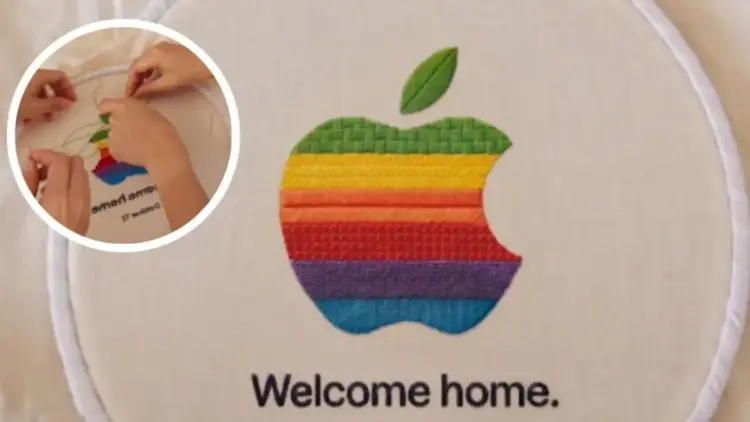
New York, NY – Apple Inc. is poised to significantly escalate its presence in the burgeoning smart home market with its much-anticipated "Welcome Home" event, scheduled for October 13, 2026. Set to unfold at 9 AM ET (6:30 PM IST) in New York, this event is not being branded as a traditional product keynote but rather an "Apple Experience," signaling a potentially more immersive and thematic presentation focused squarely on home innovation. Industry analysts and consumers alike are eagerly awaiting the unveiling of a new HomePad hub, an updated HomePod mini, and a refreshed Apple TV 4K, all designed to weave a more cohesive and intelligent Apple-centric living environment.
The event’s underlying theme, subtly hinted at by Apple’s marketing chief Greg Joswiak through a retro Apple logo on X, suggests a strong emphasis on the Thread smart home standard. This focus is expected to bring enhanced interoperability and reliability to Apple’s home ecosystem, a critical step in competing with established players like Amazon and Google. As Apple seeks to redefine the contours of modern living, the "Welcome Home" event promises to be a pivotal moment for the tech giant’s smart home ambitions.
Main Facts: Redefining the Connected Home
Apple’s "Welcome Home" event on October 13, 2026, is set to be a landmark occasion, signaling a significant strategic pivot towards deeper integration within the smart home sector. The core focus will be on new and enhanced hardware designed to serve as the central nervous system of a modern, intelligent household.
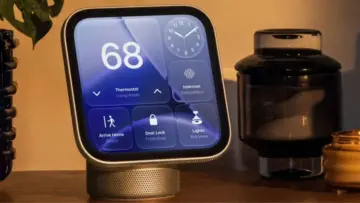
The centerpiece of the presentation is widely expected to be the debut of a revolutionary new device, tentatively named "HomePad." This innovative product is envisioned as Apple’s first dedicated home hub, distinguishing itself from the existing HomePod speaker line. Rumors suggest it will feature a substantial 6-inch display, indicating a shift towards visual interaction and control for smart home functions. The HomePad is anticipated to be available in two distinct form factors: a sleek, wall-mountable variant for seamless integration into home decor, and a more traditional tabletop model equipped with a speaker base, offering versatility in placement and utility.
Accompanying the HomePad will be significant updates to two of Apple’s existing smart home mainstays. The HomePod mini, Apple’s compact smart speaker, is slated for a refresh that promises enhanced performance and connectivity without drastically altering its beloved design. Similarly, the Apple TV 4K, the company’s premium streaming and entertainment hub, is expected to receive a powerful upgrade, further cementing its role not just as an entertainment device but also as a foundational component of the smart home ecosystem.
Beyond the hardware, the "Apple Experience" branding itself is a crucial detail. Unlike the typical high-speed, multi-product keynotes, this event format implies a more curated and perhaps even interactive demonstration of how these new devices integrate into daily life. It suggests a focus on the user journey and the holistic benefits of an Apple-powered smart home, rather than just a recitation of specifications. Marketing chief Greg Joswiak’s cryptic teaser on X, featuring a retro Apple logo and the "Welcome Home" tagline, further reinforces the notion of a return to foundational principles and a deep dive into the essence of home connectivity, particularly through the lens of the Thread smart home standard. This standard is crucial for creating a more robust, reliable, and interoperable smart home environment, signaling Apple’s commitment to industry-wide compatibility while retaining its signature user experience.

Chronology: From Teaser to Transformative Unveiling
The journey to Apple’s "Welcome Home" event on October 13, 2026, has been characterized by a familiar blend of subtle hints, strategic leaks, and burgeoning anticipation, a hallmark of Apple’s pre-launch marketing playbook.
The Buildup: From Cryptic Teaser to Industry Speculation
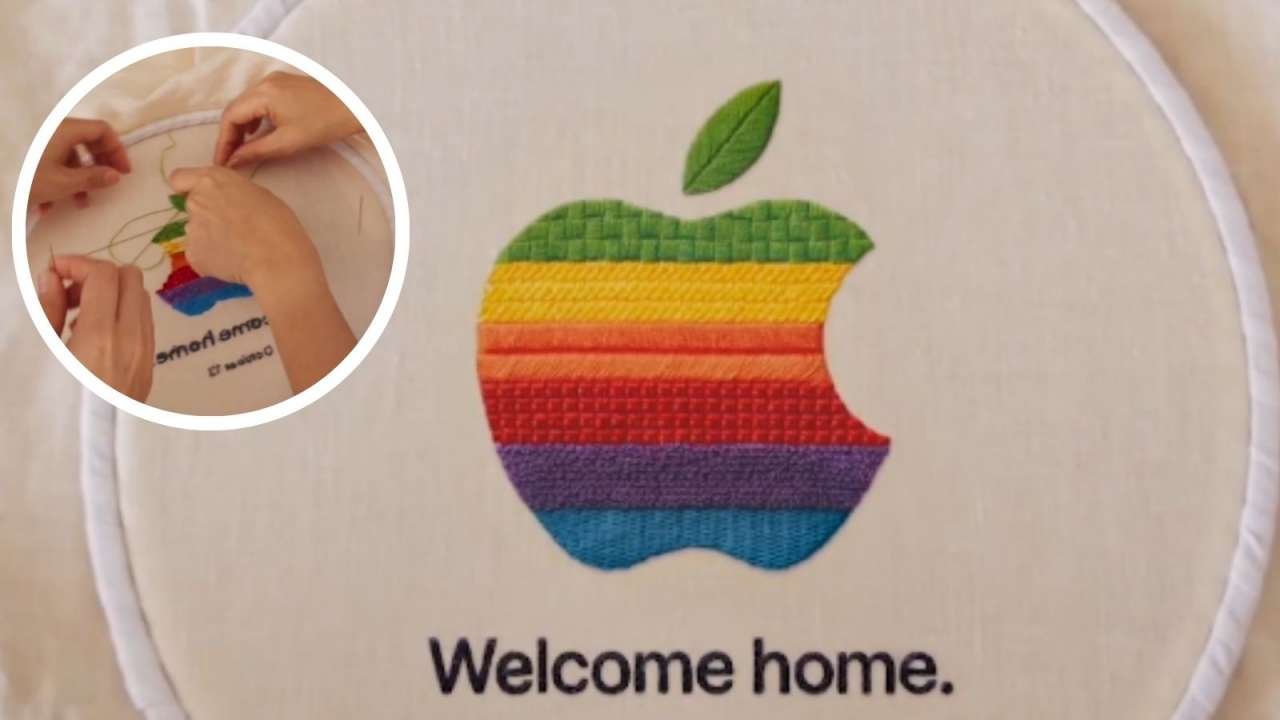
The initial spark for the "Welcome Home" event ignited with a cryptic post from Greg Joswiak, Apple’s Senior Vice President of Worldwide Marketing, on the social media platform X. On October 8, 2026, Joswiak shared a graphic featuring a retro Apple logo, reminiscent of the company’s iconic rainbow-striped emblem, accompanied by the enigmatic phrase "Welcome Home." This seemingly simple message immediately set the tech world abuzz.

The use of the retro logo was interpreted by many as a nod to Apple’s foundational design principles and its long-standing commitment to user-centric innovation, hinting that the upcoming announcements would be significant and perhaps even redefine a core aspect of Apple’s offerings. The "Welcome Home" tagline, on the other hand, was a clear and direct indicator of the event’s thematic focus: the smart home. This initial teaser served its purpose perfectly, generating widespread speculation across tech blogs, news outlets, and social media about the precise nature of Apple’s renewed foray into domestic technology. Analysts quickly began connecting the dots, recalling earlier patent filings, supply chain whispers, and developer conference discussions that had hinted at Apple’s ambitious plans for a more integrated and intuitive smart home ecosystem. The collective anticipation was further fueled by the revelation that the event would highlight the Thread smart home standard, a move signifying Apple’s commitment to broader interoperability and a more robust foundation for connected devices.
The Event Itself: October 13th, 2026 – An "Apple Experience"
The event itself, scheduled for October 13th, 2026, in New York, at 9 AM ET, promises a departure from Apple’s conventional keynote format. Billed as an "Apple Experience" rather than a standard product launch, this branding suggests a deeper, more immersive demonstration of how Apple’s new smart home offerings will integrate into daily life.

Attendees, and those watching globally via livestream, can expect a meticulously choreographed presentation designed to showcase the synergy between the new HomePad hub, the updated HomePod mini, and the refreshed Apple TV 4K. Unlike keynotes that often rapidly cycle through multiple product categories, the "Apple Experience" is likely to focus intensively on scenarios and user stories, illustrating the practical benefits of a unified smart home. This might involve extended demonstrations of features like the HomePad’s visual interface for controlling smart devices, its camera functionality for FaceTime calls and recipe guidance, and the enhanced AI capabilities of Siri across all new devices. The presentation is expected to delve into the technical underpinnings, particularly the role of the Thread standard, in a way that highlights reliability, security, and ease of use. The goal will be to paint a compelling picture of a future where the home responds intelligently and intuitively to its inhabitants, all orchestrated by Apple’s ecosystem.
Post-Event Outlook: Phased Rollouts and Future Horizons
The "Welcome Home" event on October 13th is just the beginning of Apple’s ambitious smart home rollout. Reports suggest that the immediate product announcements will be followed by a phased release of related accessories and potentially another major event.

While the new HomePad, HomePod mini, and Apple TV 4K are expected to be the immediate stars, information indicates that LG-related accessories, including an indoor camera, a smart thermostat, and a video doorbell, are also being teased. These complementary products, likely leveraging Apple’s HomeKit framework and the Thread standard, are anticipated to go on sale a few months after the October 13th event, gradually expanding the breadth of Apple’s smart home offerings. This staggered approach allows Apple to build momentum and progressively enrich its ecosystem.
Furthermore, the original report hints at another significant Apple presentation slated for October 27th. This subsequent event is rumored to focus on other core product categories, specifically new Macs and an OLED iPad mini. This strategy of separating major announcements into thematic events underscores Apple’s increasing product portfolio and its desire to give each category its dedicated spotlight, preventing dilution of focus. It positions the "Welcome Home" event as a singular, powerful statement about Apple’s commitment to the smart home, with other significant hardware updates to follow shortly thereafter, completing a busy and transformative autumn product cycle for the company.

Supporting Data: The Pillars of Apple’s Smart Home Vision
The anticipated product launches at the "Welcome Home" event are not merely incremental updates but represent a significant strategic investment in Apple’s smart home ecosystem. Each device is poised to play a critical role in weaving a more integrated, intuitive, and secure connected living experience.
The HomePad Hub: A Central Pillar of Apple’s Ecosystem
The rumored "HomePad" hub is undoubtedly the main highlight, representing Apple’s boldest move yet into the dedicated smart display category. This device is envisioned as the central command center for the Apple-powered smart home, a direct challenge to established devices like the Google Nest Hub Max and Amazon Echo Show.

- Design and Form Factor: The anticipation of a 6-inch screen is pivotal, indicating a shift from purely auditory interaction to a rich visual interface. The proposed two models – a wall-mountable version and a tabletop model with a speaker base – highlight Apple’s attention to both aesthetics and versatility. The wall-mountable option could seamlessly blend into kitchens or hallways, offering always-on access to smart home controls and information without occupying counter space. The tabletop version, with its integrated speaker, would likely serve as a more traditional media and communication hub.
- Operating System and Interface: Operating on "homeOS," which is reportedly based on tvOS, suggests a familiar, intuitive, and visually rich user experience. The integration of widgets, Apple apps, a calendar, and dedicated smart home controls would transform the HomePad into a dynamic information and control panel. Users could glance at their daily schedule, check weather, view security camera feeds, and adjust lighting or thermostat settings all from a single, integrated display. The tvOS foundation implies strong multimedia capabilities, potentially allowing for video streaming or even casual gaming.
- Advanced Functionality and Connectivity: The inclusion of a camera is a critical feature, opening up possibilities for FaceTime calls directly from the hub, a convenient feature for staying connected with family. Furthermore, the camera could facilitate interactive recipe videos in the kitchen, adding a new dimension to culinary activities. The rumored presence sensors, coupled with voice and facial recognition, are highly sophisticated. These features could allow the HomePad to automatically identify family members as they enter a room, personalize greetings, tailor content, or even adjust home settings based on individual preferences and presence, offering a truly personalized smart home experience.
- Pricing and Market Position: With an anticipated starting price of approximately USD 350 (roughly Rs 33,000), the HomePad would be positioned at the premium end of the smart display market. This pricing strategy is consistent with Apple’s brand identity, signaling a commitment to high-quality hardware, robust software, and a premium user experience. It reflects the device’s anticipated advanced features and its role as a central hub in a sophisticated smart home ecosystem.
Revitalizing the HomePod Mini and Apple TV 4K
Beyond the HomePad, the "Welcome Home" event will also spotlight significant enhancements to Apple’s existing smart home offerings, ensuring they remain competitive and deeply integrated.
- HomePod Mini Refresh: The updated HomePod mini is expected to retain its compact design but receive substantial internal upgrades. A faster processor will improve Siri’s responsiveness and overall performance. The inclusion of an N1 networking chip, Wi-Fi 7, and Bluetooth 6 promises cutting-edge connectivity, ensuring faster, more reliable wireless communication. Crucially, Thread support will enable the HomePod mini to act as a border router for Matter-compatible devices, significantly enhancing its role in a modern smart home. New colors could also refresh its aesthetic appeal, while enhanced AI features for Siri will make the voice assistant even more capable and context-aware.
- Apple TV 4K Upgrade: The new Apple TV 4K is anticipated to be a powerhouse, leveraging an N1 chip alongside a potent A19 or A19 Pro chip and up to 12GB of RAM. This significant bump in processing power and memory will not only improve streaming performance and enable more sophisticated gaming experiences but also bolster its capabilities as a smart home hub. Enhanced Siri AI functions will allow for more intuitive control over smart home devices and deeper integration with other Apple services, making the Apple TV 4K an even more versatile device at the heart of the living room.
The Thread Standard and Seamless Integration
The consistent mention of "Thread support" across the new HomePad and updated HomePod mini is a critical detail. Thread is an IP-based, low-power mesh networking technology designed specifically for smart home devices. Its key advantages include:

- Reliability: Unlike Wi-Fi, which can be prone to interference, Thread creates a self-healing mesh network, meaning if one device goes offline, others can route around it, ensuring continuous connectivity.
- Speed and Responsiveness: Thread devices wake instantly and respond quickly, crucial for applications like smart lighting or security sensors.
- Interoperability (via Matter): Thread is a foundational technology for Matter, the new universal smart home standard. By embracing Thread, Apple is positioning its devices to seamlessly integrate with a wider array of Matter-certified products from various manufacturers, moving away from proprietary walled gardens towards a more open, yet secure, smart home future. This is a significant strategic move that will benefit both consumers and the broader smart home industry.
Beyond the Core: Anticipated Accessories and Future Roadmaps
The "Welcome Home" event is expected to lay the groundwork for a broader expansion of Apple’s smart home ecosystem. Reports teasing LG-related accessories, such as an indoor camera, a smart thermostat, and a video doorbell, indicate Apple’s intent to offer a comprehensive suite of first- and third-party solutions. These accessories, likely leveraging Apple’s HomeKit Secure Video and Matter over Thread capabilities, will further solidify the iPhone, HomePod, and Apple TV as central controllers for an entire smart home environment.
Furthermore, the mention of a separate event on October 27th for new Macs and an OLED iPad mini highlights Apple’s broader product roadmap. This strategic separation allows the "Welcome Home" event to maintain an undivided focus on smart home innovations, underscoring their importance within Apple’s overall strategy, while still ensuring other significant product updates receive their due attention.

Official Responses: The Art of the Tease
In the meticulously managed world of Apple product launches, direct and explicit official responses regarding unreleased products are rare. Instead, the company masterfully employs a strategy of carefully orchestrated teasers, cryptic hints, and selective information dissemination to build anticipation without pre-empting the grand reveal. The "Welcome Home" event is no exception to this established pattern.
Greg Joswiak’s Cryptic Tease and Apple’s Messaging
The most concrete "official response" leading up to the October 13th event came from Greg Joswiak, Apple’s Senior Vice President of Worldwide Marketing. On October 8, 2026, Joswiak posted a brief message on X accompanied by an image featuring a retro Apple logo, stating, "Welcome Home." This seemingly innocuous post was, in fact, a masterclass in strategic communication, rich with layers of meaning and implications.

The "Welcome Home" tagline was the most direct clue, immediately signaling the event’s primary focus on smart home technology. It evokes a sense of comfort, familiarity, and a seamless integration of technology into the personal sanctuary of one’s living space. It positions Apple not just as a technology provider, but as a facilitator of an enhanced, more intuitive domestic life.
The retro Apple logo was particularly intriguing. This emblem, harking back to Apple’s early days, carries significant symbolic weight. It suggests a return to foundational principles, perhaps implying that Apple is revisiting the core essence of what makes a product "Apple"—simplicity, elegance, and user-centric design—as it delves deeper into the smart home. It could also signify a "full circle" moment, where Apple’s original vision for integrated technology is finally realized in the context of the modern connected home. For many, it hinted at a revolutionary, rather than evolutionary, approach to smart home solutions, echoing the transformative impact of early Apple products.

The very nature of Joswiak’s communication – a short, visually evocative post on social media – is typical of Apple’s pre-event marketing. It’s designed to spark conversation, generate speculation, and build organic hype without divulging specific product details, allowing the official presentation to deliver the full impact.
Absence of Direct Confirmation: Apple’s Pre-Event Norm
It is standard practice for Apple to maintain a tight veil of secrecy around upcoming products. The company rarely, if ever, confirms product specifications, features, or even names prior to an official launch event. This disciplined approach serves several purposes:

- Maximizing Impact: By withholding details, Apple ensures that the unveiling at the event is fresh and impactful, capturing global attention.
- Controlling the Narrative: Apple prefers to tell its own story, in its own way, during its meticulously choreographed presentations, rather than allowing piecemeal leaks to define the public perception of its products.
- Building Anticipation: The mystery surrounding new products fuels speculation and generates a fever pitch of excitement among tech enthusiasts and the broader public.
Therefore, the lack of explicit "official responses" beyond Joswiak’s tweet is not an anomaly but rather an expected part of Apple’s communication strategy. All information preceding the event, such as the rumored specifications for the HomePad, HomePod mini, and Apple TV 4K, originates from supply chain sources, industry analysts, patent filings, and reliable leakers, rather than direct statements from Apple itself.
Historical Precedent: Teasers Leading to Transformation
Apple’s history is replete with examples where subtle teasers preceded groundbreaking product launches. From the original iPhone’s enigmatic marketing to the Apple Watch’s initial hints, the company has consistently used understated cues to signal significant shifts. The "Welcome Home" event’s pre-release strategy aligns perfectly with this historical pattern, suggesting that the announcements on October 13th are not just incremental updates but represent a substantial and strategic leap for Apple in the smart home domain. The "Apple Experience" branding further solidifies this, promising a holistic demonstration of a new vision for integrated living, rather than a mere product showcase.

Implications: Shaping the Future of Smart Living
The "Welcome Home" event on October 13, 2026, holds profound implications not just for Apple, but for the broader smart home industry, consumer expectations, and the ongoing evolution of connected living.
Shaping the Smart Home Landscape
Apple’s deep dive into the smart home market, spearheaded by the HomePad hub and bolstered by the HomePod mini and Apple TV 4K, is poised to significantly influence the competitive landscape. With its formidable brand power, vast ecosystem, and commitment to privacy, Apple could rapidly accelerate mainstream adoption of smart home technology.

- Competition and Innovation: The introduction of a feature-rich HomePad, especially with its visual interface, advanced sensors, and potential for personalized interactions, will undoubtedly intensify competition with Amazon (Echo Show) and Google (Nest Hub Max). This increased rivalry is likely to spur further innovation across the industry, leading to more sophisticated, user-friendly, and interoperable smart home devices from all players.
- Standardization and Interoperability: Apple’s strong embrace of the Thread standard and, by extension, the Matter protocol, is a game-changer. For years, the smart home market has been fragmented by proprietary standards and compatibility issues. By throwing its weight behind an open, universal standard, Apple is signaling a future where devices from different manufacturers can communicate seamlessly. This move will significantly reduce complexity for consumers and could accelerate the consolidation of the smart home market around Matter, fostering a more harmonious and less frustrating user experience.
- Premium Segment Growth: Apple’s consistent positioning in the premium segment, exemplified by the HomePad’s anticipated $350 price point, will likely drive growth and innovation at the higher end of the market. This could encourage other manufacturers to elevate their design, build quality, and feature sets to compete with Apple’s perceived excellence.
Apple’s Ecosystem Lock-in and Expansion
The new smart home devices are strategically designed to further strengthen Apple’s already robust ecosystem, creating more touchpoints for users and enhancing loyalty.
- Enhanced Ecosystem Stickiness: The HomePad, HomePod mini, and Apple TV 4K will integrate deeply with existing Apple services and devices – iPhones, iPads, Apple Watch, and iCloud. Features like FaceTime camera on the HomePad, shared calendars, Apple Music, and HomeKit Secure Video create a compelling reason for users to remain within the Apple ecosystem and even expand their device collection.
- New User Acquisition: A truly seamless and intuitive smart home experience powered by Apple could attract new users who may have been hesitant to embrace smart home technology due to complexity or privacy concerns. Apple’s reputation for ease of use and strong privacy policies could serve as a significant draw for these potential customers, expanding its market reach beyond its traditional user base.
- Developer Opportunities: A new "homeOS" based on tvOS and a dedicated HomePad hub will open up new avenues for developers to create innovative applications and experiences tailored specifically for the home environment, further enriching Apple’s platform.
User Experience and Privacy: Apple’s Differentiating Factor
Apple has consistently championed user privacy as a core differentiator, and this ethos is expected to be paramount in its smart home offerings.

- Privacy-First Design: Features like presence sensors, voice recognition, and facial recognition, while highly convenient, raise significant privacy questions. Apple is expected to implement these technologies with on-device processing and robust encryption, minimizing data collection and ensuring user control over personal information. This focus on privacy could be a key selling point against competitors who have faced scrutiny over data handling.
- Intuitive Control: The "Apple Experience" branding suggests an emphasis on a fluid and intuitive user interface. The HomePad’s visual display, combined with enhanced Siri AI, aims to make managing a complex smart home as simple as using an iPhone.
- Personalization and Security: The ability to identify family members through voice and facial recognition could enable unprecedented levels of personalization within the home, from tailored content recommendations to automatic adjustment of environmental settings. However, Apple will need to meticulously balance this personalization with stringent security measures to prevent unauthorized access or misuse of data.
Economic Impact and Market Shifts
The "Welcome Home" event could trigger substantial economic shifts within the consumer electronics and smart home sectors.
- Sales Projections: The launch of a new, category-defining product like the HomePad, alongside popular refreshes, is likely to generate significant sales for Apple, contributing to its services and hardware revenue.
- Supply Chain Effects: Increased demand for smart home components will benefit Apple’s suppliers and manufacturing partners.
- Retail and Installation Services: The complexity of smart home installations could also boost demand for professional setup services, creating opportunities for third-party businesses.
- Impact on Competitors: While driving innovation, Apple’s aggressive entry could also put pressure on competitors, potentially leading to market share shifts and increased consolidation among smaller smart home players.
The "Apple Experience" and Future Event Formats
The branding of this event as an "Apple Experience" rather than a traditional keynote is itself a significant implication. It suggests Apple is evolving its communication strategy to deliver more focused, thematic, and perhaps more interactive presentations. This could be a model for future product launches, allowing Apple to dedicate more time and creative energy to showcasing the holistic benefits and user journey of specific product categories, rather than rushing through a laundry list of updates. It emphasizes the experience of using Apple products over just their technical specifications.

In conclusion, Apple’s "Welcome Home" event is far more than a simple product launch. It represents a strategic declaration of intent, a vision for a deeply integrated, intelligent, and user-friendly smart home ecosystem. By combining innovative hardware with a strong commitment to industry standards and user privacy, Apple is not just entering the smart home race; it’s aiming to redefine its finish line, promising a future where our homes are not just connected, but truly welcoming and intuitive.