WELLINGTON, New Zealand – November 17, 2026 – As the euphoria of successive white-ball series victories against New Zealand settles, Team India is bracing for the ultimate challenge: a two-match Test series on New Zealand’s often unforgiving pitches. Ahead of the crucial first Test at the iconic Basin Reserve in Wellington, scheduled for November 19, the Board of Control for Cricket in India (BCCI) has announced a significantly altered squad, headlined by the much-anticipated return of pace spearhead Jasprit Bumrah and the strategic release of left-arm wrist-spinner Kuldeep Yadav. This reshuffle underscores India’s intent to optimize its red-ball resources and prepare for a rigorous contest against the formidable Blackcaps.
The changes reflect a meticulous balancing act, aiming to bolster the pace attack for conditions expected to favour seam and swing, while also managing player workloads and developmental pathways. The inclusion of several promising domestic talents further signals a forward-looking approach as India navigates its commitments in the ongoing World Test Championship (WTC) cycle.
The Chronology of Selection: From Provisional to Precision
The journey to finalize India’s Test squad for the New Zealand tour has been dynamic, evolving from a broader pool of contenders to a finely tuned unit designed for the specific challenges posed by New Zealand’s cricketing landscape. Following a dominant performance in the T20I and ODI series, where India showcased exceptional adaptability and depth, the focus shifted sharply to the demands of Test cricket – a format requiring different skill sets, temperament, and strategic planning.
Initially, a larger contingent of players, including Kuldeep Yadav, Manav Suthar, Sarfaraz Khan, Saransh Jain, and Auqib Nabi, were part of the touring party, potentially as an extended squad or to provide cover and exposure across formats. However, as the Test series loomed, the selectors, in consultation with the team management, made decisive cuts and additions.

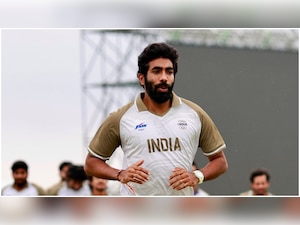
The most impactful decision was the re-integration of Jasprit Bumrah, a move that had been widely anticipated given his stature and the nature of New Zealand pitches. Bumrah’s absence from the previous Test series against Sri Lanka had been a cause for concern, but his return signifies his full fitness and readiness to lead the pace battery once again.
Conversely, the decision to release Kuldeep Yadav, despite his recent performances in white-ball cricket, indicates a strategic call. Kuldeep, who was initially named in the provisional 15-member squad, has been advised to return to India to participate in domestic cricket, specifically the Ranji Trophy. This move is aimed at ensuring he receives ample red-ball match practice, potentially refining his longer-format skills and maintaining his competitive edge in a format where his opportunities have been sporadic. Alongside Kuldeep, Manav Suthar, Sarfaraz Khan, Saransh Jain, and Auqib Nabi were also released, presumably for similar reasons – to gain valuable experience in the domestic circuit rather than warming the benches during a critical away Test series.

Further adjustments saw the inclusion of pacer Gurnoor Brar, whose impressive showing during the ODI series against the Kiwis evidently caught the selectors’ eye. His ability to extract bounce and movement, coupled with his recent form, made him a compelling choice to bolster the fast-bowling resources. These sequential decisions highlight a nuanced approach to squad selection, balancing immediate series requirements with long-term player development and management.
The Resurgence of a Spearhead: Jasprit Bumrah’s Return

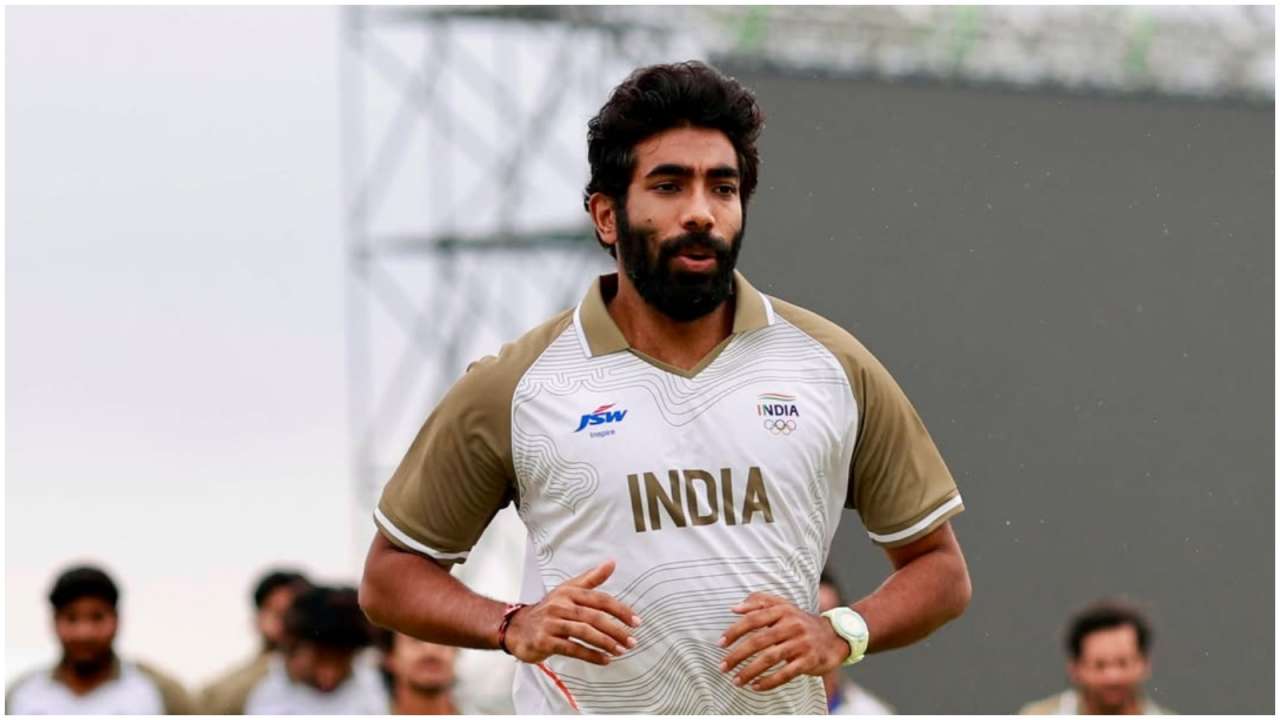
The inclusion of Jasprit Bumrah is arguably the most significant development for India’s Test squad. The 30-year-old fast bowler, renowned for his unique action, searing pace, and pinpoint accuracy, has been India’s premier Test bowler for several years. His absence from the Test arena since the home series against England earlier in the year, due to a recurring back issue, had left a noticeable void in India’s attack. His return, following a comprehensive rehabilitation program and a successful comeback in white-ball cricket, is a massive psychological boost for the team.
Bumrah’s Test record speaks for itself. With 165 wickets from 38 Tests at an impressive average of 21.36 and a strike rate of 46.3, he possesses the ability to turn matches on his own. His expertise in generating awkward bounce and movement, coupled with his lethal inswinging yorkers, makes him a potent weapon in any conditions, but particularly so on pitches that offer assistance to fast bowlers, such as those typically found in New Zealand. His last Test appearance in New Zealand was during India’s tour in 2020, where despite a challenging series for the team, Bumrah showcased glimpses of his class. His experience of these conditions will be invaluable.

For Captain Shubman Gill, Bumrah’s presence offers an unparalleled advantage. He provides not just wickets but also control, creating pressure that allows other bowlers to thrive. His ability to deliver crucial breakthroughs at any stage of the innings will be pivotal against a resilient New Zealand batting lineup. His leadership within the pace attack, mentoring younger fast bowlers, will also be an unseen but significant contribution.
A Strategic Release: Kuldeep Yadav’s Domestic Call-Up

The decision to release Kuldeep Yadav, a left-arm wrist-spinner who has shown flashes of brilliance in Test cricket, might raise eyebrows but is rooted in a strategic vision for his long-term development. Kuldeep, with 34 wickets from 11 Tests, has often struggled to find a consistent spot in India’s Test XI, particularly in overseas conditions where finger-spinners or pace-bowling all-rounders are often preferred. His last Test outing was against Sri Lanka, where he delivered a decent performance, but the team management clearly believes that a sustained run in domestic red-ball cricket will serve him better than sporadic appearances or bench duty.
The Ranji Trophy offers Kuldeep an opportunity to bowl long spells, experiment with variations, and regain confidence in the longer format. This move aligns with the BCCI’s broader policy of ensuring players get adequate match practice, especially those who are on the fringes of the national Test squad. It also underscores the competitive nature of India’s spin department, with Ravindra Jadeja and Ravichandran Ashwin (who is not part of this specific squad but remains a stalwart) often being the first-choice spinners. With Washington Sundar also in the squad, offering a different dimension with his off-spin and handy batting, the team management might have felt the balance tilted towards other options for this particular series.

A Confluence of Talent: New Faces and Fresh Prospects
Beyond the headline changes, the squad features several exciting new talents and re-entries, indicative of India’s robust domestic structure and a focus on building bench strength.

- Akash Deep: A right-arm medium-fast bowler from Bengal, Akash Deep has been a consistent performer in domestic cricket. Known for his ability to bowl long spells and generate genuine pace, he adds depth to the fast-bowling contingent. His recent performances have highlighted his control and wicket-taking ability, making him a strong contender for future Test caps.
- Anshul Kamboj: Another promising pace bowler, Kamboj’s inclusion suggests the selectors are keen on exploring various fast-bowling options. His ability to move the ball and hit good lengths consistently could be valuable in New Zealand.
- Sai Sudharsan: The young left-handed batsman from Tamil Nadu has been a revelation in recent times, excelling across formats. His elegant stroke play and calm temperament have earned him high praise. Sudharsan’s inclusion indicates he is being groomed for a potential Test future, providing another left-handed option in the top order.
- Nitish Kumar Reddy: An all-rounder from Andhra Pradesh, Reddy brings a dynamic element to the squad. His right-arm medium pace and aggressive lower-order batting could prove useful, offering versatility and balance.
- Washington Sundar: The Tamil Nadu off-spinner and left-handed batsman has been a part of India’s Test setup before, showcasing his all-round capabilities, particularly with his solid defensive batting. His inclusion provides a crucial spin option and valuable batting depth, especially given the potential for turning tracks later in the series or if conditions demand a second spinner.
- Gurnoor Brar: The young pacer was added to the squad after impressing significantly during the ODI series against New Zealand. His ability to generate pace and bounce, coupled with his disciplined line and length, earned him a direct entry into the Test squad, highlighting the selectors’ readiness to reward strong performances on tour.
The Full Roster: India’s Test Squad for New Zealand
The finalized 16-member squad presents a blend of experience and youthful exuberance, aiming for a potent combination across all departments.

- Shubman Gill (Captain): The young opener takes the reins of Test captaincy, a significant step in his burgeoning career.
- KL Rahul (Vice-Captain): A seasoned campaigner, Rahul provides stability at the top and valuable leadership support.
- Dhruv Jurel (Wicketkeeper): An exciting talent behind the stumps and with the bat, offering energy and potential.
- Rishabh Pant (Wicketkeeper): The dynamic southpaw, known for his aggressive batting and match-winning abilities. His return from injury (if applicable in this hypothetical timeline) or current form is critical.
- Yashasvi Jaiswal: The attacking left-handed opener, who has made a strong start to his Test career.
- Devdutt Padikkal: Another elegant left-handed batsman, known for his classical stroke play.
- Ravindra Jadeja: The premier left-arm orthodox spinner and a crucial all-rounder in any conditions.
- Anshul Kamboj: Right-arm fast-medium bowler, a new face in the Test setup.
- Jasprit Bumrah: The returning pace spearhead, vital for India’s attack.
- Prasidh Krishna: A tall right-arm fast bowler, capable of generating bounce and pace.
- Akash Deep: Right-arm medium-fast bowler, rewarded for domestic consistency.
- Sai Sudharsan: Promising left-handed top-order batsman.
- Nitish Kumar Reddy: All-rounder, providing pace and batting depth.
- Washington Sundar: Off-spinner and lower-order batsman, offering balance.
- Mohammed Siraj: Fiery right-arm fast bowler, a proven performer in Test cricket.
- Gurnoor Brar: Right-arm pacer, a late addition after impressing in ODIs.
Analytical Lens: Assessing the Squad Dynamics
The composition of India’s Test squad for New Zealand reveals a clear strategy: leverage pace, seek batting depth, and maintain flexibility in the spin department.

- Pace Battery Power (Bumrah, Siraj, Prasidh, Akash Deep, Kamboj, Brar): This is undoubtedly the strongest suit of the squad. With Jasprit Bumrah leading the charge, supported by the relentless Mohammed Siraj and the tall, bouncy Prasidh Krishna, India possesses a formidable pace attack. The additions of Akash Deep, Anshul Kamboj, and Gurnoor Brar provide depth and varied skill sets, ensuring that India can rotate bowlers or adapt to specific pitch conditions without compromising quality. New Zealand pitches are notoriously pace-friendly, and this selection indicates India’s readiness to unleash a barrage of fast bowling.
- Spin Contingent (Ravindra Jadeja, Washington Sundar): While Kuldeep Yadav’s release leaves a void for a wrist-spinner, the combination of Ravindra Jadeja and Washington Sundar offers a balanced spin attack. Jadeja is a proven match-winner globally, with his accurate left-arm orthodox spin, exceptional fielding, and crucial lower-order batting. Sundar provides a different angle with his off-spin, which can be effective against left-handers, and his solid defensive batting adds critical depth. The team management likely anticipates that pace will be the primary weapon, with spin playing a supporting role, especially if the pitches remain responsive to seam and swing.
- Batting Mainstays and Emerging Talents (Gill, Rahul, Jaiswal, Padikkal, Sudharsan, Reddy): The batting lineup is a mix of established names and exciting young prospects. Shubman Gill and KL Rahul will be expected to provide solidity at the top, with Yashasvi Jaiswal bringing his aggressive flair. Devdutt Padikkal and Sai Sudharsan represent the next generation of top-order batsmen, offering diverse styles and left-handed options. Nitish Kumar Reddy’s all-round abilities further enhance the batting depth, especially in the lower middle order. The key will be for these batsmen to adapt quickly to the challenging New Zealand conditions, where the ball tends to move laterally.
- Wicketkeeping Options (Rishabh Pant, Dhruv Jurel): Rishabh Pant’s inclusion is a testament to his unique ability to change the complexion of a Test match with his aggressive batting. His energy behind the stumps is also a significant factor. Dhruv Jurel, having impressed in domestic circuits, serves as an excellent backup, providing another young, dynamic option should the need arise.
The Road Ahead: Fixtures and World Test Championship Implications
This two-match Test series holds immense significance for India, not just for pride but also for their standing in the World Test Championship (WTC) cycle. Every point gained in away series is crucial for securing a spot in the WTC final.

- 1st Test (November 19): New Zealand vs India, Basin Reserve, Wellington. The Basin Reserve is known for its strong winds and pitches that often assist fast bowlers, making it a true Test of skill and temperament.
- 2nd Test (November 27): New Zealand vs India, Hagley Oval, Christchurch. Hagley Oval, too, is typically a haven for pacers, with consistent bounce and movement. Both venues promise challenging conditions, demanding peak performance from the Indian squad.
Winning an away Test series against a strong New Zealand side would not only boost India’s WTC points tally significantly but also reaffirm their status as a formidable Test unit, capable of performing in all conditions.
Official Narratives and Expert Perspectives

While no immediate official quotes were released with the specific squad announcement, the BCCI’s general approach suggests a focus on strategic player management and performance optimization. A hypothetical BCCI statement might read: "The Board of Control for Cricket in India has meticulously selected a squad for the upcoming Test series against New Zealand, aiming to strike a perfect balance between experience and emerging talent. The inclusion of Jasprit Bumrah reinforces our pace attack, which will be vital in New Zealand conditions. The decision to release certain players, including Kuldeep Yadav, for domestic assignments is a strategic one, ensuring they gain invaluable red-ball match practice to strengthen their long-term prospects for the national team. We are confident this squad will represent India with distinction."
From the team management’s perspective, Captain Shubman Gill might articulate, "It’s fantastic to have Jasprit back. His experience and skill set are invaluable, especially in conditions like New Zealand. We have a very exciting group of players, a mix of proven performers and young talents eager to make their mark. The white-ball series wins have given us confidence, but Test cricket is a different beast, and we are prepared for the challenge."

Cricket experts and commentators have also weighed in. Former Indian captain, Sunil Gavaskar (hypothetically), could comment, "Bumrah’s return is a game-changer. He brings that X-factor that can dismantle any batting lineup. Kuldeep’s release is a smart move for his development; he needs consistent red-ball cricket. This squad looks well-balanced for the conditions and shows India’s intent to dominate Test cricket globally."
Broader Implications: India’s Test Cricket Trajectory

The squad selection for the New Zealand series is more than just about two matches; it’s a window into India’s long-term Test cricket strategy. The emphasis on developing a strong pool of fast bowlers, evidenced by the inclusions of Akash Deep, Anshul Kamboj, and Gurnoor Brar, highlights a commitment to building a formidable pace attack that can perform consistently in overseas conditions. The strategic management of players like Kuldeep Yadav, prioritizing domestic cricket for skill refinement, showcases a mature approach to player development.
Furthermore, the continued faith in young batsmen like Yashasvi Jaiswal, Devdutt Padikkal, and Sai Sudharsan underscores a clear succession plan for the batting order. The captaincy handed to Shubman Gill, albeit possibly a temporary arrangement in a rotational leadership model, signals a shift towards entrusting younger leaders with responsibilities.

This series will serve as a crucial test of India’s readiness to compete at the highest level of Test cricket, particularly in challenging away environments. The outcomes, both in terms of results and individual performances, will undoubtedly influence future selections and shape India’s trajectory in the World Test Championship cycle. As the Indian team steps onto the Basin Reserve, the cricketing world will be keenly watching to see if this revamped squad can replicate their white-ball success in the ultimate format of the game.