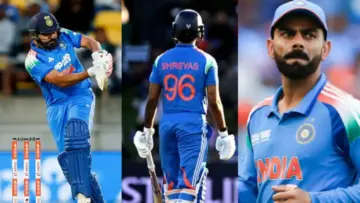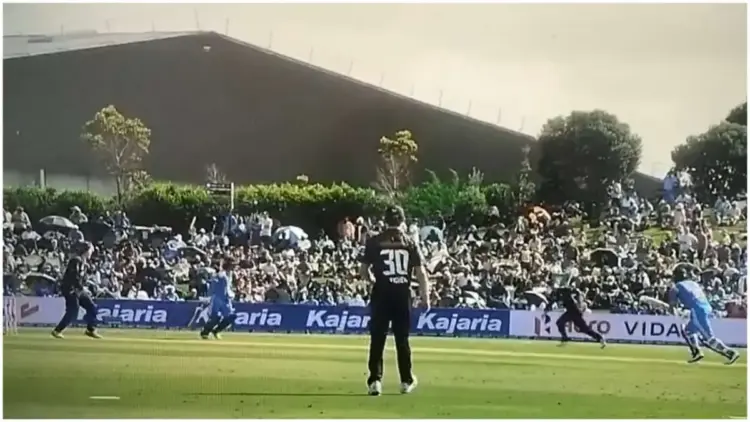
Tauranga, New Zealand – November 15, 2026 – Indian cricket fans, eagerly tuned in to witness the thrilling conclusion of the India vs New Zealand 5th One-Day International at Bay Oval in Tauranga, were left in a state of collective bewilderment and frustration when the live broadcast suddenly suffered a significant and prolonged disruption. What began as a routine high-stakes encounter quickly devolved into a perplexing viewing experience, as the multi-camera coverage and expert commentary vanished, replaced by a solitary, fixed camera angle and the ambient sounds of the stadium. The unexpected technical glitch, later attributed to a power-related issue at the venue, sparked immediate outrage across social media platforms, highlighting the growing reliance on seamless digital delivery for major sporting events and the swift backlash when those expectations are not met.
The incident marred what was intended to be a decisive fixture in the series, drawing attention away from the on-field action and squarely onto the operational shortcomings of the broadcast. For millions of viewers across India and beyond, the sudden loss of comprehensive coverage transformed a highly anticipated sporting spectacle into a fragmented and unsatisfying ordeal, prompting widespread calls for accountability and improved contingency measures from broadcasters and event organizers alike.
Chronology of the Disruption: A Viewer’s Ordeal
The disruption unfolded at a critical juncture of the match, leaving fans scrambling for answers and expressions of disbelief. The sequence of events painted a vivid picture of the unfolding chaos from the perspective of the armchair spectator.
The Unsettling Interruption
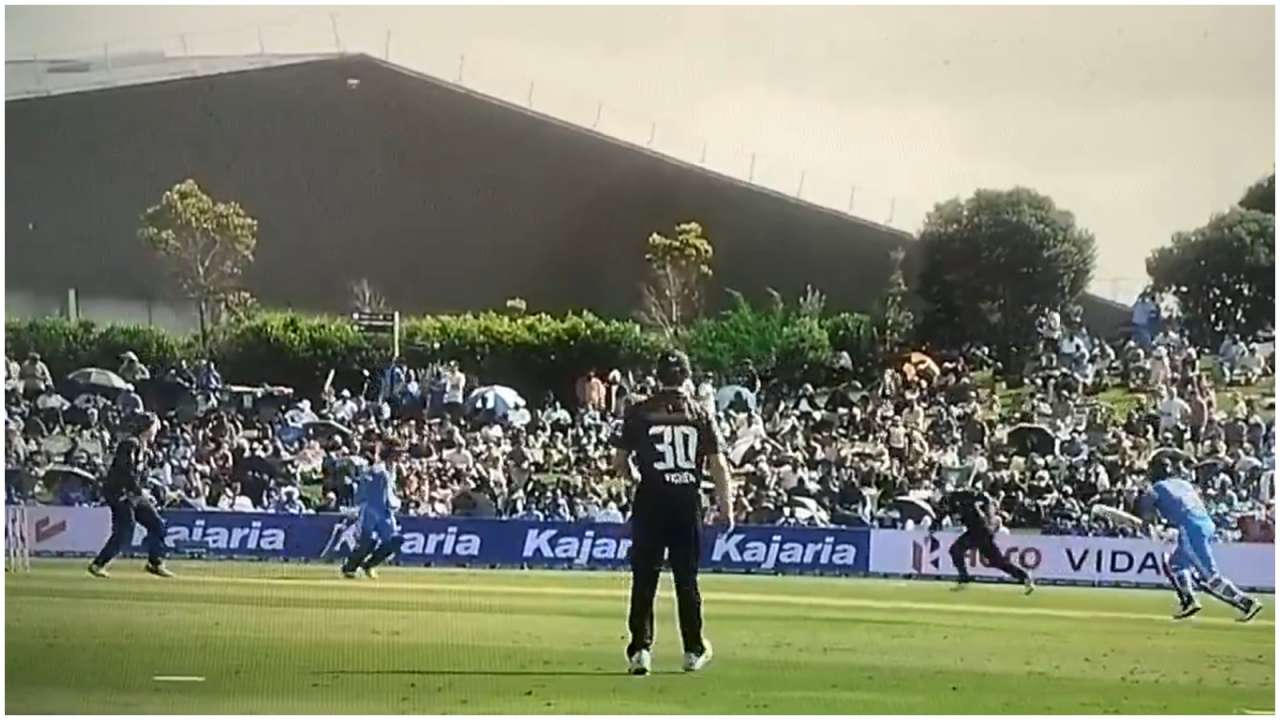
The first signs of trouble emerged without warning. As the match was progressing, with India battling to recover from an early top-order collapse, the vibrant, dynamic visuals that typically define a modern cricket broadcast began to falter. Viewers reported a sudden flicker, a momentary pixelation, or a jarring cut that signaled something was amiss. Within seconds, the familiar array of camera angles – the wide shots, the close-ups of players, the replays from various vantage points – all disappeared. The sophisticated production, which brings the nuances of the game into living rooms, simply ceased to function as expected.
From Multi-Cam to Monotony
What replaced the professional, multi-camera coverage was a stark and unengaging alternative: a single, static camera angle. This lone viewpoint offered a limited perspective, often fixed on a wide shot of the playing field, making it difficult to follow the intricate movements of the players, the flight of the ball, or the reactions from the dugout. The dynamic ebb and flow of a cricket match, typically enhanced by quick cuts and diverse perspectives, was reduced to a monotonous, almost amateurish, feed. Key moments, such as boundary hits, wicket appeals, or crucial fielding efforts, lost their dramatic impact without the benefit of slow-motion replays or alternative angles. Spectators were left to guess the details of crucial passages of play, straining to discern what was happening on their screens.
Silence on the Airwaves
Adding to the visual deprivation was the complete absence of commentary. The expert analysis, contextual insights, and lively banter that are integral to the cricket viewing experience vanished. In their place, viewers were left with only the raw, unfiltered sounds of the stadium – the distant roar of the crowd, the crack of the bat, the thud of ball on pad, and the calls of the players. While authentic, this auditory experience lacked the critical guidance and storytelling provided by commentators, leaving fans without the crucial narrative thread that helps them understand the strategic developments and emotional highs and lows of the game. The silence underscored the severity of the technical breakdown, transforming a premium sports broadcast into a rudimentary audio-visual stream.

The Waiting Game
The disruption was not fleeting. For a significant period, which felt like an eternity to many anxious viewers, the broadcast remained in this compromised state. Fans, initially hoping for a quick resolution, grew increasingly restless as minutes turned into what felt like an age. During this frustrating interlude, many attempted to troubleshoot their own setups, checking internet connections or switching channels, only to realize the issue was systemic and beyond their control. This period of uncertainty fueled much of the online outcry, as viewers sought information and expressed their exasperation at being deprived of their beloved sport.
Restoration and Explanation
Eventually, after what was described by many as an "unacceptable" delay, the full broadcast capabilities began to return. The multi-camera angles reappeared, and, crucially, the voices of the commentators once again filled the airwaves. Their immediate task upon restoration was to address the elephant in the room. The commentators promptly acknowledged the disruption, explaining that the issue stemmed from a "power problem" at the Bay Oval venue in Tauranga. They offered sincere apologies to the millions of viewers who had been affected, attempting to smooth over the ruffled feathers of a frustrated audience. While the explanation provided some clarity, it did little to alleviate the lingering sense of disappointment and the questions about how such a critical failure could occur during an international fixture.

Supporting Data and Fan Reaction: A Digital Uproar
The immediate aftermath of the broadcast disruption saw an unprecedented surge of fan engagement on social media, predominantly characterized by anger, confusion, and demands for answers. The digital sphere quickly became the primary outlet for viewers to vent their frustrations and share their compromised viewing experiences.
A Wave of Digital Discontent
Almost instantly, as the broadcast faltered, social media platforms erupted with a torrent of posts. Twitter (now X) was particularly ablaze, with hashtags like #INDvsNZ, #BroadcastIssue, #CricketFail, and #SonySportsNetwork quickly trending. Fans posted screenshots and short video clips of their televisions showing the single, fixed camera angle, often accompanied by exasperated captions. The sentiment was overwhelmingly negative, reflecting a deep disappointment at the perceived lack of professionalism and preparedness.

One prominent tweet from user @bDreamer22, widely shared, succinctly captured the mood: "Technical glitch in streaming Sony broadcasting #NZvIND in one fixed camera angle today #INDvNZ #SonySportsNetwork." This post, which garnered significant engagement, became a rallying point for many experiencing the same issue. Other users chimed in with similar observations and complaints. "Only one camera is working to cover the match, while all the other cameras appear to be switched off," lamented another user, highlighting the stark contrast to the expected high-definition, multi-angle production.
The frustration extended beyond just the visual and auditory aspects. Some viewers also reported other service anomalies, suggesting a broader systemic issue. "I just got 11 ads in a row on Sony Liv. Is the NZ vs IND stream down?" queried a third user, pointing to potential overcompensation with advertisements or an indication of wider platform instability during the outage. This particular complaint suggested that some digital subscribers were facing multiple layers of frustration, from technical glitches to excessive commercial breaks, compounding their negative experience.

Platforms Used and Sentiment Analysis
While Twitter (X) was the most vocal, discussions also spilled over onto Facebook groups dedicated to Indian cricket, Reddit forums, and even Instagram stories. The common themes across all platforms were:
- Frustration: At the inability to watch the match properly.
- Confusion: About the cause and duration of the problem.
- Anger: Directed at the broadcaster for the perceived lapse in service.
- Demands for Accountability: Many posts questioned the reliability of modern sports broadcasting infrastructure and called for official statements and explanations beyond the brief on-air apology.
- Solidarity: Fans shared their mutual misery, creating a sense of shared community in their discontent.
The intensity of the online reaction underscored the profound emotional connection that Indian fans have with cricket, and their high expectations for the delivery of international matches. In an era where live sports are consumed across multiple devices and platforms, any interruption to this seamless experience is met with immediate and widespread digital outcry. This incident served as a stark reminder of the power of social media to amplify fan dissatisfaction and exert pressure on broadcasters and event organizers.

Comparison to Past Incidents
While not a regular occurrence, major broadcast disruptions are not entirely unprecedented in the history of sports. Previous incidents in other sports, ranging from football to Olympic events, have occasionally faced similar technical hurdles, often due to power failures, satellite link issues, or equipment malfunctions. However, in the age of advanced digital streaming and high-definition broadcasts, the expectation for uninterrupted service is higher than ever. The comparison, often drawn by exasperated fans, highlighted a perceived step backward in broadcast quality, especially for a major international cricket series. Such incidents serve as critical case studies for the industry, prompting reviews of redundancy protocols and emergency response plans to safeguard the fan experience.
Official Responses and Broader Context
The severity and widespread nature of the broadcast disruption necessitated prompt communication and explanation from the entities involved. The incident touched upon various stakeholders, from the broadcasters responsible for delivering the content to the venue management ensuring operational stability, and even the cricket boards overseeing the event.

Broadcaster’s Acknowledgment and Further Clarification
Following the initial on-air apology by the commentators, Sony Sports Network, the official broadcaster for the series in India, was expected to issue a more comprehensive statement. While the immediate explanation cited a "power-related issue," the specific details often remain vague in such initial reports. A thorough official response would typically elaborate on the precise nature of the power problem – whether it was a localized outage affecting broadcast equipment, a wider power cut impacting the entire venue, or a surge that damaged specific components. Such statements are crucial for transparency and rebuilding viewer trust, especially for a network that relies on subscription services and advertising revenue. The silence or brevity of further official communication can often exacerbate public dissatisfaction.
Venue Management’s Perspective
The Bay Oval in Tauranga, as the host venue, would also likely be involved in addressing the power disruption. Responsibility for the venue’s infrastructure, including its power supply, rests with the management. A power-related issue during a high-profile international event raises questions about the robustness of their electrical systems, backup power solutions (such as generators or uninterruptible power supplies), and maintenance protocols. Was the issue an unforeseen external grid problem, or an internal fault within the stadium’s electrical network? The venue’s response would typically involve an investigation into the cause, assurances of corrective actions, and a commitment to prevent future occurrences, particularly given the importance of such facilities for international sporting events.

Cricket Board’s Stance
While the broadcast itself is handled by media companies, the host cricket board (New Zealand Cricket, in this case) and the visiting board (BCCI) have an overarching interest in the smooth conduct of international matches, which includes the quality of the broadcast. International Cricket Council (ICC) regulations often touch upon broadcast standards. A significant disruption like this could prompt inquiries from the boards to both the broadcaster and the venue management. They would be keen to understand the root cause and ensure that such incidents do not recur, as the global viewership and commercial viability of cricket depend heavily on a reliable and high-quality broadcast product. Their involvement underscores the multi-faceted nature of organizing and delivering a major sporting event.
Technical Explanations: Deconstructing the Glitch
From a technical standpoint, a broadcast disruption due to a "power-related issue" can manifest in several ways. It could mean:

- Direct Power Failure: A complete loss of electricity to the broadcast compound or specific critical equipment (cameras, mixers, commentary booths).
- Power Surge/Fluctuation: An unstable power supply that damages or temporarily shuts down sensitive electronic equipment, leading to malfunctions.
- Generator Failure: If the venue relies on generators for backup or primary power, a fault in these systems could lead to an outage.
- Cable Damage: Power cables feeding broadcast equipment could be compromised.
- Interference: Electrical interference, though less common for a full shutdown, can degrade signal quality.
The reduction to a single, fixed camera angle without commentary suggests that essential control room functions and multi-camera feeds were impacted, while a basic, perhaps independent, feed (like a single static camera on an uninterrupted power supply) remained operational. The loss of commentary further points to issues affecting audio mixing, communication lines, or the power supply to the commentary booths. Understanding these technical nuances is crucial for implementing effective preventative measures.
Implications and Future Considerations
The broadcast disruption during the India vs New Zealand 5th ODI extends far beyond a mere technical hiccup. Its implications touch upon fan loyalty, reputational integrity, financial considerations, and the very future of sports broadcasting in an increasingly digital world.

Impact on Fan Engagement and Loyalty
For millions of dedicated cricket fans, the viewing experience is paramount. A sudden and prolonged interruption to a live match, especially a decisive one, can severely erode trust and satisfaction. In an age where content is abundant and attention spans are short, such incidents risk alienating viewers who might then seek alternative forms of entertainment or lose interest in the sport altogether. For subscription-based platforms like Sony Liv, such disruptions can lead to cancellations, negative reviews, and a reluctance for new users to subscribe. The psychological impact on fans, who invest time and emotion into following their team, should not be underestimated.
Reputational Damage
The incident inflicted considerable reputational damage on several entities. For Sony Sports Network, it raised questions about their reliability and technical capabilities, especially given their position as a major sports broadcaster. For the Bay Oval venue, it cast a shadow on their operational readiness for hosting international events. Even New Zealand Cricket, as the host board, could face scrutiny regarding the overall event management and infrastructure. In the highly competitive sports and media landscape, reputation is a valuable asset, and such public failures can have long-lasting negative consequences.

Lessons Learned and Preventative Measures
This incident serves as a critical case study for all stakeholders involved in sports broadcasting. Key lessons and future considerations include:
- Enhanced Redundancy Systems: Implementing more robust backup power solutions (multiple generators, UPS systems) for all critical broadcast equipment and venue infrastructure.
- Diversified Signal Paths: Exploring redundant satellite, fiber optic, and internet streaming paths to ensure that if one fails, others can seamlessly take over.
- Pre-event Technical Audits: More rigorous and comprehensive technical checks, including stress tests for power systems and broadcast equipment, well in advance of major matches.
- Emergency Communication Protocols: Developing clearer and faster communication strategies for informing viewers during an outage, rather than leaving them in the dark.
- On-Site Technical Teams: Ensuring highly skilled and adequately staffed technical teams are present to respond immediately to any issues.
- Insurance and Contingency Planning: Having robust insurance policies and detailed contingency plans in place for unforeseen technical failures.
Financial Ramifications
A broadcast disruption of this magnitude can have significant financial consequences. Advertisers, who pay premium rates for slots during live sports broadcasts, may demand compensation or refunds for the lost exposure during the outage. Subscription services might face a surge in customer service inquiries, potential refunds, and a drop in subscriber numbers. The overall economic impact on the broadcaster, the venue, and potentially even the cricket boards through reduced viewership and sponsorship value, cannot be ignored.

The Broader Landscape of Sports Broadcasting
The incident also highlights the increasing pressure on sports broadcasters to deliver a flawless experience in an era of rapidly advancing technology and soaring viewer expectations. With the proliferation of high-definition, 4K, and immersive viewing options, audiences have come to expect nothing less than perfection. Any deviation from this standard is met with immediate criticism, amplified by the pervasive reach of social media. This incident underscores the ongoing challenge for broadcasters to balance technological innovation with operational reliability, ensuring that the spectacle on screen remains uninterrupted and engaging.
The Unfolding Game: Beyond the Glitch
Amidst the technical chaos, the India vs New Zealand 5th ODI continued, albeit to a significantly diminished and frustrated audience. New Zealand skipper Mitchell Santner won the toss and opted to field first, a decision that initially seemed to pay dividends. India’s top order struggled once again, with key wickets falling early. Rohit Sharma, Virat Kohli, and Ruturaj Gaikwad were all dismissed within the crucial 10-over Powerplay, putting India in a precarious position.

However, the middle order showed some resilience. Axar Patel and Ishan Kishan, both scoring 46 runs, attempted to rebuild the innings and bring India back into contention. Their partnership provided a glimmer of hope, but the consistent fall of wickets at regular intervals prevented India from building a substantial total. The match, intended to be a gripping series decider, became inextricably linked with the broadcast failure, as many viewers found their attention divided between the on-field action and the perplexing technical issues.
Ultimately, the disruption cast a long shadow over the 5th ODI, transforming a critical sporting encounter into a memorable, albeit infamous, event for all the wrong reasons. The incident serves as a stark reminder of the intricate infrastructure and meticulous planning required to deliver live international sports, and the profound impact when those complex systems inevitably falter. For fans and industry professionals alike, the Tauranga blackout will undoubtedly be a point of reflection and a catalyst for ensuring greater resilience in the future of sports broadcasting.