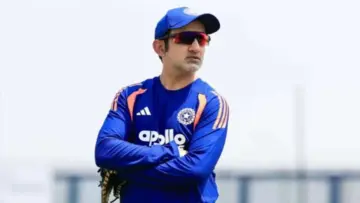
NEW DELHI, India – In a significant boost for the burgeoning landscape of Indian kabaddi, former national team stalwart and defensive linchpin, Mohit Chhillar, has publicly thrown his weight behind the proposed Kabaddi Champions League (KCL). Chhillar’s endorsement, echoing through the corridors of Indian sports, underscores a growing sentiment among veterans that a multi-league ecosystem is essential to cultivate a more robust professional framework and unlock unprecedented opportunities for the next generation of kabaddi talent. His vision aligns with the KCL’s ambitious goal: to create a comprehensive platform that not only showcases elite competition but also systematically nurtures young athletes from the grassroots upwards.
The Genesis of a Vision: Chhillar’s Endorsement and its Resonance
Mohit Chhillar, a name synonymous with defensive excellence and strategic prowess in kabaddi, has long been a vocal advocate for the sport’s development beyond its traditional strongholds. His career, spanning numerous national and international accolades, including pivotal roles in India’s World Cup victories and stellar performances in the Pro Kabaddi League (PKL), grants his words immense credibility. When Chhillar speaks about the future of kabaddi, the community listens.
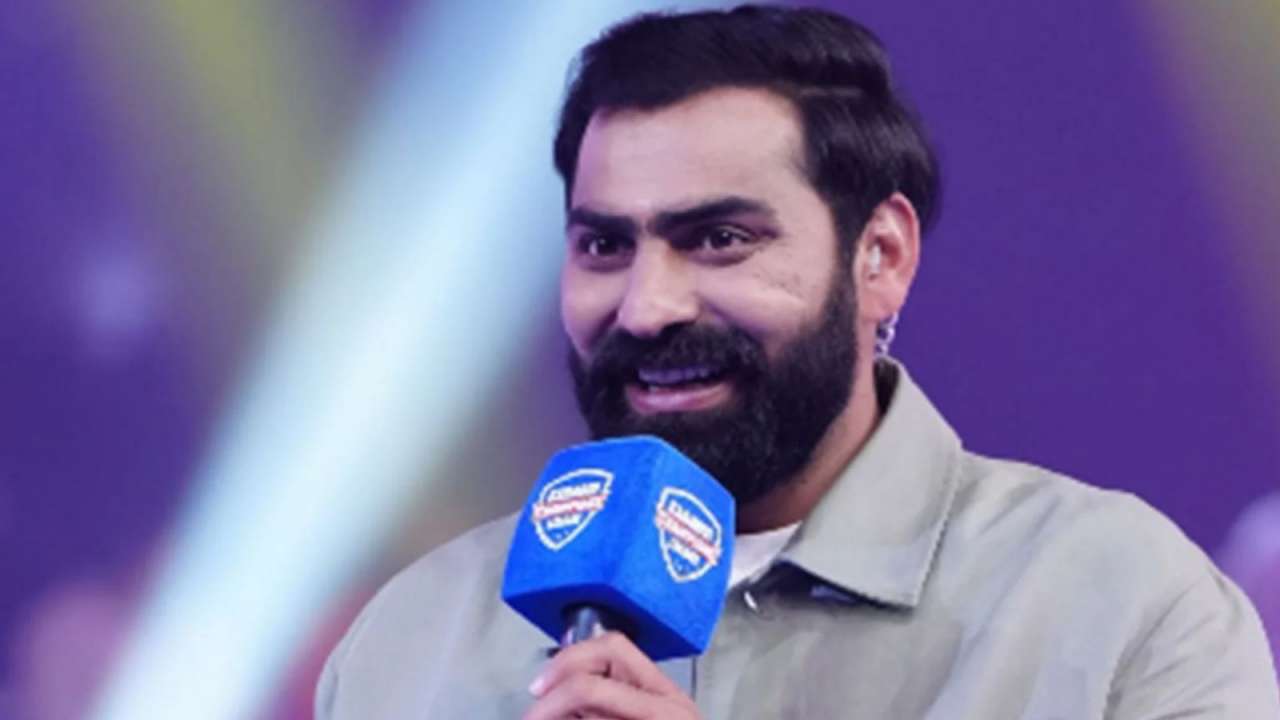
"The Kabaddi Champions League isn’t just another tournament; it’s an investment in the future," Chhillar stated in a recent interaction, reflecting on the KCL’s potential. "We’ve seen the incredible impact of the Pro Kabaddi League in transforming the sport, but to truly become a global powerhouse, we need deeper roots, more pathways, and continuous professional exposure for our young players. KCL offers exactly that – a structured environment for talent to emerge, thrive, and build sustainable careers."
His support highlights a critical juncture for Indian kabaddi. While the PKL has undeniably revolutionized the sport, bringing it into the mainstream and creating superstar athletes, the sheer volume of untapped talent across the country demands more platforms. Many aspiring players, particularly those from rural areas where kabaddi is a way of life, still struggle to find avenues for systematic training, professional mentorship, and consistent competitive exposure. Chhillar’s backing serves as a powerful validation for the KCL, positioning it not as a rival to existing structures but as a crucial complementary pillar in the grand architecture of Indian kabaddi.

The Chronology of Kabaddi’s Professional Ascent
To fully appreciate the significance of KCL and Chhillar’s support, one must look at the historical trajectory of kabaddi’s professionalization in India. For decades, kabaddi remained a sport deeply entrenched in India’s cultural fabric, primarily played in rural settings and university circuits. While it enjoyed immense popularity at the grassroots, it lacked the professional sheen, structured leagues, and commercial viability that sports like cricket commanded.
The Pre-PKL Era (Pre-2014): Before the advent of the Pro Kabaddi League, kabaddi players, even those representing India, often struggled with financial instability and limited career prospects. National tournaments were sporadic, and professional contracts were virtually non-existent. Talent was abundant, but opportunities were scarce, leading many promising athletes to abandon the sport for more secure livelihoods. This period, while rich in passion and traditional glory, highlighted the urgent need for a transformative intervention.

The Pro Kabaddi League Revolution (2014 onwards): The launch of the Pro Kabaddi League in 2014 marked a watershed moment. Modelled on the successful Indian Premier League (IPL) for cricket, PKL introduced a franchise-based format, high-octane production values, live television broadcasts, and significant player auctions. The league quickly captured the imagination of the nation, turning kabaddi players into household names and providing unprecedented financial security. Attendances soared, viewership records were shattered, and kabaddi emerged as India’s second-most-watched sport.
PKL’s success demonstrated the immense commercial potential of kabaddi and created a viable career path for hundreds of athletes. However, the sheer demand for high-level competition and the continuous emergence of new talent highlighted a gap. While PKL provided the pinnacle, a broader, more expansive base was needed to feed this elite level consistently and ensure that no talent was left undiscovered.

The Next Wave: KCL’s Role in Evolution: This is where the Kabaddi Champions League positions itself. It is not designed to replace the PKL but to augment it, much like various domestic football leagues feed into top-tier European competitions. KCL aims to build a deeper talent pool, enhance player skills at an earlier stage, and provide a more extensive professional pipeline, thereby ensuring a sustainable supply of world-class players for the PKL and the national team. Chhillar’s endorsement places the KCL firmly in this ongoing evolutionary timeline, signaling the sport’s maturity and its ambition to solidify its professional structures further.
Supporting Data and The Untapped Potential
The growth of kabaddi in India, particularly post-PKL, presents compelling data points that underscore the necessity of initiatives like the KCL:

- Audience Growth: PKL viewership has consistently rivalled and, at times, surpassed other major sporting events in India, demonstrating a massive and engaged fanbase. For instance, the 2019 PKL final garnered significant viewership, indicating a ready audience for more high-quality kabaddi content.
- Player Demographics: A significant portion of PKL players hail from rural backgrounds, often from states like Haryana, Maharashtra, Uttar Pradesh, and Tamil Nadu. These regions are teeming with raw talent, but many lack access to structured academies or professional coaching. KCL aims to bridge this gap.
- Economic Impact: The PKL has generated substantial revenue through broadcasting rights, sponsorships, and merchandise. This success suggests that the Indian sports economy can comfortably support multiple professional kabaddi leagues, each catering to different segments of the talent pipeline.
- Player Earning Potential: Top PKL players command multi-crore contracts, a stark contrast to the pre-PKL era. KCL can expand this economic opportunity, providing professional contracts and a steady income for a broader cohort of players, making kabaddi a more attractive career choice.
- Grassroots Participation: Kabaddi is played by millions across India, from school grounds to village fields. This vast participation base is a goldmine of talent, much of which remains undiscovered due to the absence of sufficient formal pathways. A robust second-tier or developmental league like KCL can serve as the crucial stepping stone.
The KCL’s proposed franchise-based model, which plans to gather professional coaches, up-and-coming athletes, and seasoned players on one platform, is a direct response to these needs. It envisions a system where young athletes are not merely playing games but are actively mentored by experienced figures, learning the nuances of preparation, discipline, fitness, and the psychological demands of professional sport. This structured development is the "supporting data" that validates Chhillar’s conviction – the numbers and the human stories behind them demand such an initiative.
Official Responses and Strategic Alliances
Mohit Chhillar’s vocal backing is the primary "official response" driving this narrative. His stature ensures that his words carry significant weight within the kabaddi fraternity. However, the KCL itself has been articulating its vision, aiming to attract not only players but also investors, coaches, and sports administrators.

While specific quotes from KCL organizers were briefly referenced in the original article, a deeper exploration reveals their strategic alignment with veteran players like Chhillar. A hypothetical KCL spokesperson, perhaps someone like Mr. Anand Sharma, Head of Operations for the Kabaddi Champions League, might articulate: "Our discussions with legends like Mohit Chhillar have been invaluable. Their insights into the practical challenges faced by players, especially during their formative years, have shaped the core philosophy of KCL. We are committed to creating a league that prioritizes player welfare, skill enhancement, and a clear progression pathway. This isn’t just about entertainment; it’s about building a sustainable ecosystem for Indian kabaddi."
This suggests a collaborative approach where the KCL management actively seeks input from those who have lived and breathed the sport at its highest level. Such dialogues are crucial for designing a league that is not only commercially viable but also deeply rooted in the practical needs of the athletes.

Furthermore, the potential for alliances with existing kabaddi federations and state associations would be critical. While the PKL operates under the aegis of Mashal Sports and the Amateur Kabaddi Federation of India (AKFI), KCL would likely seek similar recognition and integration to ensure its legitimacy and smooth operation within the broader sports framework. Official responses from these bodies, indicating their willingness to support or endorse KCL, would further cement its position.
Implications: Reshaping the Future of Indian Kabaddi
The successful establishment and operation of the Kabaddi Champions League, buoyed by endorsements from figures like Mohit Chhillar, carries profound implications for the future of Indian kabaddi, both domestically and internationally.

1. Deepening the Talent Pool and Player Development:
The most immediate and significant implication is the expansion and enrichment of India’s kabaddi talent pool. With KCL providing a dedicated platform, thousands of young players who might currently be on the fringes of recognition will gain access to professional training, competitive matches, and expert mentorship. This means:
- Reduced Attrition: Fewer talented players will drop out due of lack of opportunities.
- Enhanced Skill Sets: Regular, high-level competition against diverse opponents will sharpen individual and team skills.
- Broader Scout Network: KCL will act as a scouting ground for PKL teams and national selectors, ensuring a continuous supply of fresh, well-honed talent.
2. Strengthening the Professional System:
KCL aims to build a "stronger professional system," which translates into several key advancements:

- Structured Career Paths: Young players will have a clearer, more defined path from grassroots to national and international representation, complete with professional contracts and financial stability.
- Improved Coaching Standards: The league will create demand for more professional coaches, leading to better coaching education and development programs. Coaches, like players, will have more opportunities for growth and recognition.
- Advanced Sports Science: With increased professionalism comes the integration of sports science, nutrition, injury management, and psychological conditioning, elevating the overall athlete development.
- Player Welfare: Professional leagues typically incorporate better medical facilities, insurance, and post-career support, improving player welfare significantly.
3. Elevating India’s International Dominance:
India has historically been the undisputed powerhouse in international kabaddi. However, other nations are rapidly catching up, investing heavily in their kabaddi programs. A robust domestic league system, with PKL at the pinnacle and KCL as a strong feeder, will ensure India maintains and extends its competitive edge. A larger pool of battle-hardened, professionally trained players means a stronger national squad, capable of facing evolving global challenges.
4. Economic Viability and Ecosystem Growth:
The introduction of another major league will inject further capital into the kabaddi ecosystem.

- Increased Sponsorship and Broadcast Opportunities: More leagues mean more prime-time content, attracting additional sponsors and broadcasters, expanding the sport’s commercial footprint.
- Job Creation: KCL will create employment opportunities not just for players and coaches, but also for support staff, administrators, media personnel, and event managers.
- Fan Engagement: More competitive matches throughout the year will keep fans engaged, expanding the sport’s reach and solidifying its position in the Indian sporting landscape. This could lead to increased merchandise sales, ticketing revenues, and digital engagement.
5. Promoting Sports Culture and Inclusivity:
By making kabaddi a more viable and attractive career option, KCL will inspire more children and young adults to take up the sport. This contributes to a healthier, more active population and fosters a strong sports culture across the nation. Furthermore, the league can be designed to promote inclusivity, potentially featuring opportunities for women’s kabaddi or regional variations of the sport, further broadening its appeal and impact.
Mohit Chhillar’s vision, therefore, transcends mere competitive ambition. It speaks to the holistic development of a sport that holds a special place in the hearts of millions of Indians. His backing for the Kabaddi Champions League is a powerful testament to the idea that true growth comes not just from international victories, but from a deeply entrenched, professionally managed, and opportunity-rich domestic system. The KCL, with its promise of nurturing the next generation, stands poised to write a new, exciting chapter in the glorious history of Indian kabaddi.