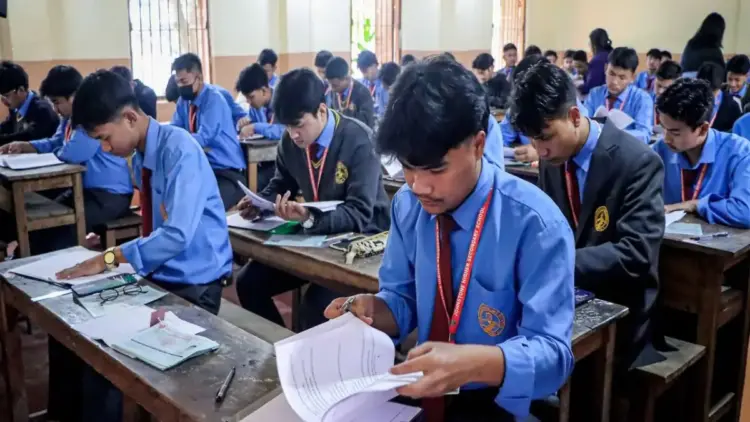
New Delhi, November 6, 2026 – The Central Board of Secondary Education (CBSE) has officially announced the schedule for practical examinations, project assessments, and internal assessments for Class 10 and Class 12 students enrolled in winter-bound regions, marking a crucial step in the preparation for the 2027 Board Examinations. This specialized timetable addresses the unique academic calendar challenges faced by institutions in areas that experience prolonged winter closures, ensuring these students are not disadvantaged in their board exam preparations. The assessments are slated to commence on November 9, 2026, and will conclude by December 19, 2026.
This early commencement of practical assessments is a strategic move by the CBSE to accommodate the academic rhythms of winter-bound schools. These institutions typically suspend regular operations during the harshest winter months, making it imperative to conduct crucial evaluative components before the extended breaks. Students appearing for the CBSE Board Exams in 2027 are strongly advised to proactively monitor the revised practical exam schedule and maintain close communication with their respective schools for subject-specific date sheets and any further directives.
Streamlining the Assessment Process: Key Guidelines for Winter-Bound Institutions
In a detailed circular issued on November 5, 2026, the CBSE has laid down a comprehensive set of guidelines for the winter-bound schools. A paramount instruction is the meticulous finalization of the list of eligible candidates prior to the commencement of any practical exams, project work evaluations, or internal assessments. This measure is designed to prevent any discrepancies and ensure that only bona fide students, whose names have been duly submitted through the online List of Candidates (LOC) portal, are permitted to participate in these critical examinations. Adherence to this guideline is non-negotiable, underscoring the Board’s commitment to an error-free assessment process.
Furthermore, the CBSE has clarified that the internal assessment component for Class 10 students will be a singular event. Schools are mandated to complete this assessment and upload the corresponding marks for all eligible candidates within the stipulated timeframe. This consolidation of the internal assessment aims to streamline administrative processes and ensure timely reporting of student progress.
To facilitate the smooth conduct of these assessments, schools have been directed to liaise with their respective CBSE Regional Offices. This liaison is crucial for the appointment of external examiners and observers, where deemed necessary. The presence of external evaluators is a cornerstone of fair and impartial assessment, bringing an objective perspective to the evaluation process and upholding the integrity of the CBSE examinations.
The Board has also emphasized the importance of completing all practical examinations, project assessments, and internal assessments within the allocated window. For Class 12 students, a specific directive has been issued regarding the dispatch of answer books for practical examinations to the concerned CBSE Regional Offices, as per the prescribed instructions. This logistical requirement ensures that the evaluation of practical work is centralized and managed efficiently.

Enhancing Transparency: Practical Exams to Be Conducted in Shifts
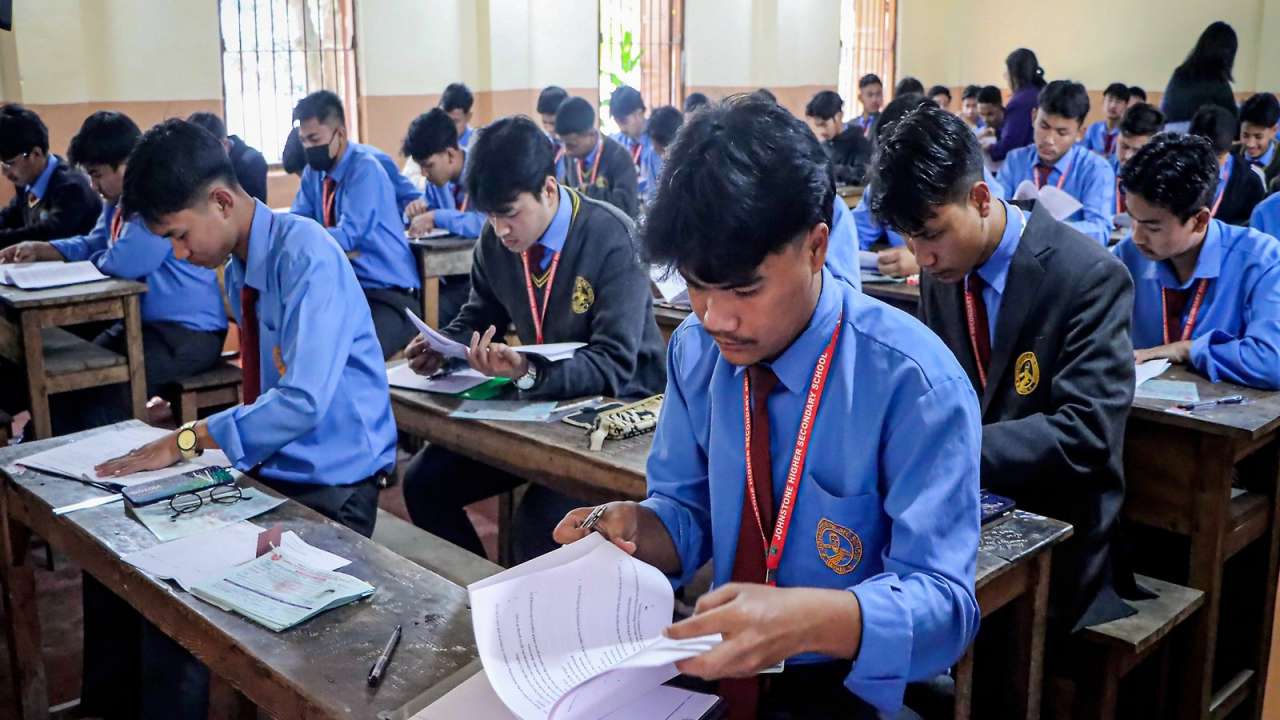
In a significant stride towards fostering transparency and ensuring a level playing field for all students, the CBSE has introduced a mandatory shift system for practical examinations and project assessments. Schools accommodating more than 30 students are now required to conduct these assessments in two or even three separate sessions per day. The number of shifts will be determined by the available laboratory infrastructure, ensuring that each session is manageable and allows for focused supervision. This proactive measure is intended to prevent any scope for unfair practices and to provide a fair opportunity for every student to showcase their skills and knowledge under optimal conditions.
It is important to note that this specific timetable and set of guidelines are exclusively for schools located in winter-bound regions. The CBSE has assured that a separate circular, containing distinct instructions tailored for schools following the regular academic session, will be issued in due course. This differentiation acknowledges the varying academic calendars and logistical requirements across different geographical zones within the country.

Students and their parents are strongly encouraged to maintain open lines of communication with their respective schools. Detailed subject-wise practical exam timetables, along with any supplementary instructions or clarifications, will be disseminated directly by the educational institutions. This collaborative approach between the Board, schools, and students is vital for the successful and equitable execution of the CBSE Board Exams 2027.
Chronology of Events: A Timeline for Winter-Bound Schools
The announcement of the practical exam schedule for winter-bound schools follows a well-defined timeline, designed to provide ample preparation and execution time:

- November 5, 2026: The Central Board of Secondary Education (CBSE) issues the official circular detailing the schedule and guidelines for Class 10 and Class 12 practical, project, and internal assessments for winter-bound regions.
- November 9, 2026: The practical examinations, project assessments, and internal assessments commence for students in winter-bound schools.
- Ongoing (November 9 – December 19, 2026): Schools are required to finalize candidate lists, conduct assessments, appoint external examiners (if needed), and ensure the dispatch of answer books as per CBSE directives.
- December 19, 2026: The practical examinations, project assessments, and internal assessments for winter-bound schools conclude.
- Post-December 19, 2026: Schools are responsible for uploading internal assessment marks and ensuring all logistical requirements for practical exam answer books are met within the stipulated timelines.
- Future Date (To be announced): A separate circular will be issued by the CBSE for schools following the regular academic session, outlining their practical examination schedules and guidelines.
This structured approach ensures that all stakeholders are aware of their responsibilities and the deadlines involved, minimizing potential disruptions and ensuring a smooth assessment period.
Supporting Data and Context: The Significance of Winter-Bound Schedules
The decision to implement a specialized timetable for winter-bound regions is rooted in the practical realities of geography and climate. Many parts of India, particularly in the northern Himalayan regions, experience severe snowfall and extreme cold conditions during the winter months, typically from December to February. This often leads to the closure of schools for extended periods, disrupting the academic flow.

Historically, CBSE has made accommodations for these regions. However, the current announcement signifies a more formalized and structured approach for the 2026-27 academic session. The earlier commencement of practicals aims to complete a substantial portion of the board exam evaluation before the peak winter season sets in, thereby allowing students to focus on theoretical subjects during the remaining academic period and the crucial months leading up to the main board examinations in 2027.
The practical and internal assessments hold significant weight in the overall board examination scores. For Class 10, internal assessments contribute to 20% of the final marks in each subject, while practicals play a crucial role in science subjects. Similarly, for Class 12, practicals constitute a substantial portion of the marks in science and vocational streams, and internal assessments are also a key component. Therefore, the timely and transparent conduct of these assessments is critical for the academic future of the students.

The shift system, mandated for schools with over 30 students, directly addresses concerns about student-teacher ratios and the ability of examiners to provide individual attention. In practical exams, the ability to observe students performing experiments, analyze their understanding of procedures, and evaluate their application of scientific principles is paramount. By dividing students into smaller groups, examiners can dedicate more focused time to each student, leading to a more accurate and equitable assessment. This also helps in managing the logistical challenges of conducting practicals in well-equipped laboratories, ensuring that each student has adequate time and resources.
Official Responses and Board’s Vision
While specific official statements from senior CBSE officials regarding this announcement are not detailed in the provided text, the circular itself reflects the Board’s ongoing commitment to academic excellence, fairness, and inclusivity. The emphasis on transparency through measures like the shift system and the clear directives on candidate lists underscores the CBSE’s dedication to maintaining the integrity of its examination system.

The Board’s proactive approach in addressing the specific needs of winter-bound regions demonstrates its understanding of the diverse challenges faced by educational institutions across the country. By providing a clear and early schedule, the CBSE empowers these schools to plan their academic calendars effectively and ensure that their students are well-prepared for the 2027 Board Examinations. The Board’s vision appears to be one of continuous improvement, adapting its policies and procedures to meet the evolving educational landscape and to provide a robust and equitable assessment framework for all students.
Implications for Students, Educators, and the Future of Assessments
The implications of this announcement are far-reaching:

- For Students: The early commencement of practicals provides a clear roadmap for their academic year. It allows them to focus on developing practical skills and understanding experimental concepts well in advance. This can reduce exam-related stress and enable a more holistic preparation for the 2027 Board Exams. Proactive engagement with their schools for subject-wise dates will be crucial.
- For Educators: School administrators and teachers in winter-bound regions now have a defined timeframe to organize and execute practical examinations. This requires meticulous planning, resource allocation, and coordination with external examiners. The implementation of the shift system will necessitate careful scheduling and potentially additional supervisory staff.
- For the Examination System: The enhanced focus on transparency and structured assessment processes, such as the shift system, sets a precedent for future CBSE examinations. It highlights the Board’s willingness to adapt and innovate to ensure fairness and accuracy in evaluations. This could lead to further refinements in assessment methodologies across all regions.
- Long-Term Academic Planning: The early scheduling for winter-bound regions contributes to a more predictable academic calendar, allowing for better long-term planning of curriculum delivery and student support services. It reinforces the principle of providing equal opportunities for all students, regardless of their geographical location or the climatic challenges they face.
In conclusion, the CBSE’s timely announcement regarding the practical examination schedule for winter-bound schools is a testament to its commitment to a fair, transparent, and inclusive examination system. By addressing the unique needs of these regions and implementing measures to enhance the integrity of the assessment process, the Board is ensuring that all students are well-positioned to face the 2027 Board Examinations with confidence. The focus on transparency and structured execution of practicals marks a significant step forward in the evolution of educational assessment in India.