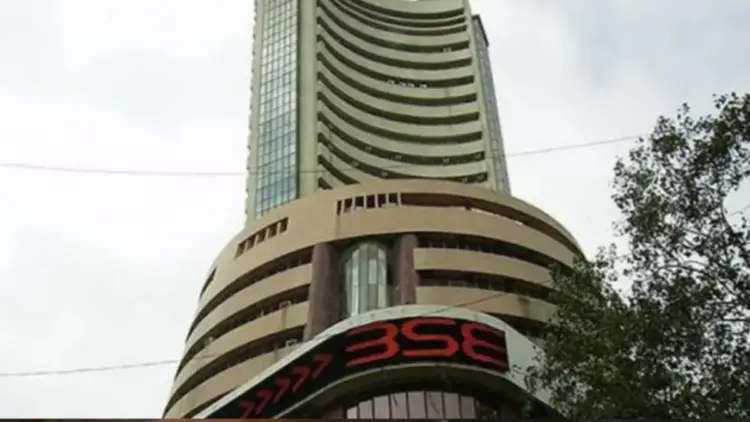
Mumbai, India – November 5, 2026 – Indian benchmark equity indices witnessed an extraordinary surge on Thursday, with the Sensex skyrocketing by an astounding 2,008 points and the Nifty closing firmly above the psychological 24,500 mark. The robust rally, marking one of the most significant single-day gains in recent times, was primarily fueled by a potent combination of easing crude oil prices and a wave of positive global cues, most notably the favorable outcomes for Democrats in the recent US midterm elections. This confluence of factors ignited investor sentiment, leading to broad-based buying across sectors and injecting renewed optimism into the market.
The 30-share S&P BSE Sensex concluded the trading session at 79,310.01, registering a colossal gain of 2,008.61 points, or 2.60%, from its previous close of 77,301.40. Mirroring this spectacular ascent, the Nifty 50, representing the top 50 companies on the National Stock Exchange, surged by an impressive 576.00 points, or 2.40%, to settle at 24,536.60, significantly higher than its prior closing of 23,960.60. The magnitude of this rally underscores a dramatic shift in market sentiment, signaling a potential new phase of upward momentum after a period of consolidation.
The market’s exhilaration was palpable, as virtually all major sectoral indices ended in positive territory, indicating a widespread appetite for risk. Financial services and banking sectors emerged as the frontrunners, posting substantial gains that anchored the overall market performance. This emphatic market reaction highlights the intricate interplay between global political developments, commodity price dynamics, and domestic economic expectations, all converging to create a powerful impetus for growth in the Indian equity landscape.
A Day of Dramatic Gains: The Main Facts
Thursday’s trading session will be etched in the memory of market participants as a day of exceptional bullish fervor. The Indian stock market indices, the Sensex and Nifty, recorded one of their most significant single-day advances, painting the trading screens green across the board. The Sensex, the bellwether index of the Bombay Stock Exchange, concluded the day at an impressive 79,310.01 points, marking an colossal increase of 2,008.61 points. This translates to a robust percentage gain of 2.60%, signifying a powerful upward trajectory.
In parallel, the National Stock Exchange’s Nifty 50 index demonstrated equally compelling strength, soaring by 576.00 points to close comfortably above the critical 24,500 level, specifically at 24,536.60. This represented a substantial percentage rise of 2.40%. The simultaneous and significant gains across both premier indices underscore the depth and breadth of the market rally, indicating that investor confidence was not confined to a few pockets but was broadly distributed.
The primary catalysts behind this extraordinary performance were clearly identifiable: a perceptible easing in global crude oil prices and a surge of positive sentiment stemming from international developments. The US midterm elections, in particular, played a crucial role, with the outcomes favoring Democrats seemingly assuaging global geopolitical and economic uncertainties. This positive global backdrop provided the perfect tailwind for Indian equities, which have often shown sensitivity to international capital flows and geopolitical stability.
Beyond the headline indices, the rally was characterized by its comprehensive nature. All broad market indices participated actively in the upward movement, with the Nifty 100 emerging as a top performer, registering a gain of 2.23%. Sectorally, the financial services and banking sectors were the undisputed leaders, with the Nifty Financial Services index surging over 4% and the Nifty Bank index advancing by more than 3%. This strong showing from the financial heavyweights provided significant impetus to the overall market, given their substantial weightage in both the Sensex and Nifty. Conversely, minor corrections were observed in niche sectors such as Nifty chemicals and media, indicating some localized profit booking or sector-specific headwinds amidst the broader optimism.
The Day’s Progression: A Chronology of Momentum
The journey to Thursday’s monumental market close began even before the opening bell, with strong positive cues filtering in from global markets. Asian markets were largely buoyant, reacting favorably to the perceived stability offered by the US midterm election results. This pre-market optimism set a constructive tone for Indian equities.
Opening Bell and Early Gains: As the Indian markets opened for trading, the positive sentiment immediately translated into strong buying activity. The Sensex and Nifty gapped up, opening significantly higher than their previous day’s closing figures. The Sensex began its ascent from 77,301.40, while the Nifty started from 23,960.60, indicating that investors were keen to enter the market from the outset. Early trades saw consistent upward movement, as institutional and retail investors alike rushed to capitalize on the improving global outlook.
Building Momentum Through the Morning: The initial hours of trading were characterized by steady accumulation. The early gains were sustained and gradually built upon, suggesting a lack of significant selling pressure. The market absorbed any minor profit booking effortlessly, with fresh buying emerging at dips. The news of further softening in crude oil prices during the Asian trading hours provided additional fuel to the rally, particularly benefiting India, a net importer of oil. The positive commentary from various analysts and the general mood of optimism further solidified the market’s upward trajectory.
Midday Surge and Sectoral Leadership: By midday, the rally had gained significant traction, with the Sensex and Nifty comfortably extending their gains. It was during this period that the financial services and banking sectors truly came alive, displaying aggressive buying interest. Major banking and non-banking financial companies saw their stock prices surge, acting as key pillars for the indices. The broad-based nature of the rally also became more evident, with other heavyweights in IT, automotive, and metals also contributing substantially. This collective push from diverse sectors underscored the underlying strength of the market.
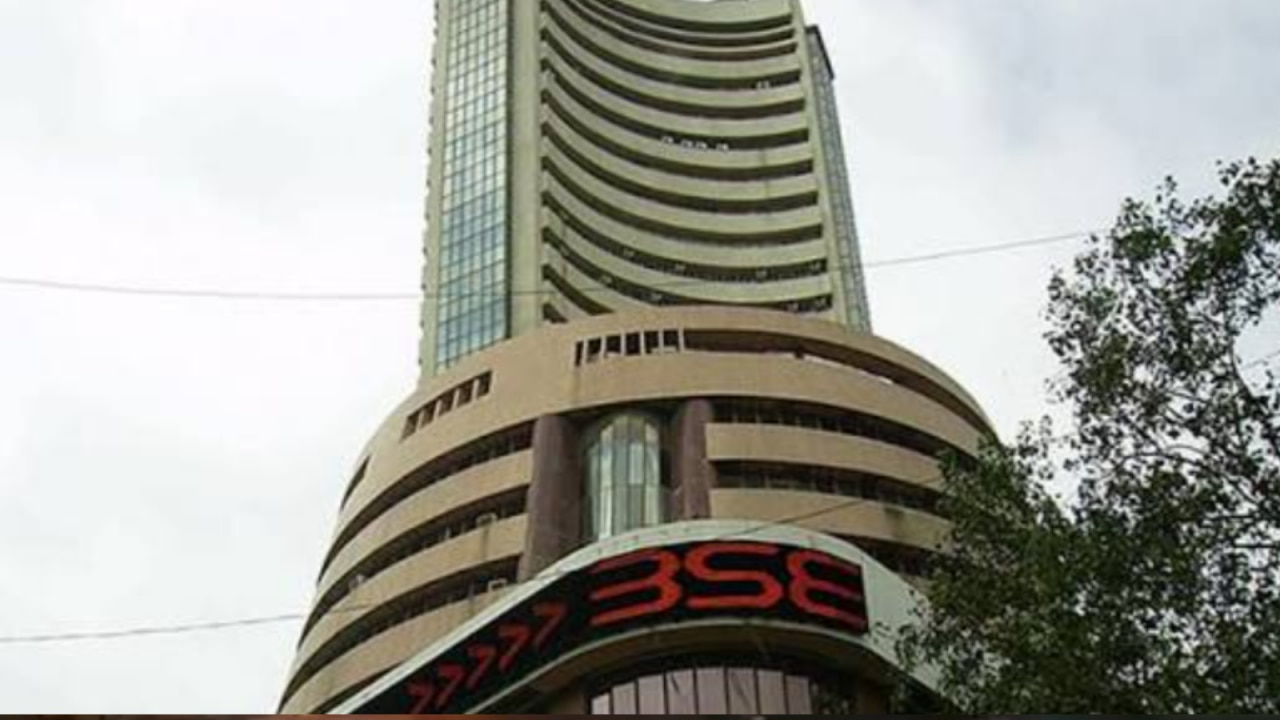
Afternoon Consolidation and Strong Close: In the latter half of the trading session, the market continued its robust performance, albeit with some minor fluctuations as traders consolidated positions. However, the underlying bullish trend remained intact. There were no significant pullbacks, and the indices managed to hold onto the majority of their gains. The final hour saw another burst of buying, pushing both the Sensex and Nifty to close near their intraday highs. The Sensex closed at 79,310.01, a remarkable 2,008.61 points higher, while the Nifty settled at 24,536.60, up 576.00 points. This powerful close indicated strong conviction among market participants, setting a positive precedent for the upcoming trading sessions. The day’s chronology was a testament to a market decisively embracing positive triggers, translating into a historic single-day performance.
Deep Dive into Performance: Supporting Data
The remarkable surge witnessed on Thursday was meticulously reflected across various market segments, offering a rich tapestry of supporting data that underscored the rally’s breadth and conviction.
Benchmark Indices at a Glance:
- S&P BSE Sensex: Closed at 79,310.01, marking an increase of 2,008.61 points (2.60%). This was a significant leap from its previous close of 77,301.40.
- Nifty 50: Concluded the day at 24,536.60, having gained 576.00 points (2.40%) from its last closing of 23,960.60.
Broad Market and Sectoral Performance:
The comprehensive nature of the rally was evident as all broad market indices painted a picture of widespread gains. The Nifty 100, comprising the largest and most liquid stocks, led this charge, surging by 2.23%. This indicates that the rally was not confined to a few select stocks but was underpinned by strength across a wide spectrum of large-cap companies.
Sectorally, the financial segment was the undisputed leader. The Nifty Financial Services index soared by over 4%, while the Nifty Bank index recorded an impressive gain exceeding 3%. This strong performance by banking and financial heavyweights like ICICI Bank, HDFC Bank, Axis Bank, Bajaj Finance, and Shriram Finance was pivotal, given their substantial weightage in both the Sensex and Nifty. The optimism in these sectors likely stemmed from expectations of stable interest rate environments, improving credit growth, and potentially reduced non-performing assets, all bolstered by a positive macroeconomic outlook.
While the majority of sectors thrived, a slight correction was noted in the Nifty Chemicals and Nifty Media indices. This could be attributed to sector-specific factors, profit booking after recent gains, or perhaps a reallocation of capital towards the more bullish financial and cyclically sensitive sectors.
Top Gainers Across Exchanges:
The list of top-performing stocks on both the NSE and BSE highlighted the broad-based nature of the rally:
- On NSE, prominent gainers included: Bajaj Finance, Shriram Finance, Indi Go, Maruti Suzuki, Mahindra & Mahindra (M&M), ICICI Bank, BSE Ltd., Bajaj Finserv, Asian Paints, Axis Bank, Eicher Motors, Infosys, HDFC Bank, Tata Consultancy Services (TCS), State Bank of India (SBIN), Grasim Industries, Larsen & Toubro (LT), Tech Mahindra, Tata Steel, JSW Steel, Bajaj Auto, Titan Company, and Hindalco Industries. This diverse list encompassed financials, automotive, IT, infrastructure, and metals, demonstrating strength across key economic drivers.
- On BSE, the top performers largely mirrored the NSE list, featuring: Bajaj Finance, Indi Go, Maruti Suzuki, M&M, ICICI Bank, Asian Paints, Bajaj Finserv, Axis Bank, Infosys, HDFC Bank, Sun Pharma, LT, TCS, Tech Mahindra, Reliance Industries, Kotak Mahindra Bank, Titan Company, Tata Steel, and Hindustan Unilever. The presence of major conglomerates and blue-chip companies across both exchanges further solidified the conviction behind the rally.
Key Underperformers:
Despite the overwhelming positive sentiment, a few stocks experienced headwinds, either due to profit booking or specific company-related news:
- On NSE, top losers included: Apollo Hospitals, Oil and Natural Gas Corporation (ONGC), NTPC, Bharat Electronics (BEL), Adani Airports, Cipla, and Trent.
- On BSE, the laggards comprised: NTPC, BEL, Adani Airports, ITC, Power Grid Corporation, and Bharti Airtel. The presence of public sector undertakings (PSUs) like NTPC, BEL, and Power Grid, alongside some defensive stocks, suggests a rotation of capital towards growth-oriented sectors or specific concerns impacting these companies.
Commodity Market Influence:
A significant factor underpinning the market’s bullish run was the favorable movement in the global commodity markets, particularly crude oil. At the time of reporting, Brent crude was trading at approximately USD 96.02 per barrel, while West Texas Intermediate (WTI) crude oil was hovering around USD 88.56 per barrel. This easing of crude oil prices is a substantial positive for India, a major net importer. Lower oil prices reduce the country’s import bill, alleviate inflationary pressures, improve corporate profit margins (especially for manufacturing and logistics companies), and enhance the nation’s current account balance. This direct economic benefit translated immediately into positive market sentiment.
Foreign and Domestic Institutional Flows:
While specific daily figures for Foreign Institutional Investors (FIIs) and Domestic Institutional Investors (DIIs) were not explicitly detailed, market analyst Vipin Dixena’s commentary on "improving foreign investor flows" suggests that FIIs likely turned net buyers or significantly reduced their selling pressure. FII flows are crucial for Indian markets, and a positive shift signals renewed international confidence in India’s growth story. DIIs, comprising mutual funds and insurance companies, typically provide a counterbalancing force, often buying during FII selling. Their continued support, combined with renewed FII interest, creates a powerful liquidity-driven momentum in the market. The confluence of these factors provided the robust data points necessary to justify and sustain the day’s extraordinary market performance.
Expert Voices and Official Responses
The dramatic market surge prompted a flurry of analysis and commentary from leading financial experts, providing valuable insights into the drivers behind the rally and offering guidance for future market navigation. Their perspectives largely converged on the idea of a multi-faceted rally driven by both global and domestic factors, marking a significant shift in market dynamics.
Ajit Mishra, SVP, Research, Religare Broking:
Ajit Mishra articulated a clear optimistic outlook, emphasizing the broad-based nature of the rally. He noted, "The broad-based strength in heavyweight stocks across sectors has helped the Nifty recover its losses over the past three months, putting the index on course to retest its August high of around 24,800." This statement is significant as it highlights that the current rally is not merely a narrow surge but a comprehensive movement involving key market drivers. The recovery of losses over the past quarter suggests that the market may have absorbed previous uncertainties and is now poised for further gains.
Mishra further underscored the importance of sectoral leadership, adding, "The renewed momentum in banking and financial stocks is an additional positive." Given the substantial weightage of these sectors in the benchmark indices, their strong performance is critical for sustaining any major market upswing. He concluded his assessment with a cautious yet positive stance: "We therefore maintain a positive market bias, while emphasising disciplined stock selection and prudent overnight risk management in anticipation of potential volatility ahead." This advice serves as a crucial reminder for investors to balance enthusiasm with a strategic approach, acknowledging that sharp rallies can sometimes be followed by periods of consolidation or profit booking.
Vipin Dixena, Market Analyst:
Vipin Dixena offered a more detailed breakdown of the underlying factors propelling the rally, differentiating it from mere technical corrections. He observed, "Today’s rally is encouraging because it is being supported by multiple factors rather than just short covering." This distinction is vital, as a rally driven by fundamental improvements and genuine buying interest is generally considered more sustainable than one driven by short covering, which is often temporary.
Dixena elaborated on these "multiple factors," citing:
- Lower crude prices: As discussed, this is a significant positive for India’s macroeconomic stability and corporate profitability.
- Improving foreign investor flows: A reversal or significant reduction in FII outflows indicates renewed confidence from international capital, a crucial component for market buoyancy.
- Expectations of reduced geopolitical uncertainty: The positive outcome for Democrats in the US midterm elections likely contributed to this sentiment, fostering a more stable global political environment.
- Improving macro environment: This encompasses a broader positive outlook for India’s economy, including factors like industrial output, consumption, and government policies.
- Improving earnings visibility: Dixena specifically pointed to "the first-half FY27 earnings performance," suggesting that corporate results are showing a positive trend, which provides a strong fundamental basis for stock valuations.
From a technical analysis perspective, Dixena provided specific levels for market participants to monitor. He stated, "Nifty has moved decisively above the 24,200 mark, improving its short-term technical structure. The 24,200–24,100 zone is now an important support area, while 24,400–24,500 is the immediate resistance zone." This indicates a bullish breakout, with previous resistance levels now acting as strong support. He further projected the potential for continued upside: "A sustained move above 24,500 could extend the recovery further." However, in line with prudent risk management, he also cautioned investors: "Given the sharp rally over the last few sessions, investors should also be prepared for intermittent profit booking." This balanced view helps manage expectations and encourages strategic planning amidst the euphoria.
The consensus among experts points towards a fundamentally driven rally, supported by a confluence of positive global and domestic factors, with a strong emphasis on the sustainability of the current momentum, albeit with an advisory for cautious navigation.
Future Trajectory: Implications for Investors and the Economy
The monumental rally witnessed in the Indian equity markets on Thursday carries significant implications, not only for investors charting their financial strategies but also for the broader Indian economy. The confluence of easing crude oil prices and positive global cues has set a new tone, potentially ushering in a period of sustained optimism.
Implications for Investors:
For investors, the immediate implication is a resurgence of bullish sentiment. Those who remained invested through the recent period of consolidation will likely see substantial gains in their portfolios. The broad-based nature of the rally, with strong performances from heavyweight sectors like financials, indicates that opportunities are widespread.
- Short-Term: The strong breakout above key technical levels, as noted by Vipin Dixena, suggests further upside potential in the immediate future. However, his caution regarding "intermittent profit booking" is pertinent. Short-term traders might look for opportunities to ride the momentum but should also be prepared for quick reversals or pullbacks as some participants lock in gains. The advice for "disciplined stock selection" from Ajit Mishra becomes crucial here, as not all stocks will perform equally.
- Long-Term: For long-term investors, this rally reinforces confidence in India’s growth story. Lower crude prices translate to improved corporate profitability and reduced inflationary pressures, which are fundamentally positive for businesses. Improving earnings visibility, as highlighted by Dixena, provides a solid foundation for long-term equity appreciation. Investors with a longer horizon might view any minor corrections as buying opportunities, focusing on fundamentally strong companies poised to benefit from India’s economic trajectory. The renewed FII interest also signals global confidence, which is a key driver for sustained market growth.
Implications for the Economy:
The positive market sentiment has direct and indirect benefits for the Indian economy:
- Inflationary Pressures: Easing crude oil prices are a significant relief on the inflation front. As a major oil importer, lower global crude costs reduce the cost of transportation, manufacturing, and various other essential goods and services, helping to temper consumer price inflation. This could potentially allow the Reserve Bank of India (RBI) more flexibility in its monetary policy decisions, perhaps signaling an end to aggressive rate hikes or even paving the way for future rate cuts, which would further stimulate economic activity.
- Current Account Deficit (CAD): A lower oil import bill directly improves India’s current account balance. A reduced CAD signifies better external sector stability, strengthens the rupee, and makes the economy less vulnerable to global shocks. This, in turn, can attract more foreign investment.
- Corporate Earnings and Investment: Improved profit margins for businesses (due to lower input costs) can lead to higher corporate earnings. Strong earnings performance often encourages companies to expand, invest in new projects, and create jobs, fostering a virtuous cycle of economic growth.
- Consumer Sentiment: A buoyant stock market often translates into positive consumer sentiment, particularly among those with equity investments. This wealth effect can encourage higher consumption, further bolstering demand in the economy.
- Global Positioning: The positive reaction to US midterm elections and the subsequent market rally demonstrate India’s interconnectedness with the global economy. A stable global political environment and favorable commodity prices strengthen India’s position as an attractive investment destination, potentially leading to increased foreign direct investment (FDI) and portfolio inflows.
Future Outlook and Potential Risks:
While the immediate outlook is overwhelmingly positive, market participants must remain cognizant of potential headwinds. The Nifty’s journey towards retesting its August high of 24,800 will be closely watched. A decisive breach of this level could signal further significant upward movement. Key factors that will influence the market’s trajectory going forward include:
- Global Geopolitical Developments: While US elections offered some stability, broader geopolitical tensions (e.g., ongoing conflicts, trade disputes) could re-emerge as concerns.
- Central Bank Policies: Future decisions by major central banks (US Fed, ECB, RBI) regarding interest rates and liquidity will continue to shape global capital flows and investor sentiment.
- Corporate Earnings Season: The upcoming quarterly earnings results will be crucial in validating the current optimism and providing further guidance on earnings visibility.
- Domestic Policy and Reforms: The Indian government’s continued focus on structural reforms and fiscal discipline will play a vital role in maintaining investor confidence.
- Inflationary Pressures: While crude oil prices have eased, other inflationary pressures, both domestic and global, could resurface, requiring vigilance.
The current rally, much like the 1,600-point jump after the previous US election cycle (post-Trump’s defeat), highlights the profound impact of global political stability and commodity prices on Indian equities. This time, however, the confluence of factors appears even stronger, backed by improving domestic macroeconomic fundamentals. As India positions itself as a global economic powerhouse, such decisive market movements underscore its sensitivity to global dynamics and its inherent resilience. The market’s current trajectory suggests a promising path ahead, albeit one that demands continued vigilance and informed decision-making from all stakeholders.