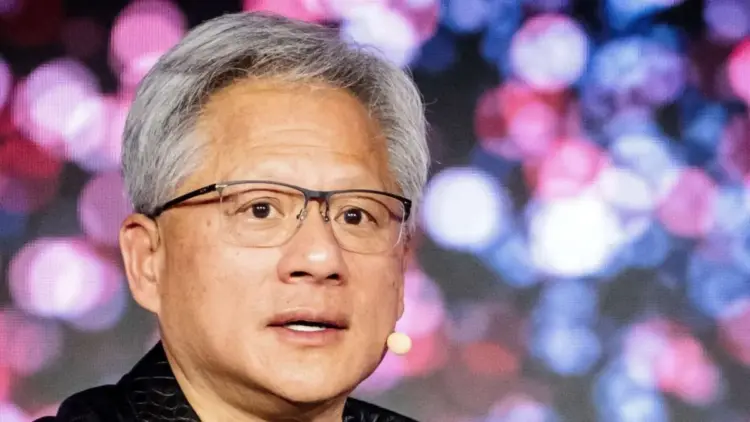
The technology world is abuzz with unprecedented speculation surrounding the future leadership of Nvidia, the undisputed titan of artificial intelligence (AI) chips. Reports indicate that the company’s board has initiated a discreet but urgent search for a successor to its charismatic co-founder and CEO, Jensen Huang. This pivotal moment for the nearly three-decade-old firm stems from recent allegations concerning Huang’s personal conduct, which have cast a shadow over his otherwise celebrated tenure and triggered a notable dip in the company’s market valuation.
The formidable task of replacing a visionary leader like Huang, whose influence permeates every facet of Nvidia’s business – from its groundbreaking technology roadmap to its intricate business relationships – presents an immense challenge. As the board casts a wide net, considering both seasoned internal executives and high-profile external candidates, the stakes could not be higher for a company at the very forefront of the global AI revolution.
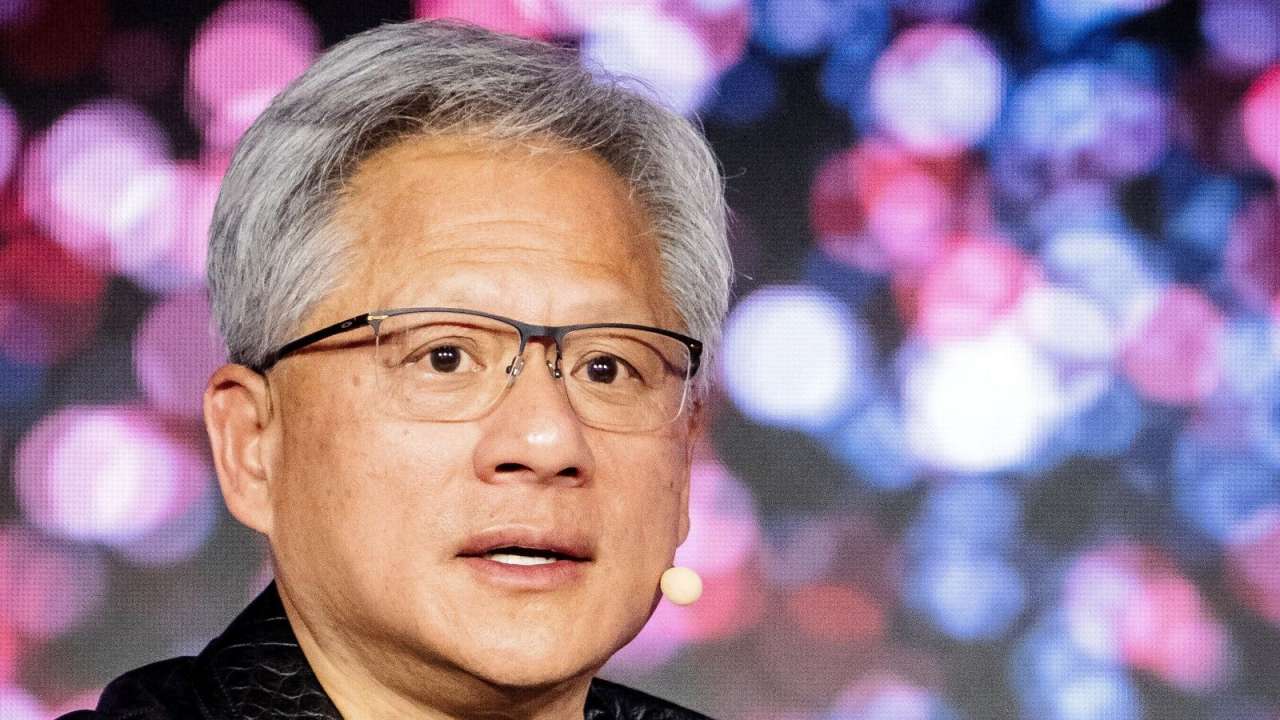
Main Facts: The Unprecedented Search for Nvidia’s Next Leader
Nvidia, a company synonymous with innovation in graphics processing units (GPUs) and, more recently, the foundational technology for artificial intelligence, finds itself at a critical juncture. The news of a search for a new CEO has sent ripples through the tech industry, primarily driven by a recent controversy involving its long-standing leader, Jensen Huang.
Jensen Huang’s Legacy Under Scrutiny
Jensen Huang co-founded Nvidia in 1993 and has steered the company through multiple technological transformations, from revolutionizing PC gaming graphics to pioneering parallel computing and, ultimately, becoming the dominant force in AI hardware. His leadership style, often described as visionary and hands-on, has been instrumental in shaping Nvidia’s culture and strategic direction. He is not merely a CEO but an architect of the company’s core technological philosophy, making his potential departure a seismic event.
The Allegation and its Immediate Fallout
The catalyst for this succession planning appears to be Huang’s alleged involvement in an affair with Alice Huang, who has been identified in reports as a suspected Chinese spy. While the details of the allegation remain largely unconfirmed by official sources, the mere surfacing of such a claim has had immediate and tangible consequences. Following the public disclosure, Nvidia’s shares experienced a significant downturn, leading to an estimated loss of $6 billion in market capitalization. This financial ripple effect underscores the sensitivity of leadership integrity, particularly for a company operating in strategically vital technological sectors amidst geopolitical tensions. The nature of the allegation itself raises concerns about corporate security, intellectual property, and international relations, adding layers of complexity to the situation.
The Board’s Deliberations: Internal vs. External Search
In response to these developments, Nvidia’s board of directors has reportedly commenced a formal search for Huang’s replacement. This search is multi-faceted, encompassing both a rigorous evaluation of internal talent and an expansive outreach to external candidates. Executive Vice-President and Chief Financial Officer Colette Kress and Vice President Ian Buck have emerged as prominent internal contenders, their deep understanding of Nvidia’s operations and culture positioning them as strong candidates. Simultaneously, the board is exploring prospects among at least eight external executives, with names from leading tech firms like Arm, AMD, Apple, Amazon, and Google reportedly under consideration. Among these, semiconductor veteran Sanjay Mehrotra, current CEO of Micron, has been highlighted as a particularly strong external candidate, bringing a wealth of industry experience to the table. The decision to look both inward and outward signifies the board’s commitment to finding a leader capable of navigating Nvidia’s complex future while preserving its innovative spirit.

Chronology: A Timeline of Turbulence at Nvidia
The current leadership dilemma at Nvidia is the culmination of nearly three decades of growth, innovation, and, most recently, unexpected challenges. Understanding the timeline of events provides crucial context for the board’s current actions.
Jensen Huang’s Reign: From Founding to Global Dominance
Jensen Huang, alongside Chris Malachowsky and Curtis Priem, founded Nvidia in April 1993. From its inception, the company focused on the then-nascent market for 3D graphics. Huang’s early vision led Nvidia to create the GeForce line of GPUs, which revolutionized PC gaming and established the company as a leader in graphics hardware. However, his most transformative strategic pivot came with the realization that GPUs were not just for rendering images; their parallel processing capabilities made them ideal for complex computations. This insight led to the development of CUDA (Compute Unified Device Architecture) in 2006, a platform that enabled developers to harness the power of GPUs for general-purpose computing.

This strategic foresight laid the groundwork for Nvidia’s dominance in scientific computing, data centers, and, most critically, artificial intelligence. Under Huang’s leadership, Nvidia became the indispensable hardware provider for the AI revolution, with its chips powering everything from autonomous vehicles to large language models. The company’s market capitalization soared, especially in the last decade, reaching trillion-dollar valuations and cementing its status as one of the most influential technology companies globally. Huang himself became a revered figure, known for his leather jacket, passionate keynotes, and deep technical understanding. For nearly 30 years, his presence has been synonymous with Nvidia’s identity and success.
The Emergence of Allegations and Market Reaction
The stability of Huang’s long-standing leadership was reportedly disrupted by allegations concerning his personal life. While the exact timeline of the alleged affair with Alice Huang, identified as a suspected Chinese spy, remains opaque, its public emergence has been recent. Reports detailing these allegations began to circulate, bringing an unforeseen ethical and security dimension to Nvidia’s corporate narrative.

The market’s reaction was swift and unequivocal. Upon the dissemination of these reports, Nvidia’s stock experienced a noticeable decline. While a $6 billion drop in market capitalization might represent a relatively small percentage of Nvidia’s multi-trillion-dollar valuation, the underlying cause—a scandal involving the CEO and potential national security implications—sent a clear message of investor concern. The dip reflected not just financial anxieties but also potential long-term risks associated with leadership stability, brand reputation, and the potential for increased scrutiny from governments and regulatory bodies, particularly given Nvidia’s critical role in advanced technology.
The Board Convenes: Initiating the Succession Process
In the wake of these unsettling developments, Nvidia’s board of directors reportedly convened a meeting on Wednesday to address the escalating situation. While the board has maintained a tight-lipped stance, refusing to comment publicly on the specifics of their discussions, the actions that have subsequently come to light speak volumes. The initiation of a formal search for a new CEO, engaging a specialized hiring firm, confirms the gravity with which the board views the allegations and their potential impact on the company’s future. This move signals a proactive approach to mitigate risks and ensure continuity of leadership, even if it means preparing for the departure of a co-founder whose presence has defined the company for decades. The decision to expand the search beyond internal candidates underscores the board’s commitment to a comprehensive evaluation, seeking the best possible leader for Nvidia’s next chapter.

Supporting Data: The Contenders and Their Credentials
The search for Jensen Huang’s successor is a quest for leadership that can not only maintain Nvidia’s momentum but also navigate the complex future of AI and global technology. The pool of candidates, both internal and external, brings diverse skill sets and experiences to the forefront.
The Internal Frontrunners: Colette Kress and Ian Buck
Nvidia’s internal pipeline boasts two highly respected executives, both intimately familiar with the company’s culture, strategy, and technological landscape. Their emergence as frontrunners underscores the board’s recognition of their significant contributions and deep institutional knowledge.

Colette Kress: Financial Acumen and Investor Trust
Colette Kress, Nvidia’s Executive Vice-President and Chief Financial Officer, is a formidable internal candidate whose career trajectory within the company has been meteoric since her arrival in September 2013. Prior to Nvidia, Kress built an impressive resume, serving as Senior Vice-President and CFO of Cisco’s Business Technology and spending 13 years at Microsoft, including a four-year stint as CFO of its Server and Tools division. Her early career also included finance roles at Texas Instruments.
At Nvidia, Kress has been instrumental in shaping the company’s financial strategy during a period of explosive growth. She has successfully managed Nvidia’s balance sheet, navigated complex capital markets, and communicated its compelling financial story to investors. Her role has extended beyond traditional finance, influencing strategic investments, M&A activities, and ensuring the fiscal health required to fund Nvidia’s ambitious R&D projects. Investors reportedly view her favorably, not only for her financial stewardship but also for her clear communication and deep understanding of the company’s business model. Her ability to articulate Nvidia’s value proposition and manage investor expectations would be crucial in a leadership transition, offering a sense of stability and continuity in a post-Huang era. Kress represents a steady hand, capable of guiding a multi-billion dollar enterprise through intricate financial landscapes and maintaining market confidence.

Ian Buck: The Architect of CUDA and Technical Visionary
Ian Buck, a Vice President at Nvidia, is a quintessential technology innovator whose impact on the company’s success, particularly in AI, cannot be overstated. He oversees products for data centers, a critical segment that includes Nvidia’s market-leading AI chips. Buck is widely credited as the developer of CUDA (Compute Unified Device Architecture), the revolutionary software framework that unlocked the parallel processing power of Nvidia’s GPUs for a vast array of computing applications beyond graphics, most notably for AI and scientific research.
CUDA is the bedrock of Nvidia’s AI ecosystem, enabling developers, researchers, and companies to leverage its hardware for everything from machine learning model training to complex simulations. Buck’s technical expertise is unparalleled, and his familiarity with Nvidia’s diverse customer base – from hyperscale cloud providers to academic institutions – makes him an invaluable asset. His leadership in developing and expanding the CUDA platform has ensured Nvidia’s enduring relevance and dominance in the rapidly evolving AI landscape. As a CEO, Buck would bring a profound technical vision, ensuring that Nvidia remains at the cutting edge of innovation and continues to anticipate future technological shifts. His ability to connect with the engineering community and steer product development would be vital for a company built on technological prowess.

External Heavyweights: A Broader Net for Leadership
Recognizing the monumental challenge of replacing Jensen Huang, the board is also looking beyond Nvidia’s walls, considering a select group of external executives who bring diverse industry perspectives and leadership experiences.
Sanjay Mehrotra: The Semiconductor Veteran from Micron
Among the most prominent external candidates is Sanjay Mehrotra, the current CEO of Micron Technology. An Indian-origin technology expert, Mehrotra is a true semiconductor veteran with a career spanning decades across various leadership roles in the memory and storage industries. Before leading Micron, he was a co-founder, President, and CEO of SanDisk, a pioneer in flash memory technology, which was acquired by Western Digital.

Mehrotra’s experience at Micron is particularly relevant. He took the helm of a company deeply entrenched in the cyclical nature of the memory market, characterized by periods of intense demand followed by oversupply and price volatility. Under his leadership, Micron diversified its product portfolio, strengthened its position in high-growth areas like data centers and automotive, and navigated supply chain complexities. His tenure saw Micron’s shares soar by over 2,700%, capitalizing significantly on the surge in demand for memory and storage driven by the AI boom and cloud computing. Mehrotra’s deep understanding of semiconductor manufacturing, global supply chains, and navigating market cycles makes him an exceptionally qualified candidate. He brings strategic acumen, operational excellence, and a proven track record of growing a major semiconductor company, all critical attributes for leading Nvidia.
Other Potential External Candidates
While specific names beyond Mehrotra are not publicly confirmed, the mention of executives from Arm, AMD, Apple, Amazon, and Google hints at the diverse profiles being considered.

- Arm: An executive from Arm could bring expertise in intellectual property licensing, chip design ecosystems, and a broad view of the semiconductor industry’s foundational elements.
- AMD: A leader from AMD, Nvidia’s primary competitor in GPUs and CPUs, would offer direct experience in competitive strategy, product roadmaps, and challenging market incumbents. Such a candidate might bring a more aggressive, market-share-driven approach.
- Apple: An executive from Apple could contribute unparalleled experience in consumer-focused innovation, ecosystem integration, and managing a global supply chain at immense scale, though perhaps less direct experience in enterprise AI hardware.
- Amazon: A leader from Amazon Web Services (AWS) would bring expertise in cloud infrastructure, large-scale data center operations, and understanding the needs of AI service providers, a key customer segment for Nvidia.
- Google: An executive from Google, particularly from its AI or cloud divisions, could offer deep insights into software-hardware co-design for AI, large-scale AI research, and the strategic direction of AI development, aligning with Nvidia’s core mission.
Each of these external profiles offers a distinct set of strengths, reflecting the board’s comprehensive approach to finding a leader who can not only manage Nvidia’s current business but also shape its future trajectory in a rapidly evolving technological and geopolitical landscape.
Official Responses: Silence and Speculation
In situations of such high corporate sensitivity, official statements are often sparse, leading to a vacuum filled by speculation and analyst commentary. Nvidia’s current stance is no exception.

Nvidia’s Board: A Stance of Prudence
Following the reported board meeting, Nvidia’s directors have maintained a resolute silence on the matter of Jensen Huang’s potential succession. This "kept mum" approach is typical for publicly traded companies navigating sensitive leadership changes, especially those involving allegations that could have legal, reputational, or national security implications. Any premature or ill-advised statement could further destabilize stock prices, invite unwanted scrutiny, or complicate the succession process itself. The board’s silence is therefore a calculated strategy, aimed at preserving options and managing the narrative carefully behind the scenes. It suggests that while discussions are undoubtedly intense, no definitive decisions have been finalized or are ready for public disclosure. The engagement of a hiring firm, however, serves as an unofficial confirmation of the board’s active pursuit of a replacement, even without a formal announcement.
Analyst Reactions and Investor Sentiment
Despite the official silence, the investment community and industry analysts have been highly vocal. Investors, while reportedly "upset with the controversy over the extramarital affairs of Jensen Huang," are also acutely aware of the complexities involved in replacing a founder-CEO of Huang’s stature. The $6 billion market cap drop reflects immediate concern, but the broader sentiment is a mix of apprehension and strategic contemplation.

Analysts are weighing the potential impact of Huang’s departure on Nvidia’s innovation pipeline, strategic partnerships, and market dominance. Some express concern that a new leader, particularly an external one, might struggle to replicate Huang’s unique blend of technical vision and business acumen. Others argue that a fresh perspective could bring renewed vigor and address potential governance concerns. The consensus, however, is that any transition must be handled with extreme care to avoid disrupting Nvidia’s critical role in the global technology ecosystem. The market will be looking for strong signals from the board regarding the timeline, the selection criteria, and the chosen successor’s ability to maintain the company’s trajectory.
The Challenge of Succession Communication
The lack of official statements also highlights the significant challenge of communicating such a major leadership transition. For a company like Nvidia, where the founder is so deeply embedded in its brand and strategy, announcing a succession plan, especially under contentious circumstances, requires masterful public relations and investor relations strategies. The communication will need to reassure stakeholders about the company’s stability, its continued commitment to innovation, and the seamless transition of power, all while addressing (or skillfully sidestepping) the allegations that initiated the process. This delicate balancing act will be crucial in shaping market perception and maintaining confidence in Nvidia’s future.

Implications: Nvidia’s Future Beyond Huang
The potential departure of Jensen Huang marks a watershed moment for Nvidia, carrying profound implications not just for the company itself but for the broader technology industry, particularly in the critical domain of artificial intelligence.
Navigating a Post-Founder Era: Strategic and Cultural Shifts
Replacing a founder-CEO who has led a company for nearly three decades is one of the most challenging transitions any organization can face. Huang has not only designed Nvidia’s business strategy and technology direction but has also "forged business relationships" and imbued the company with a distinct culture. Stepping into his shoes will be an "uphill task" for any successor. The new CEO will need to balance continuity with necessary evolution, preserving Nvidia’s innovative spirit while potentially introducing new strategic priorities or operational efficiencies. This transition could lead to subtle yet significant shifts in corporate culture, decision-making processes, and the company’s approach to risk and growth. The ability of the new leader to command the loyalty of Nvidia’s highly talented engineering and executive teams will be paramount.

The Geopolitical Chessboard: Espionage Allegations and Supply Chain Security
The alleged involvement of a "Chinese spy" in the controversy surrounding Jensen Huang adds a critical geopolitical dimension to the succession crisis. Nvidia operates at the epicenter of the US-China technology rivalry, providing the foundational chips for AI, a technology with dual-use applications in both civilian and military sectors. Allegations of espionage, even unproven, can trigger heightened scrutiny from national security agencies, potentially impacting Nvidia’s ability to operate in certain markets, obtain necessary licenses, or engage in international collaborations. The new CEO will need to navigate this complex geopolitical chessboard, ensuring compliance with evolving regulations, safeguarding intellectual property, and maintaining secure supply chains in a fragmented global landscape. The integrity of leadership in such a critical company becomes a matter of national strategic importance.
Maintaining AI Dominance: The New CEO’s Defining Challenge
Nvidia’s phenomenal success in recent years is largely attributable to its dominant position in AI hardware. The company’s CUDA platform and advanced GPUs are the backbone of most AI research and deployment globally. The new CEO’s most defining challenge will be to maintain this leadership amidst intensifying competition from other chipmakers (like AMD and Intel), hyperscale cloud providers developing their own custom AI chips (like Google’s TPUs and Amazon’s Inferentia), and the relentless pace of technological innovation. The successor will need to make critical decisions about Nvidia’s future R&D investments, its software ecosystem strategy, and its expansion into new AI frontiers such as robotics, quantum computing interfaces, and advanced simulation. The ability to anticipate the next wave of AI advancements and pivot accordingly will be crucial for sustained growth and market leadership.

Market Reaction and Long-Term Investor Confidence
The initial $6 billion market cap drop served as an immediate indicator of investor anxiety. However, the long-term impact on investor confidence will depend heavily on the board’s handling of the succession, the profile of the chosen leader, and their ability to articulate a clear vision for Nvidia’s future. Investors are not just concerned about the immediate financial fallout of the controversy but also how the company will be hit "after it sacks the leader who has run it since co-founding it in 1993." A smooth transition, with a strong, credible leader who can quickly establish trust and demonstrate a firm grasp of Nvidia’s strategic direction, will be essential to reassure the market. Conversely, a prolonged or contentious search, or the selection of a leader perceived as lacking vision or experience, could lead to sustained investor skepticism and volatility in Nvidia’s stock. The future of Nvidia, and its pivotal role in the AI era, now hinges on the board’s critical decision.