NEW DELHI, India – November 4, 2026 – India’s vibrant precious metals market is once again under the spotlight as gold and silver prices exhibit significant movements, heavily influenced by a confluence of global market trends, robust local demand, and fluctuating currency rates. As of November 4, 2026, both gold and silver have registered notable shifts, compelling investors and consumers alike to keenly observe the unfolding dynamics. This comprehensive analysis breaks down the current pricing landscape, explores the underlying factors, and delves into the broader implications for the Indian economy and its citizens.
Main Facts: India’s Precious Metals Market on November 4, 2026
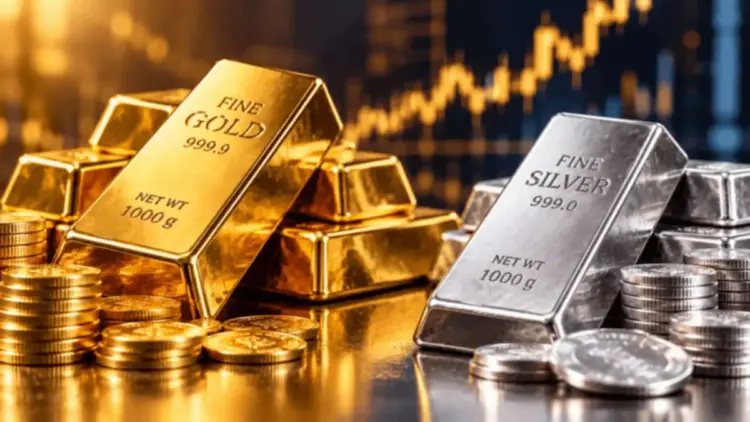
The morning of November 4, 2026, sees gold prices in India experiencing a discernible uptick, primarily driven by heightened global demand for safe-haven assets and persistent inflationary pressures across major economies. The benchmark 24-carat gold (999 pure) is currently pegged at an average of Rs 13,888 per gram, reflecting a slight but impactful increase from previous days. Concurrently, 22-carat gold, the preferred purity for Indian jewellery, stands at Rs 12,730 per gram. These figures represent a national average, with slight variations observed across major metropolitan centers.
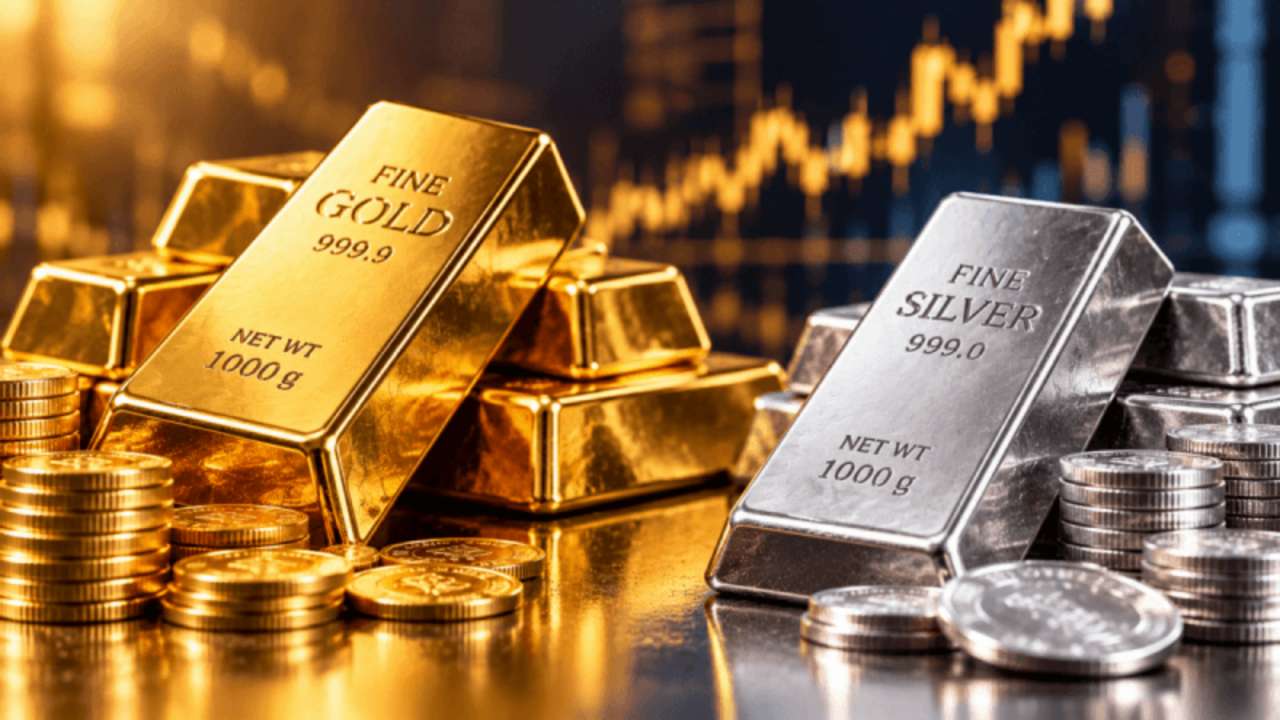
Silver, often trailing gold but equally vital to the Indian market, has also seen considerable movement. The price of 999 pure silver is hovering around Rs 2,000 per 10 grams, translating to approximately Rs 2,00,000 per kilogram. Sterling silver (925 purity), another popular choice for ornaments and industrial applications, is priced at Rs 2,20,000 per kilogram. These prices underscore silver’s growing appeal as both an investment vehicle and a commodity with diverse industrial applications, particularly as global economic recovery efforts intensify.
The prevailing market sentiment suggests a cautious optimism among traders and a persistent appetite among consumers, particularly as India approaches its traditionally high-demand festive and wedding seasons. The interplay of international commodity prices, the strength of the US Dollar against the Indian Rupee, and intrinsic domestic consumption patterns continues to be the primary determinants shaping these daily fluctuations.
Chronology: Tracing the Trajectory of Precious Metal Prices
Understanding the current prices necessitates a look back at the historical and recent forces that have shaped the precious metals market leading up to November 2026. The journey of gold and silver prices in India is a complex narrative, interwoven with global economic cycles, geopolitical shifts, and deeply ingrained cultural practices.
A Decade of Volatility and Growth (2016-2026)
The last decade has been a roller coaster for precious metals. From 2016 to the present, gold has solidified its reputation as a crucial hedge against inflation and economic uncertainty. Periods of global economic slowdowns, trade wars, the unprecedented COVID-19 pandemic, and subsequent inflationary surges saw gold prices scale new heights. Investors flocked to the yellow metal during times of crisis, leveraging its perceived stability amidst equity market volatility and currency depreciation.

Silver, often dubbed "poor man’s gold," has mirrored gold’s general trend but with higher volatility due to its dual role as a precious metal and an industrial commodity. Its demand has been significantly influenced by advancements in solar technology, electronics, and electric vehicles, creating a unique demand-supply dynamic.
Key Influencers Leading to November 2026
Several critical factors have converged to define the market scenario on November 4, 2026:

- Global Economic Climate: The past year has seen a mixed global economic performance. While some major economies demonstrated robust recovery, others grappled with lingering inflationary pressures and threats of recession. Central banks globally, including the US Federal Reserve and the European Central Bank, have been navigating complex monetary policies, with interest rate decisions significantly impacting the appeal of non-yielding assets like gold. Any indication of a pause or pivot in rate hikes tends to bolster gold prices.
- Geopolitical Landscape: The geopolitical arena remains a significant influencer. Ongoing tensions in Eastern Europe, uncertainties in the Middle East, and evolving US-China relations have consistently fueled demand for safe-haven assets. The image of political figures like Donald Trump (as seen in the original article’s associated image) hints at potential political shifts or events that could inject uncertainty into global markets, thereby increasing gold’s allure.
- Domestic Demand Dynamics: India’s love affair with gold is legendary. The run-up to the festive season, particularly Diwali, Dhanteras, and the subsequent wedding season, invariably triggers a surge in demand. This cyclical demand acts as a strong foundational support for prices, often insulating them from sharper dips even when global trends might suggest otherwise. Investment demand, often manifesting through gold ETFs, sovereign gold bonds, and physical bullion, also contributes significantly.
- Currency Fluctuations: The exchange rate between the Indian Rupee (INR) and the US Dollar (USD) is a pivotal factor. Since India imports a substantial portion of its gold, a weaker Rupee makes gold more expensive in local currency terms, even if international dollar-denominated prices remain stable or decline. Conversely, a stronger Rupee can temper price increases. Recent volatility in the USD-INR pair has directly impacted the landed cost of precious metals.
- Inflationary Pressures: Inflation has been a persistent concern globally and within India. Gold traditionally serves as an excellent hedge against inflation, as its intrinsic value tends to preserve purchasing power when fiat currencies depreciate. The current inflationary environment, fueled by supply chain disruptions, energy price volatility, and robust consumer spending, continues to underpin gold’s appeal.
Recent Developments: The Immediate Precursors
In the weeks leading up to November 4, 2026, market analysts observed a subtle but steady increase in gold’s momentum. Reports of robust central bank gold purchases globally, coupled with a slightly weaker US dollar index, provided tailwinds. Silver, benefiting from renewed industrial activity and a bullish outlook for renewable energy sectors, also found strong support. These factors combined to create the current market conditions where both metals are trading at elevated levels.
Supporting Data: A Detailed Breakdown of Current Prices and Purity
The nuanced pricing structure of gold and silver in India reflects not only global influences but also local market characteristics, purity standards, and regional demand patterns.

Gold Prices on November 4, 2026: Purity and City-Wise Breakdown
As highlighted, gold prices on November 4, 2026, have witnessed a slight but significant increase. The distinction between 24K and 22K gold is crucial for consumers:
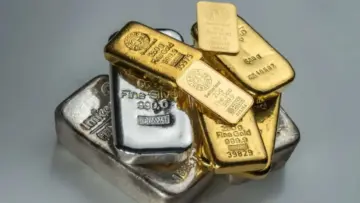
- 24K Gold (999 Pure Gold): This is the purest form of gold, containing 99.9% pure gold. It is typically used for investment purposes (bullion, coins) and is not generally suitable for intricate jewellery due to its softness. The national average price for 24K gold stands at Rs 13,888 per gram.
- 22K Gold (91.67% Pure Gold): This purity contains 91.67% gold and the remaining percentage comprises alloys like copper or silver, added to increase durability and make it suitable for crafting jewellery. This is the most common purity for Indian gold jewellery. The national average price for 22K gold is Rs 12,730 per gram. The difference in price per gram directly reflects the lower gold content.
City-Wise Gold Rates (as per Good Returns):

The slight variations in prices across cities are primarily due to differences in local taxes (like GST), transportation costs, and regional demand-supply dynamics.
- Gold prices in Delhi:
- 24K Gold: Rs 13,903 per gram
- 22K Gold: Rs 12,745 per gram
- Delhi often sees slightly higher prices due to its status as a major trading hub and high consumption.
- Gold prices in Mumbai:
- 24K Gold: Rs 13,888 per gram
- 22K Gold: Rs 12,730 per gram
- Mumbai, a key financial center, often reflects the national average closely.
- Gold prices in Kolkata:
- 24K Gold: Rs 13,888 per gram
- 22K Gold: Rs 12,730 per gram
- Kolkata, another significant market, aligns with the national benchmark.
- Gold prices in Chennai:
- 24K Gold: Rs 13,888 per gram
- 22K Gold: Rs 12,730 per gram
- Chennai, a major hub for South Indian jewellery, also matches the national average on this particular day.
Silver Prices on November 4, 2026: Purity and City-Wise Breakdown
Silver, while generally less expensive than gold, holds immense cultural and economic significance in India. Its prices are influenced by similar global and local factors, with industrial demand playing a particularly crucial role.

- 999 Pure Silver: This is the highest purity of silver available, typically used for investment bars and coins. The price for 999 pure silver is approximately Rs 2,000 per 10 grams, translating to Rs 2,00,000 per kilogram.
- Silver 925 (Sterling Silver): This alloy contains 92.5% pure silver and 7.5% other metals, usually copper. It is widely used for jewellery, silverware, and decorative items due to its durability and luster. The price for Silver 925 is quoted at Rs 2,20,000 per kilogram. The slightly higher per-kilogram rate for 925 silver compared to the implied 999 silver price (if calculated per kg based on 10g rate) often includes additional processing costs and market premium for this specific alloy in certain applications.
City-Wise Silver Rates (999 Purity):
Interestingly, silver prices show less regional variation compared to gold on this specific day, reflecting a more unified national market for bullion.

- Silver price in Delhi today:
- 999 Silver: Rs 2,000 per 10 grams
- Silver price in Mumbai today:
- 999 Silver: Rs 2,000 per 10 grams
- Silver price in Kolkata today:
- 999 Silver: Rs 2,000 per 10 grams
- Silver price in Chennai today:
- 999 Silver: Rs 2,000 per 10 grams
Investment vs. Jewellery: Different Motivations
The demand for gold and silver in India stems from two distinct motivations:
- Investment: Many Indians view gold and silver as tangible assets and a crucial component of their savings, especially in rural areas. They act as a hedge against inflation and economic downturns, offering liquidity during financial emergencies. Sovereign Gold Bonds (SGBs), Gold Exchange Traded Funds (ETFs), and digital gold platforms have also gained traction among urban investors.
- Consumption/Cultural Significance: Gold jewellery is an integral part of Indian weddings, festivals, and cultural ceremonies. It represents prosperity, status, and is often passed down through generations. Silver, too, holds cultural significance, especially in certain regions where silver ornaments are more prevalent, and for religious offerings and household items.
Comparison with Other Assets
While precious metals offer unique advantages, investors often compare them with other asset classes. Equities offer potential for higher returns but come with greater volatility. Real estate provides long-term capital appreciation and rental income but has high entry barriers and low liquidity. Fixed deposits offer safety and assured returns but often struggle to beat inflation. Gold and silver, therefore, carve out a niche as portfolio diversifiers, offering a balance between risk and return, particularly during periods of economic uncertainty.

Official Responses: Expert Opinions and Industry Insights
The current market movements have elicited various perspectives from economists, industry experts, and financial institutions, providing crucial context for understanding the prevailing sentiment and future outlook.
Economists’ Views on Inflation and Global Stability
Dr. Alok Sharma, a prominent economist specializing in emerging markets, commented, "The slight increase in gold prices today is a clear indicator of persistent global inflationary pressures and an underlying current of geopolitical uncertainty. Central banks are in a tricky position, balancing economic growth with price stability. Any dovish signals from major central banks could send gold soaring further, as investors seek refuge from potential currency debasement."

He further added, "The US Dollar’s recent fluctuations also play a critical role. A weaker dollar makes dollar-denominated commodities like gold cheaper for holders of other currencies, thereby boosting demand. We anticipate this trend to continue as long as global economic recovery remains uneven."
Jewellery Industry Perspective
Mr. Ramesh Jain, President of the All India Gem and Jewellery Domestic Council (GJC), expressed optimism about the upcoming festive season. "Despite the current elevated prices, we foresee robust demand for gold and silver jewellery. Gold is deeply embedded in Indian culture, and for many, it’s not just an investment but an essential part of celebrations and traditions. We expect consumers to adapt, perhaps opting for lighter jewellery or smaller purchases, but the demand will remain strong."

He also emphasized the importance of purity standards. "With the mandatory hallmarking of gold jewellery, consumer confidence has significantly improved. Buyers are more assured of the purity they are paying for, which is a positive development for the entire industry. We are also seeing a growing interest in certified silver jewellery, particularly among younger demographics."
Government and Regulatory Stance
While there haven’t been immediate direct government responses to today’s price movements, the Reserve Bank of India (RBI) consistently monitors inflation and currency stability, which indirectly impacts precious metal prices. The government’s stance on import duties for gold and silver remains a key determinant of domestic prices. Any adjustments to these duties can significantly alter the cost structure for importers and, consequently, for consumers. The focus remains on curbing illicit trade while ensuring adequate supply to meet legitimate domestic demand.

Analysts from leading financial institutions also highlighted the increasing role of digital investment options. "The government-backed Sovereign Gold Bonds (SGBs) and various Gold ETFs have provided accessible alternatives for investors to gain exposure to gold without the concerns of storage and purity," noted Ms. Priya Singh, a senior analyst at a Mumbai-based brokerage. "These instruments democratize gold investment and help channel savings into productive avenues."
Implications: Future Outlook and Consumer Advice
The current market scenario on November 4, 2026, carries significant implications for various stakeholders, from individual consumers planning festive purchases to institutional investors diversifying their portfolios.

For Investors: Navigating Volatility and Opportunity
The slight increase in gold prices, coupled with a steady silver market, suggests a resilient precious metals sector. For long-term investors, gold and silver continue to serve as crucial portfolio diversifiers and hedges against inflation and economic instability.
- Long-Term Horizon: Experts generally advise a long-term perspective for precious metal investments. Historical data suggests that over extended periods, gold tends to preserve wealth.
- Diversification: Including gold and silver in a diversified portfolio can mitigate overall risk, especially during periods when equity markets are volatile or interest rates are low.
- Alternative Avenues: Investors should explore options beyond physical gold, such as Sovereign Gold Bonds (SGBs) which offer interest income, Gold Exchange Traded Funds (ETFs) for liquidity, and digital gold platforms for ease of transaction. These options minimize storage costs and security concerns.
For Consumers: Making Informed Decisions
For individuals planning to purchase gold or silver for weddings, festivals, or personal use, the current prices warrant careful consideration.

- Timing Purchases: While it’s difficult to perfectly time the market, keeping an eye on global economic news, currency movements, and upcoming festive demand forecasts can help. Purchases closer to the festive season might see slightly higher prices due to increased demand.
- Purity and Hallmarking: Always insist on hallmarked jewellery for gold and certified purity for silver. This ensures authenticity and fair value. For gold, BIS hallmark is mandatory for jewellery.
- Making Charges: Be aware of making charges on jewellery, which can significantly add to the overall cost. These charges vary widely among jewelers and can sometimes be negotiated.
- Budgeting: With current elevated prices, consumers might consider budgeting for lighter jewellery pieces or exploring designs that offer a substantial look with less metal.
Market Outlook: Potential Upside and Downside Risks
The outlook for precious metals in the coming months remains cautiously optimistic, albeit with potential headwinds.
- Upside Risks:
- Persistent Inflation: If global inflation remains stubborn, central banks might be forced to keep interest rates lower for longer, or if they hike rates aggressively, it could trigger economic slowdowns, both scenarios favouring gold.
- Geopolitical Escalation: Any significant geopolitical event or escalation of existing conflicts would immediately boost safe-haven demand for gold.
- Weaker US Dollar: A sustained depreciation of the US Dollar would make gold more affordable internationally, potentially pushing prices higher.
- Downside Risks:
- Strong Economic Recovery: A robust and sustained global economic recovery, coupled with controlled inflation, could diminish gold’s appeal as a safe haven.
- Aggressive Rate Hikes: If central banks embark on a series of aggressive interest rate hikes that effectively curb inflation without causing a severe recession, the opportunity cost of holding non-yielding gold could increase, leading to price corrections.
- Reduced Industrial Demand (for silver): A significant slowdown in industrial production, particularly in sectors like electronics and renewable energy, could adversely impact silver prices.
The Role of Technology and Digitalization
The Indian precious metals market is also undergoing a technological transformation. The advent of digital gold platforms allows fractional investments and easier transactions, making gold accessible to a broader demographic, including younger investors. This digitalization is likely to continue shaping how Indians buy, sell, and hold gold and silver, fostering greater transparency and liquidity in the market.

In conclusion, November 4, 2026, marks another dynamic day for India’s precious metals market. While global factors continue to dictate overarching trends, India’s unique cultural demand and evolving economic landscape ensure that gold and silver remain not just commodities, but integral components of the nation’s financial and social fabric. Investors and consumers are advised to stay informed, exercise prudence, and leverage expert insights to navigate this ever-evolving market.