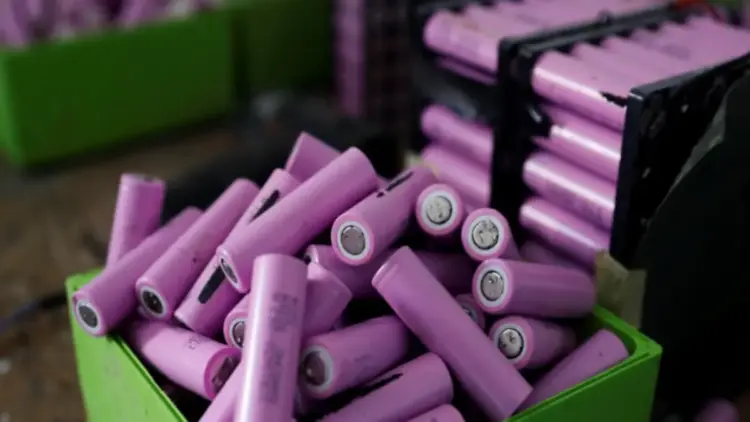
NEW DELHI, [Date] – In a significant policy pivot aimed at bolstering its domestic recycling capabilities and securing critical mineral supply chains, India has immediately prohibited the export of lithium-ion battery black mass. The move, announced by the Directorate General of Foreign Trade (DGFT), reclassifies the export policy for this crucial category of battery waste from ‘Free’ to ‘Prohibited’ under ITC (HS) Code 85491400. This decisive action underscores India’s strategic intent to cultivate a robust circular economy for its rapidly expanding electric vehicle (EV) and renewable energy sectors, thereby reducing its heavy reliance on imported critical minerals.
The government’s decision is not merely a restriction but a strategic imperative. By retaining mineral-rich black mass within its borders, India seeks to ensure a steady feedstock for emerging domestic recyclers, stimulate investments in advanced mineral extraction technologies, and ultimately achieve greater self-sufficiency in the production of vital components for next-generation batteries. This policy shift is expected to have profound implications for India’s industrial landscape, environmental sustainability, and geopolitical standing in the global race for critical resources.
A Deep Dive into the Ban: What It Entails
The DGFT notification marks an immediate and impactful change, transforming the regulatory framework for a specific, yet highly valuable, segment of battery waste. The core of this policy is to prevent the outflow of materials that India itself desperately needs to fuel its green energy ambitions.
The Regulatory Shift: From ‘Free’ to ‘Prohibited’
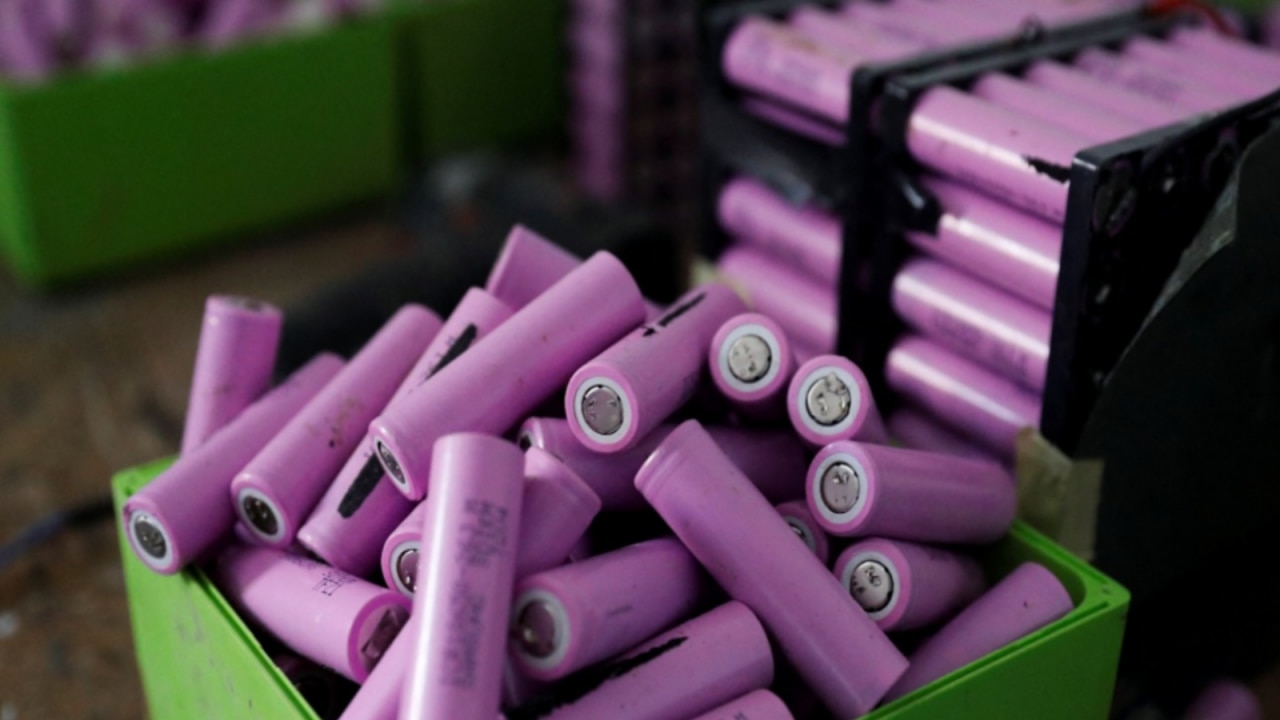
Prior to this notification, the export of unsorted battery waste and scrap that did not contain lead, cadmium, or mercury – a category that crucially includes lithium-ion battery black mass – was permitted without significant restrictions under the ‘Free’ category of ITC (HS) Code 85491400. This allowance meant that while India was generating substantial amounts of this valuable waste, much of it was being shipped abroad to countries with more advanced recycling infrastructure.
The recent amendment fundamentally alters this dynamic. The ‘Prohibited’ status signifies that exporters can no longer ship this material out of the country without specific, and likely rare, exemptions. This tightens the supply chain domestically, making black mass exclusively available to Indian processing units. The restriction is stated to remain in force "until further orders," indicating a long-term commitment to this policy direction, subject to future reviews based on the development of the domestic recycling industry. This strategic reclassification is a clear signal of the government’s intent to prioritize national resource security and foster indigenous industrial growth.
Defining Black Mass: A Critical Resource
At the heart of this policy lies "black mass," a powder-like material that is the immediate product of processing spent lithium-ion batteries. When used batteries reach their end-of-life, they undergo a series of mechanical processes – dismantling, shredding, and crushing. The resulting mixture, often dark in colour, is known as black mass.
What makes black mass so valuable is its rich composition. It is a treasure trove of critical and strategic minerals essential for battery manufacturing and other high-tech applications. These include:
- Lithium: The cornerstone element of lithium-ion batteries, crucial for energy storage.
- Cobalt: A high-value metal that enhances battery performance, stability, and lifespan.
- Nickel: Important for increasing energy density and reducing cobalt content in newer battery chemistries.
- Manganese: Used to improve thermal stability and reduce costs.
- Graphite: A key anode material in lithium-ion batteries.
Through further sophisticated chemical processing, primarily hydrometallurgy, recyclers can extract these individual materials in a pure, reusable form. Hydrometallurgy involves using aqueous solutions to selectively dissolve and recover metals, offering a more environmentally friendly alternative to traditional smelting (pyrometallurgy) in some cases. The ability to efficiently extract and refine these minerals from black mass is a cornerstone of a circular economy for batteries, significantly reducing the need for primary mining and its associated environmental impacts.
Scope and Exclusions: A Targeted Intervention
It is important to clarify the precise scope of this export ban. The DGFT notification explicitly targets "Unsorted and not containing lead, cadmium or mercury (Lithium-Ion Battery Black Mass)" under ITC (HS) Code 85491400. This is not a blanket prohibition on the export of all types of battery waste or battery-related materials.

The specific exclusion of batteries containing lead, cadmium, or mercury is significant. These heavy metals are typically found in older battery chemistries (e.g., lead-acid batteries, NiCd batteries) which have different recycling pathways and regulatory frameworks. By focusing solely on lithium-ion battery black mass, the government is making a targeted intervention on the fastest-growing and most strategically important segment of battery waste, directly aligning with its clean energy and EV goals. This focused approach ensures that the policy directly addresses the most pressing need for domestic resource retention without unnecessarily disrupting other established waste management streams.
Chronology of India’s Critical Mineral Strategy
The recent ban on black mass export is not an isolated event but a carefully considered step within a broader, evolving national strategy to secure critical minerals and build a sustainable, self-reliant industrial future.
The Precedent: India’s Growing Mineral Imperative
India’s journey towards a critical minerals strategy is driven by compelling global and domestic forces. The world is witnessing an unprecedented surge in demand for critical minerals, fueled by the global energy transition. Electric vehicles, grid-scale energy storage systems, and renewable energy technologies (solar panels, wind turbines) are all highly dependent on minerals like lithium, cobalt, nickel, rare earth elements, and more.

Historically, India has been a significant importer of many of these minerals, leaving its burgeoning clean energy sector vulnerable to supply chain disruptions, price volatility, and geopolitical tensions. The rapid growth projections for India’s EV market alone highlight this vulnerability. With ambitious targets for EV adoption and a push for domestic manufacturing under initiatives like ‘Make in India’ and Production Linked Incentive (PLI) schemes, the demand for battery components is set to skyrocket. Recognizing this, the government has intensified efforts to identify, acquire, and process critical minerals, both domestically and through international partnerships. The black mass ban is a direct consequence of this strategic understanding: what cannot be reliably imported must be recovered and reused at home.
Key Policy Milestones
The current export prohibition is buttressed by a series of proactive policy measures and initiatives designed to strengthen India’s critical mineral ecosystem:
- National Critical Mineral Mission (Approved September 2025): This overarching mission represents a landmark commitment to securing and developing India’s critical mineral resources. Its mandate includes identifying critical minerals, exploring domestic reserves, fostering processing capabilities, and ensuring supply chain resilience. The mission provides the strategic framework within which targeted policies like the black mass export ban operate.
- Incentive Scheme for Promotion of Critical Mineral Recycling (Rs 1,500 Crore, under National Critical Mineral Mission): Approved alongside the mission, this substantial incentive scheme is a crucial financial lever. It aims to encourage significant private and public investment in facilities capable of extracting critical minerals from secondary sources. These sources include spent lithium-ion batteries (where black mass is the intermediate product), electronic waste (e-waste), and various forms of industrial scrap. The scheme directly addresses the "gap" identified in the original article – the limited domestic capacity for advanced mineral extraction from black mass – by making such investments financially attractive.
- Removal of Basic Customs Duty on Specified Lithium-Ion Battery Scrap (Union Budget 2025-26): This fiscal measure complements the export ban by facilitating the import of specific types of lithium-ion battery scrap that might be needed to feed domestic recycling plants. While the ban prevents black mass from leaving, the customs duty removal encourages the inflow of raw materials for recycling. This dual approach aims to maximize the available feedstock for Indian recyclers, ensuring they have sufficient material to process and scale up their operations. By reducing the cost of imported scrap, the government makes domestic recycling more competitive and economically viable.
- Battery Waste Management Rules (2022): Even before the black mass ban, India had established comprehensive Battery Waste Management Rules in 2022. These rules introduced the concept of Extended Producer Responsibility (EPR) for battery manufacturers and importers, making them responsible for the collection and recycling of their products at end-of-life. The rules also set ambitious collection and recycling targets for different types of batteries. While the black mass ban directly addresses export, the BWM Rules provide the foundational framework for collection, segregation, and channeling of spent batteries to authorized recyclers, creating the necessary supply of black mass in the first place.
Evolution of Battery Waste Management
India’s approach to battery waste has matured considerably. Historically, battery waste management was largely informal, with limited formal recycling infrastructure. As the use of portable electronics and then electric vehicles began to rise, the potential environmental hazards and resource loss from improper disposal became evident. The initial focus was on managing hazardous components like lead and mercury. However, with the advent of lithium-ion technology, the emphasis shifted to resource recovery due to the high value of the contained minerals. The current ban represents the latest evolution in this journey, moving beyond basic waste management to strategic resource conservation and industrial development. It signals a shift from treating spent batteries merely as waste to recognizing them as a vital secondary source of critical minerals.

Supporting Data and Market Dynamics
The decision to ban black mass exports is grounded in a clear understanding of global and domestic market realities concerning critical minerals.
The Global Critical Mineral Landscape
The global demand for critical minerals is projected to surge dramatically over the next few decades, driven by the clean energy transition. For instance, the demand for lithium could increase by over 40 times by 2040, cobalt and nickel by 20-25 times, according to the International Energy Agency (IEA). This escalating demand has created a highly competitive and often geopolitically charged landscape.
A few countries currently dominate the mining, refining, and processing of these critical minerals. For example, a significant portion of the world’s lithium refining and cobalt processing capacity is concentrated in China. This concentration creates vulnerabilities in global supply chains, as disruptions in any one region can have cascading effects worldwide. Nations are increasingly viewing critical mineral security as a matter of national economic and strategic security, leading to a global scramble for resources and the establishment of resilient supply chains. India’s ban on black mass export is a direct response to this global dynamic, aiming to secure its own position amidst fierce international competition.

India’s Consumption and Import Figures
India’s domestic demand for critical minerals, particularly those used in lithium-ion batteries, is on an exponential growth curve. The government’s ambitious targets include:
- Electric Vehicles: Aiming for 30% EV penetration in private cars, 70% in commercial vehicles, and 80% in two and three-wheelers by 2030. This translates into millions of EVs, each requiring a battery pack rich in critical minerals.
- Renewable Energy: Massive investments in solar and wind power, coupled with the need for grid-scale battery energy storage systems (BESS) to ensure grid stability.
- Consumer Electronics: Continued growth in smartphones, laptops, and other devices, all powered by lithium-ion batteries.
Currently, India imports nearly all its requirements for lithium, cobalt, and nickel in their refined forms. The value of these critical mineral imports runs into billions of dollars annually and is set to increase significantly with rising demand. By domestically recycling black mass, India can potentially recover a substantial portion of these minerals, leading to:
- Significant Economic Savings: Reducing the import bill for critical minerals and processed materials.
- Value Addition: Keeping the economic value of processing and refining within the country.
- Job Creation: Stimulating employment in collection, dismantling, recycling, and advanced manufacturing sectors.
Estimates suggest that a fully operational domestic recycling industry could eventually meet a substantial percentage of India’s demand for certain critical minerals, offering a tangible path to economic savings and resource independence.

The Recycling Ecosystem: Current State and Future Potential
The original article correctly identifies a critical gap in India’s battery recycling ecosystem. While the country has developed nascent capabilities in the initial stages of recycling – namely the collection, dismantling, and shredding of used lithium-ion batteries – its capacity for the more advanced, capital-intensive process of extracting valuable minerals from black mass remains limited. Many domestic players have focused on the mechanical pre-treatment, generating black mass, but then exporting this valuable intermediate product for further processing abroad.
The export ban is designed to force and facilitate investment in these crucial downstream processing facilities. It creates a guaranteed domestic market for black mass, thereby de-risking investments in hydrometallurgical or other advanced extraction technologies. The potential for growth is immense:
- Investment Opportunities: The ban will likely spur significant domestic and foreign investment in advanced recycling plants, particularly in technology transfer and infrastructure development.
- Technological Advancement: It will encourage Indian companies to acquire and develop proprietary technologies for efficient and environmentally sound mineral extraction.
- Skill Development: A new industry will necessitate a skilled workforce, creating opportunities for training and employment in chemical engineering, metallurgy, and related fields.
The government’s incentive schemes and customs duty relaxations are explicitly aimed at nurturing this nascent industry, providing both financial support and a regulatory environment conducive to growth.

Official Responses and Industry Perspectives
The government’s decision is underpinned by clear strategic objectives, and its implementation is likely to elicit varied responses from stakeholders.
Government’s Stated Objectives
The official stance from the Indian government is unequivocal: the ban is a cornerstone of its broader vision for self-reliance and sustainable development. Key objectives include:
- Atmanirbhar Bharat (Self-Reliant India): Reducing dependence on global supply chains for critical minerals, which are prone to geopolitical volatilities and price fluctuations.
- Circular Economy: Promoting the principles of reduce, reuse, and recycle by ensuring that valuable resources are recovered and reintegrated into the domestic economy, minimizing waste and resource depletion.
- Value Addition: Capturing the economic value associated with advanced processing and refining within India, rather than exporting raw or semi-processed materials.
- National Security: Securing access to vital resources that underpin strategic industries like defense, space, and renewable energy.
- Environmental Stewardship: Mitigating the environmental impact of primary mining by promoting urban mining through recycling.
Officials from the Ministry of Commerce and Industry and the Ministry of Mines have likely emphasized the long-term strategic benefits of this policy, positioning it as a proactive measure to future-proof India’s industrial growth and energy security. While no direct quotes are provided in the source, the overarching government narrative consistently points towards these strategic goals.

Industry Reactions and Challenges
The industry’s response to the ban is expected to be bifurcated:
- Domestic Recyclers: Companies already engaged in or planning to enter advanced battery recycling are likely to welcome the move enthusiastically. For them, the ban guarantees a steady and predictable supply of black mass, enabling better capacity utilization and justifying investments in expensive hydrometallurgical plants. This policy acts as a protective measure, nurturing the nascent domestic industry against competition from established international players who might have outbid them for black mass feedstock.
- Exporters: Companies that were previously exporting black mass will face an immediate disruption to their business models. They will now need to either pivot towards domestic processing or find new avenues for their operations within India. While some might express concerns about the suddenness of the ban or market adjustments, the government’s long-term vision aims to re-channel their activities into the domestic value chain.
Despite the positive outlook for domestic recycling, several challenges remain:
- Technology Acquisition and Scale-Up: Indian companies will need to invest heavily in proven, efficient, and environmentally compliant technologies for mineral extraction. This often involves technology transfer agreements or significant R&D.
- Capital Investment: Setting up advanced hydrometallurgical plants requires substantial capital. While government incentives exist, the scale of investment needed across the industry is immense.
- Skilled Workforce: A specialized workforce with expertise in chemical engineering, metallurgy, and process control will be essential.
- Regulatory Clarity and Standardization: Ensuring clear, consistent, and stable regulatory frameworks for environmental compliance, waste handling, and product quality standards will be crucial for investor confidence.
Expert Analysis
Economists and environmentalists generally view the ban as a positive, albeit challenging, step. Economists would highlight the potential for import substitution, job creation, and the development of a new industrial sector. Environmental experts would laud the shift towards a circular economy, emphasizing reduced mining impacts, lower energy consumption compared to primary production, and better waste management.

However, experts would also caution about the need for effective implementation, robust enforcement to prevent illegal exports, and continued investment in R&D to ensure that Indian recycling technologies remain competitive and sustainable. The success of the policy hinges not just on preventing exports but on successfully building the domestic capacity to process the black mass efficiently and economically.
Implications: A Path Towards Self-Reliance
The prohibition on lithium-ion battery black mass exports is more than a trade restriction; it is a declaration of India’s strategic intent to build a resilient, self-sufficient, and environmentally responsible economy. The implications of this policy are far-reaching, touching upon economic, environmental, and strategic dimensions.
Economic Impact
The most immediate economic benefit will be the creation of a new, high-value industrial sector centered around critical mineral recycling. This will lead to:

- Job Creation: Direct employment in collection, processing, refining, and R&D, as well as indirect jobs in supporting industries.
- Reduced Import Bill: By recovering valuable minerals domestically, India can significantly cut down on its expenditure for imported lithium, cobalt, nickel, and other materials. This improves the balance of payments and conserves foreign exchange.
- Value Addition: The entire value chain of mineral processing, which was previously exported, will now be internalized, leading to greater economic prosperity within the country.
- Attracting Investment: The guaranteed domestic supply of black mass, coupled with government incentives, is likely to attract both domestic and foreign investment into advanced recycling technologies and infrastructure. This can lead to technology transfer and the development of cutting-edge facilities in India.
- Price Stability: A domestic supply of recycled minerals can help insulate Indian manufacturers from the volatility of international commodity markets, offering greater price stability for battery components.
Environmental Benefits
From an environmental perspective, the policy is a significant step towards sustainability:
- Reduced Landfill Waste: Preventing black mass from being discarded ensures that valuable and potentially hazardous battery components are kept out of landfills, reducing pollution risks.
- Lower Carbon Footprint: Recycling critical minerals typically requires significantly less energy and generates fewer greenhouse gas emissions compared to primary mining and refining processes. This contributes directly to India’s climate change mitigation goals.
- Resource Conservation: By closing the loop on critical minerals, India reduces its reliance on virgin resources, preserving natural ecosystems and biodiversity that are often impacted by mining operations.
- Promoting Circular Economy: This policy is a strong signal of India’s commitment to circular economy principles, moving away from a linear "take-make-dispose" model to one of sustainable resource utilization.
Strategic and Geopolitical Advantages
The strategic advantages of this policy are perhaps the most compelling in the long run:
- Enhanced Energy Security and Independence: Critical minerals are the bedrock of the clean energy transition. By securing a domestic supply through recycling, India reduces its vulnerability to geopolitical disruptions, trade disputes, and supply chain bottlenecks that could otherwise jeopardize its energy transition goals.
- Strengthening India’s Position in Global Supply Chains: A robust domestic recycling industry will position India as a key player in the global circular economy for batteries. It can potentially move from being a mere consumer to a significant producer of recycled critical minerals, enhancing its leverage in international forums.
- Reduced Vulnerability to Price Fluctuations: A domestic source of minerals provides a buffer against global price spikes, ensuring greater stability for industries that depend on these materials.
- Technological Sovereignty: Investing in advanced recycling technologies fosters domestic expertise and innovation, reducing dependence on foreign intellectual property and strengthening India’s technological sovereignty in a critical sector.
Future Outlook and Challenges
While the black mass export ban is a bold and necessary step, its ultimate success will depend on sustained effort and strategic planning. Key challenges and future considerations include:

- Robust Collection Infrastructure: Ensuring that spent batteries are efficiently collected from all corners of the country and channeled to authorized recyclers remains critical. The existing Battery Waste Management Rules will need strong enforcement.
- Quality Control and Standards: Establishing stringent quality control measures and international-standard specifications for recycled materials will be essential to ensure they meet the demands of battery manufacturers.
- Technological Advancement: Continuous investment in R&D is needed to improve recycling efficiency, reduce costs, and develop methods for recovering a wider range of materials from diverse battery chemistries.
- Long-Term Policy Stability: Investors require policy certainty. The "until further orders" clause, while necessary, will need to be reinforced with a clear long-term vision to encourage sustained capital deployment.
- Integration with Global Standards: While promoting domestic capabilities, India will also need to ensure its recycling practices and recycled products align with global environmental and quality standards to facilitate future international trade and collaboration.
In conclusion, India’s ban on lithium-ion battery black mass exports is a landmark policy decision that signals a profound shift in its approach to critical mineral security and environmental sustainability. It is a strategic investment in the nation’s future, aiming to transform waste into wealth and reduce dependence on external sources for the materials that will power India’s green economy. The journey ahead will require continued commitment, innovation, and collaboration, but the path towards a truly circular and self-reliant battery ecosystem has now been decisively forged.