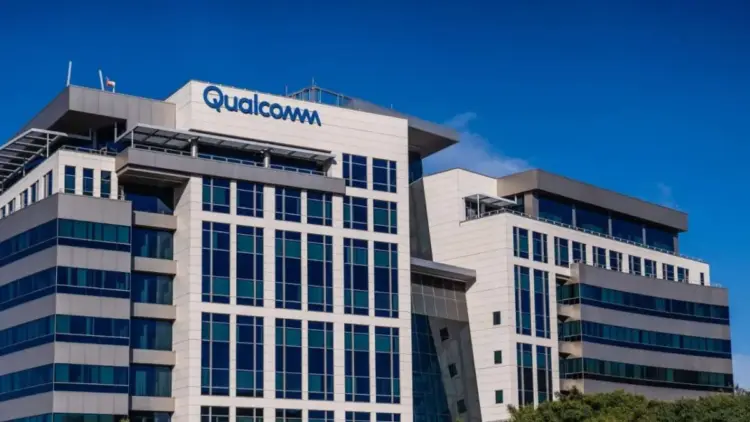
San Diego, USA & Bengaluru, India – November 2026 – Qualcomm, a global leader in semiconductor and telecommunications equipment, has initiated a significant round of layoffs impacting its workforce across India and the United States. This restructuring, described by CEO Cristiano Amon as a "performance-focused" reduction, has left numerous employees in a state of anxious anticipation, primarily concerning the specifics of their exit packages and the long-term implications for their careers. The move underscores a challenging period for the tech industry, grappling with fluctuating market demands and a rapid shift towards emerging technological paradigms.
The immediate aftermath of the announcement has been characterized by uncertainty, as affected employees grapple with the sudden upheaval. While the exact number of individuals impacted remains fluid, initial reports suggested a potential impact on around 1,000 jobs in India, though subsequent assessments hinted at a potentially lower figure. Globally, Qualcomm reported approximately 52,000 employees as of September 2025, making any significant reduction a notable event within the company’s operational history. This strategic pivot reflects not just an immediate response to market pressures but a broader reorientation towards promising growth vectors in artificial intelligence (AI), data centers, and automotive technology.
I. Introduction: The Unsettling Dawn of Qualcomm’s Restructuring
Qualcomm Initiates Global Workforce Reduction Amidst Market Headwinds
The commencement of layoffs at Qualcomm’s facilities in India and the US marks a pivotal moment for the semiconductor giant. For employees, the news has translated into immediate concern regarding their future, with particular emphasis on the specifics of the severance packages being offered. The company’s leadership has framed these job cuts as a necessary measure to streamline operations and enhance overall performance, a narrative that, while common in corporate restructuring, offers little solace to those directly affected.
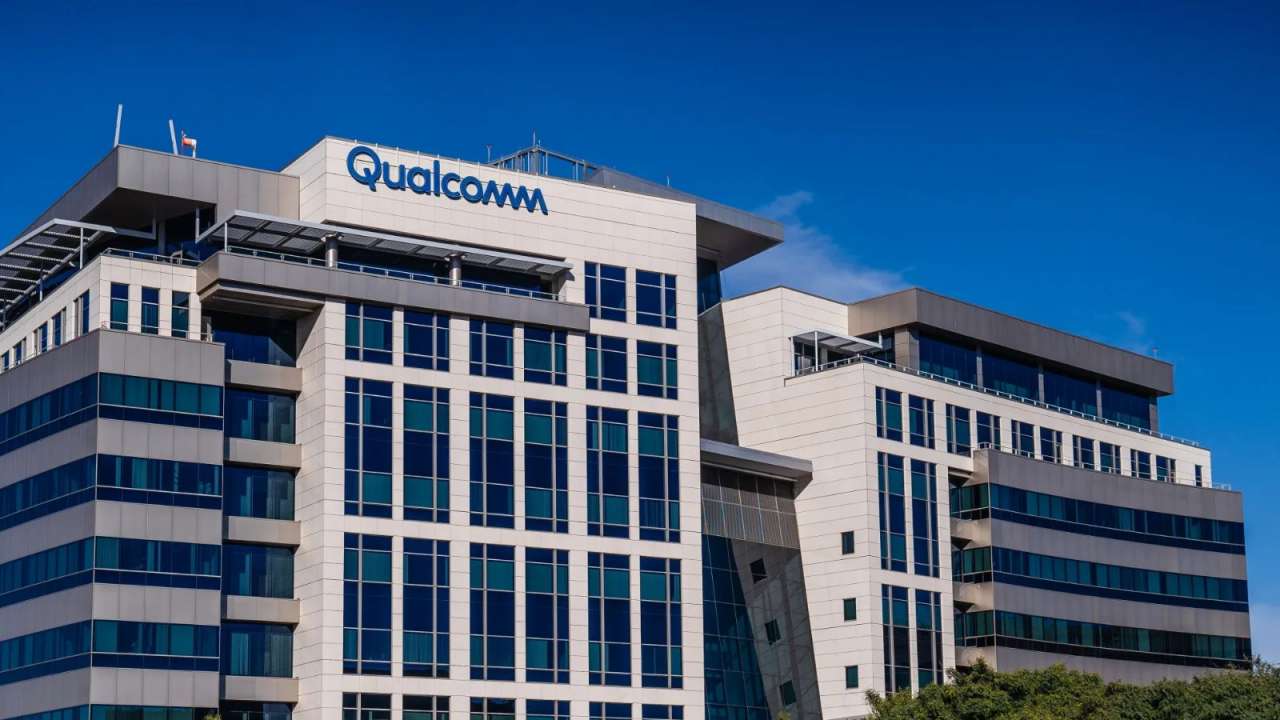
The technology sector has witnessed a wave of workforce reductions over the past year, and Qualcomm’s decision places it firmly within this trend. The current economic climate, characterized by inflationary pressures, rising interest rates, and a slowdown in key consumer electronics markets, has compelled even industry titans to re-evaluate their operational efficiencies and strategic priorities. For Qualcomm, a company synonymous with innovation in mobile connectivity, this restructuring is a stark acknowledgment of the need to adapt to a rapidly evolving technological landscape and intense competitive pressures. The anxiety among employees is palpable, as many await clarity on their individual situations, with the details of severance and outplacement support being paramount concerns.
II. A Chronology of Strategic Shifts and Market Pressures
The Path to Restructuring: A Timeline of Qualcomm’s Recent History
The decision to implement significant layoffs is rarely an abrupt one; it typically follows a period of strategic assessment, market analysis, and internal deliberation. For Qualcomm, the seeds of this current restructuring were likely sown over several quarters, reflecting a gradual accumulation of market headwinds and a proactive strategic recalibration.
Early Warning Signs: Market Signals and Financial Reports
Throughout late 2024 and much of 2025, financial analysts closely tracking the semiconductor industry began flagging concerns regarding the prolonged downturn in the global smartphone market. Qualcomm, with its dominant position in mobile processors and modems, was naturally exposed to this vulnerability. Earnings calls during this period likely saw CEO Cristiano Amon and CFO Akash Palkhiwala addressing questions about softening demand, inventory corrections, and the impact on the Handsets segment, which historically constitutes a substantial portion of Qualcomm’s revenue. While Qualcomm had shown resilience and growth in its diversification efforts into automotive and IoT (Internet of Things), the sheer scale of the mobile market slowdown necessitated a more aggressive response. Indications of cost-cutting measures, such as hiring freezes or slower recruitment, might have preceded the formal layoff announcement, serving as early signals of impending changes. The company’s financial guidance for subsequent quarters would have also started reflecting a more cautious outlook, setting the stage for the strategic decisions now being implemented.
The Official Unveiling: Internal Communications and Public Statements
The formal notification process for layoffs typically begins with internal communications to affected employees, followed by broader public statements or regulatory filings. While the precise date of the initial internal communication remains undisclosed in the provided context, the news began to surface in November 2026, indicating a phased approach to the restructuring. Such communications are usually delivered via internal memos, dedicated HR meetings, or town halls, aiming to explain the rationale behind the decision and outline the immediate next steps for departing staff. The "performance-focused" framing by CEO Amon suggests a dual objective: not only to reduce costs but also to enhance organizational agility and ensure that resources are optimally aligned with strategic growth areas. This narrative is crucial for maintaining morale among the remaining workforce and reassuring investors about the company’s future direction.
Geographic Scope: Focus on India and the United States
The targeting of both India and the United States for these layoffs is significant. The US, particularly California (San Diego, Santa Clara) where Qualcomm has its headquarters and major R&D centers, represents a core hub for its engineering, research, and corporate functions. India, especially cities like Bengaluru and Hyderabad, has emerged as a critical global talent pool for semiconductor design, software development, and engineering services. Qualcomm has a substantial presence in India, leveraging its skilled workforce for various aspects of chip design and validation. The impact on these two key regions underscores the global nature of Qualcomm’s operations and the comprehensive scope of its restructuring. Layoffs in these high-cost, high-talent geographies suggest a move to optimize operational expenses and reallocate strategic investments across its global footprint, focusing on areas deemed most critical for future innovation and growth.
III. Supporting Data: Unpacking the Economic and Industry Context
Decelerating Growth: The Macroeconomic Landscape Driving Qualcomm’s Decisions
Qualcomm’s decision to cut jobs is not an isolated event but a ripple effect of several converging economic and industry-specific factors. Understanding these underlying drivers provides crucial context for the company’s strategic shift.

The Prolonged Smartphone Slump: A Core Challenge
The most immediate and significant challenge for Qualcomm has been the protracted downturn in the global smartphone market. After a pandemic-induced surge in demand for personal electronics, 2023 and 2024 saw successive quarters of declining or stagnant smartphone shipments globally. Industry analysts from IDC, Counterpoint Research, and Canalys have consistently reported year-over-year decreases, attributing the slump to several factors:
- Economic Uncertainty: High inflation and rising interest rates in major economies have curtailed consumer spending on discretionary items like new smartphones.
- Lengthening Replacement Cycles: Consumers are holding onto their devices for longer periods, driven by improved device longevity, slower innovation cycles, and cost consciousness.
- Market Saturation: Key markets, particularly in developed regions, have reached high levels of smartphone penetration, limiting new user acquisition.
- Geopolitical Tensions: Supply chain disruptions and regional economic instabilities have further complicated the market.
Qualcomm’s Snapdragon processors power a vast majority of premium Android smartphones, making the company highly susceptible to fluctuations in this segment. While the company has diversified, the sheer volume of its mobile chip business means that a sustained slump directly impacts its top-line revenue and profitability, necessitating adjustments in its workforce and operational scale.
Volatile Memory Market and Supply Chain Dynamics
The semiconductor industry is highly interdependent, and the dynamics of the memory market play a crucial role in the overall cost of goods for chipmakers and device manufacturers. The original article mentions "rising memory prices," which can squeeze profit margins for companies like Qualcomm that integrate memory components into their system-on-chips (SoCs) or whose customers face higher bill-of-materials (BOM) costs. The memory market (DRAM and NAND) is cyclical, characterized by periods of oversupply leading to price drops, followed by periods of undersupply and price increases. A spike in memory prices can impact the overall profitability of smartphone sales, potentially reducing demand for other high-value components like Qualcomm’s processors. Moreover, broader supply chain disruptions, though less severe than during the peak of the pandemic, can still introduce inefficiencies and cost pressures, further contributing to the need for operational optimization.

The Apple Factor: A Shifting Partnership
Qualcomm’s relationship with Apple has been historically complex and contentious, marked by high-stakes legal battles over patent licensing and royalties. For years, Qualcomm was the exclusive supplier of modems for Apple’s iPhones. However, Apple has been aggressively pursuing its own in-house modem development, aiming to reduce its reliance on external suppliers and gain greater control over its intellectual property and supply chain. Reports and industry speculation suggest that Apple is nearing the point where it can significantly reduce or entirely phase out Qualcomm modems in future iPhone models.
This strategic shift by Apple represents a substantial revenue risk for Qualcomm. While Qualcomm has proactively sought to diversify its customer base and product portfolio, the potential loss of a major client like Apple, even if gradual, would undoubtedly impact its financial projections. The ongoing efforts by Apple to vertically integrate its hardware components have been a known factor in the industry for some time, compelling Qualcomm to accelerate its own diversification strategies and explore new revenue streams.
Qualcomm’s Financial Performance: A Segmental Analysis
Recent financial disclosures from Qualcomm would likely highlight a divergence in performance across its various business segments. The Qualcomm CDMA Technologies (QCT) division, which includes handset chips, would have shown a downturn in revenue. Conversely, the Qualcomm Technology Licensing (QTL) segment, which generates revenue from intellectual property licensing, tends to be more stable but also faces its own set of challenges regarding licensing rates and disputes.

The bright spots for Qualcomm have been its Automotive and IoT segments. The automotive sector, driven by increasing digitalization of vehicles, advanced driver-assistance systems (ADAS), and infotainment systems, has been a consistent growth engine. Similarly, the IoT segment, encompassing chips for smart home devices, wearables, industrial IoT, and edge computing, has demonstrated robust expansion. These growth areas, while promising, have not yet been sufficient to fully offset the headwinds faced by the core handset business, thereby necessitating a re-evaluation of resource allocation and workforce optimization.
A Broader Industry Trend: Tech’s Post-Pandemic Correction
Qualcomm’s layoffs are not an isolated incident but rather indicative of a broader trend sweeping across the technology sector. The period from 2020 to early 2022 saw unprecedented growth and hiring sprees across tech companies, fueled by accelerated digital transformation during the pandemic and low-interest rates. Companies like Google, Meta, Amazon, Microsoft, Intel, and countless startups significantly expanded their workforces, often over-estimating sustained demand.
However, the latter half of 2022 and throughout 2023-2025 brought a sharp correction. Rising inflation led central banks to hike interest rates, increasing the cost of capital and making investors more risk-averse. The focus shifted from aggressive growth at any cost to profitability and efficiency. This macroeconomic shift, combined with a normalization of consumer behavior post-pandemic, prompted many tech giants to undertake significant layoffs to right-size their operations, cut costs, and prepare for a leaner economic environment. Qualcomm’s actions, therefore, align with a prevailing industry strategy to optimize for long-term sustainability and profitability in a more challenging global economy.

IV. Official Responses and Employee Perspectives
Navigating the Transition: Corporate Messaging and Workforce Realities
In times of corporate restructuring, the communication strategy employed by the company is critical, both for its public image and for managing internal morale. Qualcomm’s approach, while aimed at clarifying its strategic direction, also addresses the immediate concerns of its affected workforce.
Qualcomm’s Corporate Rationale: "Performance-Focused" and Strategic Reorientation
CEO Cristiano Amon’s description of the layoffs as "performance-focused" is a carefully chosen phrase designed to convey several messages. Firstly, it implies a commitment to operational excellence and efficiency, suggesting that the company is striving to optimize its talent and resources to maximize output. This can reassure investors that the company is taking proactive steps to improve its bottom line. Secondly, it signals a strategic reorientation, indicating that the company is redirecting its focus and investments towards areas with higher growth potential and strategic importance, such as AI, data centers, and automotive. This strategic pivot is not just about cost-cutting but about repositioning Qualcomm for future success in a rapidly evolving tech landscape.
Amon’s statements likely emphasize that these decisions, while difficult, are necessary for Qualcomm to remain competitive and innovative. The goal is to foster a more agile and responsive organization capable of rapidly adapting to market shifts and capitalizing on emerging technological opportunities. This narrative is crucial for maintaining confidence among remaining employees, ensuring they understand the long-term vision and their role within it.

The Severance Package: Details and Dilemmas
For affected employees, the specifics of the severance package are paramount. According to early accounts shared on platforms like Reddit, Qualcomm’s severance package may include several components, typical of large tech companies:
- Base Pay: A certain number of weeks or months of base salary, often correlated with years of service. Longer-serving employees typically receive a more generous payout.
- Bonus Payout: Prorated annual bonus or a portion thereof.
- Health Benefits: Continuation of health insurance coverage for a specified period post-employment.
- Outplacement Services: Assistance with resume writing, interview coaching, and job search strategies to help employees transition to new roles.
- Other Benefits: Potential payout for unused paid time off (PTO) and continued access to certain employee assistance programs.
A key detail mentioned is the possibility of "an extra month’s pay for signing within two days." This often comes with a critical caveat: employees are typically required to sign a release of claims, waiving their right to pursue future legal action against the company in exchange for the severance benefits. This clause is standard in such agreements but necessitates careful review by the affected individual, often with legal counsel, to fully understand its implications. The dilemma for employees is often between securing immediate financial support and potentially relinquishing future legal recourse. The advice to "read the agreement carefully before signing" is therefore critical.
Comparatively, severance practices vary significantly between the US and India. In the US, while there are no federal laws mandating severance, many states have WARN Act requirements for mass layoffs, and companies often provide severance as a goodwill gesture and to mitigate legal risks. In India, labor laws, particularly the Industrial Disputes Act, 1947, provide guidelines for severance (retrenchment compensation) based on years of service, though these primarily apply to "workmen" as defined by the act. Tech companies in India often offer more generous packages than the statutory minimums to maintain their employer brand and talent reputation.

Employee Voices: The Human Cost of Corporate Restructuring
Behind the corporate jargon of "performance-focused" reductions lies the human reality of job loss. Accounts shared by affected employees on social media platforms like Reddit, LinkedIn, and internal forums often paint a picture of shock, anxiety, and frustration. Employees frequently express concerns about:
- Financial Instability: The immediate impact on household budgets, mortgage payments, and savings.
- Career Uncertainty: The challenge of finding new employment in a competitive job market, especially for specialized roles or for those who have been with the company for many years.
- Emotional Toll: The stress, demoralization, and impact on mental health.
- Loss of Community: The disruption of professional networks and friendships built within the company.
While companies strive to manage the process with dignity and support, the emotional and practical challenges for departing employees are immense. The role of HR in communicating transparently, providing adequate support, and ensuring a fair process becomes paramount during these sensitive periods. For the remaining workforce, layoffs can also lead to increased workload, survivor’s guilt, and concerns about future job security, potentially impacting morale and productivity.
V. Implications: Qualcomm’s Future Trajectory and the Broader Tech Landscape
Charting a New Course: Strategic Pivot Towards Emerging Technologies
The layoffs, while painful, are intrinsically linked to Qualcomm’s broader strategic vision: a decisive pivot towards high-growth, high-margin segments that are less reliant on the cyclical and increasingly saturated smartphone market. This repositioning is critical for the company’s long-term sustainability and competitiveness.

The AI Imperative: Edge Computing and Generative AI
Qualcomm is heavily investing in artificial intelligence, particularly in the realm of edge AI – AI processing that occurs directly on devices rather than in the cloud. Its Snapdragon platforms, ubiquitous in smartphones, are increasingly integrating powerful Neural Processing Units (NPUs) designed to accelerate AI workloads. This focus extends beyond smartphones to a wide array of devices in the IoT ecosystem, from smart cameras to industrial sensors, enabling more intelligent and responsive applications without constant cloud connectivity.
The rise of generative AI presents new opportunities, with Qualcomm aiming to enable on-device large language models (LLMs) and generative AI applications, promising enhanced privacy, lower latency, and reduced reliance on cloud infrastructure. This strategic direction positions Qualcomm at the forefront of the AI revolution, aiming to be the leading provider of AI-accelerated hardware for a multitude of edge devices. The challenge lies in competing with other chipmakers like Apple (with its custom silicon), Google (with its Tensor chips), and various startups specializing in AI accelerators.
Expanding Horizons: Data Centers and Automotive
Beyond AI at the edge, Qualcomm is making significant strides into two other critical growth markets:

-
Data Centers: Historically dominated by Intel and AMD, the data center market is witnessing a shift towards ARM-based processors, known for their power efficiency and scalability. Qualcomm has renewed its efforts in this space, developing custom ARM-based server chips designed for specific workloads, such as cloud computing, artificial intelligence, and high-performance computing. This move is an ambitious challenge to established players, leveraging Qualcomm’s deep expertise in ARM architecture and chip design. The focus is on offering differentiated solutions that provide superior performance per watt, a crucial metric for energy-intensive data centers.
-
Automotive: This is perhaps Qualcomm’s most promising diversification avenue. The modern vehicle is increasingly a sophisticated computer on wheels, driving demand for advanced processors for digital cockpits, infotainment systems, telematics, and crucially, Advanced Driver-Assistance Systems (ADAS) and autonomous driving platforms. Qualcomm’s Snapdragon Digital Chassis offers a comprehensive suite of connected car technologies, encompassing everything from telematics and connectivity to in-car experience and ADAS. The company has secured partnerships with major global automakers, positioning itself as a leading provider for the next generation of intelligent and connected vehicles. The automotive sector offers high-growth potential and more stable, long-term revenue streams compared to the consumer electronics market.
Impact on Remaining Workforce and Organizational Culture
For the employees who remain at Qualcomm, the restructuring can bring about a mix of emotions. While there might be a sense of relief, there can also be increased workload as responsibilities are redistributed, and concerns about future job security. Companies undergoing such transformations often face challenges in maintaining morale, preventing talent drain, and fostering a positive, future-oriented culture. The "performance-focused" mandate will likely lead to greater scrutiny of individual and team contributions, driving a culture of higher accountability and efficiency. Qualcomm will need to invest in retraining and upskilling its existing workforce to align with the new strategic priorities, particularly in AI and software development for its diversified segments.

Broader Market Repercussions and the Future of Tech Employment
Qualcomm’s layoffs, combined with those across the broader tech industry, signal a shift in the landscape of tech employment. The era of unchecked growth and abundant hiring, particularly in traditional software and hardware roles, appears to be giving way to a more specialized and efficiency-driven market. There is a clear shift in demand towards roles centered around AI, machine learning, data science, cybersecurity, and specialized hardware engineering for new growth areas like automotive and advanced IoT. This trend will likely impact talent pools in major tech hubs, potentially leading to an oversupply of certain skill sets and a scramble for talent in emerging fields. For the semiconductor industry specifically, it highlights the continuous need for innovation and adaptation to avoid becoming solely dependent on single, volatile markets.
Outlook: Navigating Uncertainty Towards Sustainable Growth
The coming quarters will be critical for Qualcomm. The success of these restructuring efforts will depend on several factors: the effectiveness of its strategic pivot into AI, data centers, and automotive; its ability to execute on its product roadmaps in these new segments; and the overall recovery of the global economy and, specifically, the smartphone market. Analyst predictions will be closely watched, with many anticipating that while the short-term impact of layoffs might be challenging, the long-term strategic reorientation could position Qualcomm for more sustainable and diversified growth. The company’s resilience in the face of intense competition and market volatility will be severely tested, but its historical track record of innovation suggests it has the capability to adapt and thrive.
VI. Conclusion: A Transformative Juncture
Qualcomm’s decision to initiate global layoffs marks a transformative juncture for the company. Driven by the confluence of a prolonged smartphone slump, dynamic market conditions for memory, the strategic shift by key customers like Apple, and a broader industry correction, these actions are a testament to the harsh realities of the modern technology landscape.

Yet, this restructuring is more than just a reaction to adversity; it is a calculated strategic maneuver. By embracing a "performance-focused" approach and aggressively investing in the burgeoning fields of AI, data centers, and automotive technology, Qualcomm aims to re-architect its foundation for future growth. While the human cost of these layoffs is undeniable, inflicting uncertainty and hardship on many talented individuals, the company’s leadership is betting that this painful, yet necessary, pivot will secure its position as a leading innovator in the next generation of connected and intelligent technologies. The road ahead will be challenging, but for Qualcomm, these layoffs represent a critical step in reinventing itself for a future where adaptability and strategic foresight are paramount.