The Indian automotive landscape reached an unprecedented milestone in October 2026, as passenger vehicle sales surged to a record-breaking 5,24,226 units. This performance represents a robust 12.18% year-on-year (YoY) growth compared to the 4,67,289 units sold in October 2025. The month was characterized by a significant festive demand, strategic product launches, and a dramatic shift in market dynamics, most notably Maruti Suzuki’s successful reclaim of its 40% market share and a razor-thin battle for the second-place podium between Tata Motors and Mahindra & Mahindra.
Main Facts: A Landmark Month for the Indian Auto Industry
The October 2026 sales figures underscore a maturing market where consumer preference is increasingly leaning toward feature-rich SUVs and technologically advanced powertrains. The industry added a staggering 64,769 units in sales volume compared to September 2026, indicating a strong month-on-month (MoM) momentum.
Maruti Suzuki’s Resurgence
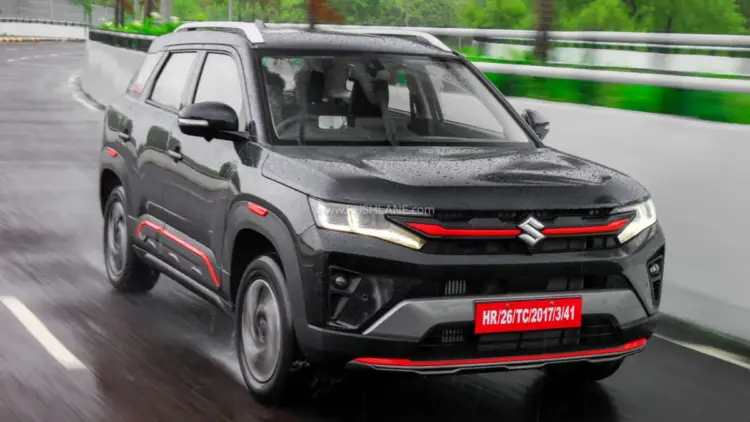
Maruti Suzuki, the nation’s largest automaker, emerged as the primary driver of this growth. The company dispatched 2,12,384 units, marking a 20.46% increase from the previous year. More importantly, Maruti’s market share climbed to 40.51%, up from 37.73% in October 2025. This resurgence is largely attributed to the brand’s refreshed portfolio, including the popular Brezza and the introduction of performance-oriented "BoosterJet" engines, which have resonated well with younger demographics.

The Battle for Silver: Tata vs. Mahindra
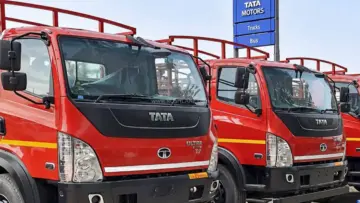
The competition for the second spot has never been tighter. Tata Motors managed to hold onto its position with 73,894 units, but Mahindra followed at its heels with 73,338 units. The gap between these two giants narrowed to a mere 556 units, down from over 4,700 units in September. While Tata Motors continues to lead the electric vehicle (EV) segment, Mahindra’s aggressive SUV-first strategy and the high demand for its XUV and Scorpio series have brought it within striking distance of the runner-up spot.
Chronology: The Road to October’s Record Performance
To understand the October surge, one must look at the sequence of events leading up to this peak:
- Late Q3 Inventory Building (August – September 2026): Manufacturers began ramping up production and dealer dispatches in anticipation of the primary festive season (Dussehra and Diwali). September saw a steady climb, setting the stage for the October breakout.
- Early October Launches: Several brands, including Maruti Suzuki and Honda, introduced special festive editions and updated engine variants (such as the Brezza BoosterJet) to capture early-month shoppers.
- The Festive Peak (Mid-October): The convergence of major festivals led to a massive uptick in deliveries. Dealerships reported record footfalls, and digital bookings saw a 25% increase compared to the previous year.
- The Final Push (Late October): Massive year-on-year volume gains were solidified in the final week of the month, as manufacturers pushed dispatches to meet the high demand for immediate deliveries during the auspicious period.
Supporting Data: A Deep Dive into the Rankings
The performance across the board was varied, with some legacy players struggling while new entrants made significant inroads.

The Top Tier (Volume Leaders)
- Hyundai Motor India: Placed fourth with 62,799 units. While it saw a 16.74% YoY growth, its market share dipped slightly MoM to 11.98%, suggesting that while the brand remains strong, it is facing stiff competition from the Tata-Mahindra duo.
- Kia India: Following its sister brand, Kia recorded 33,462 units (+13.22% YoY). Kia has maintained a steady 6.38% market share by focusing on premium positioning and high-tech interiors.
- Toyota Kirloskar Motor: In a surprising turn, Toyota recorded a 26.67% YoY decline, selling 29,521 units compared to over 40,000 in October 2025. However, it showed a healthy 17.96% recovery from September 2026, indicating that supply chain recalibrations might be underway.
The Mid-Tier and Emerging Disruptors
- Honda Cars India: Honda showed the most dramatic MoM recovery, with sales jumping 70.41% to 7,609 units. This suggests a successful festive campaign or the resolution of previous inventory bottlenecks.
- VinFast’s Meteoric Rise: The Vietnamese EV specialist, VinFast, provided the biggest surprise by moving ahead of Volkswagen. Selling 3,023 units (up from just 475 a year ago), VinFast’s market share jumped from 0.10% to 0.58%, signaling that Indian consumers are becoming increasingly open to new global brands, especially in the EV and premium segments.
- JSW MG Motor: Held steady in seventh place with 8,013 units, maintaining its stronghold in the tech-first SUV category.
Statistical Summary of Market Share (October 2026)
| Manufacturer | Units Sold | YoY Growth | Market Share |
|---|---|---|---|
| Maruti Suzuki | 2,12,384 | 20.46% | 40.51% |
| Tata Motors | 73,894 | 20.87% | 14.10% |
| Mahindra | 73,338 | 2.39% | 13.99% |
| Hyundai | 62,799 | 16.74% | 11.98% |
| Kia | 33,462 | 13.22% | 6.38% |
| Toyota | 29,521 | -26.67% | 5.63% |
Official Responses and Industry Sentiment
While official statements from the Society of Indian Automobile Manufacturers (SIAM) are typically released mid-month, internal reports and dealer associations have provided a glimpse into the industry’s mood.
Maruti Suzuki Spokesperson: "We are pleased to see the market’s positive response to our diversified powertrain strategy. Crossing the 40% market share mark once again is a testament to our customers’ trust and the success of our new models like the Brezza BoosterJet, which brings performance to the masses."
Analysts from FADA (Federation of Automobile Dealers Associations): "October 2026 has been a ‘golden month’ for retail. The heavy dispatches from OEMs were met with equally strong demand at the showroom level. However, we are monitoring inventory levels closely, as some brands have pushed significant stock to dealers to achieve these wholesale numbers."

VinFast India Leadership: "Overtaking established European brands in such a short period validates our ‘India-first’ approach. Our focus on localized manufacturing and high-spec electric vehicles is clearly paying off."
Implications: What This Means for 2027 and Beyond
The October 2026 data is not just a snapshot of a successful month; it reveals several long-term trends that will shape the Indian automotive industry as it heads into 2027.
1. The Death of the "Entry-Level" Stagnation
For several years, the entry-level hatchback segment was seen as declining. However, Maruti’s 20% growth suggests that if the product is right—offering performance (BoosterJet) and modern features—the mass market is still very much alive. We can expect more "premium-ization" of small cars in the coming years.

2. The SUV Hegemony and the Rise of "Lifestyle" Vehicles
Mahindra and Tata’s neck-and-neck race is a clear indicator that the Indian market is now an SUV-first market. Mahindra’s ability to sell 73,000+ units of primarily SUVs shows that the "rugged yet premium" segment is the most lucrative. Moving forward, expect more off-road capable and lifestyle-oriented vehicles to enter the mainstream.
3. The EV Inflection Point
The rise of VinFast and the steady performance of Tata and MG indicate that EVs are moving beyond the "early adopter" phase. With VinFast beating a legacy giant like Volkswagen, it sends a clear message to other European and Japanese manufacturers: adapt to the electric transition quickly or risk losing market relevance.
4. Supply Chain Resilience vs. Demand Volatility
Toyota’s YoY drop of 26% serves as a cautionary tale. Even the most efficient manufacturers can face setbacks due to model lifecycle changes or supply chain pivots. The industry’s ability to manage "just-in-time" manufacturing while catering to massive festive spikes will be the ultimate test of operational excellence in 2027.

5. Competitive Pricing and Feature Wars
With Honda and Skoda fighting for the same 1.5% market share and VinFast/VW battling for the 0.5% niche, the consumer is the ultimate winner. We are likely to see an increase in standard safety features (6 airbags, ADAS) and connectivity suites as manufacturers look for any edge to gain a few basis points of market share.
Conclusion
The Indian car market in October 2026 has proven its resilience and appetite for growth. With over half a million cars sold in a single month, India is firmly cementing its position as the world’s third-largest automotive market. As Maruti Suzuki guards its fortress, the aggressive maneuvering by Tata, Mahindra, and new-age players like VinFast ensures that the landscape remains dynamic, competitive, and increasingly aligned with global standards of technology and performance. All eyes now turn to the year-end sales to see if this momentum can be sustained into the new year.