
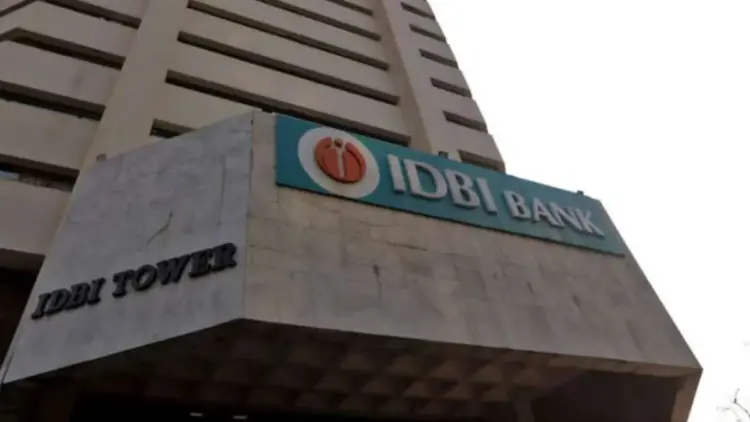
MUMBAI, India – Fairfax India Holdings Corporation, a subsidiary of the Canadian investment behemoth Fairfax Financial Holdings Ltd., is poised to acquire a controlling stake in IDBI Bank, marking a significant milestone in India’s financial sector and the government’s ambitious privatization drive. The proposed acquisition, valued at a staggering Rs 52,878 crore for a 60.72% shareholding from the Government of India and Life Insurance Corporation (LIC), promises to usher in a new era for the revitalized bank. However, the deal has quickly become the subject of intense scrutiny and raised uncomfortable questions due to an unusual funding proposal: a plan for IDBI Bank, once under Fairfax’s control, to potentially acquire three financial businesses currently owned by Fairfax itself.
This intricate arrangement has ignited a debate over corporate governance, regulatory oversight, and the very perception of how such high-stakes acquisitions are funded. Critics and observers are questioning whether Fairfax is, in essence, using IDBI’s own substantial capital to significantly offset its acquisition costs, thereby blurring the lines of conventional M&A financing. The three businesses in question – Go Digit General Insurance, Go Digit Life Insurance, and IIFL Capital – are collectively valued by Fairfax at approximately $3 billion, a figure that represents over half of the $5.6 billion required for the IDBI takeover. This revelation has cast a long shadow over what could otherwise have been hailed as a straightforward and successful privatization.
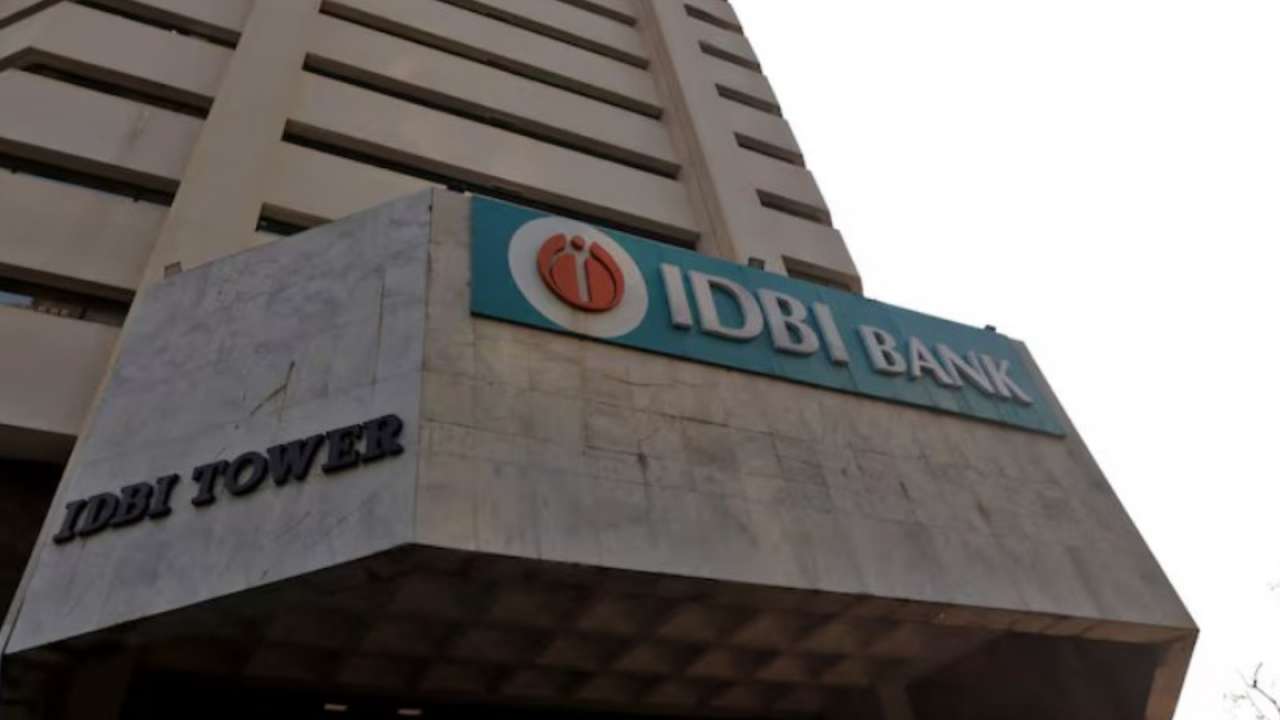
Main Facts: A Landmark Acquisition Marred by Funding Questions
The core of the transaction involves Fairfax India Holdings Corporation securing a dominant 60.72% ownership in IDBI Bank. This stake, acquired from the Government of India and LIC, is priced at Rs 81 per IDBI share, amounting to a total outlay of Rs 52,878 crore. This substantial investment is intended to grant Fairfax unequivocal control over the bank’s operations and strategic direction, marking a pivotal moment for IDBI which has traversed a tumultuous financial journey in recent years.
However, the spotlight has shifted from the headline acquisition cost to the proposed funding mechanism, specifically a plan detailed by Fairfax chairman Prem Watsa. According to Watsa, IDBI Bank, after Fairfax assumes control, could utilize its "excess capital" to purchase three financial entities currently under Fairfax’s ownership: Go Digit General Insurance, Go Digit Life Insurance, and IIFL Capital. These acquisitions, Watsa stated, would be made "at market prices."
Fairfax president Peter Clarke further quantified the potential impact, indicating that these three businesses could contribute approximately $3 billion towards the $5.6 billion needed for the IDBI takeover. Converting this $3 billion into Indian Rupees, at the exchange rate relevant to the deal, amounts to roughly Rs 28,300 crore. This figure is critical, as it represents approximately 54% of the total Rs 52,878 crore Fairfax is paying for its controlling stake in IDBI Bank. The implication is stark: if IDBI Bank indeed proceeds with these purchases using its own funds, Fairfax’s net cash outflow for acquiring IDBI could be significantly reduced by more than half, effectively raising the question of whether the acquired entity is inadvertently funding its own acquisition.
This intricate proposal, though presented by Fairfax as a synergistic move to create a unified financial services platform, has triggered widespread debate regarding potential conflicts of interest, fair valuation practices, and adherence to regulatory guidelines. The fundamental concern revolves around whether this structure is merely a strategic integration or a more complex financial maneuver designed to reduce the acquirer’s capital burden.

A Journey from Distress to Desirability: The Chronology of IDBI Bank’s Revival and Privatization
IDBI Bank’s path to privatization and its current attractive state is a testament to resilience and significant government intervention. Understanding this journey is crucial to grasping the context of the current deal and the sensitivities surrounding it.
From Development Bank to Commercial Lender: IDBI’s Evolution
Established in 1964 as the Industrial Development Bank of India (IDBI), its initial mandate was to provide financial assistance to India’s burgeoning industrial sector, functioning primarily as a development financial institution (DFI). Over the decades, as India’s economy liberalized, IDBI gradually transformed, eventually converting into a universal commercial bank in 2004. This transition brought it into direct competition with other public and private sector banks, a landscape for which it was perhaps not fully prepared.

The Troubled Years: 2016-2020
The mid-2010s proved to be a particularly challenging period for IDBI Bank. Like many other public sector banks, it accumulated a substantial portfolio of non-performing assets (NPAs) due to aggressive lending practices and an economic slowdown. The bank’s financial health deteriorated sharply, leading to significant cumulative losses. Prem Watsa himself acknowledged this period, stating that IDBI "got into trouble in the 2016 to 2020 time period," incurring "cumulative losses of approximately USD 6.4 billion financed by LIC and the Government of India."
To rescue the bank from the brink, the government initiated a massive recapitalization effort, with LIC playing a pivotal role. In 2018, LIC acquired a 51% stake in IDBI Bank, becoming its majority shareholder. This strategic move, along with subsequent capital infusions from both LIC and the government, was a lifeline, albeit one that further blurred the lines between a public sector bank and a quasi-private entity under LIC’s control.

The Turnaround: A Resurgent Financial Powerhouse
Following the extensive capital injections and stringent operational reforms, IDBI Bank embarked on a remarkable recovery trajectory. The bank focused on cleaning up its balance sheet, improving asset quality, and enhancing operational efficiency. This concerted effort yielded positive results, culminating in IDBI Bank being removed from the Reserve Bank of India’s (RBI) Prompt Corrective Action (PCA) framework in March 2021, a clear indicator of its improved financial health.
By September 30, 2026, IDBI Bank boasted a robust Capital Adequacy Ratio (CAR) of 27.10%, significantly exceeding the regulatory requirement of 11.5%. This strong capital position, coupled with improved profitability and reduced NPAs, transformed IDBI from a struggling entity into an attractive asset, catching the eye of strategic investors.

The Privatization Drive: Government’s Strategic Divestment
The Indian government, under its broader economic reform agenda, has been actively pursuing the privatization of select public sector undertakings, including state-owned banks. The divestment of IDBI Bank was identified as a key strategic objective, aimed at reducing the government’s footprint in commercial banking, generating revenue, and potentially bringing in private sector efficiency. The search for a suitable investor for IDBI Bank had been a long-drawn process, with the government seeking a buyer capable of leveraging the bank’s revived strength.
Fairfax’s Indian Ambitions
Fairfax Financial Holdings, led by the astute investor Prem Watsa, has a substantial and growing presence in the Indian market. Through its various subsidiaries, including Fairfax India Holdings, it has made significant investments across diverse sectors, with a particular focus on financial services and insurance. Its portfolio includes stakes in companies like Bangalore International Airport, National Collateral Management Services, and several insurance ventures. The acquisition of a controlling stake in a commercial bank like IDBI would represent a major strategic expansion for Fairfax in India, providing a foundational platform to integrate and cross-sell its existing financial service offerings. This context highlights Fairfax’s strategic interest in IDBI as more than just a banking acquisition, but as a potential anchor for a broader financial services ecosystem.

Supporting Data: Unpacking the Financial Mechanics and the Controversial Proposal
The financial architecture of the IDBI acquisition, particularly the proposed post-takeover transactions, forms the crux of the ongoing debate. A closer examination of the figures and statements reveals the potential financial implications and the underlying questions.
The Core Acquisition Details
The formal offer by Fairfax for 60.72% of IDBI Bank for Rs 52,878 crore translates to a per-share price of Rs 81. This valuation reflects IDBI’s current market standing and its improved financial health. Upon completion, this deal will transfer effective management control from the Government of India and LIC to Fairfax, fundamentally altering IDBI’s corporate governance structure and strategic direction. The transfer of control is the critical precursor to the controversial part of the proposal.

The "Excess Capital" and the Proposed Acquisitions
At the heart of Fairfax’s funding strategy lies the concept of IDBI Bank’s "excess capital." Prem Watsa stated, "the way it works is there’s excess capital at IDBI Bank. And so they’ll just pay cash… we see them paying cash at the time of the deal at market prices." This suggests that IDBI’s strong capital reserves, accumulated during its recovery phase, are being eyed as a direct resource for future transactions.
The three Fairfax-owned businesses IDBI is proposed to acquire are:

- Go Digit General Insurance: A prominent player in India’s digital insurance landscape, known for its tech-driven approach to general insurance products.
- Go Digit Life Insurance: A relatively newer entrant in the life insurance sector, and crucially, an unlisted entity, which presents significant challenges for independent market valuation.
- IIFL Capital: While the original article doesn’t specify its exact business, typically ‘Capital’ in this context refers to wealth management, asset management, or broking services.
The rationale articulated by Fairfax for these acquisitions is the creation of a "unified financial services company" – a "one-stop solution for the financial needs of Indians." This involves potential cross-selling of Go Digit’s insurance products to IDBI’s vast customer base and integrating IIFL Capital’s offerings. However, Watsa also clarified that this wouldn’t necessarily involve full mergers, stating, "We have never believed in synergies," and that these entities would continue to operate "pretty well independently" under IDBI’s existing CEO, Rakesh Sharma. This suggests a strategic consolidation of ownership rather than an operational merger aimed at immediate cost efficiencies.
The $3 Billion Question: Funding the Deal, or Offsetting the Cost?
The financial gravity of the proposed arrangement becomes apparent when quantifying the value of these three businesses. Fairfax president Peter Clarke explicitly stated, "The contribution of Digit Insurance, including the Life operations and IIFL Capital… For those 3 companies, that’s approximately $3 billion on its own."

This $3 billion figure, when converted using the approximate exchange rate relevant to the deal, amounts to around Rs 28,300 crore. This is a staggering sum, representing approximately 54% of the Rs 52,878 crore Fairfax is paying to acquire its controlling stake in IDBI Bank. The arithmetic is clear: if IDBI Bank uses its own capital to purchase these Fairfax-owned entities for Rs 28,300 crore, Fairfax’s net cash outflow for the IDBI acquisition would effectively be reduced from Rs 52,878 crore to approximately Rs 24,578 crore (Rs 52,878 crore – Rs 28,300 crore).
This mechanism, if fully executed, would mean that over half of Fairfax’s acquisition cost for IDBI Bank would be funded by IDBI Bank itself, post-takeover. While IDBI would receive assets in return, the perception that the acquired entity is contributing significantly to the acquirer’s funding is the core of the ethical and governance concerns being raised. It is essential to note that this $3 billion is Fairfax’s estimated value and not an already transacted payment.

IDBI’s Robust Capital Position: A Double-Edged Sword?
Fairfax’s confidence in IDBI’s ability to "pay cash" stems from the bank’s significantly improved financial health. On September 30, 2026, IDBI Bank reported a Capital Adequacy Ratio (CAR) of 27.10%, far surpassing the regulatory requirement of 11.5%. CAR is a critical metric indicating a bank’s financial strength and its ability to absorb potential losses. A high CAR signals a strong financial cushion and regulatory compliance.
Watsa described IDBI as "financially very strong with capital adequacy of 27%" and viewed the purchase as "a once-in-a-lifetime opportunity." He also hinted at future benefits for Fairfax as the new controller, stating about IDBI’s dividends, "They’re very well capitalized. And so that flows to us."

However, while a high CAR indicates robust regulatory capital, it does not necessarily equate to an equivalent amount of liquid cash readily available for large-scale acquisitions. A bank’s capital is deployed across various assets, including loans, investments, and reserves. Diverting a significant portion of this capital for new acquisitions, even if within regulatory limits, could impact the bank’s capacity for core lending, future growth initiatives, or its ability to withstand unforeseen economic shocks. The question is not just whether IDBI can afford these purchases, but whether it is the optimal use of its capital from an independent, bank-centric perspective.
Official Responses and Expert Scrutiny: Navigating a Complex Regulatory Landscape
The proposed structure of the Fairfax-IDBI deal necessitates careful examination from various stakeholders, particularly regulatory bodies and corporate governance experts. While Fairfax has been vocal about its intentions, other key players have maintained a more reserved stance, amplifying the need for independent scrutiny.

Fairfax’s Position: Transparency and Strategic Synergy
Fairfax has consistently articulated its proposal as a strategic move to unlock value and create a powerful, integrated financial services ecosystem in India. Prem Watsa’s statements emphasize the existence of "excess capital" within IDBI Bank, implying that these funds are available and can be deployed for growth. The commitment to acquiring the businesses "at market prices" is intended to convey fairness and transparency.
Fairfax’s public discourse has focused on the synergistic potential, envisioning a "unified financial services company" that leverages IDBI’s banking network with Go Digit’s insurance offerings and IIFL Capital’s broking or wealth management expertise. This narrative positions the transactions as beneficial for IDBI Bank, enabling it to diversify its revenue streams and offer a comprehensive suite of financial products.

Crucially, Fairfax has also acknowledged that the proposed arrangement is not final, and the acquisition of the three businesses is subject to final agreements and regulatory approvals from bodies like the RBI, SEBI, and IRDAI. They have also indicated that the IDBI takeover could proceed even if one or both of these proposed business purchases do not materialize, suggesting a degree of flexibility in their overall strategy. This disclaimer, while standard, underscores the provisional nature of the entire funding scheme.
The Silence from IDBI Bank, Government, and LIC
As of the available information, there has been a noticeable lack of specific public statements from IDBI Bank’s current management regarding the proposed acquisition of Fairfax’s businesses. This silence is understandable, given the pending nature of the deal and the sensitive regulatory environment.

The Government of India and LIC, while being the selling entities, will retain a combined minority stake of approximately 34% in IDBI Bank post-acquisition. However, under the proposed arrangement, they are expected to relinquish their special rights over the bank and withdraw their nominees from IDBI’s board. This raises a critical question: despite retaining a significant minority shareholding, will the government and LIC have any effective say or oversight when a Fairfax-controlled IDBI Bank decides to purchase other Fairfax-owned entities? The absence of board representation and special rights could severely limit their ability to influence such related-party transactions, potentially leaving minority shareholder interests vulnerable.
Regulatory Hurdles: RBI, SEBI, and IRDAI
The proposed transactions will undoubtedly face rigorous scrutiny from India’s financial regulators.

- Reserve Bank of India (RBI): The central bank has stringent guidelines on how much a commercial bank can invest in other companies, particularly financial services entities. Under the 2025 rules, a bank typically cannot invest more than 10% of its paid-up capital and reserves in a single subsidiary or financial services company. Furthermore, the total investment in such companies cannot normally exceed 20% of its paid-up capital and reserves. Given that Fairfax has estimated the value of the three businesses at approximately $3 billion (Rs 28,300 crore), questions remain about whether IDBI Bank can legally make investments of this magnitude without breaching these regulatory limits, especially when factoring in its existing investments. The RBI will meticulously examine the structuring of these potential investments to ensure compliance.
- Securities and Exchange Board of India (SEBI): As the market regulator, SEBI’s oversight would be crucial if any of the transactions involve listed entities or fall under related-party transaction rules for publicly traded companies.
- Insurance Regulatory and Development Authority of India (IRDAI): The insurance regulator would need to approve any changes in ownership or significant investments involving Go Digit General Insurance and Go Digit Life Insurance.
The Valuation Conundrum: A particularly thorny issue is the valuation of Go Digit Life Insurance. While Fairfax states that acquisitions would be at "market prices," Go Digit Life is not listed on a stock exchange. This means there is no readily available public market price. This lack of a transparent market valuation raises crucial questions: Who will conduct the valuation for Go Digit Life? What methodologies will be employed? Will an independent, third-party valuation be required and publicly disclosed to ensure fairness and prevent any perception of inflated pricing? The absence of such public independent valuations in the material reviewed for this story is a significant point of concern for analysts.
Expert Opinions: Governance and Market Integrity
Corporate governance experts and financial analysts have been quick to highlight the inherent complexities and potential pitfalls of such a deal structure:

- Conflict of Interest: The primary concern is the perceived conflict of interest. When the acquiring entity (Fairfax) benefits from the acquired entity’s (IDBI) funds to finance a significant portion of its own takeover, it raises serious ethical questions about the integrity of the transaction. Even if legally compliant, the optics of the deal can be problematic.
- Minority Shareholder Rights: For existing and future minority shareholders in IDBI Bank (including the government and LIC post-divestment), the fairness of these related-party transactions is paramount. Without robust independent valuations and strong oversight, there’s a risk that the terms of the acquisition of Fairfax’s businesses might not be optimally beneficial for IDBI Bank and its minority shareholders, but rather for the controlling entity, Fairfax.
- Arm’s Length Principle: Experts emphasize that all transactions between related parties must strictly adhere to the "arm’s length principle," meaning they should be conducted as if between unrelated, independent parties. This requires truly independent market valuations and terms that are demonstrably fair to all stakeholders.
- Precedent and Market Trust: How Indian regulators handle this specific case could set a significant precedent for future privatization efforts and M&A deals involving state-owned entities. A perceived lack of stringent oversight or an overly accommodating stance could erode investor confidence in the fairness and transparency of India’s corporate landscape.
Implications and the Road Ahead: Unresolved Questions and Future Directions
The Fairfax-IDBI deal, while promising a new trajectory for the bank, is entangled in a web of complex financial, ethical, and regulatory questions. The implications extend beyond the immediate parties, potentially influencing India’s corporate governance standards and the future of privatization.