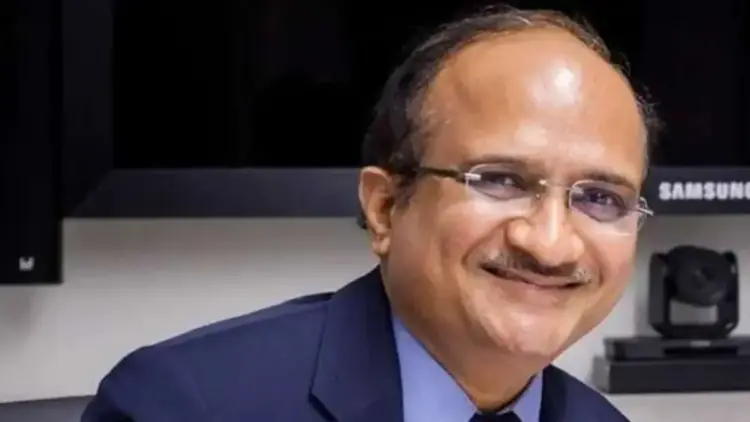
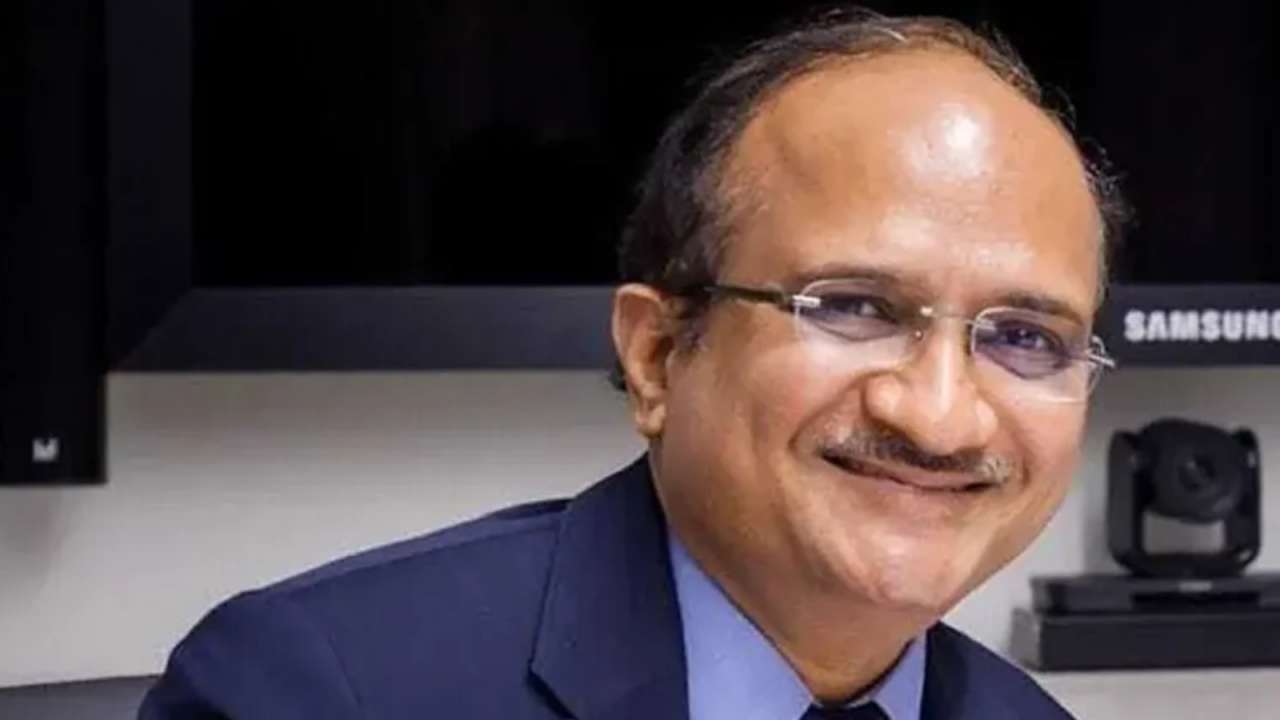
New Delhi, India – [Insert Date] – In the wake of recent controversies that have cast a shadow over the esteemed Indian Institutes of Technology (IITs), a prominent voice from within the academic fraternity has proposed a fundamental shift in the structure of undergraduate engineering education. V. Ramgopal Rao, the former Director of IIT Delhi and currently the Group Vice-Chancellor of BITS Pilani Campuses, has advocated for the adoption of five-year Bachelor of Technology (B.Tech) programs across all IITs. This proposal, articulated amidst discussions surrounding the academic pressures and diverse learning paces of students, suggests a move away from the current "one-size-fits-all" model to better accommodate the increasingly heterogeneous student body entering these premier institutions.
Rao’s intervention comes at a critical juncture, following a recent controversy involving IIT Bombay professor Suryanarayana Doola, which has ignited a broader debate about the support systems and pedagogical approaches within the IIT ecosystem. While expressing his dismay at the public vilification of Professor Doola, whom he described as "one of the finest faculty members I have known in the IIT system, and a gentleman of the highest integrity," Rao seized the opportunity to address a deeper, systemic issue impacting the learning experience of students nationwide.
The Widening Chasm: Heterogeneity in IIT Classrooms
The core of Rao’s argument rests on the stark reality of the diverse backgrounds and preparedness of students admitted to IITs. The Joint Entrance Examination (JEE) Advanced, the gateway to these prestigious institutions, now sees students with ranks spanning single digits to five digits converging in the same classrooms. This wide spectrum of academic achievements, Rao explains, is a direct consequence of an intensive coaching culture that has become deeply entrenched in India’s educational landscape.

"Students now come from an intensive coaching ecosystem, with JEE Advanced ranks in the same classroom ranging from single digits to five digits," Rao stated. He elaborated on this point using the example of the Computer Science and Engineering (CSE) department at IIT Delhi, where he served as Director from 2016 to 2021. "Students with such diverse ranks sit in the same class," he observed, highlighting how this leads to "highly heterogeneous classrooms across the IIT system." This heterogeneity, he further noted, is compounded by linguistic diversity, presenting an additional layer of complexity for both students and faculty.

The fundamental question, Rao posited, is whether the current academic framework can effectively cater to such a wide range of learning speeds and prior knowledge. "The question to ask therefore is, with such heterogeneity, can we expect every student to learn at the same pace?" he queried, emphasizing that while it is commendable to open the doors of premier institutions to students from diverse backgrounds, the crucial aspect lies in whether teaching-learning methods have evolved to acknowledge and address this diversity.

Rao eloquently illustrated the pedagogical challenge: "A faculty member cannot pitch every class at several levels at once. Move too slowly, and some students lose interest. Move too quickly, and others are left behind." This delicate balancing act, he believes, is becoming increasingly difficult within the confines of the current B.Tech program structure.

Beyond Ranks: The Limitations of Coaching-Centric Preparation
Rao’s insights also delve into the nature of preparation that students receive through the coaching system. He recalled instances where students with top JEE Advanced ranks, despite their exceptional performance in the entrance examination, struggled in his classes. This, he attributed to the nature of coaching.

"Coaching had prepared them to solve familiar types of questions quickly," Rao explained. "Many are lost when they see a question which they haven’t solved before." This suggests that while coaching excels at equipping students with strategies for standardized testing, it may not always foster the deep conceptual understanding and independent problem-solving skills necessary for advanced academic pursuits within an IIT environment.

Crucially, Rao emphasized that this learning challenge is not confined to any particular admission category. "This is not a difficulty confined to any admission category. The move from coaching to independent learning can be hard for anyone," he asserted. This dispels any notion that the issue is solely related to affirmative action policies or reserved categories, framing it instead as a broader transition challenge faced by students entering higher education after an era of intensive, exam-focused preparation.

The Proposed Solution: A Five-Year B.Tech Framework
To address these multifaceted challenges, V. Ramgopal Rao has put forth a bold proposal: the restructuring of B.Tech programs to a five-year duration. This is not envisioned as a mandatory extension for all, but rather a flexible framework designed to accommodate diverse learning needs.

"I feel we should consider moving our B.Tech programmes to five years in IITs," Rao declared. Under this proposed model, students who demonstrate the ability to meet credit requirements at a faster pace would still be able to graduate in the conventional four years, or even potentially in three-and-a-half years. However, those who require additional time and support would have the option to extend their coursework over five years.

This extended period would offer several benefits. Students could receive more comprehensive academic assistance, including access to recorded lectures, supplementary online materials, and crucial language support where necessary. This would create a more supportive learning environment, allowing students to progress at a pace that aligns with their individual learning curves.

"The pace would be decided by performance within the IIT, not by a student’s admission category or entrance rank," Rao stressed. This paradigm shift aims to decouple academic progression from external metrics like JEE ranks and admission categories, focusing instead on the student’s demonstrated understanding and mastery of the curriculum within the IIT system itself.

Psychological Benefits and Maintaining Academic Rigor
Rao also highlighted the significant psychological advantages of a five-year program designation. "Students who need more time would simply be following the programme as designed, while those who are ready could complete it sooner. No one would be singled out for taking a fifth year," he explained. This approach could help alleviate the stigma often associated with students requiring additional time to complete their studies, fostering a more inclusive and less stressful academic atmosphere.

While advocating for flexibility and support, Rao was unequivocal about the need to maintain the rigorous academic standards that IITs are renowned for. "Academic standards must be maintained," he insisted, while simultaneously acknowledging that "students do not all start at the same level or learn at the same pace."

His concluding statement underscores the responsibility of the educational institutions: "Giving them the time and support to meet those standards is a responsibility of the system." This sentiment places the onus on the IITs to adapt their structures and methodologies to ensure that every student, regardless of their starting point, has the opportunity to achieve academic excellence.

Implications and the Path Forward
The proposal by V. Ramgopal Rao is more than just an academic suggestion; it represents a potential paradigm shift in how premier technical education is delivered in India. The implications of adopting a five-year B.Tech program are far-reaching:

- Enhanced Learning Outcomes: By providing a more flexible and supportive learning environment, the proposal aims to improve overall student comprehension and reduce attrition rates due to academic pressure.
- Reduced Student Stress: The stigma associated with needing extra time would be eliminated, potentially leading to a healthier mental well-being for students.
- Faculty Adaptation: This would necessitate a re-evaluation of teaching methodologies, encouraging faculty to adopt more differentiated instruction techniques.
- Curriculum Development: The extended duration could allow for deeper exploration of subjects, the inclusion of interdisciplinary studies, and more project-based learning opportunities.
- Re-evaluation of Coaching Culture: A system that accommodates diverse learning paces within the institution might subtly reduce the perceived necessity of intensive, pre-IIT coaching.
The current controversy at IIT Bombay, while unfortunate, has inadvertently opened a crucial dialogue about the evolving needs of students in India’s elite educational institutions. V. Ramgopal Rao’s proposal for a five-year B.Tech program offers a constructive and forward-thinking solution, one that prioritizes student success and academic inclusivity. The onus now lies on the IITs and the Ministry of Education to seriously consider this proposal and explore its feasibility to ensure that these bastions of learning continue to nurture talent effectively in an increasingly diverse educational landscape.