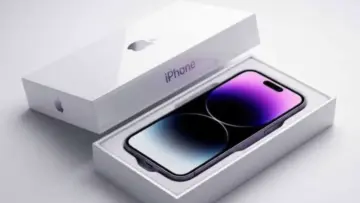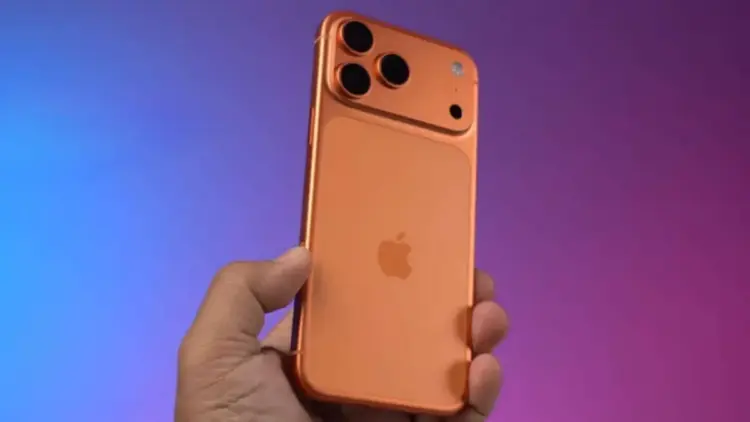
New Delhi, [Date, e.g., October 8, 2026] – In a landscape increasingly defined by premium technology and aspirational branding, Apple’s latest flagship, the iPhone 17 Pro, commands an initial price tag that positions it firmly at the apex of the smartphone market. Launched with a base price of Rs 1,34,900 in India, the device, while representing the pinnacle of mobile innovation, remains an expensive proposition for a significant segment of consumers. However, an emerging trend during the nation’s highly anticipated festive sales promises to dramatically alter this accessibility barrier, allowing discerning buyers to acquire the coveted iPhone 17 Pro for an astonishing effective price ranging from approximately Rs 57,000 to Rs 70,000. This remarkable price reduction, nearly 60% off its retail value, is not a simple markdown but rather the result of a sophisticated interplay of strategic offers: robust exchange values for older smartphones, lucrative exchange bonuses, and attractive bank-specific discounts. The precise final cost hinges critically on factors such as the model and condition of the device being traded in, as well as the chosen retail partner, underscoring a strategic shift in how high-end technology is made available to the masses.
The revelation of such a steep potential discount has sent ripples of excitement across the consumer electronics market, prompting many to re-evaluate their purchasing plans and patiently await the opportune moment. This phenomenon is not merely a testament to aggressive marketing but a reflection of evolving retail strategies designed to stimulate demand, drive upgrades, and capture market share in a fiercely competitive environment. For a device synonymous with innovation, status, and cutting-edge performance, the prospect of owning an iPhone 17 Pro at such an unprecedented effective price point transforms it from a luxury for the few into a tangible aspiration for many more, setting a new precedent for value acquisition in the premium smartphone segment.
The iPhone 17 Pro: A Deep Dive into Apple’s Latest Flagship
At its core, the iPhone 17 Pro is engineered to represent the zenith of mobile technology, pushing boundaries in performance, photography, and user experience. Its initial high price is not arbitrary but a reflection of the extensive research, development, and integration of advanced components that define Apple’s Pro lineup.
Specifications and Features that Command a Premium
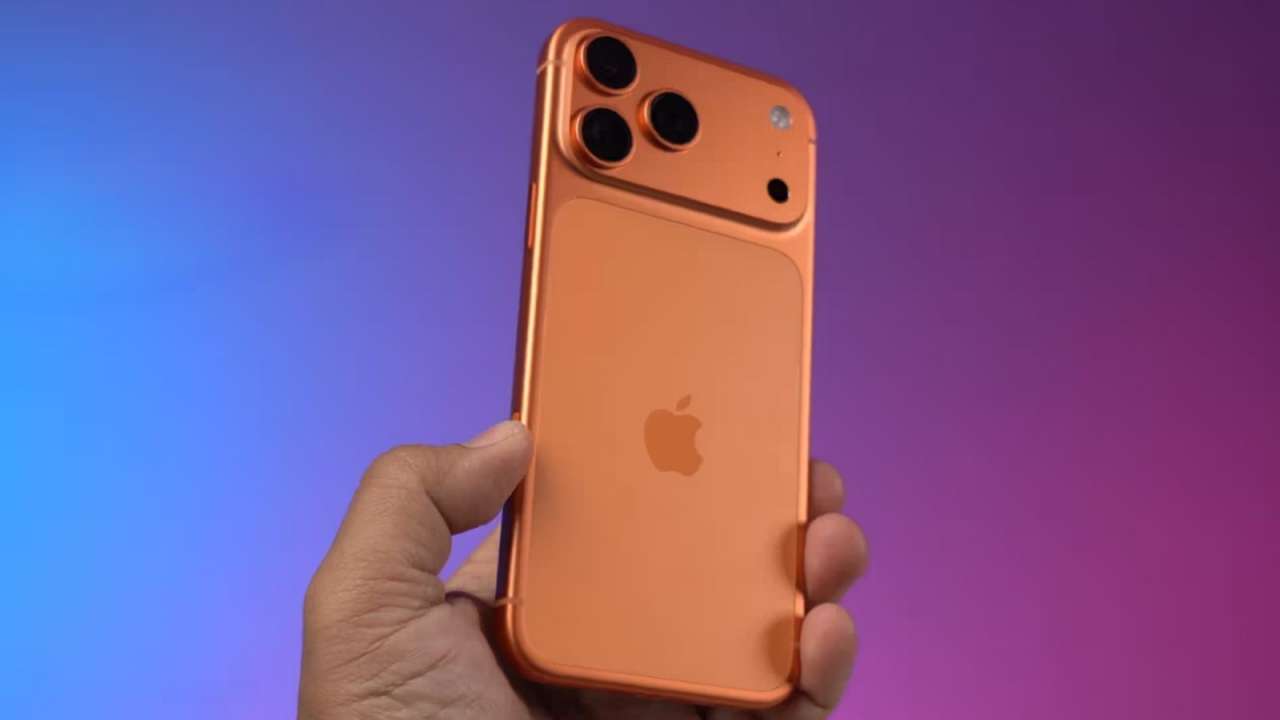
While the iPhone 17 Pro is a future iteration, extrapolating from current trends and industry whispers suggests a device bristling with cutting-edge capabilities. It is anticipated to feature the next-generation A-series Bionic chip, perhaps the A18 or A19, delivering unparalleled processing power and energy efficiency. This would facilitate seamless multitasking, console-grade gaming, and advanced on-device artificial intelligence functionalities, transforming how users interact with their device. The camera system is invariably a highlight of any Pro model, and the 17 Pro would likely elevate mobile photography further with larger sensors, improved low-light performance, potentially a more advanced periscope telephoto lens for superior optical zoom, and groundbreaking computational photography enhancements. Imagine capturing professional-grade photos and cinematic videos with unprecedented detail and dynamic range, all powered by sophisticated AI algorithms.
The display, a critical interface, is expected to be a refined ProMotion XDR panel, offering adaptive refresh rates upaching to 120Hz for incredibly fluid scrolling and responsiveness, coupled with enhanced brightness and color accuracy. Design-wise, Apple’s commitment to premium materials would likely see the iPhone 17 Pro sport an even more robust and lighter titanium frame, offering superior durability. Furthermore, the transition to USB-C, already underway, would be fully integrated, promising faster data transfer speeds and universal charging compatibility. Enhanced battery life, advanced satellite connectivity features, and potentially innovative new sensors for health or environmental monitoring would further justify its premium positioning. The integration with the latest iOS iteration would unlock new features, privacy controls, and a seamlessly integrated ecosystem experience, cementing its status as a technological tour de force.
Market Positioning and Consumer Perception
Apple’s strategy has always been rooted in premium pricing, cultivating an image of exclusivity, innovation, and uncompromising quality. The iPhone 17 Pro, therefore, serves not just as a communication device but as a statement of aspiration and status. For many, owning an iPhone is more than just possessing a smartphone; it’s an entry into a sophisticated ecosystem and a brand community. This aspirational value is meticulously crafted through marketing, design, and a consistent user experience that sets Apple apart.

However, the high sticker price inherently creates a barrier to entry for a significant portion of the market, particularly in price-sensitive regions like India. While there is a dedicated segment of early adopters and affluent consumers who readily embrace new Apple products regardless of cost, a much larger demographic desires the iPhone experience but is deterred by the financial outlay. This is precisely where strategic discounts and bundled offers become pivotal. By making the iPhone 17 Pro attainable at a significantly lower effective price during key sales periods, Apple, through its retail partners, aims to expand its market reach without fundamentally compromising its premium brand image. It’s a delicate balancing act, designed to convert aspirational desire into actual sales, thereby growing the ecosystem and reinforcing brand loyalty across a broader consumer base.
A Strategic Approach to Savings: Deconstructing the Discount Mechanisms
The path to acquiring the iPhone 17 Pro at its remarkably reduced effective price is paved with a combination of synergistic offers, each contributing a significant portion to the overall savings. Understanding these mechanisms is key to maximizing the discount.

Maximizing Exchange Value: Your Old Phone as a Goldmine
The cornerstone of the deepest discounts lies in the exchange value offered for an old smartphone. Retailers are increasingly incentivizing upgrades by providing substantial trade-in values, recognizing that many consumers upgrade from a relatively recent model. The value assigned to an old device is meticulously calculated based on several critical factors:
- Brand and Model: Premium brands like Apple, Samsung (flagship series), and Google Pixel generally fetch higher values due to their market demand and resale potential. For instance, the original article specifically highlights that devices like an iPhone 14 Pro or iPhone 15 in good condition are eligible for substantial exchange values, ranging from Rs 44,500 to Rs 55,000. This indicates a robust secondary market for these models.
- Age of the Device: Newer models naturally command higher exchange values. A phone that is 1-2 generations old will yield significantly more than one that is 3-4 years old, even if it’s a flagship.
- Storage Capacity: Higher storage variants often receive better trade-in values.
- Physical and Functional Condition: This is paramount. A device with a pristine screen, no dents or scratches, and fully functional components (camera, battery, ports, buttons) will receive the maximum quoted value. Devices with minor wear might see a slight reduction, while those with significant damage (e.g., cracked screen, non-functional components) may be rejected or offered a drastically reduced sum.
Retailers engage in this strategy for multiple reasons: it stimulates new sales, helps clear inventory of older devices, encourages brand loyalty by making upgrades more affordable, and provides them with a supply of pre-owned devices for refurbishment or recycling. To ensure maximum value, consumers are advised to backup all data, perform a factory reset, and thoroughly clean their old device before exchange. Presenting a well-maintained device can make a tangible difference in the final offer.

The Allure of Exchange Bonuses: A Limited-Time Windfall
Beyond the base exchange value, retailers frequently sweeten the deal with an additional exchange bonus during major sales events. As indicated, these bonuses typically range from Rs 10,000 to Rs 12,000. This incentive is a powerful tool designed to accelerate purchasing decisions.
- Purpose: Exchange bonuses are strategically deployed to create a sense of urgency and exclusivity. They act as a direct financial top-up to the trade-in value, making the effective price even more attractive.
- Applicability: These bonuses are often applicable for a limited time, usually coinciding with the peak days of a festive sale, and may be restricted to exchanges for specific high-value new models (like the iPhone 17 Pro) or when trading in certain premium old models.
- Retailer Benefit: From a retailer’s perspective, these bonuses are an investment in driving high-volume sales of flagship devices. While they might marginally reduce profit margins on individual units, the increased sales volume, customer acquisition, and ecosystem lock-in (especially for Apple products) often justify the expenditure. Consumers should pay close attention to the terms and conditions of these bonuses, verifying eligibility and duration before making a commitment.
Leveraging Bank Offers: Instant Savings and Flexible Payments
The third critical pillar of savings comes from partnerships between retailers and financial institutions, primarily in the form of bank offers. These typically include instant discounts or cashback on transactions made using specific credit and debit cards, often ranging from Rs 3,000 to Rs 4,000.

- Instant Discounts vs. Cashback: Instant discounts are applied at the point of sale, reducing the immediate out-of-pocket expense. Cashback offers involve the discounted amount being credited back to the customer’s account within a specified period after the purchase. Both serve to lower the final effective price.
- Card Eligibility: These offers are usually tied to specific banks (e.g., HDFC, ICICI, SBI, Axis Bank in India) and often differentiate between credit and debit cards, sometimes offering higher benefits for credit card users.
- No-Cost EMI Options: For a high-value purchase like the iPhone 17 Pro, no-cost EMI (Equated Monthly Installment) options are incredibly appealing. This allows consumers to spread the cost over several months (e.g., 3, 6, 9, or 12 months) without incurring any additional interest charges, making the premium device financially manageable without a significant upfront burden.
- Verification is Key: Before proceeding with a purchase, it is crucial for consumers to verify the eligible cards, the minimum transaction value required to avail the offer, and any specific terms and conditions associated with the bank discount or EMI plan. These offers are a win-win: banks see increased card usage and customer engagement, while consumers benefit from tangible savings and flexible payment solutions.
The Festive Frenzy: A Chronology of Opportunity
The aggressive pricing strategies for premium devices like the iPhone 17 Pro are inextricably linked to India’s vibrant festive season, a period marked by heightened consumer sentiment and unparalleled retail activity. This annual cycle creates a predictable, yet fiercely competitive, window of opportunity for both retailers and consumers.
The chronology of these opportunities typically begins to build momentum in the weeks leading up to major festivals like Dussehra and Diwali, usually spanning from late September through November. This period is colloquially known as the "festive season" and is synonymous with auspicious spending, gift-giving, and personal upgrades. Major e-commerce platforms like Flipkart and Amazon India kick off this period with their flagship sales events – the "Big Billion Days" and "Great Indian Festival," respectively – often starting in early October. These sales are meticulously planned months in advance, involving extensive negotiations between retailers, brands like Apple, and partner banks.

The build-up involves teaser campaigns, early bird announcements, and leaks that generate immense anticipation. Consumers, now well-versed in these annual patterns, often defer high-value purchases specifically for these sales. The peak period for discounts typically aligns with the week leading up to Diwali, which is considered the most auspicious time for new purchases. During this time, retailers unleash their most aggressive offers, combining exchange values, bonuses, and bank discounts to create the headline-grabbing "effective prices."
Historically, these sales have evolved from simple percentage discounts to complex, layered offers that require consumers to engage with multiple channels (trade-ins, specific bank cards) to unlock maximum savings. This evolution reflects a maturing market where consumers are savvier and retailers are more strategic in their approach to inventory management and customer acquisition. While early bird offers might provide a decent discount, the deepest cuts often appear during the middle to peak days of the sales, as retailers adjust to demand and competitive pressure. The cyclical nature ensures that those who miss out one year can anticipate similar opportunities the next, fostering a culture of waiting for the ‘right time’ to buy premium electronics. This strategic timing is a critical component of the overall value proposition for the iPhone 17 Pro.

Navigating the Retail Landscape: Where to Find the Best Deals
Identifying the right retailer is as crucial as understanding the discount mechanisms. While the offers are broadly similar across major players, specific terms, stock availability, and the generosity of exchange values can vary.
Supporting Data: Key Retailers and Their Strategies
- Reliance Digital: Frequently emerges as a frontrunner in offering the best combined deals. Their strength lies in their extensive network of physical stores, allowing for seamless in-person trade-ins and immediate verification of old phone conditions. They are known for aggressive bundled offers that often include high exchange values, substantial exchange bonuses, and strong partnerships with leading banks for instant discounts. Their market positioning allows them to negotiate favorable terms with brands like Apple, translating into competitive pricing for consumers.
- Croma: Another prominent offline and online retailer, Croma also runs similar stacked offers during festive sales. Their focus often includes an emphasis on customer service and an enhanced in-store experience, where knowledgeable staff can guide customers through the complexities of trade-ins and bank offers. Croma’s competitive edge comes from its ability to match or closely follow the aggressive pricing of its rivals, ensuring consumers have multiple avenues for securing a good deal.
- Flipkart: As a dominant e-commerce giant, Flipkart’s "Big Billion Days" sale is a cornerstone event for consumer electronics. While primarily an online platform, Flipkart facilitates exchanges through pick-up services, where an executive assesses the old phone’s condition at the customer’s doorstep. Flipkart excels in offering a wide range of bank discounts and has a strong logistical backbone to handle high volumes of orders. The convenience of online shopping combined with competitive pricing makes it a go-to for many.
- Other Potential Retailers: While the article focuses on the main three, consumers should also keep an eye on other players like Amazon India (during its "Great Indian Festival"), Vijay Sales, and regional electronics chains, which might occasionally offer localized deals or unique bank partnerships.
The dynamism of the market means that prices and offers are constantly fluctuating. Therefore, before making a purchase, it is highly advisable to compare prices and offers across Reliance Digital, Croma, and Flipkart (and potentially others). This involves checking their respective websites, visiting physical stores, and even leveraging price comparison websites or apps. The total amount a consumer ultimately pays will depend entirely on the specific model and condition of their old phone, making personalized research an indispensable part of the smart purchase journey. The interplay between online convenience and offline verification for exchange programs is also a key consideration for buyers.

Official Responses and Retailer Strategies
Given that the iPhone 17 Pro and its specific festive sale are hypothetical for a future date, direct "official responses" are not yet available. However, we can infer and analyze the strategic motivations behind such aggressive pricing from the perspectives of Apple, retailers, and banks.
Apple’s Stance: Balancing Premium with Penetration
Apple, as the brand owner, rarely engages in direct discounting of its flagship products. Its strategy is to maintain a premium brand image and control pricing. However, it implicitly supports and encourages these retailer-led initiatives. By providing channel partners with incentives and marketing support during festive periods, Apple ensures its products remain competitive. The company’s focus is on the "value proposition" of its ecosystem – hardware, software, and services – rather than just the device’s price. When retailers offer deep "effective price" discounts through trade-ins and bank offers, it allows Apple to increase its market share and bring more users into its ecosystem without devaluing the perceived premiumness of its brand. This nuanced approach helps Apple achieve sales volume goals while protecting its high-end market positioning.

Retailer Perspective: Market Share, Inventory, and Customer Acquisition
For retailers like Reliance Digital, Croma, and Flipkart, these aggressive discounts are a multifaceted strategic play:
- Market Share: In India’s intensely competitive retail landscape, securing a larger slice of the premium smartphone market is crucial. Offering the best effective price for a coveted device like the iPhone 17 Pro attracts a significant customer base.
- Customer Acquisition and Loyalty: These deals are powerful tools for acquiring new customers and retaining existing ones. A positive purchase experience, especially when saving a substantial amount, can foster long-term loyalty.
- Inventory Turnover: Festive sales are critical for moving high-value inventory quickly. Aggressive pricing ensures that stock of the latest models is cleared efficiently, making way for future product cycles.
- Driving Foot Traffic/Online Engagement: Deep discounts on flagship products act as loss leaders, drawing customers to stores or websites where they may also purchase accessories, services, or other products.
- Competitive Pressure: If one major retailer offers a compelling deal, others are compelled to match or exceed it to remain competitive, leading to a race to the bottom in terms of effective pricing, much to the consumer’s benefit.
- The "Effective Price" Distinction: Retailers are careful to highlight the "effective price" rather than stating a direct discount. This communicates the maximum possible savings achievable through a combination of offers, implicitly placing the onus on the consumer to maximize their trade-in and bank benefits. It’s a clever marketing tactic that allows them to advertise incredibly low prices while still managing their margins.
Bank Perspective: Increased Transactions and Customer Engagement
Banks partner with retailers for these offers primarily to:

- Increase Card Usage: Promotions drive customers to use their credit and debit cards, boosting transaction volumes.
- Customer Loyalty: Attractive cashback and EMI offers enhance customer satisfaction and encourage continued use of their banking products.
- New Customer Acquisition: Enticing offers can draw new customers to open accounts or apply for credit cards.
In essence, these pricing strategies are a symphony of interdependent motivations, orchestrated to create a win-win scenario for consumers, retailers, and financial institutions, all while navigating Apple’s brand positioning.
Implications of Aggressive Pricing Strategies
The widespread availability of the iPhone 17 Pro at such a significantly reduced effective price carries profound implications across various segments of the technology ecosystem and the broader economy.

For Consumers: Accessibility and Upgrade Cycles
The most immediate impact is on consumers. Aggressive pricing strategies democratize access to premium technology, making the aspirational iPhone 17 Pro attainable for a much broader demographic than its initial price point would suggest. This encourages faster upgrade cycles, as the perceived cost of switching to the latest flagship is dramatically lowered. Consumers become more strategic in their purchasing, often timing their upgrades to coincide with these festive sales, leading to better financial planning and greater value extraction from their purchases. The ability to avail no-cost EMI further eases the financial burden, allowing for a premium experience without a heavy upfront investment.
For Apple: Market Share and Ecosystem Lock-in
For Apple, these strategies, even if primarily driven by retailers, are crucial for maintaining and expanding its market share in diverse global markets, particularly in high-growth economies like India. While the company prides itself on premium pricing, it also needs volume to sustain its ecosystem. By making the iPhone 17 Pro more accessible, Apple draws more users into its services ecosystem (Apple Music, iCloud, Apple Arcade, App Store), which generates recurring revenue and strengthens customer loyalty. It also helps Apple compete effectively against Android flagships that often employ similar discount tactics. The challenge for Apple lies in balancing this volume growth with maintaining its exclusive, premium brand image.

For Retailers: Competition, Margins, and Logistics
Retailers face intense competition, with wafer-thin margins on some of these aggressively priced flagship phones. The strategic imperative is to drive foot traffic or online engagement, which can lead to sales of higher-margin accessories, extended warranties, or other products. However, managing the logistics of high demand during festive sales, processing a large volume of exchanges, and coordinating with multiple bank partners presents significant operational challenges. The success of these sales often hinges on efficient supply chain management, robust customer service, and seamless integration of online and offline channels.
For the Smartphone Market: Acceleration and Segmentation
The availability of flagship devices at such discounted effective prices accelerates the overall upgrade cycle within the smartphone market. This, in turn, impacts the mid-range and budget segments. As premium devices become more accessible, consumers who might have previously considered a high-end mid-range phone might now stretch their budget for a flagship. This forces mid-range manufacturers to innovate further and differentiate their offerings. It also sets new precedents for how flagship devices are priced and marketed during peak sales periods, making these layered discount structures a standard expectation rather than an exception.

Economic Impact: Consumer Spending and Digital Economy
From a broader economic perspective, these festive sales contribute significantly to consumer spending, providing a boost to the retail sector and the overall economy. The emphasis on online sales and digital payment methods (bank offers, EMIs) further stimulates the growth of the digital economy. The trade-in programs also contribute to the circular economy, as older devices are collected, potentially refurbished, and resold or recycled, reducing electronic waste (e-waste) to some extent, although the sheer volume of upgrades still poses environmental challenges.
Conclusion: The Art of the Smart Purchase
The opportunity to acquire a cutting-edge device like the iPhone 17 Pro for an effective price far below its sticker value during festive sales represents a significant paradigm shift in consumer electronics retail. It transforms a premium luxury into an attainable aspiration, making advanced technology accessible to a wider audience. This intricate dance of exchange values, bonuses, and bank offers is not merely a discount but a carefully orchestrated strategy by retailers, supported by brands and financial institutions, to stimulate demand, drive upgrades, and capture market share in a highly competitive landscape.

For the savvy consumer, this means that patience, meticulous research, and strategic timing are paramount. Understanding the nuances of each offer, accurately assessing the trade-in value of an old device, verifying bank eligibility, and comparing deals across multiple retailers are all critical steps in unlocking the maximum possible savings. The era of simply buying a phone at its listed price is gradually fading, replaced by a more dynamic and interactive purchasing journey where informed choices yield substantial financial benefits. As the festive season approaches, the promise of an iPhone 17 Pro at an unprecedented price point stands as a testament to the evolving dynamics of technology retail, inviting consumers to master the art of the smart purchase and embrace the future of mobile innovation without breaking the bank.