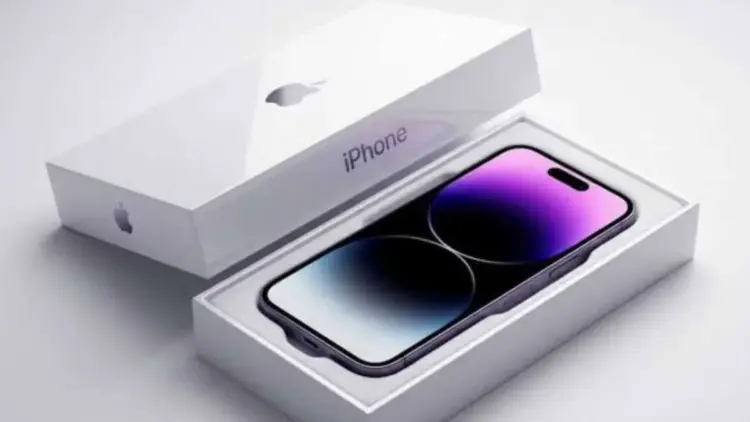
TECHNOLOGY – Cupertino, California – Apple Inc., the global technology behemoth renowned for its iconic iPhones, is reportedly grappling with a significant slowdown in demand for its latest flagship models. Just weeks after their highly anticipated September launch, the company has reportedly initiated substantial cuts to component orders for its iPhone 18 Pro and iPhone 18 Pro Max, signaling potential challenges in the premium smartphone market. This move has sent ripples through the tech industry and its extensive supply chain, prompting questions about consumer spending habits, pricing strategies, and the broader economic climate.
Main Facts: Apple’s Reported Production Adjustment
Sources close to Apple’s intricate supply chain have indicated a decisive shift in the company’s production strategy for its top-tier iPhones. According to a recent report by Nikkei Asia, Apple has instructed its suppliers to reduce the production of components for the iPhone 18 Pro and iPhone 18 Pro Max by an estimated 15 to 20 percent for the month of October. This considerable reduction underscores a critical assessment by the Cupertino giant regarding the current market appetite for its newest premium devices.
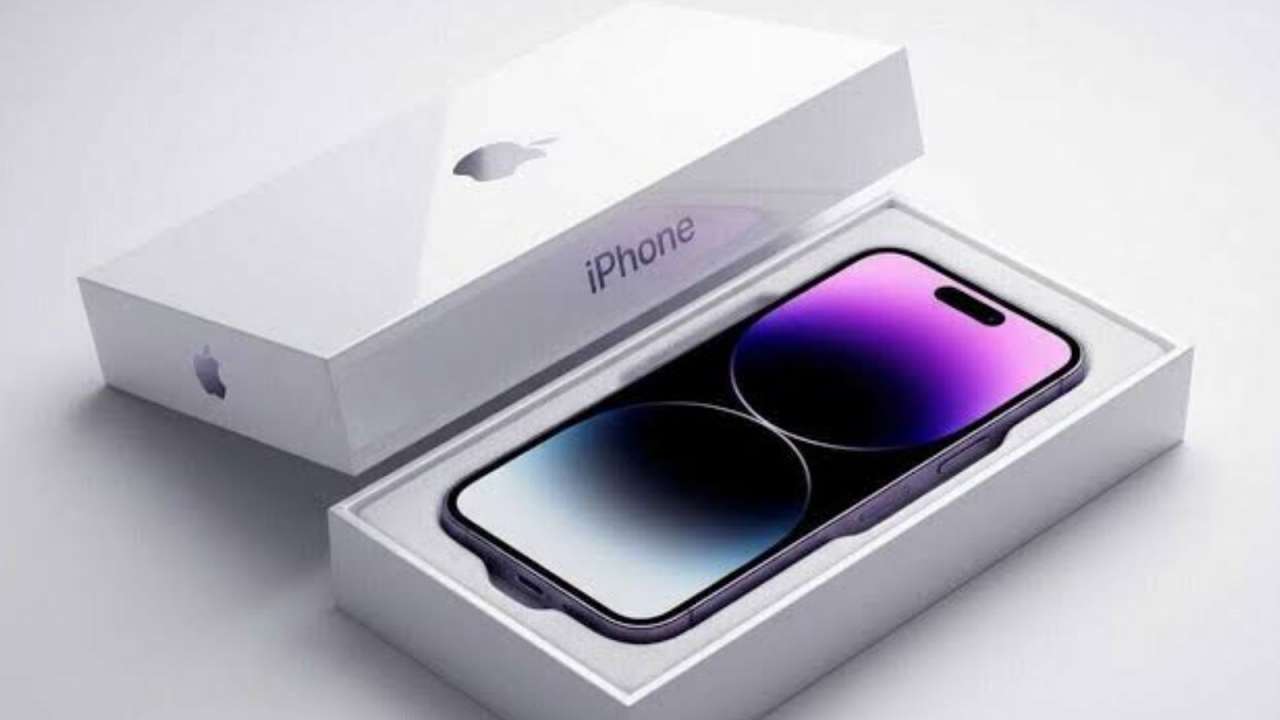
The decision to scale back production so soon after a major product launch is noteworthy, often serving as an early indicator of either weaker-than-expected consumer uptake or an overestimation of initial demand. While Apple typically maintains a veil of secrecy around its production figures and future forecasts, such reports from its robust supply network frequently provide the most accurate insights into the company’s operational adjustments. The iPhone 18 Pro series, introduced with much fanfare, was expected to drive significant sales, especially with its advanced features and enhanced performance. However, the reported cuts suggest that the initial post-launch surge may have quickly dissipated, or perhaps never reached the company’s internal projections.
This development is particularly significant given the iPhone’s central role in Apple’s revenue streams. The Pro models, in particular, command higher profit margins and contribute substantially to the company’s financial performance. A reduction in their production, therefore, carries broader implications for Apple’s upcoming quarterly earnings and its overall market valuation. The underlying reasons for this apparent cooling demand are multi-faceted, ranging from aggressive pricing strategies to global macroeconomic pressures and an increasingly cautious consumer base.
Chronology of Events: From Hype to Hesitation
The journey of the iPhone 18 Pro series, from its grand unveiling to the current reports of production cuts, highlights a rapid evolution of market sentiment.
Pre-Launch Anticipation and Hype (Summer 2026): As is customary with Apple’s annual product cycle, the months leading up to the September launch were characterized by intense speculation and fervent anticipation. Leaks, rumors, and analyst predictions fueled excitement about potential new features, design enhancements, and performance upgrades for the iPhone 18 Pro and Pro Max. Apple’s marketing machinery began to subtly build momentum, culminating in a highly anticipated keynote event. The global tech community and loyal Apple fanbase braced for what was expected to be another groundbreaking release.

The September Launch Event (Early September 2026): Apple officially unveiled the iPhone 18 Pro and iPhone 18 Pro Max to the world. The presentation emphasized cutting-edge camera technology, next-generation processors, improved battery life, and potentially new design elements or connectivity features. Initial reviews from tech journalists and early adopters were generally positive, praising the devices’ performance and premium build quality. Pre-orders typically open shortly after the launch, often leading to immediate sell-outs and extended waiting times, a testament to Apple’s enduring brand power.
Initial Sales and Supply Dynamics (Mid-September 2026): In the immediate aftermath of the launch, anecdotal evidence and early tracking data might have suggested robust initial sales, driven by eager early adopters and consumers due for an upgrade. Apple’s efficient supply chain typically gears up for massive initial shipments to meet this demand. However, signs of potential moderation began to emerge relatively quickly. UBS analysts, tracking global markets, reported a decrease in average waiting times for the iPhone 18 Pro across more than 30 markets. While this could indicate improved supply chain efficiency, its rapid occurrence post-launch, especially for Pro models that traditionally see longer waits, began to raise eyebrows, hinting at a softer demand curve than anticipated.

Emergence of Cooling Demand (Late September – Early October 2026): As the initial launch excitement subsided, a clearer picture of sustained demand began to take shape. The speed at which waiting times reduced, coupled with a lack of persistent "sold out" statuses in key markets, likely prompted internal reviews at Apple. These internal assessments, correlating sales data with inventory levels and supplier capabilities, would have formed the basis for the subsequent decision to adjust production targets.
The Nikkei Asia Report (October 2026): The definitive public confirmation of these internal adjustments came through the Nikkei Asia report, which cited sources indicating Apple’s directive to suppliers for a 15-20% reduction in component orders for October. This report served as a tangible manifestation of the earlier subtle indicators of cooling demand, solidifying concerns within the industry about the immediate sales trajectory of Apple’s latest premium offerings. The swiftness of this production cut, so soon after a major launch, suggests that the demand shortfall was more pronounced than Apple might have initially projected.

Historically, Apple has adjusted production volumes for its iPhones in response to market conditions. For instance, the iPhone X and iPhone XR saw similar adjustments in their respective cycles, albeit often several months after their initial launch. The relatively rapid nature of the iPhone 18 Pro cuts, however, underscores a potentially more immediate and impactful shift in consumer behavior or market dynamics compared to previous cycles.
Supporting Data and Analysis: Unpacking the Market Forces
The reported production cuts are not isolated incidents but rather symptoms of a complex interplay of economic factors, pricing strategies, and evolving consumer behavior in the global smartphone market.

Pricing Strategy and Market Reaction
A primary driver behind the reported demand slowdown appears to be Apple’s aggressive pricing strategy for the iPhone 18 Pro series. The new models carry a significantly higher price tag compared to their predecessors, a decision that seems to be testing the limits of consumer willingness to pay.
- Global Price Hikes: In the United States, the iPhone 18 Pro saw a notable $100 increase in its starting price. While this might seem incremental to some, it pushes the device further into a luxury segment, making it less accessible for a broader demographic already contending with inflationary pressures.
- Indian Market Impact: The price hike is even more pronounced in markets like India, where the iPhone 18 Pro starts at a staggering Rs 1,64,900, and the Pro Max at Rs 1,79,900. These figures represent a substantial investment for Indian consumers, even those in the affluent segment. The conversion rate, import duties, and local taxes exacerbate the price difference, making the devices considerably more expensive than in Western markets. This places immense pressure on potential buyers, forcing a deeper consideration of the value proposition.
- Economic Headwinds: Globally, consumers are facing a period of elevated inflation, rising interest rates, and general economic uncertainty. Disposable incomes are stretched, and discretionary spending on high-value items like premium smartphones is often among the first to be curtailed. The decision to upgrade a perfectly functional device becomes harder to justify when household budgets are tighter.
- UBS Analyst Insights: The report from UBS analysts regarding decreased waiting times in over 30 markets serves as a crucial data point. Traditionally, high demand for new iPhones, especially Pro models, leads to weeks or even months of waiting. A rapid decline in these waiting times, particularly within a month of launch, strongly suggests that initial demand did not meet supply, or that the surge was much shorter-lived than expected. While improved supply chain efficiency could play a minor role, the consensus leans towards reduced consumer appetite being the primary factor.
The Global Chip Market and AI Demand
Adding another layer of complexity to Apple’s predicament are the escalating costs of crucial components, particularly memory chips. This global trend is driven by an unprecedented surge in demand from the artificial intelligence (AI) sector.

- AI Data Center Boom: The rapid expansion of AI technologies, from large language models to complex machine learning applications, requires vast computational power and, critically, high-bandwidth memory (HBM). Tech giants are heavily investing in AI data centers, creating an insatiable demand for advanced memory chips.
- Supply-Demand Imbalance: This surge in AI-driven demand has created a significant supply-demand imbalance in the memory chip market. Manufacturers are prioritizing lucrative contracts for AI applications, leading to increased prices and potential allocation challenges for other sectors, including smartphones.
- Impact on Smartphone Costs: For smartphone manufacturers like Apple, the rising cost of memory chips directly translates into higher production expenses. While Apple’s scale allows it some leverage, it is not immune to these global market forces. These increased component costs likely contributed to the higher retail prices of the iPhone 18 Pro series, creating a challenging feedback loop where higher costs lead to higher prices, which in turn dampen demand.
- Broader Electronics Industry: The ripple effect of rising memory chip prices is being felt across the entire electronics industry, impacting everything from consumer electronics to enterprise hardware. This makes the operating environment more challenging for all players, not just Apple.
Broader Smartphone Market Trends
The struggles of the iPhone 18 Pro also align with a broader, more pessimistic outlook for the global smartphone market.
- IDC Forecast: Research firm IDC projects a significant 16.7% drop in global smartphone shipments in 2026. This stark forecast underscores several underlying issues:
- Market Saturation: Key markets are largely saturated, meaning most potential consumers already own a smartphone. Growth is primarily driven by upgrades or replacements rather than first-time buyers.
- Longer Upgrade Cycles: Consumers are holding onto their smartphones for longer periods. Devices are more durable, receive software updates for many years, and incremental innovation might not be compelling enough to warrant frequent upgrades. The "must-have" factor for new models has diminished.
- Economic Uncertainty: As previously mentioned, the global economic climate is dampening consumer confidence and discretionary spending.
- Paradox of Rising ASPs: Despite the predicted drop in shipments, IDC also anticipates that average selling prices (ASPs) for smartphones will rise by 27.6%. This seemingly paradoxical trend can be explained by several factors:
- Premiumization: Manufacturers are increasingly focusing on the premium segment, where profit margins are higher. This means fewer budget or mid-range devices, pushing up the average price.
- Cost Pass-Through: As component costs (like memory chips) and manufacturing expenses increase, these are often passed on to the consumer in the form of higher retail prices.
- Inflationary Pressures: General inflation also contributes to higher prices across the board.
- India’s Weakening Rupee: In India, the situation is compounded by a weakening rupee against the US dollar. Since Apple imports its devices and components, a weaker rupee means it costs more in local currency to purchase these dollar-denominated goods. This currency depreciation directly contributes to higher retail prices for iPhones in India, further straining consumer affordability and exacerbating the impact of global price increases.
Competitive Landscape
While Apple commands a dominant position in the premium segment, it faces formidable competition that could capitalize on its pricing strategy and demand challenges. Competitors like Samsung, Google, and various Chinese manufacturers (e.g., Xiaomi, OnePlus, Huawei in certain regions) offer high-end flagships that often come with competitive features and, in some cases, more aggressive pricing. If consumers perceive the iPhone 18 Pro’s value proposition as diminished due to its high price and only incremental upgrades, they might be more inclined to explore alternatives within the Android ecosystem.

Official Responses and Industry Speculation
In situations involving supply chain adjustments and production figures, Apple typically maintains a consistent stance of silence, and this instance is no exception.
Apple’s Official Position: Apple Inc. has a long-standing policy of not commenting on supply chain rumors, production volumes, or unofficial sales figures. This strategic silence is maintained to protect proprietary business information and to avoid influencing market perception based on unconfirmed reports. Therefore, no official statement from Apple regarding the iPhone 18 Pro production cuts is expected. Any information related to sales performance will only be disclosed during the company’s official quarterly earnings calls.

Analyst Perspectives and Industry Speculation: Despite Apple’s silence, industry analysts and market observers have been quick to weigh in with their interpretations and predictions:
- Temporary Blip vs. Broader Trend: Some analysts view the reported cuts as a temporary adjustment, a normal part of optimizing production based on initial market feedback. They might argue that Apple’s brand loyalty and ecosystem lock-in will eventually stabilize demand. Others, however, see it as a more ominous sign, indicative of a broader and more sustained slowdown in the premium smartphone market, affecting even resilient players like Apple.
- Consumer Fatigue: A growing sentiment among analysts suggests that consumers might be experiencing "innovation fatigue" or "price fatigue." With smartphones reaching a peak in terms of core functionality, incremental improvements might no longer justify significant price increases or frequent upgrades.
- Impact on Suppliers: The reported production cuts will inevitably have an impact on Apple’s vast network of suppliers, including major contract manufacturers like Foxconn and component providers such as TSMC, Samsung Display, and various memory chip makers. These companies plan their capacities and revenue forecasts based on Apple’s projections. A sudden reduction could lead to lower-than-expected revenue for these suppliers, potentially affecting their stock performance and future investment plans. This interconnectedness means that Apple’s challenges ripple throughout the global tech supply chain.
- Future Strategy Speculation: Speculation is also rife about how Apple might respond in the long term. This could involve more aggressive trade-in programs, diversified product portfolio emphasis (e.g., pushing services or other hardware like wearables and upcoming AR/VR devices), or a re-evaluation of its pricing strategy for future generations of iPhones.
Implications and Future Outlook: Navigating a Challenging Landscape
The reported production cuts for the iPhone 18 Pro series carry significant implications for Apple, its ecosystem, and the broader technology market, while also shedding light on the challenging path ahead for future innovations like the foldable iPhone.

Impact on Apple’s Revenue and Profitability
The iPhone remains the single most important product category for Apple, consistently accounting for roughly half of its total revenue. A sustained slowdown in iPhone sales, particularly for the higher-margin Pro models, could significantly impact Apple’s financial performance.
- Quarterly Earnings Pressure: Lower-than-expected sales for the iPhone 18 Pro series would inevitably put pressure on Apple’s upcoming quarterly earnings reports. While Apple’s services division continues to grow and diversify its revenue streams, it may not be enough to fully offset a substantial decline in hardware sales.
- Profitability Concerns: The Pro models are crucial for maintaining high-profit margins. If consumers opt for older, cheaper models, or delay upgrades altogether, Apple’s overall profitability could be affected, potentially impacting its stock performance and investor confidence.
- Long-Term Growth Trajectory: If these demand issues persist, it could challenge Apple’s long-term growth trajectory, forcing the company to innovate more aggressively in other areas or recalibrate its expectations for its most iconic product.
The Foldable Challenge: iPhone Duo
The discussion around the iPhone 18 Pro’s demand issues naturally extends to Apple’s rumored first foldable phone, the "iPhone Duo," which faces its own set of formidable challenges.

- Delay and Complexity: The iPhone Duo has reportedly faced significant delays, a common issue in the nascent foldable phone market. Manufacturing foldable displays is inherently complex, requiring advanced materials and precision engineering to ensure durability and a seamless user experience. Apple’s famously stringent quality standards likely further complicate and prolong the development and production process.
- Exorbitant Price Point: With a rumored price tag of Rs 2,99,900 for the 256GB model in India, the iPhone Duo is positioned at an even more exclusive, ultra-premium segment. As Nikkei Asia’s source aptly noted, "the phone is pricey for a smartphone." This price point, nearly double that of the iPhone 18 Pro Max, immediately limits its market appeal to a very niche segment of early adopters and luxury consumers.
- Market Viability Concerns: The question then becomes: If consumers are balking at the price of the iPhone 18 Pro, how much more resistant will they be to a device that costs almost twice as much? The iPhone Duo’s appeal lies in offering a large screen in a compact form factor, a compelling proposition for specific use cases. However, the combination of its extreme price, manufacturing complexity, and the current market sentiment suggests that the foldable iPhone could face even greater demand challenges than the Pro models. It risks becoming a technological marvel that few can afford or justify, potentially leading to slow sales and a limited market footprint, mirroring some of the early struggles of other foldable devices in the market.
Consumer Dilemma and Market Strategy
The current market climate presents a significant dilemma for consumers and forces a re-evaluation of smartphone upgrade cycles.
- Wait and Compare: The advice for "users with functional phones should wait and compare options" is more pertinent than ever. Consumers are increasingly likely to hold onto their existing devices for longer. When an upgrade is necessary, they will meticulously compare the iPhone 18 Pro not just with its direct competitors (e.g., Samsung Galaxy S series, Google Pixel Pro) but also with older iPhone models (e.g., iPhone 17 Pro, iPhone 18 base model). The incremental upgrades in newer models often don’t justify the substantial price difference for many.
- Value Proposition: Apple’s challenge is to articulate a compelling value proposition that transcends mere specifications. In a market where devices are increasingly capable and durable, the premium price needs to be justified by truly innovative features or a seamless experience that competitors cannot replicate.
- Ecosystem Lock-in vs. Price Sensitivity: While Apple’s robust ecosystem often creates a powerful lock-in effect, persistent price increases and economic pressures could push even loyal users to consider switching to Android alternatives, especially if their value proposition becomes more attractive.
Apple’s Long-Term Vision and Adaptability
Despite these immediate challenges, Apple’s long-term vision and its proven track record of adaptability should not be underestimated.

- Diversification: The company has been strategically diversifying its revenue streams, with services (Apple Music, iCloud, App Store, Apple TV+) becoming an increasingly significant contributor. This diversification provides some cushion against fluctuations in hardware sales.
- Future Innovations: Apple continues to invest heavily in research and development, exploring new product categories such as augmented reality (AR) and virtual reality (VR) with devices like the Vision Pro. While these are nascent markets, they represent potential new growth engines that could eventually offset any slowdown in mature product categories like smartphones.
- Strategic Adjustments: Apple is known for its ability to learn from market feedback and make strategic adjustments. This might include optimizing pricing for future generations, enhancing trade-in programs, or focusing on different market segments. The company’s resilience in navigating past market challenges suggests it will adapt to the current headwinds.
In conclusion, the reported production cuts for the iPhone 18 Pro series serve as a stark reminder that even market leaders like Apple are not immune to global economic pressures and evolving consumer behavior. The combination of higher prices, rising component costs, and a cautious consumer base is creating a challenging environment for premium smartphones. While the immediate outlook presents hurdles, Apple’s strategic diversification, relentless innovation, and capacity for adaptation will be key to navigating this dynamic landscape and securing its position at the forefront of the technology industry. The coming months will be crucial in determining whether these production adjustments are a temporary blip or a harbinger of more fundamental shifts in the smartphone market.