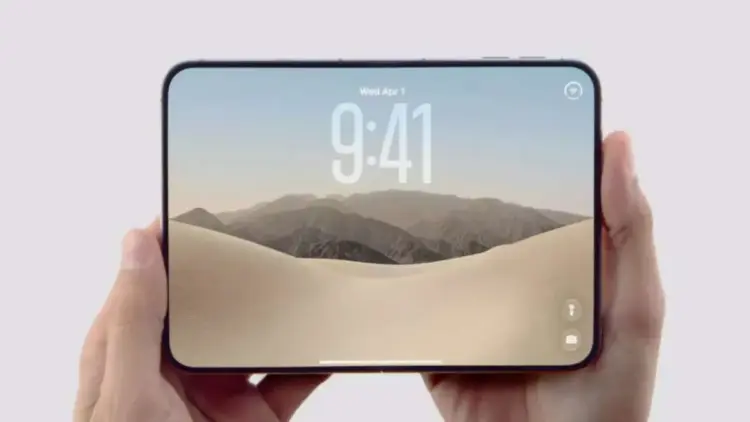
New Delhi, India – October 21, 2026 – In a significant move signaling both unprecedented consumer enthusiasm and a strategic effort to manage market dynamics, technology giant Apple has implemented a strict purchase limit on its iPhones in India. Effective immediately on its online store, customers are now restricted to acquiring a maximum of two units per transaction across all models. This policy shift comes just days before the highly anticipated October 23 global launch of what is described as Apple’s groundbreaking first foldable smartphone, the iPhone Duo, alongside the next-generation iPhone 18 Pro, iPhone 18 Pro Max, and the latest iteration of the iPhone 17 series.
The decision underscores India’s burgeoning importance as a key growth market for Apple, where demand for premium smartphones, particularly those bearing the iconic bitten apple logo, has reached record highs. While Apple has refrained from issuing an official statement regarding the rationale behind this new cap, industry observers and market analysts widely interpret it as a proactive measure designed to deter bulk purchasing by resellers and to ensure equitable access for individual consumers during a period of intense product launch frenzy. The policy echoes a similar move made by Apple nearly two decades ago during the inaugural iPhone launch, highlighting a recurring challenge in managing the initial rollout of revolutionary products.
The Policy Unveiled: A Strategic Cap on iPhone Acquisitions
Apple’s new purchasing restriction is straightforward yet impactful: no single customer can purchase more than two iPhones in a single transaction on the Apple Store Online in India. This limit applies universally to all iPhone models currently available or launching soon, encompassing the entire spectrum from the established iPhone 17 series to the cutting-edge iPhone 18 Pro, iPhone 18 Pro Max, and the revolutionary iPhone Duo.
The implementation is seamless within the online shopping experience. Should a customer attempt to add a third iPhone to their shopping bag, the system automatically prevents the checkout process. A clear warning message appears, stating: "A maximum of 2 iPhones can be purchased per customer. Please adjust the total quantity of iPhones in your order before checking out." This functional barrier ensures compliance at the point of sale, preventing any circumvention of the new rule through a single order.

Crucially, the limit pertains to the overall quantity of iPhones in the shopping bag, not individual models. This offers customers a degree of flexibility within the imposed constraint. For instance, a buyer could order two units of the highly anticipated iPhone Duo, or opt for a combination such as one iPhone Duo and one iPhone 18 Pro, or even two units of the iPhone 17. The primary objective is to cap the total number of iPhone devices leaving Apple’s direct online channels with a single customer identity to two, thereby spreading available stock across a wider consumer base. For families or individuals looking to purchase multiple devices as gifts or for various family members, this now necessitates multiple transactions, potentially across different accounts, or reliance on alternative retail channels.
A Glimpse into the Future: The iPhone Duo and Next-Gen Lineup
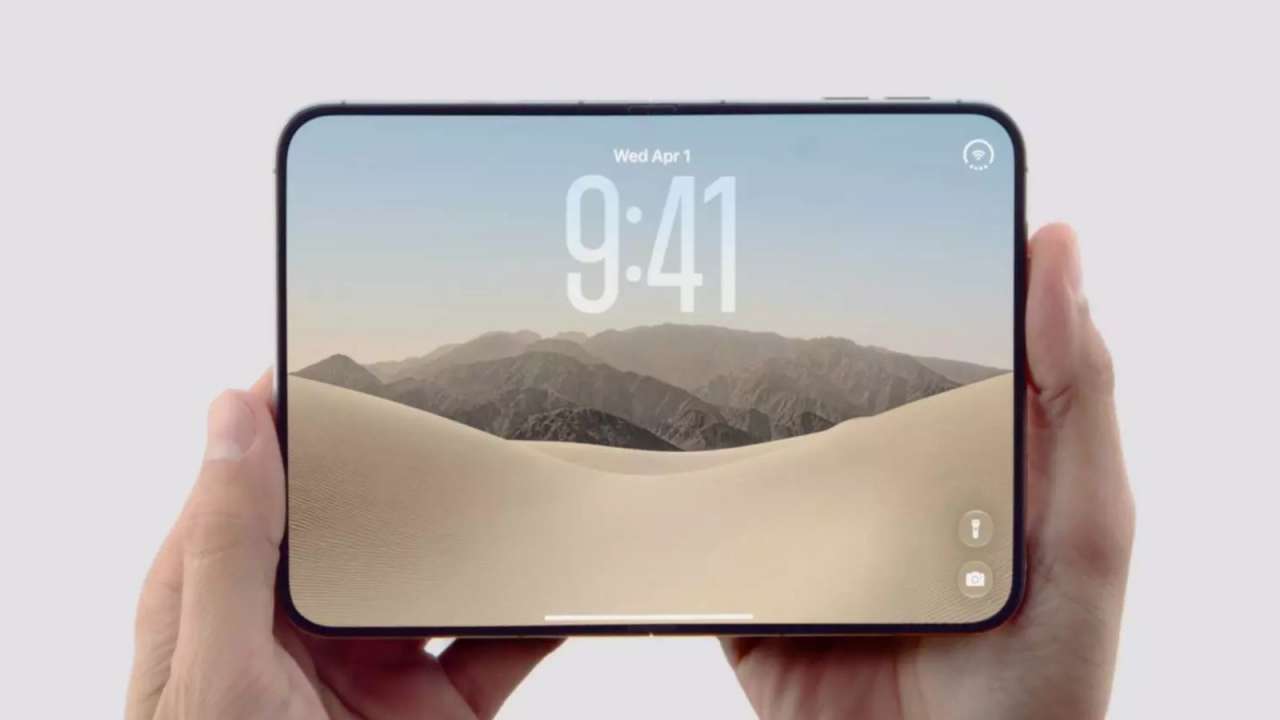
The context of this purchasing limit is inextricably linked to the forthcoming product launches, which promise to redefine segments of the smartphone market. The "iPhone Duo" stands as the centerpiece of this launch cycle, representing Apple’s audacious entry into the nascent but rapidly expanding foldable smartphone segment. After years of speculation and industry anticipation, Apple’s decision to embrace the foldable form factor with the Duo is poised to be a game-changer, bringing its renowned design philosophy, ecosystem integration, and robust software experience to a completely new hardware paradigm. The very concept of an "iPhone Duo" suggests a device that combines the utility of a tablet with the portability of a smartphone, offering users unprecedented screen real estate and multitasking capabilities.

Alongside the Duo, the launch of the iPhone 18 Pro and iPhone 18 Pro Max signifies the continued evolution of Apple’s flagship smartphone line. These models are expected to introduce significant advancements in processing power, camera technology, display innovation, and potentially new software features that leverage the capabilities of the latest Apple silicon. The iPhone 17, while a slightly older generation in this future context, continues to represent a popular and accessible entry point into the premium Apple ecosystem, maintaining strong demand. The simultaneous release of such a diverse and compelling lineup, ranging from revolutionary to refined, naturally creates a surge in demand that necessitates careful management, particularly in a market as dynamic as India.
Chronology of Anticipation and Constraint
The imposition of a purchase limit is not an isolated event but rather the latest development in a broader narrative of Apple’s deepening engagement with the Indian market and the immense consumer anticipation surrounding its product launches.

Apple’s Growing Footprint in India
Over the past few years, India has emerged as a strategic cornerstone for Apple’s global expansion. The company has aggressively invested in local manufacturing capabilities, reducing reliance on imports and navigating complex tariff structures. This commitment has been complemented by the opening of flagship retail stores in major Indian cities, offering a direct-to-consumer experience akin to those found in Western markets. The Apple Store Online, launched to cater to the vast digital-savvy population, has become a critical channel for reaching customers across the subcontinent. This multi-pronged approach has fueled Apple’s growth in India, transforming it from a niche player into a significant force in the premium smartphone segment. The launch of the iPhone Duo and the next-gen models is expected to further solidify this position.
Pre-Launch Hype and Demand Indicators
The run-up to the October 23 launch has been characterized by intense speculation and fervent consumer interest. Pre-orders for the iPhone Duo, which commenced on October 16, served as an immediate barometer of the impending demand. Sources indicate that within a remarkably short period following the opening of reservations, delivery predictions for the iPhone Duo quickly shifted from immediate availability to an extended waiting period stretching into January of the following year. This rapid depletion of initial stock and the subsequent pushback in delivery estimates are clear indicators of overwhelming consumer appetite, far exceeding initial supply projections. Such a scenario creates fertile ground for opportunistic reselling, which Apple is keen to mitigate.

Implementation of the Limit
The timing of the purchase limit, enacted just days before the official launch, suggests a reactive measure to address the palpable pre-launch demand and the early signs of potential stock shortages. By implementing the cap across all models, Apple aims to create a level playing field, preventing an immediate surge in bulk purchases that could otherwise deplete inventory before the general public has a fair chance to acquire the devices. This proactive restriction allows Apple to maintain control over its primary sales channel and manage customer expectations more effectively.
Historical Precedent: Echoes of 2007
This is not the first time Apple has resorted to such a measure. A significant historical precedent exists from the launch of the original iPhone in 2007. At that time, Apple similarly limited customers to two units per purchase. The context then was different – the iPhone was a truly revolutionary product, creating an entirely new category of smartphones, and supply chains were not as globally robust as they are today. The market was also less mature, with resellers playing a significant role in distributing new technologies.

Comparing 2007 to 2026, while the market landscape has transformed dramatically, the underlying principle remains the same: manage demand for a highly anticipated, potentially supply-constrained, and groundbreaking product. In 2007, the restriction was global; in 2026, it is specifically noted for India, underscoring the unique dynamics and immense demand witnessed in this particular market. The fact that Apple is revisiting such a policy highlights the persistent challenges associated with launching products that generate global fervor and significant profit opportunities for secondary markets.
Unpacking the ‘Why’: Demand, Deterrence, and Distribution Control
While Apple has maintained its characteristic silence on the official reasons behind the purchase limit, industry consensus points to a confluence of strategic objectives centered around managing unprecedented demand and controlling the distribution landscape.

Unofficial Explanation & Industry Norms
In the absence of an official statement, the rationale behind such restrictions is typically inferred from industry best practices and Apple’s own historical actions. Purchase limits are standard operating procedures for many high-demand product launches, particularly in the consumer electronics sector. They serve as a crucial tool for manufacturers to maintain market equilibrium, prevent price gouging in secondary markets, and ensure a broad distribution of initial inventory.
Record-High Demand in India
The primary driver behind this policy is undoubtedly the extraordinary demand for iPhones in India.

- India’s Premium Smartphone Boom: India is currently one of the fastest-growing smartphone markets globally, with the premium segment (devices priced above $500 or approximately ₹40,000) experiencing exponential growth. Apple has been a dominant force in this segment, leveraging its brand cachet, aspirational value, and increasingly competitive financing options. Indian consumers are demonstrating a growing willingness to invest in high-end devices that offer a blend of status, performance, and ecosystem benefits.
- Brand Loyalty and Aspirations: The "Apple mystique" holds significant sway in India. Owning an iPhone is often seen as a status symbol, reflecting not just technological preference but also a certain lifestyle. This aspirational appeal, combined with a fiercely loyal customer base, translates into massive pre-launch hype and immediate demand for new models.
- The Foldable Factor: The iPhone Duo’s entry into the foldable market is a major draw. For many, it represents the pinnacle of smartphone innovation, combining Apple’s design prowess with cutting-edge flexible display technology. The novelty of a first-generation Apple foldable product is a powerful motivator for early adopters and tech enthusiasts, contributing significantly to the demand surge.
- Festive Season & Gifting: While the original article specifies October 23, if this falls within or close to India’s major festive season (like Diwali, which often occurs in October or November), demand for premium electronics as gifts can skyrocket. This seasonal factor further exacerbates the natural launch demand.
Combating the Reseller Market
A significant objective of the purchase limit is to curb the activities of professional resellers.
- Economics of Reselling: When demand far outstrips supply, especially for a new and highly desirable product, a grey market often emerges. Resellers purchase devices in bulk from primary channels at retail prices and then sell them on secondary markets (online marketplaces, informal networks) at inflated prices, capitalizing on consumer impatience and scarcity. The profit margins can be substantial, incentivizing large-scale bulk buying.
- Impact on Genuine Customers: The activities of resellers directly impact genuine individual customers. Bulk purchases by resellers quickly deplete official stock, making it difficult for regular consumers to buy directly from Apple. This often forces them to either wait indefinitely or pay exorbitant prices in the secondary market, leading to frustration and a negative brand experience.
- Grey Market Dynamics: While intended to deter, such limits can sometimes inadvertently fuel the grey market if determined resellers find workarounds, pushing transactions to less regulated channels where price controls are non-existent.
Ensuring Equitable Access
By limiting purchases, Apple aims to ensure that its initial inventory is distributed among a larger number of individual buyers. This strategy helps to spread the excitement of the launch more broadly and allows more customers to experience the new products directly from Apple, rather than having the stock concentrated in the hands of a few commercial entities. It aligns with Apple’s brand image of customer-centricity, despite the inconvenience it might cause to some.

Supply Chain Management
While not explicitly stated, the context of high demand for a new form factor like the iPhone Duo, combined with the complexities of global supply chains, suggests that managing supply is also a contributing factor. New technologies often come with initial manufacturing challenges and yield rates that can impact the volume of units available at launch. A purchase limit can help Apple manage the initial rollout more smoothly, preventing a complete stockout and maintaining a steady flow of product to the market over time.
Official Silence and Industry Speculation
Apple’s decision to implement this significant policy change without an official press release or explanation is entirely consistent with its long-standing corporate communication strategy. The company rarely comments on supply chain dynamics, demand forecasts, or specific retail policies unless absolutely necessary. This approach allows Apple to control the narrative, prevent unnecessary speculation, and avoid validating the very reseller activities it seeks to deter.

Industry analysts, however, are vocal in their interpretations. Many view this as a necessary, albeit restrictive, step for a brand that consistently generates immense hype. Technology market expert, Anjali Sharma, commented, "Apple’s silence speaks volumes. This limit is a clear signal that demand for the iPhone Duo and the new series is simply off the charts in India, and they are prioritizing a fair launch experience for the maximum number of individual customers. It’s a testament to the product’s allure and India’s market potential." This collective interpretation reinforces the understanding that the policy is a direct response to tangible market forces.
Implications Across the Ecosystem
The purchase limit, while seemingly a minor operational adjustment, carries significant implications for various stakeholders within the Indian technology ecosystem.

For the Indian Consumer
- The Dilemma of Multiple Purchases: For families who traditionally buy multiple iPhones at once (e.g., for parents and children), or for individuals looking to purchase devices as gifts, the two-unit limit presents a logistical challenge. They will either have to make multiple separate orders (potentially using different Apple IDs or payment methods, if the system allows) or explore alternative purchase channels.
- Shifting Purchase Channels: This policy will likely redirect a portion of the demand to Apple’s physical retail stores, authorized resellers, and major e-commerce platforms like Amazon India and Flipkart. While Apple has significant control over its direct online store, ensuring consistent policies across its vast network of third-party retailers can be more complex. This shift could dilute Apple’s direct-to-consumer strategy, pushing customers to partners who might offer different incentives or experiences.
- Customer Experience: While some customers might appreciate Apple’s efforts to ensure wider availability, others might find the restriction frustrating, especially if they have legitimate reasons for needing more than two devices. This could lead to a mixed customer experience, balancing perceived exclusivity with actual inconvenience.
For Resellers and the Grey Market
- Adaptation and Workarounds: Experienced resellers are notoriously resourceful. They may attempt to circumvent the limit by using multiple online accounts, different payment methods, or enlisting friends and family to make purchases. This can lead to a cat-and-mouse game between Apple’s enforcement mechanisms and reseller tactics.
- Potential for Price Inflation: If the online limit effectively reduces the supply available to resellers, it could paradoxically drive up prices in the secondary or grey market even further. With fewer units available from unofficial sources, those who manage to acquire them may command even higher premiums, creating a more lucrative, albeit riskier, environment for illicit trade.
- Impact on Authorized Dealers: Authorized Apple resellers and multi-brand electronics stores might see an increase in foot traffic and sales from customers unable to purchase more than two units directly from Apple’s online store. The crucial question will be whether Apple imposes similar limits on these partners or if they become the primary avenue for larger purchases.
For Apple’s Strategic Play in India
- Market Control and Brand Image: The policy reinforces Apple’s ability to exert significant control over its product launches and market distribution. It also subtly enhances the brand’s image of exclusivity and desirability – if a product is so sought after that limits are necessary, it further fuels its premium perception.
- Data Collection: By channeling more purchases through its online store (even with limits), Apple can gather valuable first-party data on consumer behavior, demand patterns, and regional preferences, which can inform future marketing and inventory strategies.
- Long-Term Market Shaping: This move could set a precedent for future highly anticipated launches in India and potentially other high-growth markets. It signals Apple’s willingness to implement firm policies to manage demand for its most innovative products.
- Balancing Demand and Supply: For a premium brand like Apple, managing the delicate balance between generating immense demand and ensuring adequate supply is critical. This policy is a tactical step in that ongoing effort, particularly as it navigates the complexities of a new product category like foldable smartphones.
Impact on Competitors
Competitors in the premium smartphone segment, particularly those with existing foldable devices (like Samsung, which has a well-established foldable line), will be closely observing Apple’s launch and its demand management strategies. The iPhone Duo’s entry could intensify competition, but Apple’s purchase limits might also create an opportunity for rivals to capture customers who are frustrated by the restrictions or unable to acquire the new Apple device. Competitors might highlight their wider availability or less restrictive purchase policies in response.
Conclusion: A Precedent-Setting Move in a Pivotal Market
Apple’s decision to cap iPhone purchases at two units per customer in India is a clear, decisive action taken in anticipation of a monumental product launch. The impending arrival of the iPhone Duo, alongside the next-generation iPhone 18 Pro, iPhone 18 Pro Max, and the latest iPhone 17 series, has ignited a demand surge unlike anything seen before in the Indian market. By implementing this restriction, Apple aims to achieve a dual objective: to actively deter the bulk buying activities of resellers who seek to profit from scarcity, and to ensure that a broader spectrum of genuine individual consumers has the opportunity to acquire these highly coveted devices directly.

This move underscores India’s unparalleled strategic importance for Apple, where the combination of a rapidly growing economy, an expanding middle class, and an aspirational consumer base creates a unique landscape of opportunity and challenge. While the policy may introduce some inconvenience for certain customers, it reflects Apple’s commitment to controlling its brand experience and managing the launch of its most innovative products. The future will tell if these purchase limits become a standard feature for Apple’s most anticipated launches in dynamic markets, but for now, they stand as a testament to the extraordinary allure of the iPhone and the vibrant, ever-evolving tech landscape of India.