PERSONAL FINANCE
Mumbai, India – October 29, 2026 – The Indian precious metals market continues its dynamic trajectory, with gold and silver prices registering notable movements today, October 29, 2026. Influenced by a complex interplay of global economic shifts, burgeoning domestic demand, and fluctuating currency exchange rates, these metals remain pivotal assets for both investors and consumers across the nation. This report provides a comprehensive breakdown of today’s prices, examines the underlying factors driving these valuations, and explores the broader implications for the Indian economy and its citizens.
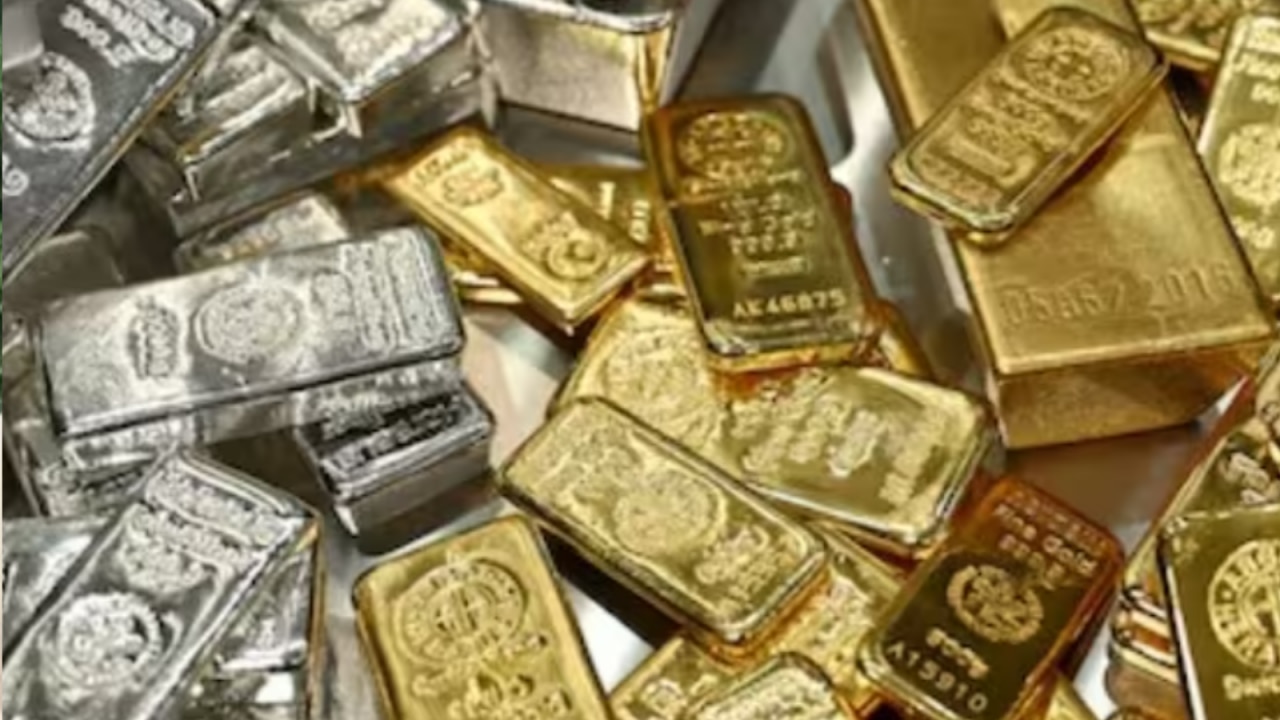
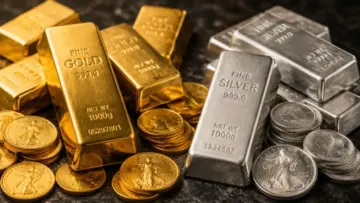
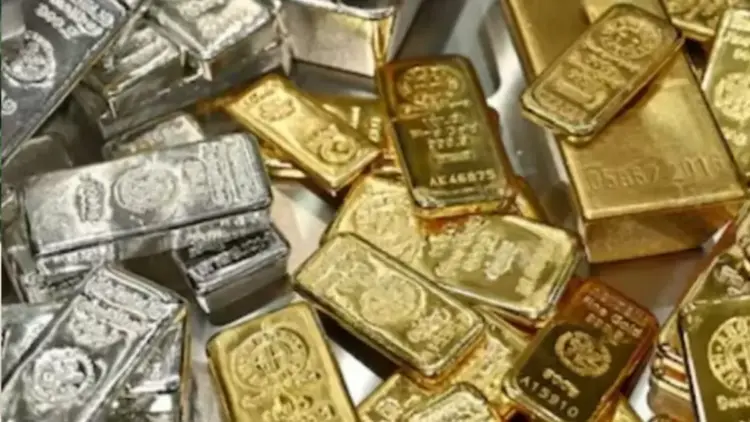
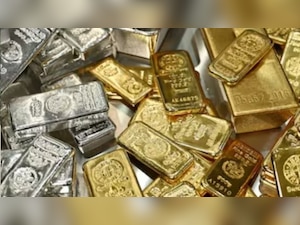
(Image: A visually striking image of gold bars and silver coins, perhaps with a backdrop of a bustling Indian market, reinforcing the theme of precious metals in the Indian context. The original image description provided will be adhered to in terms of content and relevance.)
(Caption: Gold, Silver prices today, October 29, 2026: Check city-wise rates in Delhi, Mumbai, Chennai, Kolkata and more. Source: DNA India)
The Main Facts: Current Valuations on October 29, 2026
As of Thursday, October 29, 2026, the precious metals market in India reflects a cautious yet upward trend. Gold, often seen as a traditional safe haven, has experienced a slight but perceptible increase, primarily attributed to persistent global demand and underlying inflationary pressures. Silver, while generally more volatile, maintains its appeal, particularly in industrial applications and as an accessible investment vehicle.
Gold Prices Across India:

The national benchmark for 24-karat gold (999 purity) stands at Rs 14,396 per gram. For 22-karat gold, widely preferred for jewellery fabrication due to its durability, the price is recorded at Rs 13,196 per gram.
Here’s a detailed city-wise breakdown of gold prices, as reported by industry aggregator Good Returns:

- Delhi:
- 24K Gold: Rs 14,411 per gram
- 22K Gold: Rs 13,211 per gram
- Mumbai:
- 24K Gold: Rs 14,396 per gram
- 22K Gold: Rs 13,196 per gram
- Kolkata:
- 24K Gold: Rs 14,396 per gram
- 22K Gold: Rs 13,196 per gram
- Chennai:
- 24K Gold: Rs 14,396 per gram
- 22K Gold: Rs 13,196 per gram
The slight variance observed in Delhi’s prices can often be attributed to local taxes, transportation costs, and specific market dynamics unique to the capital region.
Silver Prices Across India:

Silver, the more industrial of the two metals, also exhibits robust pricing today. The current national rate for pure silver (999 purity) is approximately Rs 2,19,900 per kilogram. Sterling silver (925 purity), a common alloy for jewellery and silverware, is priced at Rs 2,20,000 per kilogram.
The city-wise prices for 999 pure silver per 10 grams are as follows:

- Delhi: Rs 2199 per 10 grams
- Mumbai: Rs 2199 per 10 grams
- Kolkata: Rs 2199 per 10 grams
- Chennai: Rs 2199 per 10 grams
These uniform prices across major metros suggest a strong national market integration for silver, with local factors having a less pronounced impact on its per-gram valuation compared to gold.
Chronology of Market Influences: A Look Back at Recent Trends
The current prices of gold and silver on October 29, 2026, are not isolated figures but rather the culmination of several months of evolving market dynamics. The precious metals sector has witnessed significant volatility and strategic shifts throughout 2026.

Early 2026: The year began with cautious optimism, as global economies grappled with lingering effects of post-pandemic recovery and nascent inflationary pressures. Gold maintained its value as a traditional hedge, while silver saw increased industrial demand driven by burgeoning green technologies and electronics manufacturing.
Mid-2026 (Q2-Q3): This period was characterized by heightened geopolitical tensions across several regions, leading to increased demand for safe-haven assets. Gold prices experienced a steady ascent, breaking through several resistance levels. Central banks globally, including the US Federal Reserve and the European Central Bank, continued to navigate interest rate policies, creating a push-pull effect on the dollar’s strength and, consequently, on commodity prices. A stronger dollar typically makes dollar-denominated gold more expensive for holders of other currencies, but persistent inflation concerns often outweigh this effect, driving investors towards gold.

In India, the pre-monsoon and early festive season months witnessed a gradual build-up in consumer demand. Despite global uncertainties, a relatively stable domestic economic outlook, coupled with a resilient Indian rupee for parts of Q2, provided some insulation. However, as Q3 progressed, the rupee began to show signs of weakness against the US dollar, making imported gold pricier and contributing to the upward revision of local rates.
Leading up to October 29, 2026: The immediate weeks preceding today’s report have seen a continuation of these trends. Global inflation metrics, particularly in developed economies, have remained stubbornly high, bolstering gold’s appeal. The ongoing festive season in India, encompassing Navratri and leading into Diwali, has significantly amplified local demand for both gold and silver jewellery and investment products. This seasonal surge, combined with a moderately weaker rupee, has pushed prices to their current levels. Industrial demand for silver has also remained robust, supporting its valuation.

Supporting Data: Unpacking the Driving Forces
The forces shaping gold and silver prices are multifaceted and interconnected. Understanding these elements is crucial for anticipating future movements and making informed financial decisions.
1. Global Market Trends: The Macroeconomic Canvas
- Inflationary Pressures: A primary driver for gold’s recent surge is persistent global inflation. As the purchasing power of fiat currencies erodes, investors flock to gold, historically recognized as a reliable store of value. Data from major economies indicates that while inflation might be easing from its peaks, it remains above central bank targets, creating a sustained demand for inflation hedges.
- Geopolitical Instability: The global political landscape in late 2026 remains fraught with uncertainties. Ongoing conflicts in Eastern Europe, tensions in the Middle East, and trade disputes between economic superpowers contribute to a risk-averse sentiment among investors. In such environments, gold’s status as a safe-haven asset intensifies, leading to capital flows into the yellow metal.
- Interest Rate Policies: The monetary policies of central banks, particularly the US Federal Reserve, play a significant role. Higher interest rates typically strengthen the US dollar, making gold (denominated in USD) more expensive for international buyers and potentially reducing its appeal as yield-bearing assets become more attractive. Conversely, expectations of rate cuts or a pause in hikes can weaken the dollar and boost gold prices. The current environment suggests a delicate balancing act by central banks, trying to curb inflation without stifling economic growth, which keeps gold markets volatile but often with an upward bias.
- Global Economic Growth Projections: Forecasts for global economic growth in 2027 remain mixed. A slowdown in major economies could lead to recessionary fears, prompting investors to seek safety in gold. Conversely, robust growth could increase industrial demand for silver.
2. Local Demand: India’s Unique Relationship with Precious Metals
India’s affinity for gold and silver is deeply cultural, transcending mere investment.

- Festive Season Demand: The period from October to December is traditionally the peak season for gold and silver purchases in India. Festivals like Diwali, Dhanteras, and the ensuing wedding season drive unprecedented demand for jewellery, coins, and bars. This inherent seasonal surge is a predictable factor in the Indian market, often overriding some global price pressures. Families typically make significant purchases during these auspicious times, contributing to higher prices.
- Cultural Significance: Gold, in particular, holds immense cultural and religious significance, being an integral part of weddings, religious ceremonies, and gifting traditions. It is also viewed as a symbol of prosperity and security, especially in rural areas where it often serves as the primary form of savings.
- Investment Avenue: Beyond adornment, gold and silver are crucial investment vehicles for Indian households. They offer a tangible asset that hedges against inflation and currency depreciation. The increasing awareness of financial instruments like Gold Exchange Traded Funds (ETFs) and Sovereign Gold Bonds (SGBs) has diversified investment options, though physical gold remains dominant.
- Rural Demand: A significant portion of India’s gold demand originates from rural areas. Good monsoon seasons and higher agricultural incomes often translate into increased spending on gold and silver, acting as a crucial demand driver.
3. Changing Currency Rates: The USD-INR Equation
The exchange rate between the Indian Rupee (INR) and the US Dollar (USD) is a critical determinant of domestic gold and silver prices. Since India imports a substantial portion of its precious metal requirements, a weaker rupee makes these imports more expensive in local currency terms, directly translating to higher retail prices.
- Impact of a Weaker Rupee: As observed in the recent past, a depreciating rupee against the dollar contributes significantly to higher domestic gold prices. This depreciation can be influenced by factors such as India’s trade deficit, foreign institutional investment flows, and global dollar strength.
- Reserve Bank of India (RBI) Policy: The RBI’s monetary policy decisions, including interventions in the forex market, play a role in managing rupee volatility. However, global economic pressures often exert a stronger influence on the currency’s trajectory.
- Crude Oil Prices: India is a major importer of crude oil. Elevated international crude oil prices can put downward pressure on the rupee, as more dollars are needed to finance oil imports, subsequently impacting gold prices.
Official Responses and Expert Commentary
To gain a deeper understanding of these market dynamics, insights from economists and industry leaders are invaluable.

Dr. Alok Sharma, Chief Economist at Zenith Financial Services, commented on the global scenario: "The persistent inflationary environment, coupled with the lingering effects of geopolitical instability, continues to position gold as an indispensable asset for portfolio diversification. We foresee central banks maintaining a hawkish stance into early 2027, but the underlying demand for safe havens will likely keep gold prices resilient, even if interest rate hikes make yield-bearing assets temporarily more attractive. The key will be the trajectory of real interest rates."
Ms. Priya Singh, President of the All India Jewellers’ Association, highlighted the domestic picture: "The festive season has truly invigorated the Indian precious metals market. We’re witnessing robust consumer confidence, particularly in traditional jewellery, which is seeing strong demand from both urban and rural centers. While global prices dictate a base rate, local sentiment and the auspicious timing of festivals are paramount in India. We anticipate this strong demand to continue well into the wedding season, providing sustained support for prices."

Regarding the currency impact, Mr. Rajeev Kumar, Senior Currency Strategist at Global Capital Markets, offered his perspective: "The Indian Rupee has shown resilience in pockets this year, but global dollar strength, driven by persistent US inflation and relatively higher interest rates, has exerted pressure. A weaker rupee directly translates to higher landed costs for gold and silver, which India predominantly imports. Investors should factor in currency hedging strategies when considering their precious metal holdings, as currency fluctuations can significantly impact returns in local terms."
He added, "The RBI’s interventions have been strategic, but the fundamental forces of global capital flows and trade dynamics are powerful. We expect the INR to remain sensitive to international developments, meaning the import parity price for gold and silver will continue to be a dominant factor."

Implications: What These Prices Mean
The current gold and silver prices carry significant implications for various stakeholders within the Indian economy.
For Investors: Strategic Allocation and Diversification
- Safe-Haven Appeal: For investors seeking to hedge against inflation and economic uncertainty, gold remains a prime choice. Its role as a counter-cyclical asset can provide stability to portfolios during turbulent times.
- Portfolio Diversification: The inclusion of precious metals, particularly gold, can enhance portfolio diversification, reducing overall risk.
- Long-Term vs. Short-Term: While short-term fluctuations are common, the long-term trend for gold has historically been upward, making it an attractive asset for generational wealth preservation. Silver, with its industrial applications, offers a blend of investment and growth potential, making it suitable for those with a slightly higher risk appetite.
- Investment Avenues: Investors have multiple options: physical gold (bars, coins), Gold ETFs (allowing for fractional ownership and liquidity), and Sovereign Gold Bonds (SGBs) which offer interest payments and tax benefits. The choice depends on liquidity needs, investment horizon, and risk tolerance.
For Consumers: Navigating Purchases and Cultural Significance
- Timing of Purchases: The current upward trend, especially during the festive season, suggests that consumers planning significant purchases, such as for weddings, might need to factor in higher costs. Some consumers might opt to buy during temporary dips or choose lighter designs to manage budgets.
- Cultural Importance: Despite price movements, the cultural significance of gold in India means demand will likely remain robust, especially for auspicious occasions.
- Shift to Silver: For some consumers, particularly in regions where silver ornaments are more prevalent, the relatively lower cost of silver compared to gold might lead to a preference for silver jewellery or articles, offering an affordable alternative for traditional gifting.
For the Indian Economy: Trade Balance and Inflationary Pressures
- Trade Deficit: India’s substantial reliance on gold and silver imports contributes to its trade deficit. Higher international prices and increased domestic demand mean a larger outflow of foreign exchange, potentially impacting the country’s balance of payments.
- Inflationary Impact: The rising prices of precious metals, especially gold, can feed into broader inflationary expectations within the economy, as it is a widely held asset and a significant component of household wealth.
- Household Savings: Gold and silver constitute a significant portion of household savings in India. Price appreciation can lead to a positive wealth effect, but sharp corrections could impact household balance sheets.
- Policy Implications: The government and the RBI continually monitor precious metal imports and prices due to their macroeconomic implications. Policies related to import duties, gold monetization schemes, and encouraging alternative investment avenues are often framed with these dynamics in mind.
Future Outlook: What Lies Ahead?
Looking ahead, several factors will continue to shape the trajectory of gold and silver prices in India.

- Global Economic Recovery: The pace and nature of global economic recovery will be crucial. A strong, non-inflationary recovery could temper gold’s safe-haven appeal, while persistent economic headwinds would likely bolster it.
- Central Bank Policies: The future course of interest rates by major central banks will remain a dominant influence on the US dollar’s strength and, consequently, on international gold prices. Any signs of easing monetary policy could be a significant boost for gold.
- Geopolitical Stability: A de-escalation of global tensions could reduce the demand for safe havens, while new conflicts would likely drive prices higher.
- Domestic Demand Trends: The post-festive season demand will be key. While the immediate surge may cool, the ongoing wedding season into early 2027 is expected to provide continued support. Government policies and rural income levels will also play a role.
- Industrial Demand for Silver: As economies transition towards greener technologies and digital infrastructure, the industrial demand for silver in solar panels, EVs, and electronics is projected to grow, providing a fundamental underpinning for its price.
In conclusion, the precious metals market on October 29, 2026, reflects a complex interplay of global economic realities and deep-seated domestic traditions. While gold and silver continue to serve as vital hedges against uncertainty and inflation, their valuations remain highly sensitive to macroeconomic shifts, currency movements, and the unique cultural fabric of India. Both investors and consumers must remain vigilant, understanding these dynamics to navigate their financial decisions effectively in this ever-evolving landscape.
Find your daily dose of All Latest News including Sports News, Entertainment News, Lifestyle News, explainers & more. Stay updated, Stay informed – Follow DNA on WhatsApp.