NEW DELHI – November 5, 2026 – India’s enduring fascination with gold and silver continues to intertwine with complex global economic forces and nuanced domestic dynamics. As of today, November 5, 2026, the precious metals market in India presents a landscape of subtle gains for gold, primarily driven by persistent inflationary pressures and a resilient safe-haven demand, while silver maintains a steady trajectory, buoyed by both investment interest and robust industrial applications.
The current valuations reflect a delicate balance of international market trends, the ever-fluctuating exchange rate of the US Dollar, and significant local demand, particularly as the nation gears up for the tail-end of its festive season. This intricate interplay dictates the daily pulse of these coveted commodities, influencing everything from household budgets for weddings and festivals to strategic investment portfolios.
The Shimmering Landscape: Gold Prices on November 5, 2026
Gold, often revered as a timeless store of value and a traditional hedge against economic uncertainties, has seen a marginal uptick in its prices across India today. This increment underscores a broader global sentiment favouring precious metals amidst lingering concerns over inflation and geopolitical stability.
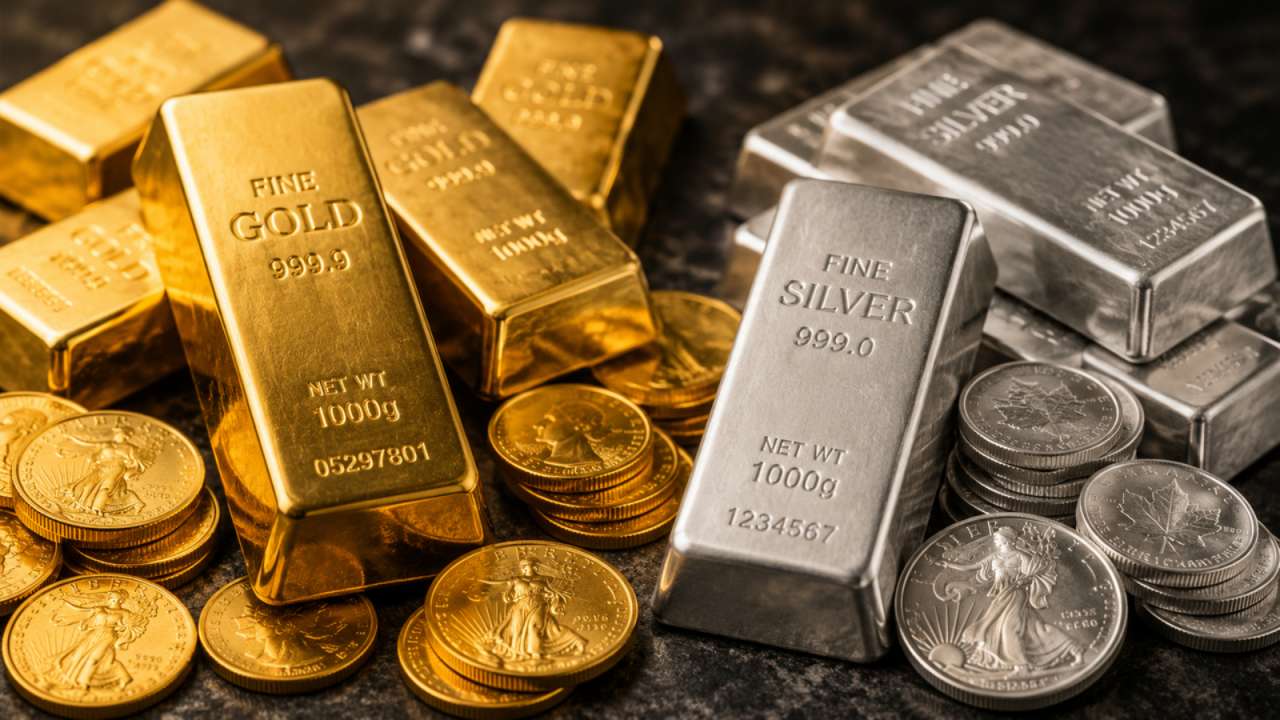
Current Valuations: A Detailed Look
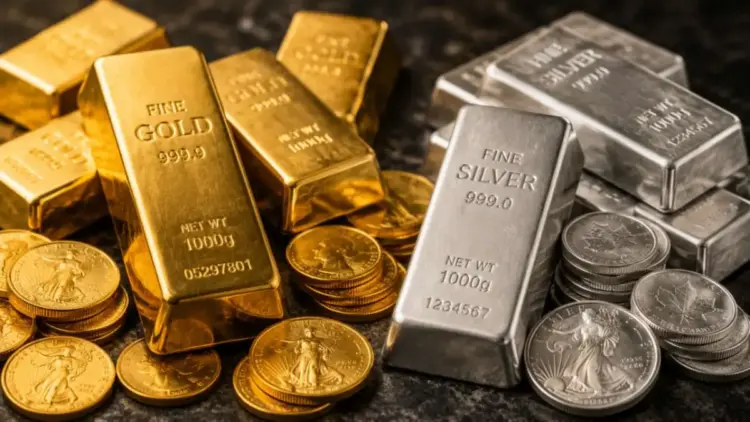
As of November 5, 2026, the benchmark price for 24-carat gold (999 pure gold) in India stands at Rs 13,888 per gram. This represents a slight but notable increase, echoing the global narrative of gold’s enhanced appeal during periods of economic apprehension. For consumers and jewellers primarily dealing in ornaments, the price of 22-carat gold (91.67% pure, the standard for most jewellery) is quoted at Rs 12,730 per gram. The difference between 24K and 22K gold prices reflects the purity and the alloying metals used, which enhance durability for crafting intricate designs.
City-Wise Snapshot: Nuances Across India
While national trends provide a general overview, local market dynamics, including transportation costs, local taxes, and specific dealer premiums, often lead to slight variations in prices across major Indian cities. According to data compiled from leading commodity market trackers, the rates for gold on November 5, 2026, are as follows:
-
Gold Prices in Delhi:
- 24K Gold: Rs 13,903 per gram
- 22K Gold: Rs 12,745 per gram
- Delhi’s slightly higher rates can often be attributed to higher local demand, particularly from affluent consumers and the capital’s status as a major trading hub.
-
Gold Prices in Mumbai:
- 24K Gold: Rs 13,888 per gram
- 22K Gold: Rs 12,730 per gram
- Mumbai, as India’s financial capital and a significant jewellery manufacturing centre, often mirrors the national average, reflecting efficient market mechanisms.
-
Gold Prices in Kolkata:
- 24K Gold: Rs 13,888 per gram
- 22K Gold: Rs 12,730 per gram
- Kolkata, with its rich cultural heritage and traditional affinity for gold, shows prices consistent with the national benchmark, indicating stable regional demand.
-
Gold Prices in Chennai:

- 24K Gold: Rs 13,888 per gram
- 22K Gold: Rs 12,730 per gram
- Chennai, a prominent market in South India where gold holds immense cultural and investment significance, also aligns with the prevailing national rates.
Decoding the Drivers: Why Gold is Gaining
The upward movement in gold prices today is not an isolated event but a culmination of several powerful economic forces, both global and domestic:
-
Global Economic Headwinds: Persistent concerns over the health of the global economy, including potential slowdowns in major economies like the US and Europe, continue to drive investors towards safe-haven assets. Gold, with its historical reputation as a reliable store of value during turbulent times, benefits significantly from this uncertainty. Reports from the International Monetary Fund (IMF) earlier in the year hinted at subdued global growth forecasts for 2027, fostering an environment of caution.
-
Inflationary Pressures: Both global and domestic inflation remain key catalysts. While central banks worldwide, including the Reserve Bank of India (RBI), have been grappling with elevated inflation for some time, the underlying pressures from supply chain disruptions, energy price volatility, and robust consumer spending in certain sectors persist. Gold is widely regarded as an effective hedge against inflation, as its intrinsic value tends to preserve purchasing power when fiat currencies lose value.

-
The Dollar’s Dance and Geopolitical Tensions: The US Dollar’s performance against a basket of major currencies, including the Indian Rupee, plays a crucial role. A weakening Dollar typically makes gold cheaper for international buyers holding other currencies, thereby boosting demand and price. Conversely, a stronger Dollar can exert downward pressure. On November 5, 2026, the Rupee-Dollar exchange rate exhibited moderate volatility, contributing to the domestic price adjustments. Furthermore, ongoing geopolitical tensions in various regions, from Eastern Europe to parts of the Middle East and Asia, continue to fuel safe-haven buying, as investors seek refuge from political and economic instability.
-
Domestic Demand: The Festive Push: India’s cultural reverence for gold is unparalleled. With November marking the tail end of the bustling festive and wedding season – though major festivals like Diwali and Dhanteras have passed, the wedding season continues well into December – local demand remains robust. This intrinsic cultural significance ensures a baseline level of demand that often mitigates extreme price downturns and provides a floor for prices, especially when combined with investment-driven purchases.
Silver’s Steady Gleam: Rates on November 5, 2026
While gold often captures headlines, silver, the "poor man’s gold," holds its unique appeal and economic significance. On November 5, 2026, silver prices in India exhibited a stable trend, reflecting its dual role as both an investment vehicle and a critical industrial commodity.

Current Valuations: A Closer Look
The price of pure silver (999 purity) in India is currently hovering around Rs 2,00,000 per kilogram. For those interested in smaller quantities, the rate for Silver 999 is Rs 2,000 per 10 grams. Sterling silver (925 purity), commonly used in jewellery and silverware, is priced at Rs 2,20,000 per kilogram. These prices underscore silver’s affordability compared to gold, making it an attractive option for a broader spectrum of investors and consumers.
City-Wise Consistency: A Pan-India Trend
Unlike gold, silver prices tend to show greater uniformity across major Indian cities, largely due to its industrial applications and less fragmented local market premiums.
-
Silver Price in Delhi Today:

- Silver 999: Rs 2,000 per 10 grams
-
Silver Price in Mumbai Today:
- Silver 999: Rs 2,000 per 10 grams
-
Silver Price in Kolkata Today:
- Silver 999: Rs 2,000 per 10 grams
-
Silver Price in Chennai Today:

- Silver 999: Rs 2,000 per 10 grams
Factors Shaping Silver’s Trajectory
Silver’s price dynamics are influenced by a blend of factors that overlap with gold, alongside distinct drivers rooted in its industrial utility:
-
Industrial Demand: The Unsung Hero: A significant portion of global silver demand comes from industrial applications. Its excellent electrical and thermal conductivity, reflectivity, and antibacterial properties make it indispensable in sectors such as solar panels (photovoltaics), electric vehicles (EVs), electronics, medical equipment, and photography. As global economies strive towards green energy transition and technological advancement, industrial demand for silver is projected to grow substantially, providing a strong underlying support for its prices. Reports from the Silver Institute earlier this year indicated a robust outlook for industrial silver consumption through 2027.
-
Investment Appeal and Global Dynamics: Similar to gold, silver acts as a safe-haven asset and an inflation hedge, though often with higher volatility. It appeals to investors seeking a more accessible entry point into precious metals. Global market trends, central bank policies, and the strength of the US Dollar also influence silver prices. When gold rallies, silver often follows, sometimes with greater momentum, a phenomenon known as the "silver leverage."

A Chronology of Precious Metal Movements
The current prices on November 5, 2026, are not snapshots in isolation but rather points on a dynamic timeline, shaped by events and trends throughout the year.
Gold’s Journey Through 2026
The year 2026 has been marked by a generally upward trend for gold, albeit with periods of consolidation and minor corrections. The first quarter saw gold prices surge amidst renewed fears of a global recession and increased central bank gold purchases, particularly from emerging economies looking to diversify their reserves away from the US Dollar. By mid-year, hawkish signals from the US Federal Reserve on interest rates momentarily dampened enthusiasm, leading to a slight pullback. However, persistent geopolitical flare-ups in Q3, coupled with stronger-than-expected inflation data from key economies, reignited safe-haven demand, pushing prices steadily higher. The approach of the Indian festive season in Q4 further solidified domestic demand, providing a crucial support base for the current valuations.
Silver’s Path: Outperforming or Following?
Silver’s journey through 2026 has been characterized by its dual identity. In the first half of the year, it largely mirrored gold’s upward trajectory, benefiting from the broader precious metals rally. However, silver demonstrated additional resilience in Q3, often outperforming gold on percentage gains, thanks to surprisingly strong industrial output figures from Asian manufacturing hubs and continued investment in renewable energy projects globally. This industrial tailwind helped buffer any potential downside from monetary tightening concerns, allowing silver to maintain its gains and arrive at its current stable position. Analysts at "Global Commodity Insights" noted in their October report that silver’s industrial demand component has been a significant differentiator in 2026, offering a more diversified growth driver compared to gold’s predominantly investment and ornamental appeal.

Expert Voices and Market Sentiment
To gain a deeper understanding of the precious metals market, it’s crucial to consider the perspectives of leading analysts and industry stakeholders.
Analysts Weigh In: Short-Term Volatility, Long-Term Resilience
"The current environment of elevated inflation, coupled with a cautious global growth outlook, provides a strong fundamental backdrop for gold," states Dr. Rohan Mehta, Chief Economist at Zenith Financial Group. "We anticipate continued demand for gold as a portfolio diversifier and inflation hedge, especially given the lingering uncertainties surrounding central bank policies and geopolitical stability. Investors should brace for short-term volatility, but the long-term resilience of gold remains intact."
Regarding silver, Ms. Priya Sharma, a Senior Commodity Analyst at Capital Market Strategists, comments, "Silver’s performance in 2026 has highlighted its unique position. While it benefits from the same safe-haven dynamics as gold, its industrial applications, particularly in green technologies, offer an additional layer of support. Any acceleration in global manufacturing or renewable energy infrastructure projects will undoubtedly provide a significant boost to silver prices. We see silver as having strong growth potential, albeit with higher beta to economic cycles than gold."

Jewellers’ Perspective: Adapting to Price Swings
For the Indian jewellery industry, price fluctuations pose both challenges and opportunities. "Higher gold prices, especially for 24K, can sometimes temper immediate consumer buying, particularly for large-ticket items," explains Mr. Anil Gupta, President of the All India Jewellers’ Association. "However, the cultural significance of gold means that demand never truly evaporates. Consumers might adjust their purchase quantities or opt for lighter designs, but they will buy. The slight increase today is manageable, and we anticipate continued steady demand, particularly as wedding bookings for late 2026 and early 2027 remain strong."
He adds, "Silver, being more affordable, often sees a surge in demand for gifts and smaller ornaments during periods when gold prices are perceived as high. The stability in silver prices is a positive for this segment of the market."
Implications for India’s Economy and Consumers
The trends in precious metal prices have far-reaching implications for various segments of the Indian economy and its vast consumer base.

The Consumer’s Dilemma: Investment vs. Adornment
For the average Indian consumer, gold and silver purchases are often a blend of investment and adornment. Rising prices mean that families planning weddings or festivals must allocate larger budgets or adjust their purchase sizes. While this can be a strain, the traditional belief in gold as "Stree Dhan" (woman’s wealth) and a secure asset ensures continued buying, especially in rural areas where it often acts as a primary form of savings. The current prices suggest that while gold remains a coveted asset, silver might become an increasingly attractive alternative for those looking for more budget-friendly options for gifting and ornamentation.
Impact on India’s Macroeconomic Indicators
From a macroeconomic perspective, India is one of the world’s largest importers of gold. Higher international gold prices, combined with a depreciating Rupee, can inflate the import bill, potentially widening the current account deficit (CAD). This puts pressure on the country’s foreign exchange reserves. The government and the Reserve Bank of India closely monitor these trends, sometimes implementing measures like import duty adjustments or restrictions to manage the inflow of precious metals and stabilize the Rupee. The current moderate increase is unlikely to cause immediate alarm but adds to the ongoing watchfulness.
Strategic Considerations for Investors
For investors, the current precious metal prices reiterate their role in portfolio diversification. Gold serves as a classic safe haven, protecting against inflation and market volatility in other asset classes like equities and real estate. Silver, with its industrial demand drivers, offers a unique blend of commodity growth potential and inflation hedge. Financial advisors often recommend a strategic allocation to precious metals, typically between 5-15% of a diversified portfolio, depending on individual risk appetite and investment goals. The performance of gold and silver in 2026 underscores the wisdom of such diversification.

Official Stance and Future Outlook
Governmental bodies and the central bank play a crucial role in managing the economic implications of precious metal price movements.
Reserve Bank of India’s Watchful Eye
The Reserve Bank of India (RBI) remains vigilant regarding commodity price trends, particularly gold, given its impact on inflation and the external sector. While the RBI typically refrains from direct intervention in daily price movements, its monetary policy decisions—such as interest rate adjustments and currency management strategies—indirectly influence the domestic prices of gold and silver. Governor Dr. Asha Sharma, in a recent press conference, reiterated the central bank’s commitment to price stability and sustainable economic growth, indicating that the RBI would continue to monitor global and domestic factors influencing inflation, including commodity prices.
Government’s Role in Market Stability
The Ministry of Finance and the Ministry of Commerce also play a role through policy interventions related to import duties, taxation, and efforts to promote transparency and standardization in the bullion market. While there have been no immediate policy changes announced today, the government consistently assesses the balance between supporting the domestic jewellery industry and managing the macroeconomic impact of precious metal imports. Initiatives to boost domestic gold refining and monetization schemes also aim to reduce reliance on imports over the long term.

Navigating the Future: Forecasts for Precious Metals
Looking ahead, analysts project continued strong demand for precious metals. Gold is expected to remain supported by ongoing global uncertainties, potential easing of monetary policies in major economies in late 2027, and persistent geopolitical risks. Silver’s outlook is particularly bright, with its industrial demand projected to accelerate further as global investments in green energy and advanced technologies continue to expand. The interplay of these factors suggests that gold and silver will likely maintain their prominent roles in investment portfolios and cultural traditions for the foreseeable future. However, investors and consumers are advised to stay informed about global economic shifts, currency fluctuations, and domestic policy changes, as these will be critical in shaping the future trajectory of these invaluable commodities.
Conclusion
As of November 5, 2026, the Indian precious metals market is a vibrant reflection of global economic realities and deep-rooted cultural values. Gold, with its slight price increase, reaffirms its status as a robust safe haven against inflation and uncertainty. Silver, maintaining its steady course, highlights its dual strength from both investment appeal and burgeoning industrial demand. While consumers navigate their purchasing decisions and investors adjust their portfolios, the enduring allure of gold and silver ensures their continued significance in India’s economic and social fabric, promising a dynamic and closely watched market for the months to come.