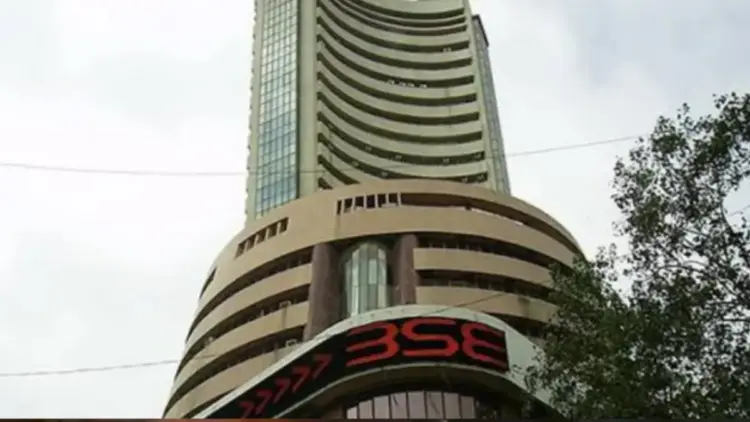
Mumbai, India – November X, 2026 – Indian benchmark indices witnessed a phenomenal rally on Thursday, with the Sensex surging an astounding 2,008 points to close above the 79,000-mark, while the Nifty 50 recorded a significant gain of 576 points, settling comfortably above 24,500. This remarkable performance, one of the most substantial single-day gains in recent memory, was primarily fueled by a potent combination of easing crude oil prices and a wave of positive global cues, particularly from the outcomes of the US midterm elections. The broad-based rally instilled a renewed sense of optimism among investors, signaling robust confidence in India’s economic resilience and future growth trajectory.
A Day of Historic Advances
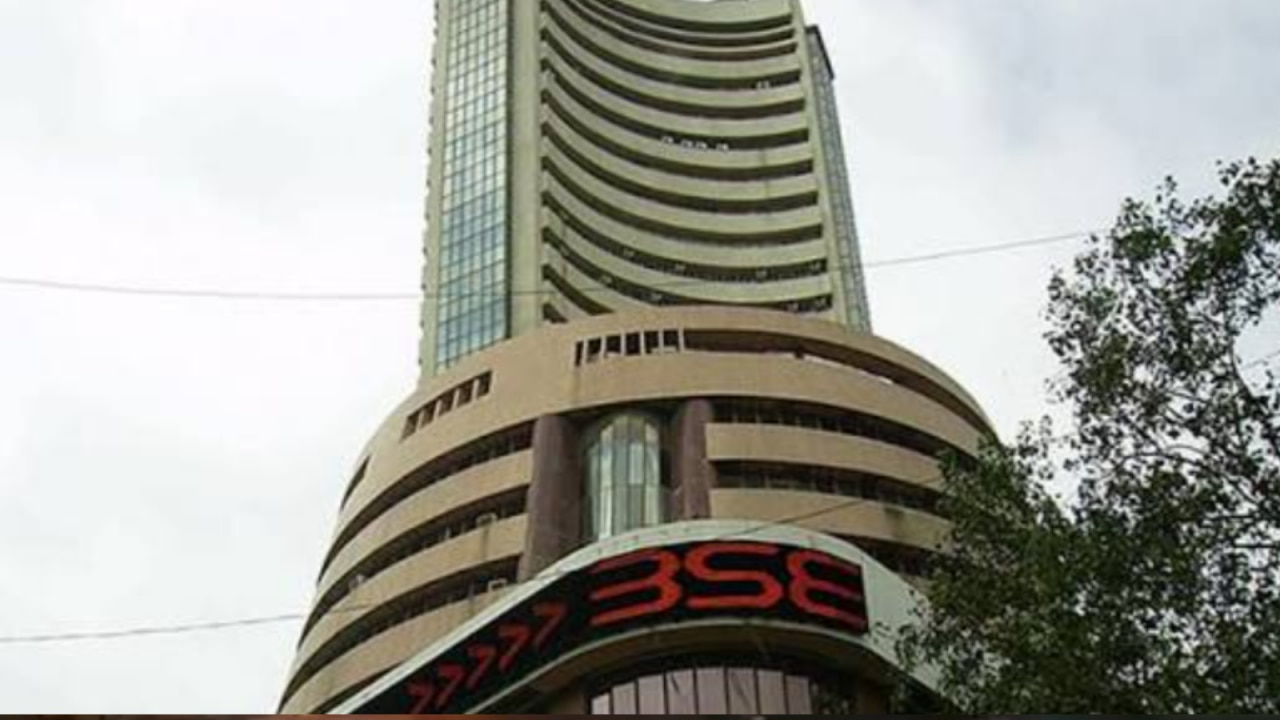
The Bombay Stock Exchange’s (BSE) Sensex concluded the trading session at an impressive 79,310.01, marking an increase of 2,008.61 points, or a substantial 2.60 per cent, from its previous closing figure of 77,301.40. Concurrently, the National Stock Exchange’s (NSE) Nifty 50 closed at 24,536.60, up by 576.00 points, or 2.40 per cent, against its prior close of 23,960.60. This powerful surge propelled both indices to new all-time highs, reflecting a strong bullish sentiment pervasive across the market. The sheer magnitude of the gains underscored a decisive shift in investor mood, driven by a confluence of domestic and international developments that collectively painted a brighter economic picture.
The day’s trading activity was characterized by relentless buying interest across diverse sectors, with investors shrugging off earlier apprehensions and embracing a risk-on approach. The robust performance of heavyweight stocks played a crucial role in driving the indices higher, signaling broad-based participation rather than a concentrated rally in a few select counters. This breadth of market participation lends significant credibility to the sustainability of the current momentum, suggesting a deeper underlying confidence in corporate earnings and macroeconomic stability.
Unfolding the Day’s Trajectory: A Chronology of Market Momentum
The trading day commenced with a palpable sense of excitement, as both the Sensex and Nifty opened significantly higher, immediately reflecting the positive overnight global developments. The initial hours of trading saw sustained upward momentum, with early buying quickly pushing the indices past critical psychological levels.
From Opening Bell to Closing Surge
The market opened with a gap-up, a clear indication of strong pre-market sentiment. As the day progressed, the initial gains were not merely sustained but amplified, demonstrating persistent buying interest. There were brief periods of consolidation, where profit-booking attempts were swiftly absorbed by fresh demand, preventing any significant pullbacks. Mid-day saw a renewed push, with banking and financial stocks leading the charge, further strengthening the market’s conviction.
By the afternoon, the rally had gained considerable steam, transforming into a broad-based surge that encompassed nearly all major sectors. The Sensex comfortably breached the 79,000-mark for the first time, while the Nifty soared past 24,500, igniting celebrations among market participants. The closing bell solidified these gains, leaving investors with a sense of exhilaration and anticipation for future sessions. This chronological progression from a strong open to an even stronger close underscored the depth and conviction behind Thursday’s remarkable market performance, marking it as a truly significant day for Indian equities.
Decoding the Drivers: Key Factors Propelling the Rally
The remarkable surge in Indian stock markets was not an isolated event but a culmination of several impactful factors, both global and domestic, that converged to create an exceptionally bullish environment.
The Global Tailwind: US Midterm Elections and Policy Expectations
A significant catalyst for the global rally, which subsequently influenced Indian markets, was the outcome of the US midterm elections. The news of Democrats’ gains in these elections was interpreted by global markets as a positive development, primarily due to the potential implications for policy stability and reduced political gridlock. While the precise impact on specific legislative agendas might still be debated, the general sentiment was that a more balanced political landscape could lead to less extreme policy swings and a more predictable economic environment.
Historically, periods of political stability or reduced uncertainty in major global economies like the US tend to foster a "risk-on" sentiment among international investors. This encourages capital allocation towards emerging markets, including India, which are often perceived as higher-growth avenues. Furthermore, expectations of specific policy stances, such as a continued focus on infrastructure spending or a more measured approach to international trade relations, could indirectly benefit global supply chains and economic activity, thereby boosting investor confidence worldwide. The perceived stability emanating from Washington provided a crucial global tailwind, setting a conducive stage for equity markets across the globe to rally.

Easing Energy Costs: A Boon for India’s Economy
Another pivotal factor was the sustained decline in crude oil prices. At the time of reporting, Brent crude was trading at approximately USD 96.02 per barrel, while crude oil (WTI) hovered around USD 88.56 per barrel. This moderation in global oil prices holds immense significance for India, a major net importer of crude oil.
Lower crude oil prices directly translate into several economic advantages for India:
- Reduced Import Bill: A substantial portion of India’s foreign exchange reserves is utilized for crude oil imports. A decrease in prices significantly lightens this burden, improving the nation’s current account deficit (CAD) position. A healthier CAD instills confidence in the rupee and overall macroeconomic stability.
- Inflationary Pressure Relief: Energy costs are a major component of both wholesale and retail inflation. Easing crude prices alleviate inflationary pressures, providing more headroom for the Reserve Bank of India (RBI) to manage monetary policy without resorting to aggressive rate hikes, which could otherwise dampen economic growth.
- Enhanced Corporate Profitability: Many Indian industries, particularly manufacturing, transportation, and chemicals, rely heavily on crude oil derivatives as raw materials or for operational energy. Lower input costs directly boost their profit margins, leading to improved corporate earnings and investor appeal.
- Increased Consumer Spending: Reduced fuel prices at the pump leave more disposable income in the hands of consumers, potentially stimulating consumption demand across various sectors and contributing to overall economic growth.
The combined effect of these benefits created a strong domestic positive sentiment, making Indian equities particularly attractive to both local and international investors.

Resurgent Capital Inflows and Domestic Confidence
The improved global and domestic economic outlook also triggered a positive shift in capital flows. While not explicitly detailed in the immediate report, market analysts observed "improving foreign investor flows," as highlighted by Vipin Dixena. Foreign Institutional Investors (FIIs), who had previously been net sellers or cautious participants, began to deploy fresh capital into Indian equities, drawn by the country’s robust growth prospects and attractive valuations compared to some developed markets.
Alongside FIIs, Domestic Institutional Investors (DIIs) and retail investors also demonstrated strong confidence, contributing significantly to the liquidity and depth of the market. This broad-based participation, reflecting both international and local conviction, created a powerful upward momentum, ensuring that the rally was well-supported and resilient against minor corrections. The improving macroeconomic environment, coupled with expectations of strong corporate earnings visibility, especially in large-cap sectors, further cemented this domestic confidence.
A Granular Look: Sectoral Performance and Top Movers
The rally on Thursday was characterized by its broad-based nature, indicating that investor confidence was not confined to a few specific sectors but was rather spread across the entire market spectrum.

Broad-Based Strength Across the Board
All broad market indices concluded the day in the green, with the Nifty 100 emerging as a top performer, surging an impressive 2.23 per cent. This indicated strong performance from a diverse group of large-cap companies. However, specific sectors stood out for their exceptional gains:
- Financial Services and Banking: The Nifty Financial Services and Nifty Bank indices were the undisputed leaders, both surging over 4 per cent and 3 per cent respectively. This robust performance was driven by several factors:
- Anticipation of Interest Rate Stability: Easing inflation concerns due to lower crude prices could reduce the likelihood of aggressive interest rate hikes by the RBI, which bodes well for banks’ lending margins and asset quality.
- Strong Balance Sheets: Indian banks, particularly public sector banks and leading private players, have significantly strengthened their balance sheets in recent years, with improved asset quality and robust capital adequacy.
- Credit Growth: A buoyant economy translates into higher credit demand, boosting banks’ core business.
- FII Inflows: Banking and financial stocks are often favored by foreign investors due to their high liquidity and representation of the broader economy.
- Auto and Capital Goods: These sectors also saw significant buying interest, likely benefiting from improved consumer sentiment, festive demand expectations, and government focus on infrastructure development.
- Information Technology (IT): While global tech outlook remains a factor, the overall positive sentiment and potential for FII inflows often benefit large-cap IT service providers.
The Titans Leading the Charge: Top Gainers
The list of top gainers on both the NSE and BSE highlighted the dominance of banking, financial services, auto, and infrastructure-related stocks.
On NSE, prominent gainers included:

- Bajaj Finance, Shriram Finance, Bajaj Finserv, ICICI Bank, Axis Bank, HDFC Bank, SBIN: These financial heavyweights spearheaded the rally, reflecting the strong sentiment in the banking and NBFC space.
- IndiGo, Maruti, TMPV, M&M, Eicher Motor, Bajaj-Auto: Auto and aviation stocks surged, benefiting from easing fuel costs and expectations of robust consumer demand.
- Asian Paint, Eternal, Grasim, LT, Tech Mahindra, Tata Steel, JSW Steel, Titan, Hindalco: A diverse mix of consumer durables, infrastructure, IT, and metal companies also posted significant gains, indicating broad-based participation. Infosys and TCS also joined the list, reflecting a positive tilt towards large-cap IT.
Likewise, on BSE, top gainers featured:
- Bajaj Finance, IndiGo, Maruti, M&M, ICICI Bank, Asian Paint, Bajaj Finserv, Axis Bank, Eternal, Infosys, HDFC Bank, Sun Pharma, LT, TCS, Tech Mahindra, Reliance, Kotak Bank, Titan, Tata Steel, Hindustan Unilever: This list largely mirrored the NSE, reaffirming the strong performance of financial, auto, and select consumer and industrial giants. Reliance Industries, a market heavyweight, also contributed positively to the BSE’s surge.
Isolated Pockets of Correction: Top Losers
While the market was predominantly bullish, some stocks experienced corrections, primarily due to profit booking after recent gains or specific sector-related concerns.
On NSE, top losers included:

- Apollo Hospital, ONGC, NTPC, BEL, Adani Airports, Cipla, Trent: This list was diverse, encompassing healthcare, energy, public sector undertakings (PSUs), infrastructure, and consumer retail. For energy companies like ONGC and NTPC, easing crude oil prices could sometimes trigger profit booking if their revenue streams are directly linked to higher oil prices or power generation costs.
- Adani Airports: Some Adani Group entities might face intermittent volatility due to various factors.
On BSE, top laggards were:
- NTPC, BEL, Adani Airports, ITC, Power Grid, Bharti Airtel: Similar to NSE, PSUs, select infrastructure, and telecom companies saw some selling pressure. ITC, a consumer staple, might have seen profit booking or a rotational shift of capital towards more growth-oriented sectors during the rally.
These minor corrections were largely overshadowed by the overwhelming buying pressure, indicating that the market’s underlying strength remained intact.
Expert Voices: Navigating the Market’s Nuances
The extraordinary market performance prompted significant commentary from leading analysts, who offered insights into the drivers, sustainability, and potential future trajectory of the rally.

Religare Broking’s Perspective: A Positive Bias with Caution
Ajit Mishra, SVP, Research, Religare Broking, provided a nuanced perspective on the market’s resurgence. He noted, "The broad-based strength in heavyweight stocks across sectors has helped the Nifty recover its losses over the past three months, putting the index on course to retest its August high of around 24,800. The renewed momentum in banking and financial stocks is an additional positive."
Mishra’s observations highlight several critical points:
- Broad-Based Recovery: The rally was not narrow but involved significant participation from large-cap stocks across various sectors, suggesting a more sustainable and healthy market trend. This broad participation indicates that the positive sentiment is widespread and not confined to a few speculative pockets.
- Nifty’s Resurgence: The Nifty’s recovery of losses from the preceding three months underscores the power of the current rally and its potential to push the index towards its previous highs. The 24,800 mark now becomes a key psychological and technical resistance level to watch.
- Banking and Financial Momentum: The particular strength in banking and financial stocks is a crucial indicator. This sector often acts as a barometer for economic health and credit growth. Its renewed momentum suggests confidence in the financial system’s stability and future performance, which is a positive sign for the broader economy.
Despite this bullish outlook, Mishra injected a note of prudence, advising, "We therefore maintain a positive market bias, while emphasising disciplined stock selection and prudent overnight risk management in anticipation of potential volatility ahead." This caution is well-founded, as sharp rallies often precede periods of profit booking or consolidation. Investors are advised to remain selective in their choices and manage risks effectively, especially given the dynamic global economic landscape.

Market Analyst’s Insights: A Multi-Factorial Rally
Market analyst Vipin Dixena offered further depth to the understanding of the rally, emphasizing its fundamental underpinnings. "Today’s rally is encouraging because it is being supported by multiple factors rather than just short covering," he stated. This distinction is vital; a rally driven purely by short covering (where traders buy back borrowed shares to cover their short positions) can be fleeting. A multi-factorial rally, however, suggests more fundamental strength.
Dixena elaborated on these multiple factors:
- Lower Crude Prices: As discussed, this is a significant boon for India’s economy and corporate earnings.
- Improving Foreign Investor Flows: The return of FIIs is a strong endorsement of India’s growth story and provides crucial liquidity.
- Expectations of Reduced Geopolitical Uncertainty: The global political landscape, particularly after the US midterms, was perceived as more stable, reducing overall risk aversion.
- Improving Macro Environment: India’s domestic macroeconomic indicators continue to show resilience, with steady growth and efforts to manage inflation effectively.
- FY27 Earnings Visibility: Dixena noted that "the first-half FY27 earnings performance suggests improving earnings visibility in several large-cap sectors." This forward-looking assessment of corporate earnings is a powerful driver for long-term investors, as sustained earnings growth underpins stock valuations.
These combined factors paint a picture of a robust, fundamentally driven rally, rather than a speculative surge.

Technical Landscape and Future Outlook
Beyond the fundamental drivers and expert commentary, the technical analysis of the market provides crucial insights into its immediate trajectory and potential challenges.
Key Levels and Chart Patterns
Vipin Dixena also provided a technical assessment, stating, "Nifty has moved decisively above the 24,200 mark, improving its short-term technical structure. The 24,200–24,100 zone is now an important support area, while 24,400–24,500 is the immediate resistance zone."
- Decisive Breakout: The Nifty’s clear breach of the 24,200 level is a significant bullish signal, indicating strong momentum and potentially paving the way for further gains.
- Support Levels: The 24,200-24,100 zone transitioning from resistance to a strong support level is a classic technical pattern, suggesting that any future dips might find buyers at these levels, reinforcing the upward trend.
- Resistance Levels: The 24,400-24,500 zone initially acted as immediate resistance, but the Nifty’s ability to settle above 24,500 indicates it has overcome this hurdle, potentially opening the door for a retest of its all-time highs.
- Further Recovery Potential: Dixena added, "A sustained move above 24,500 could extend the recovery further." This suggests that if the Nifty maintains its position above this critical level, it could attract more buying and continue its upward trajectory towards the August high of 24,800 and potentially beyond.
Potential Headwinds and Investment Strategy
Despite the overwhelmingly positive sentiment, analysts like Dixena and Mishra also cautioned investors about potential headwinds. "Given the sharp rally over the last few sessions, investors should also be prepared for intermittent profit booking," Dixena advised. This is a natural market phenomenon after significant upward moves, as some investors opt to lock in their gains.

Other potential risks that could trigger volatility or profit booking include:
- Global Geopolitical Events: Any resurgence of geopolitical tensions or unexpected global economic shocks could quickly dampen investor sentiment.
- Inflationary Pressures: While crude oil prices have eased, other inflationary pressures, or a sudden reversal in commodity prices, could force central banks globally to maintain a hawkish stance, impacting growth prospects.
- Central Bank Actions: Any unexpected hawkish pivots from major central banks (like the US Federal Reserve) regarding interest rates could lead to FII outflows from emerging markets.
- Domestic Factors: While India’s macro story is strong, any unforeseen domestic policy changes or economic data disappointments could also trigger corrections.
Therefore, a disciplined investment strategy is paramount. This includes focusing on fundamentally strong companies, maintaining a diversified portfolio, and implementing prudent risk management techniques. Long-term investors are encouraged to look beyond short-term fluctuations, while short-term traders need to remain agile and sensitive to market signals.
Broader Economic Implications and the Road Ahead
The powerful market rally on Thursday carries significant broader economic implications, extending beyond mere index movements.

Boosting Investor Confidence and Economic Sentiment
A soaring stock market is often seen as a barometer of economic health and investor confidence. This rally will undoubtedly boost overall market sentiment, encouraging both domestic and international investors to allocate more capital to Indian equities. Increased investor confidence can lead to a virtuous cycle: higher valuations can facilitate corporate fundraising, encouraging capital expenditure and job creation, which in turn fuels economic growth. The "wealth effect" from rising stock prices can also lead to increased consumer spending, further stimulating demand.
India’s Resilience in a Global Context
The rally underscores India’s growing appeal as a resilient and high-growth investment destination amidst global uncertainties. The country’s strong macroeconomic fundamentals, ongoing structural reforms, and a large domestic consumption base make it attractive. This performance reinforces the narrative of India as a decoupling economy, capable of charting its own growth path even when other major economies face headwinds.
Monitoring Key Indicators
Moving forward, market participants will closely monitor several key indicators:

- Corporate Earnings: The upcoming earnings season will be crucial to validate the current valuations and provide further guidance on sector-specific performance.
- Inflation Data: Any signs of resurgent inflation could alter the RBI’s monetary policy stance.
- Crude Oil Prices: Continued stability or further easing of crude prices will remain a significant positive for India.
- Global Economic Data: Performance of major economies, particularly the US, Europe, and China, will influence global risk appetite and FII flows.
- Geopolitical Developments: Any escalation of conflicts or new geopolitical flashpoints could introduce fresh uncertainties.
- Foreign Institutional Investor (FII) Flows: Sustained FII inflows will be critical for maintaining market momentum.
Conclusion
Thursday’s historic surge in Indian stock markets was a powerful demonstration of resurgent investor confidence, driven by a compelling mix of easing global energy prices, positive international political developments, and robust domestic macroeconomic indicators. The broad-based nature of the rally, particularly the strong performance of heavyweight banking and financial stocks, suggests a fundamentally sound upward movement. While expert commentary points to a positive market bias and potential for further gains, it also prudently advises disciplined stock selection and risk management, acknowledging the inherent volatility that often follows sharp rallies. As India continues to navigate the global economic landscape, the market’s trajectory will hinge on sustained corporate earnings growth, favorable macroeconomic conditions, and the ongoing flow of capital, positioning the nation as a beacon of growth in the investment world.