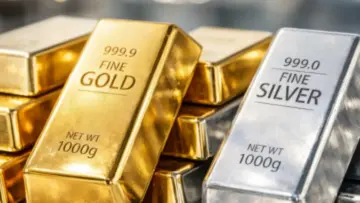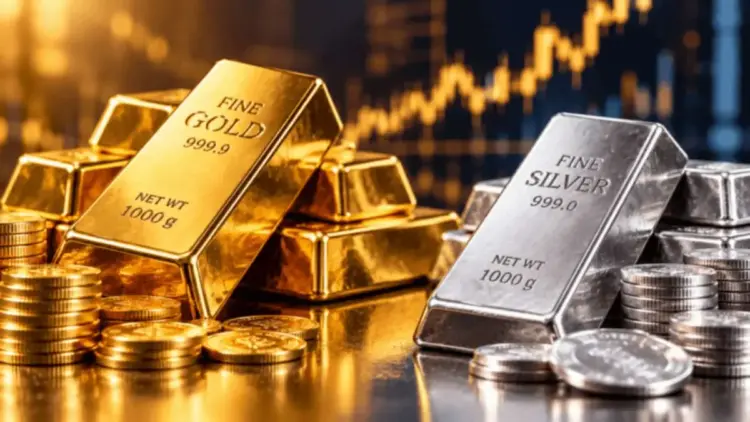
New Delhi, India – As November 4, 2026, unfolds, the Indian precious metals market finds itself at a fascinating confluence of global economic forces and deeply entrenched domestic demand. The prices of gold and silver across the nation continue their intricate dance, influenced by a complex interplay of international market trends, fluctuating currency rates, and the perennial allure these metals hold within Indian culture. Today’s figures reflect a nuanced scenario, where slight upward movements in gold prices signal persistent inflationary pressures and a flight to safety, while silver maintains its position as a vital industrial and investment commodity.
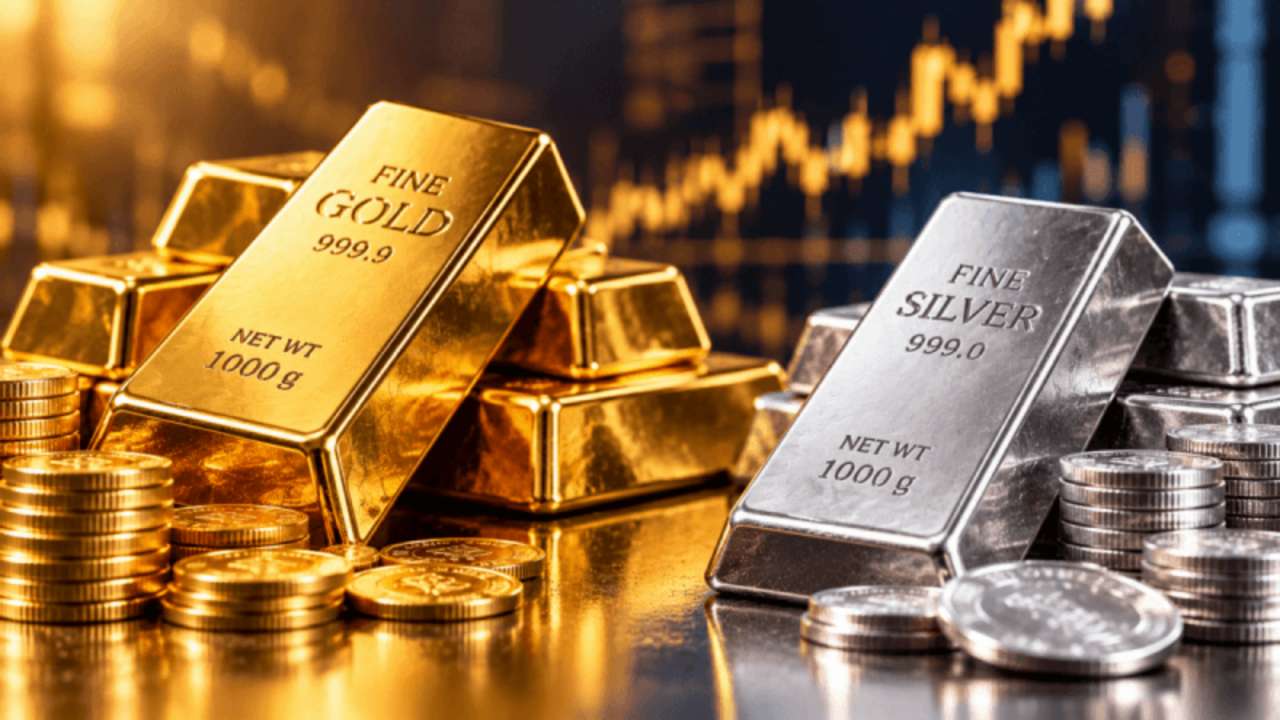
This detailed analysis delves into the current valuations of gold and silver, dissects the multifaceted factors shaping these prices, and explores the broader implications for investors, consumers, and the Indian economy.
Main Facts: Current Snapshot of Gold and Silver Prices
As of November 4, 2026, the Indian bullion market presents the following key figures:
- Gold Prices:
- 24-Karat Gold (999 Purity): The national average for 24K gold stands at approximately Rs 13,888 per gram. Delhi records a slightly higher rate at Rs 13,903 per gram.
- 22-Karat Gold (91.67% Purity): Commonly used for jewellery, 22K gold is priced around Rs 12,730 per gram nationally, with Delhi seeing rates of Rs 12,745 per gram.
- This slight uptick in gold prices is primarily attributed to sustained global demand, fueled by lingering inflationary concerns and geopolitical uncertainties that often prompt investors to seek refuge in traditional safe-haven assets.
- Silver Prices:
- Silver (999 Purity): The benchmark rate for pure silver (999) is approximately Rs 2,00,000 per kilogram. On a smaller scale, this translates to Rs 2,000 per 10 grams across major cities like Delhi, Mumbai, Kolkata, and Chennai.
- Silver 925 (Sterling Silver): Used predominantly in jewellery and specific industrial applications, Silver 925 is quoted at around Rs 2,20,000 per kilogram.
- Silver’s valuation, while less expensive than gold, is significantly influenced by its dual role as both an investment vehicle and a critical industrial metal, with global manufacturing trends playing a substantial role in its daily fluctuations.
The dynamic nature of these prices underscores the importance of real-time monitoring for both prospective buyers and seasoned investors.
Chronology: Tracing the Recent Trajectory of Precious Metals
While today’s prices offer a snapshot, understanding their context requires a look at recent trends. The precious metals market in India has been on a generally upward trajectory over the past few months, reflecting a global sentiment of cautious optimism mixed with underlying economic anxieties.

Gold’s Resilient Climb:
The period leading up to November 2026 has witnessed gold steadily consolidating its position. Following a volatile mid-2026, influenced by aggressive interest rate hikes from global central banks, gold has regained momentum. Investors, having initially pulled back as bond yields became more attractive, are now returning to gold as central banks signal a potential plateau in rate hikes and as the long-term impact of previous inflationary cycles becomes clearer. Geopolitical tensions in various parts of the world, though not directly leading to overt conflicts, have maintained a steady undercurrent of uncertainty, consistently nudging gold prices upwards as a hedge against instability. Domestically, the onset of the festive season, beginning with Diwali and extending into the peak wedding season, has historically provided a strong floor for gold demand, a trend that appears to be holding true in late 2026. This cyclical demand, combined with a weakening Indian Rupee against the US Dollar in recent weeks, has pushed local gold prices higher, as a stronger dollar makes imported gold more expensive in Rupee terms.
Silver’s Industrial and Investment Pull:
Silver’s journey has been somewhat more erratic than gold’s, largely due to its significant industrial applications. Earlier in 2026, a slowdown in global manufacturing and supply chain disruptions temporarily dampened silver’s prospects. However, renewed optimism in the technology sector, particularly in the burgeoning renewable energy industry (solar panels being a significant consumer of silver), has injected fresh demand. The latter half of the year has seen a resurgence in industrial activity, providing a robust support for silver prices. Simultaneously, silver often rides on gold’s coattails as a "poor man’s gold," attracting investors seeking a more affordable entry point into precious metals, especially when gold prices appear prohibitive. This dual demand, both from industrial users and financial investors, has contributed to its current robust valuation.

Supporting Data: Deconstructing the Influencing Factors
The valuation of gold and silver in India is a complex equation, with numerous variables constantly in flux. Understanding these factors is crucial for anticipating market movements.
1. Global Market Trends:

- US Dollar Index (DXY): The strength of the US Dollar remains a paramount factor. Since gold is globally priced in dollars, a stronger dollar typically makes gold more expensive for holders of other currencies, potentially dampening demand. Conversely, a weaker dollar can boost gold prices. The recent appreciation of the USD against major currencies, including the Indian Rupee, has made gold imports pricier for India.
- Interest Rates and Monetary Policy: Decisions by central banks, especially the US Federal Reserve (Fed) and the Reserve Bank of India (RBI), profoundly impact precious metal prices. Higher interest rates increase the opportunity cost of holding non-yielding assets like gold and silver. While the Fed has signaled a potential pause in its aggressive tightening cycle, the anticipation of future rate cuts (or lack thereof) continues to introduce volatility. The RBI’s monetary policy, aiming to curb domestic inflation, also plays a crucial role.
- Inflationary Pressures: Persistent global inflation, whether driven by supply chain issues, energy costs, or robust demand, typically boosts gold’s appeal as a hedge against the erosion of purchasing power. The current environment, marked by stubborn inflation in key economies, reinforces gold’s safe-haven status.
- Geopolitical Landscape: Events such as regional conflicts, trade disputes, or political instability in major economies often trigger a flight to safety, with investors flocking to gold. The current global geopolitical climate, characterized by various simmering tensions, contributes to this demand.
- Global Economic Growth Outlook: A robust global economy generally supports industrial demand for silver, while a slowdown might temper it. For gold, a pessimistic economic outlook often increases its appeal as a crisis hedge.
2. Local Demand Dynamics:
- Cultural Significance and Festive Season: Gold and silver hold immense cultural and traditional value in India, particularly during festivals like Diwali, Akshaya Tritiya, and the extensive wedding season. These periods witness a surge in demand for jewellery, coins, and bars, providing a consistent domestic demand driver.
- Rural Demand: A significant portion of India’s gold and silver demand originates from rural areas, where these metals are not only symbols of wealth and status but also serve as tangible assets and a form of savings, especially given limited access to formal financial instruments. Monsoon performance and agricultural output directly influence rural purchasing power.
- Indian Rupee (INR) Exchange Rate: As a net importer of precious metals, India’s domestic prices are highly sensitive to the INR-USD exchange rate. A depreciating Rupee makes imported gold and silver more expensive, even if international prices remain stable.
- Government Policies and Import Duties: The Indian government’s policies, including import duties on gold and silver, Goods and Services Tax (GST), and schemes like Sovereign Gold Bonds (SGBs), significantly influence domestic market dynamics. Higher duties increase local prices, while SGBs offer an alternative investment avenue, potentially diverting some physical demand.
- Investment vs. Consumption: While a large portion of Indian demand is for consumption (jewellery), there’s a growing segment of investors who view gold and silver as part of a diversified portfolio, particularly through instruments like ETFs, digital gold, and physical bullion.
3. Specificity for Gold:

- Central Bank Gold Reserves: Central banks globally have been net buyers of gold in recent years, diversifying their reserves and contributing to sustained demand.
- Mining Output and Supply: Global gold mining production and recycled gold supply also play a role, though typically less volatile than demand-side factors.
4. Specificity for Silver:
- Industrial Demand: Approximately 50% of global silver demand comes from industrial applications, including electronics (conductors, batteries), solar panels (photovoltaics), automotive industry, medical devices, and photography. Growth in these sectors directly boosts silver prices.
- Investment Demand: Silver often mirrors gold as an investment hedge but is generally more volatile due to its smaller market size and higher sensitivity to industrial cycles.
- Supply Dynamics: Silver mining output, often a byproduct of lead, zinc, copper, and gold mining, and scrap recovery rates, influence its supply side.
Official Responses and Expert Perspectives
While no direct "official responses" from government bodies or central banks on daily price movements are typically issued, financial experts and commodity market analysts provide crucial interpretations and forecasts.

"The current stability in gold prices, despite global headwinds, underscores its enduring appeal as a safe haven," comments Mr. Anand Sharma, Head of Commodity Research at BullionX Analytics. "We’re seeing a tug-of-war between the prospect of peak interest rates, which supports gold, and the continued strength of the US dollar. For Indian consumers, the festive demand provides a strong domestic floor, but the Rupee’s depreciation against the dollar means local prices remain elevated. We anticipate gold to trade within a range, with strong support levels, heading into the year-end."
Regarding silver, Ms. Priya Singh, a Senior Analyst at WealthSecure Capital, notes, "Silver’s dual nature makes it fascinating. On one hand, it benefits from the safe-haven sentiment that drives gold, but on the other, its significant industrial usage ties it closely to global economic health. The renewed focus on green technologies, particularly solar energy, is a long-term tailwind for silver. While it might exhibit higher volatility than gold, its industrial demand provides a fundamental support that is currently quite robust."

Economists, while not directly commenting on daily bullion prices, often highlight the broader implications. Dr. Rohan Mehta, a Professor of Economics at the Indian Institute of Management, Ahmedabad, recently stated, "The sustained high prices of imported commodities like gold and crude oil contribute significantly to India’s import bill and can exert pressure on the current account deficit. While domestic demand for gold is culturally significant, its financial implications for the national economy, particularly the Rupee’s stability, are closely monitored by policymakers. The government’s efforts to promote financialization of savings and alternatives like Sovereign Gold Bonds are strategic moves to manage this."
These expert opinions suggest a market that is fundamentally strong due to underlying demand and global uncertainties but also subject to tactical shifts based on macroeconomic data and geopolitical developments.

Implications: What Do Current Prices Mean for Stakeholders?
The current price trends in gold and silver carry significant implications for various segments of the Indian populace and economy.
1. For Consumers and Households:

- Purchasing Decisions: High prices, especially for gold, mean that consumers planning for weddings or festive purchases might either defer their buying, opt for lighter jewellery, or consider buying certified recycled gold. The allure of gold remains strong, but affordability becomes a key concern.
- Savings and Investment: For many Indian households, gold and silver are traditional forms of savings. The current appreciation provides a boost to the wealth of those holding physical assets, but it also means new investments require a higher outlay.
- Financial Planning: Families need to factor in these elevated prices when budgeting for significant life events, potentially leading to increased allocation towards precious metals or exploring alternative investment avenues.
2. For Investors:
- Portfolio Diversification: Gold and silver continue to serve as crucial tools for portfolio diversification, acting as hedges against inflation and market volatility. The current environment reinforces their role as safe-haven assets.
- Long-Term vs. Short-Term: Long-term investors may view current prices as part of a secular bull market for precious metals, driven by structural economic changes and geopolitical risks. Short-term traders, however, must navigate increased volatility driven by daily economic data and currency fluctuations.
- Investment Vehicles: Beyond physical gold and silver, investors are increasingly exploring options like Gold ETFs (Exchange Traded Funds), Sovereign Gold Bonds (SGBs), and digital gold platforms, which offer convenience, liquidity, and often cost efficiencies compared to physical purchases. SGBs, in particular, offer an additional interest component and tax benefits, making them attractive.
- Risk Assessment: While precious metals offer protection, they are not immune to price corrections. Investors must assess their risk tolerance and investment horizon before making significant commitments.
3. For Jewellers and the Jewellery Industry:

- Inventory Management: High and fluctuating prices pose challenges for jewellers in managing inventory and hedging their price risks. They need sophisticated strategies to procure gold and silver, often relying on futures markets.
- Consumer Demand Shift: There might be a shift towards lighter jewellery designs, higher demand for recycled gold, or increased interest in diamond or gemstone-studded pieces as alternatives to heavy gold ornaments.
- Operational Costs: Higher input costs directly impact their margins, necessitating careful pricing strategies and potentially passing some of the cost to consumers.
- Innovation: The industry is continually innovating, offering schemes, customization options, and transparency to maintain customer loyalty amidst price volatility.
4. For the Indian Economy:
- Import Bill and Current Account Deficit: India is one of the world’s largest importers of gold and silver. Elevated international prices combined with a depreciating Rupee can significantly inflate the import bill, putting pressure on the current account deficit.
- Inflationary Impact: While precious metal prices themselves are a reflection of inflation, their higher cost can indirectly contribute to overall inflationary pressures within the economy, impacting consumer purchasing power.
- Monetary Policy Implications: The RBI closely monitors commodity prices, as they influence inflation expectations and can impact monetary policy decisions, such as interest rate adjustments.
Future Outlook: Navigating Uncertainty and Opportunity
The immediate future of gold and silver prices in India will likely remain tethered to a few critical global and domestic threads.

Global Factors to Watch:
- US Federal Reserve’s Stance: Any clear indication of future interest rate cuts or a sustained pause will be pivotal for gold. A dovish shift could significantly boost gold prices.
- Inflation Trajectory: Whether global inflation cools down significantly or persists will dictate gold’s safe-haven appeal.
- Geopolitical Stability: Any escalation or de-escalation of global conflicts and tensions will directly influence investor sentiment towards safe assets.
- US Dollar Performance: The relative strength or weakness of the US Dollar against other major currencies will continue to be a primary driver.
Domestic Factors to Consider:

- Monsoon Performance (2027): The next monsoon season’s performance will be crucial for rural incomes and, consequently, rural gold demand.
- Government Policies: Any changes in import duties, GST rates, or new schemes related to gold will have immediate effects.
- Economic Growth: India’s overall economic growth trajectory and consumer sentiment will influence discretionary spending on precious metals.
- Rupee Stability: The stability of the Indian Rupee against the US Dollar will be key in determining the landed cost of imported gold and silver.
In the long term, both gold and silver are expected to retain their intrinsic value and investment appeal. Gold will likely continue to serve as a strategic asset for wealth preservation and a hedge against systemic risks. Silver, with its increasing role in green technologies and electronics, stands to benefit from ongoing industrial innovation and global efforts towards sustainability. However, investors and consumers alike must remain vigilant, adapting their strategies to the ever-evolving economic and geopolitical landscape.
Conclusion
As of November 4, 2026, the Indian precious metals market is a vibrant reflection of global economic crosscurrents and deeply ingrained domestic traditions. Gold, with its incremental price rise, underscores its role as a stable store of value amidst inflationary pressures and geopolitical uncertainties. Silver, while more volatile, benefits from both investment appeal and a robust industrial demand, particularly from emerging technologies. For Indian consumers, investors, and the economy, these price movements are not mere statistics but indicators of broader financial health and future directions. Navigating this dynamic market requires a keen understanding of the intricate web of global economics, domestic cultural practices, and policy decisions that collectively sculpt the glittering future of gold and silver in India.