NEW DELHI, India – October 26, 2026 – India’s vibrant precious metals market continues to navigate a complex interplay of global economic currents, domestic demand patterns, and fluctuating currency exchange rates. As of October 26, 2026, gold and silver prices across major Indian cities reflect these multifaceted influences, with gold experiencing a marginal uptick driven by persistent inflationary pressures and a resilient global appetite for safe-haven assets.
The nation, a significant consumer and importer of gold and silver, keenly observes daily price movements, which impact everything from household savings and wedding budgets to industrial supply chains and investment portfolios. Today’s rates provide a snapshot of a market in constant flux, shaped by international commodity exchanges, the strength of the Indian Rupee against the US Dollar, and the cyclical rhythm of India’s festive and wedding seasons.
The Day’s Snapshot: Key Prices and Influencers
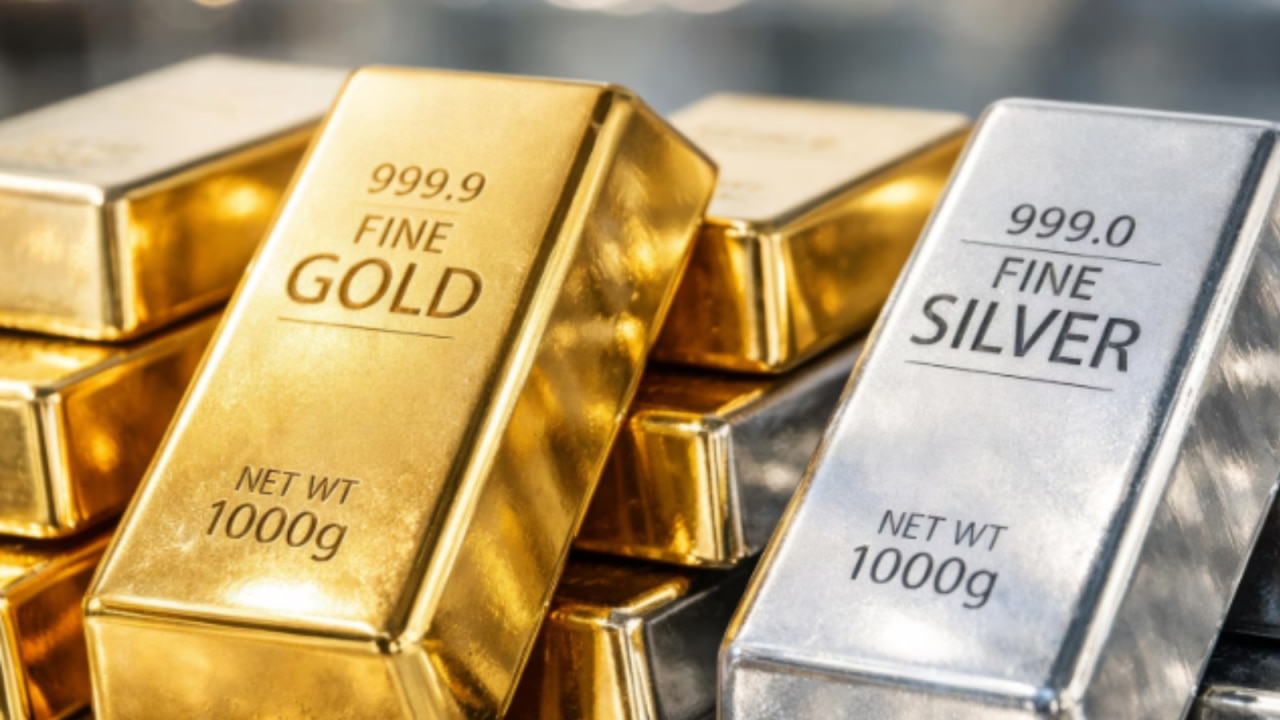
On this Monday, October 26, 2026, the average price of 24-karat gold (999 pure) across India stands at ₹14,257 per gram, while 22-karat gold, the preferred choice for jewellery, is priced at ₹13,069 per gram. Silver, a crucial industrial metal and a popular investment, is quoted at approximately ₹2,19,900 per kilogram for 999 purity, with sterling silver (925 purity) close behind at ₹2,20,000 per kilogram.
These figures are a direct consequence of several overarching factors:
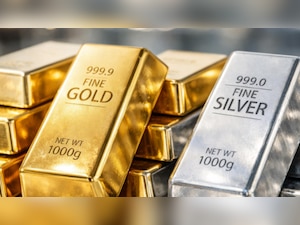
- Global Market Trends: International gold benchmarks on exchanges like COMEX, influenced by geopolitical stability, central bank policies, and global economic growth forecasts.
- Local Demand: Seasonal spikes, particularly leading up to major festivals like Diwali and the ongoing wedding season, significantly boost consumption.
- Currency Exchange Rates: The US Dollar-Indian Rupee (USD-INR) exchange rate plays a pivotal role, as India imports a substantial portion of its precious metal requirements.
- Inflationary Pressures: Gold’s traditional role as a hedge against inflation continues to attract investor interest, contributing to its price stability or appreciation.
Gold Takes Centre Stage: A Detailed Look
Gold, revered in India not just as an asset but as a cultural cornerstone, saw a slight increase today. This upward movement is largely attributed to global demand dynamics and the persistent spectre of inflation, which continues to drive investors towards tangible assets.
National Gold Prices: A Slight Uptick
The national average for 24-karat gold (99.9% pure) settled at ₹14,257 per gram. This purity is typically sought by investors in the form of coins and bars, valuing its unadulterated nature. For those eyeing jewellery, the 22-karat variant (91.67% pure), which offers durability without significantly compromising purity, was priced at ₹13,069 per gram. The differential reflects the alloying metals used to enhance strength, making 22K gold ideal for intricate designs.

City-Wise Gold Rates: Nuances Across India
While the national averages provide a benchmark, local taxes, transportation costs, and specific market dynamics lead to minor variations in pricing across different cities.
- Gold prices in Delhi: The capital city reported 24K gold at ₹14,272 per gram and 22K gold at ₹13,084 per gram. Delhi’s status as a major trading hub and its diverse consumer base often see it respond dynamically to both international and domestic cues.
- Gold prices in Mumbai: India’s financial capital, Mumbai, mirrored the national average, with 24K gold at ₹14,257 per gram and 22K gold at ₹13,069 per gram. Mumbai’s proximity to major import points and its role as a key distribution centre contribute to its competitive pricing.
- Gold prices in Kolkata: The eastern metropolis also aligned with the national average, quoting 24K gold at ₹14,257 per gram and 22K gold at ₹13,069 per gram. Kolkata’s traditional gold market remains robust, driven by strong regional demand.
- Gold prices in Chennai: Down south, Chennai, a significant jewellery manufacturing and consumption hub, reported 24K gold at ₹14,257 per gram and 22K gold at ₹13,069 per gram. The city’s deep-rooted cultural affinity for gold ensures consistent demand.
The minor differences observed, such as Delhi’s slightly higher rates, often stem from local taxes, premium charges by local jewellers, or specific supply-demand imbalances in that region.

Understanding Gold Purity: 24K vs. 22K
The distinction between 24K and 22K gold is fundamental for consumers. 24-karat gold is considered 99.9% pure, meaning it contains virtually no other metals. Its extreme malleability makes it unsuitable for crafting durable jewellery, hence its primary use in investment products like gold bars and coins. 22-karat gold, on the other hand, contains 22 parts gold and 2 parts other metals (such as copper, silver, or zinc), making it 91.67% pure. This alloying process enhances its strength and durability, making it the preferred choice for intricate jewellery designs that can withstand daily wear. Consumers buying jewellery are usually advised to opt for 22K gold, while those investing purely for asset value might prefer 24K.
Silver’s Shine: A Comprehensive Overview
While gold often captures the headlines, silver holds significant economic and cultural importance in India. It serves as both an accessible investment avenue and a popular choice for traditional ornaments, particularly in rural areas and specific cultural contexts where silver jewellery is more prevalent than gold.

National Silver Prices: Steady Demand
Today, the price of 999 pure silver, often referred to as fine silver, registered at approximately ₹2,19,900 per kilogram. This industrial-grade silver, used in electronics, solar panels, and medical applications, also forms the basis for investment-grade bars and coins. Sterling silver (925 purity), containing 92.5% pure silver and 7.5% other metals, primarily copper, was priced at ₹2,20,000 per kilogram. The slightly higher price for 925 silver in some instances can be attributed to processing costs and specific market premiums for jewellery-grade silver.
City-Wise Silver Rates: Uniformity Across Metros
Unlike gold, silver prices often exhibit less city-to-city variance due to its broader industrial application and more centralized distribution channels.

- Silver price in Delhi today: Silver 999 was priced at ₹2,199 per 10 grams (or ₹2,19,900 per kilogram).
- Silver price in Mumbai today: Mumbai also quoted Silver 999 at ₹2,199 per 10 grams.
- Silver price in Kolkata today: Similarly, Kolkata reported Silver 999 at ₹2,199 per 10 grams.
- Silver price in Chennai today: Chennai matched the other metros, with Silver 999 at ₹2,199 per 10 grams.
This uniformity underscores the efficiency of silver’s supply chain and its susceptibility to broad national and international market forces rather than localized demand fluctuations.
Silver Varieties: Investment and Utility
Silver 999, or fine silver, is the benchmark for investment and industrial use due to its high purity. It is primarily traded in bars and coins for investors. Silver 925, or sterling silver, is widely used for jewellery, silverware, and decorative items. The addition of copper makes it harder and more durable, preventing tarnishing to some extent, and allowing for intricate craftsmanship. Its affordability compared to gold also makes it a popular choice for gifts and cultural ceremonies across India.

Unpacking the Influencers: A Multifaceted Market
The daily dance of precious metal prices in India is orchestrated by a complex symphony of factors, each playing a crucial role in determining market sentiment and physical rates.
Global Market Trends: The International Gold Standard
International gold prices, typically benchmarked against the COMEX futures market in New York and the London Bullion Market Association (LBMA) fix, are the primary driver. Factors influencing these global benchmarks include:

- Geopolitical Tensions: Conflicts, political instability, or major international crises often trigger a flight to safety, boosting gold’s appeal as a haven asset.
- Central Bank Policies: Interest rate decisions by major central banks, particularly the U.S. Federal Reserve, directly impact the opportunity cost of holding non-yielding gold. A hawkish stance (raising rates) generally makes gold less attractive, while a dovish stance (lowering rates) supports its prices.
- Global Economic Outlook: Recessions, slowdowns, or periods of high uncertainty tend to increase demand for gold. Conversely, strong economic growth and robust equity markets can divert investment away from precious metals.
- US Dollar Strength: Gold is priced in US Dollars globally. A stronger dollar makes gold more expensive for holders of other currencies, potentially dampening demand, and vice-versa.
Local Demand Dynamics: Festive Cheer and Investment Drive
India’s domestic demand is a critical component. The cultural significance of gold, especially, ensures a steady baseline demand throughout the year, which escalates during specific periods:
- Festive Season: The period leading up to and including major festivals like Diwali, Akshaya Tritiya, and Dussehra witnesses a significant surge in jewellery purchases, considered auspicious for new beginnings and prosperity.
- Wedding Season: India’s elaborate wedding ceremonies involve substantial gold and silver gifting, making the wedding season a peak demand period for jewellers.
- Rural Demand: A good monsoon season and agricultural prosperity often translate into increased rural purchasing power for gold, which is viewed as both an investment and a store of wealth in rural households.
- Investment vs. Consumption: While a large portion of gold purchases are for consumption (jewellery), there is a growing segment of investors who buy gold and silver in physical form (coins, bars) or through financial instruments like Gold ETFs and sovereign gold bonds.
The Currency Conundrum: Rupee-Dollar Exchange Rate
Given that India imports most of its gold and silver, the exchange rate between the Indian Rupee (INR) and the US Dollar (USD) is paramount. When the Rupee weakens against the Dollar, imported gold becomes more expensive in Rupee terms, pushing up local prices. Conversely, a stronger Rupee makes imports cheaper. As of late October 2026, the Rupee’s stability or slight depreciation against a relatively strong Dollar could be contributing to the local price trends.

Inflationary Pressures and Interest Rates: Economic Headwinds
Gold has long been considered a reliable hedge against inflation. When the purchasing power of fiat currencies erodes due to rising prices, gold tends to maintain or increase its value. The current global economic landscape, characterized by lingering inflationary concerns post-pandemic, continues to fuel investor interest in gold. Central bank interest rate policies are closely watched; higher interest rates generally make debt instruments more attractive, potentially reducing the appeal of non-yielding assets like gold. However, if inflation outpaces interest rate hikes, gold’s appeal can strengthen.
Chronology of Price Movements: A Recent History
The current prices on October 26, 2026, are not isolated figures but the culmination of recent market trends. The past few weeks have seen a nuanced trajectory for precious metals. After a period of relative stability in late August and early September, gold prices experienced a mild dip in the third week of September, primarily influenced by stronger-than-expected US economic data, which fuelled expectations of further interest rate hikes by the Federal Reserve. This strengthened the US Dollar, making gold less attractive.

However, the tide began to turn in early October. Renewed geopolitical tensions in the Middle East, coupled with growing concerns over global energy prices and their potential impact on inflation, sparked a resurgence in safe-haven demand. This was further bolstered by some dovish remarks from a few European central bankers, hinting at a potential plateau in global rate hikes. Gold began a steady climb, recovering its September losses and establishing a new resistance level. Silver, often trailing gold, also saw a gradual appreciation, buoyed by both its investment appeal and consistent industrial demand, particularly from the burgeoning renewable energy sector. The current October 26th rates reflect this sustained upward momentum over the preceding weeks, albeit with daily micro-fluctuations.
Expert Insights and Official Perspectives
To gain a deeper understanding of the market’s pulse, insights from industry leaders and a glance at regulatory stances are crucial.

Voices from the Industry: Analysts and Jewellers Weigh In
"The slight increase in gold prices today is a testament to its enduring appeal as an inflation hedge amidst a volatile global economic landscape," stated Mr. Alok Singh, a Senior Precious Metals Analyst at Quantum Wealth Management. "We are seeing sustained interest from institutional investors globally, which trickles down to our domestic market. The upcoming festive season in India will provide strong underlying support, ensuring that even if international prices see minor corrections, local demand will act as a significant cushion."
Mr. Rajesh Mehta, President of the All India Jewellers’ Association, commented on consumer sentiment: "Despite the higher price points, consumer confidence remains robust, especially with the wedding season in full swing. Gold is not just an investment for Indian families; it’s an emotion, a tradition. We anticipate healthy sales through November, though some consumers might adjust their purchase quantities slightly, opting for lighter pieces or diversifying into silver."

Regulatory Gaze: RBI and Government’s Stance
While the Reserve Bank of India (RBI) does not directly comment on daily precious metal prices, its monetary policy decisions significantly influence the market. The RBI’s management of the Rupee-Dollar exchange rate, its stance on interest rates, and its own gold reserve acquisitions all have an indirect but profound impact. A stable Rupee, for instance, helps contain the cost of gold imports, which are a major component of India’s current account deficit. The government, through the Ministry of Finance, also keeps a close watch on gold imports, often implementing policies like import duties to manage the trade balance, though no immediate changes are anticipated as of October 2026. The consistent official message emphasizes financial stability and prudent economic management, which indirectly supports a predictable environment for commodity markets.
Implications for Consumers and Investors
The current precious metal prices carry significant implications for various stakeholders, from individual consumers planning purchases to seasoned investors seeking portfolio diversification.

Navigating the Market: Advice for Buyers
For consumers looking to buy gold or silver jewellery, the current slightly elevated prices suggest a need for careful consideration. It might be prudent to compare rates across different jewellers and check for purity certifications like the BIS hallmark for gold and the BIS hallmarking for silver, which ensures authenticity and value. Given the festive season, jewellers might offer discounts on making charges, which can offset some of the price increases. Buyers might also consider purchasing lighter designs or exploring options in silver, which remains a more affordable alternative.
Investment Strategies: Gold and Silver as Portfolio Diversifiers
For investors, gold and silver continue to serve as crucial portfolio diversifiers. In an environment marked by economic uncertainty and inflationary concerns, these metals act as safe havens, often performing inversely to equity markets. Long-term investors may view the current prices as a good entry point, anticipating continued global economic volatility. Beyond physical gold and silver, investors can explore instruments like Gold Exchange Traded Funds (ETFs), Sovereign Gold Bonds (SGBs) issued by the government, and digital gold platforms, which offer convenience and liquidity without the need for physical storage. Silver’s dual role as an industrial metal also adds an interesting dimension, linking its price to global industrial recovery and the green energy transition.

Economic Impact: Current Account and Household Savings
From a broader economic perspective, India’s substantial appetite for gold, primarily through imports, significantly impacts its current account deficit. While a strong Rupee helps manage this, sustained high import volumes can strain the nation’s foreign exchange reserves. On the other hand, gold and silver form a critical component of household savings in India, particularly in rural areas where access to formal financial instruments might be limited. This traditional preference acts as a vital social security net for millions, underscoring the metals’ deep-rooted economic and cultural significance.
Outlook: What Lies Ahead for Precious Metals?
The trajectory of gold and silver prices in the coming weeks and months will largely depend on the evolution of several key global and domestic factors.

Globally, upcoming inflation data from major economies, particularly the US, and the subsequent responses from central banks will be paramount. Any indication of a sustained slowdown in inflation could temper gold’s safe-haven appeal, while persistent inflation might fuel further rallies. Geopolitical developments, especially in volatile regions, will continue to exert influence. Furthermore, the performance of the US Dollar and global equity markets will play a crucial role, as a strong dollar or booming stock markets tend to divert investment away from precious metals.
Domestically, the demand generated by the ongoing festive and wedding seasons is expected to provide strong underlying support for prices. Any government policy changes regarding import duties or taxation on precious metals could also cause short-term fluctuations. The overall health of the Indian economy, including GDP growth and employment figures, will indirectly affect purchasing power and investor confidence.

Analysts generally anticipate continued volatility but a resilient floor for gold prices in the near term, given the prevailing global uncertainties. Silver, with its dual role as an investment and industrial commodity, is expected to track gold’s movements while also benefiting from increasing demand in sectors like renewable energy and electronics.
In conclusion, October 26, 2026, presents a dynamic picture for India’s precious metals market. While global trends set the foundational tone, local demand and currency fluctuations add layers of complexity, making the market a fascinating subject for consumers, investors, and policymakers alike. Staying informed and adapting strategies will be key to navigating this ever-evolving landscape.