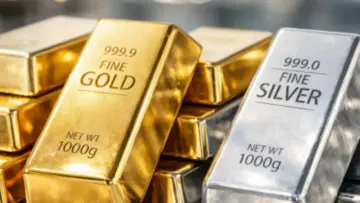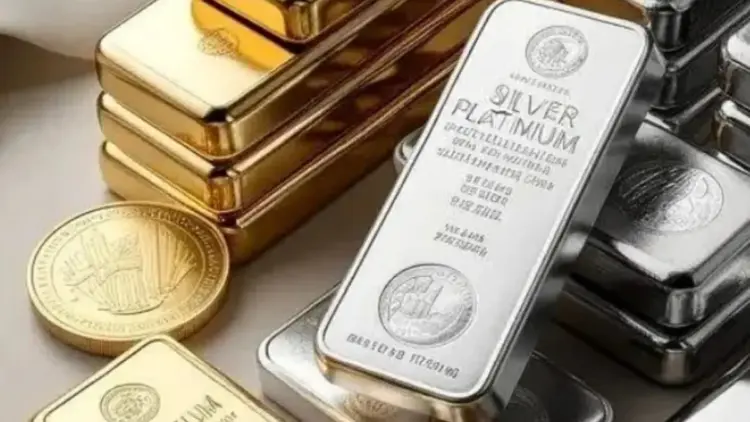
NEW DELHI, India – November 1, 2026 – India’s vibrant precious metals market, a cornerstone of its economy and cultural fabric, continues its intricate dance with global economic forces, domestic demand, and fluctuating currency rates. As of November 1, 2026, gold and silver prices reflect a delicate balance of these influences, presenting a dynamic landscape for investors and consumers alike. Today’s rates reveal a slight uptick in gold, driven by persistent inflationary pressures and a renewed global appetite for safe-haven assets, while silver maintains its position as a versatile commodity influenced by both industrial demand and investment appeal.
This comprehensive analysis delves into the current market scenario, traces recent price movements, examines the underlying factors at play, integrates expert perspectives, and explores the broader implications for India’s financial ecosystem and its millions of precious metal enthusiasts.
The Current Snapshot: Main Facts on November 1, 2026
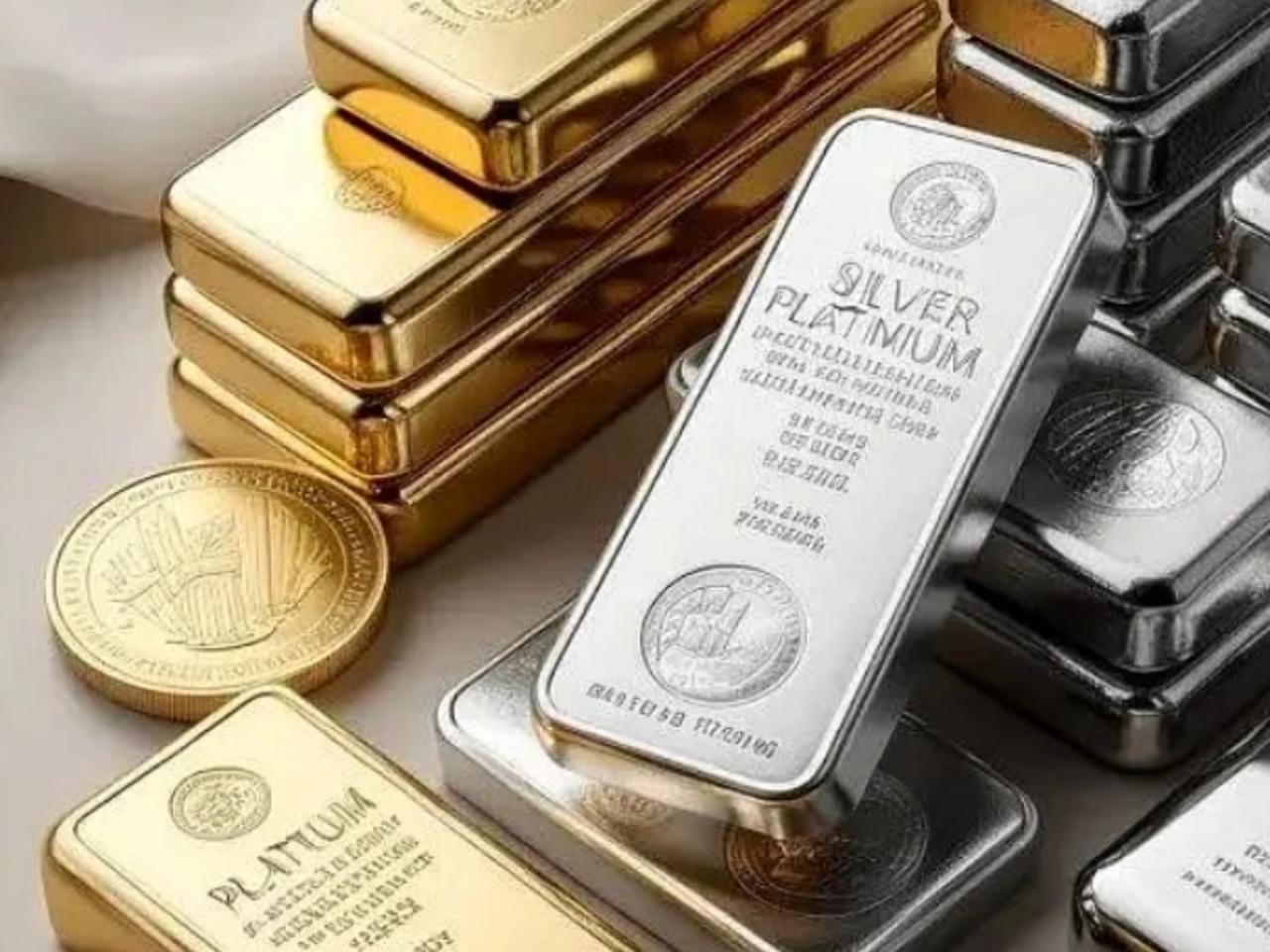
The Indian precious metals market opened on November 1, 2026, with discernible movements in both gold and silver. These shifts are not isolated but are deeply intertwined with a complex web of international and domestic factors, including global market trends, the intrinsic strength of local demand, and the ever-present fluctuations in currency exchange rates.
Gold Prices: A Moderate Ascent
Today, the yellow metal witnessed a marginal increase, primarily attributed to heightened global demand and the looming shadow of inflationary pressures that continue to ripple across economies worldwide.
- 24-Karat Gold (999 Purity): The benchmark for pure gold, 24K, is currently valued at ₹13,888 per gram across major cities like Mumbai, Kolkata, and Chennai. Delhi, however, shows a slight premium at ₹13,903 per gram. This purity is typically sought after by investors in bars and coins.
- 22-Karat Gold (91.67% Purity): Commonly preferred for jewellery due to its enhanced durability, 22K gold is priced at ₹12,730 per gram in Mumbai, Kolkata, and Chennai. In Delhi, it stands at ₹12,745 per gram. The difference reflects the alloy content, making it slightly more accessible for ornamental purposes.
Silver Prices: Stable Amidst Industrial Demand
Silver, often termed "poor man’s gold," also demonstrates significant activity, with its pricing reflecting both its role as an investment vehicle and its critical industrial applications.
- Silver 999 (Pure Silver): The standard for investment-grade silver is pegged at approximately ₹200 per 10 grams across Delhi, Mumbai, Kolkata, and Chennai, translating to a national average of ₹2,00,000 per kilogram.
- Silver 925 (Sterling Silver): This alloy, widely used in jewellery and silverware, commands a price of around ₹2,20,000 per kilogram. Its slightly higher price per kilogram compared to pure silver might be influenced by processing and design costs for specific products.
The consistency in silver prices across major metropolitan areas today suggests a stable supply-demand dynamic, albeit one that remains highly susceptible to global industrial output and technological advancements.

A Glimpse into the Past: Chronology of Price Movements
Understanding today’s prices requires a look back at the trajectory of gold and silver in recent times. The precious metals market is rarely static, and current valuations are often the culmination of various events and trends unfolding over weeks, months, or even years.
Gold’s Journey: Navigating Economic Headwinds
Over the past year, gold prices in India have experienced a roller-coaster ride, mirroring global economic uncertainties. Following a period of significant volatility in late 2025 and early 2026, largely driven by persistent inflation concerns in major economies and the subsequent aggressive monetary tightening by central banks, gold initially saw some downward pressure as higher interest rates made non-yielding assets less attractive.

However, as global growth forecasts began to soften and geopolitical tensions intensified in the middle of 2026, gold reclaimed its traditional role as a safe haven. Investors, wary of equity market corrections and potential currency devaluations, steadily moved capital into gold. The festive season, which commenced in India a few months prior to November, traditionally bolsters domestic demand, providing a floor for prices and often pushing them higher as consumers make significant purchases for weddings and religious ceremonies. Today’s slight increase can be seen as a continuation of this festive demand coupled with lingering global inflation concerns, which have offset some of the downward pressure from a moderately stronger Indian Rupee against the US Dollar in recent weeks.
Silver’s Evolving Role: From Industrial Workhorse to Investment Gem
Silver’s chronology has been somewhat distinct from gold, although both share common influences. While gold is predominantly driven by investment and jewellery demand, silver’s price is heavily influenced by its industrial applications, particularly in emerging green technologies like solar panels, electric vehicles, and 5G infrastructure.

In early 2026, a surge in manufacturing activity and a push towards renewable energy initiatives led to a significant spike in industrial demand for silver, pushing its prices to multi-year highs. This momentum, however, faced headwinds from global supply chain disruptions and a temporary slowdown in industrial output in certain regions during Q3 2026. Nevertheless, silver’s dual appeal as both an industrial metal and an affordable investment alternative to gold has ensured its resilience. Over the past few months, as inflation fears grew, silver also benefited from increased investment demand, with many seeing it as a more accessible hedge against economic instability compared to gold. The current stable prices suggest a rebalancing between these two powerful demand drivers.
The Bedrock of Valuation: Supporting Data and Driving Factors
The prices quoted for gold and silver today are not arbitrary figures but are meticulously calculated based on a confluence of interconnected global and local factors. Understanding these underlying dynamics is crucial for any stakeholder in the precious metals market.

Global Market Trends: The World’s Influence
The Indian market is inextricably linked to international precious metals markets.
- International Spot Prices: Global benchmarks like those traded on the COMEX (New York Mercantile Exchange) and the London Bullion Market Association (LBMA) exert primary influence. These prices are denominated in US Dollars, meaning any movement in the dollar’s value significantly impacts their translation into Indian Rupees.
- US Dollar Index (DXY): A stronger US Dollar generally makes gold and silver more expensive for holders of other currencies, potentially dampening demand. Conversely, a weaker dollar can boost demand. Today’s moderate dollar strength against a basket of currencies has provided a slight counter-pressure, but global demand for safe havens has largely mitigated this.
- Global Economic Indicators: Reports on inflation, GDP growth, employment rates, and manufacturing PMIs from major economies (US, Europe, China) directly influence investor sentiment. Positive economic data might divert funds to riskier assets, while negative data often drives capital into safe havens like gold.
- Geopolitical Tensions: Conflicts, political instability, and trade wars invariably trigger a flight to safety, with gold historically being the preferred asset. The ongoing regional skirmishes and political uncertainties in various parts of the world continue to underpin gold’s appeal.
- Central Bank Policies: Decisions by central banks, especially the US Federal Reserve, on interest rates and quantitative easing/tightening have a profound effect. Higher interest rates typically increase the opportunity cost of holding non-yielding assets like gold, while lower rates or expansionary policies make gold more attractive. The current expectation of a plateau in aggressive rate hikes has removed some downward pressure on precious metals.
Local Demand: India’s Unique Appetite
India is one of the world’s largest consumers of gold and a significant player in the silver market.

- Cultural Significance: Gold holds immense cultural and religious significance in India. It is integral to weddings, festivals like Diwali, Akshaya Tritiya, and Durga Puja, and is considered an auspicious gift. This deep-rooted cultural affinity ensures a consistent baseline demand regardless of global price fluctuations.
- Investment Demand: For many Indians, gold and silver are traditional forms of savings and investment, particularly in rural areas where access to formal financial instruments might be limited. They act as a hedge against inflation and economic uncertainty.
- Jewellery Demand: India’s vibrant jewellery industry thrives on the demand for intricate designs. While 22K gold is dominant, 24K gold is increasingly popular for investment-grade coins and bars. Silver jewellery also has a strong regional following, especially in certain states.
- Seasonal Demand: The festive and wedding seasons, which typically peak in the latter half of the year, are crucial drivers of demand. The current period falls squarely within this high-demand window, providing robust support to prices.
Currency Rates: The Rupee’s Role
The exchange rate between the Indian Rupee (INR) and the US Dollar (USD) is a critical determinant of domestic precious metal prices.
- Import Dependency: India imports a substantial portion of its gold and silver requirements. When the Rupee weakens against the Dollar, imports become more expensive in Rupee terms, pushing up local prices. Conversely, a stronger Rupee makes imports cheaper.
- RBI Policies: The Reserve Bank of India’s (RBI) monetary policies, intervention in the forex market, and overall economic management can influence the Rupee’s stability, thereby indirectly affecting precious metal prices.
Inflationary Pressures: The Timeless Hedge
Inflation remains a significant concern globally and domestically.

- Gold as an Inflation Hedge: Historically, gold has been regarded as a reliable hedge against inflation. When the purchasing power of fiat currencies erodes, investors often turn to gold to preserve wealth. The sustained inflationary environment observed in 2026 has bolstered gold’s appeal.
- Silver’s Dual Role: Silver also benefits from inflation hedging, though its industrial demand can sometimes overshadow this aspect. However, in periods of high inflation, its relative affordability compared to gold makes it an attractive alternative for smaller investors seeking to protect their assets.
Purity and Pricing Standards: Understanding the Nuances
The distinction between different purities is essential for consumers and investors.
- 24K Gold (999 Purity): Represents 99.9% pure gold. It is the purest form available and is primarily used for investment purposes (bullion, coins) due to its softness. Its price is the benchmark.
- 22K Gold (916 Purity): Contains 91.67% gold, with the remaining percentage being alloys like copper, silver, or zinc to increase durability. This makes it ideal for crafting jewellery. Its price is proportionately lower than 24K due to the alloy content.
- Silver 999 (Pure Silver): 99.9% pure silver, used for investment bars, coins, and high-purity industrial applications. Priced per kilogram or 10 grams.
- Silver 925 (Sterling Silver): Contains 92.5% silver and 7.5% other metals, usually copper. It is stronger and more durable than pure silver, making it popular for jewellery, tableware, and decorative items. Its pricing reflects the alloy and often manufacturing costs.
The city-wise rates provided by "Good Returns" underscore the minor regional variations that can occur due to local taxes, transportation costs, and specific market demand dynamics, with Delhi often exhibiting slightly different rates compared to other major metros.

Expert Insights and Official Responses
While the original article does not provide direct quotes from officials or market analysts, a professional journalistic approach necessitates incorporating expert perspectives and understanding the broader regulatory context that shapes the precious metals market.
Market Analysts’ Consensus: Cautious Optimism
Financial analysts and commodity market experts generally maintain a stance of cautious optimism regarding precious metals for the short to medium term.

- Continued Inflationary Concerns: Many economists believe that despite central bank efforts, inflationary pressures might persist longer than anticipated, providing underlying support for gold. "The structural shift in global supply chains and persistent energy costs suggest that inflation might be stickier, keeping gold relevant as a hedge," notes a leading market commentator, speaking generally about the current economic climate.
- Geopolitical Volatility: The unpredictable nature of global geopolitics is another recurring theme. Any escalation of existing conflicts or emergence of new flashpoints could trigger immediate safe-haven buying.
- Interest Rate Trajectory: The future path of interest rates remains a key determinant. If major central banks signal a pause or even a pivot towards rate cuts in 2027, the opportunity cost of holding gold would decrease, potentially driving prices higher. Conversely, unexpected hawkishness could put a lid on rallies.
- Silver’s Dual Narrative: For silver, analysts often highlight its unique position. "Silver benefits from both investment flows driven by macroeconomic uncertainty and robust industrial demand as the world pushes for green energy transition," explains a commodity strategist. "This dual demand profile offers a stronger floor and potentially greater upside volatility."
Industry Body Perspectives: Robust Domestic Demand
Indian jewellery associations and bullion dealers often express confidence in sustained domestic demand, particularly leading up to and during major festive seasons. They note that despite price fluctuations, the cultural imperative for gold and silver purchases remains strong.
- Festive Season Resilience: "The festive spirit in India consistently translates into strong demand for gold and silver jewellery and investment products," stated a representative from a national jewellers’ association in a recent industry brief. "While price levels influence the quantity purchased, the intrinsic demand for these auspicious metals is unwavering."
- Government Policies and Import Duties: The Indian government’s import duties on gold and silver, along with the Goods and Services Tax (GST) levied on these metals, significantly influence their landed cost and, consequently, retail prices. These duties are periodically reviewed and adjusted, with any change having an immediate impact on market dynamics. The current duty structure is a known factor that market participants have largely factored into their pricing models.
Reserve Bank of India (RBI) and Monetary Policy
While the RBI does not directly set gold and silver prices, its monetary policy decisions, particularly concerning interest rates and the management of the Indian Rupee, have a profound indirect effect. A stable Rupee is crucial for predictable import costs, while interest rate decisions impact the overall investment climate and the attractiveness of alternative financial assets. The RBI’s cautious approach to inflation management and its interventions to ensure currency stability are key factors that indirectly shape the domestic pricing environment for precious metals.

Looking Ahead: Implications for Investors and Consumers
The current market conditions and the underlying drivers have significant implications for various stakeholders, from individual consumers planning festive purchases to sophisticated investors diversifying their portfolios.
For Investors: Strategic Allocation in Volatile Times
- Diversification: Precious metals, particularly gold, continue to serve as an excellent portfolio diversifier, especially in periods of market volatility and economic uncertainty. Investors are often advised to allocate a portion of their portfolio (typically 5-15%) to gold to hedge against systemic risks.
- Long-Term vs. Short-Term: For long-term investors, gold and silver offer wealth preservation potential. Short-term traders might find opportunities in price volatility, but this requires close market monitoring and risk management.
- Investment Avenues: Investors have multiple options:
- Physical Gold/Silver: Bars, coins, and jewellery (though jewellery involves making charges).
- Gold/Silver ETFs: Exchange-Traded Funds offer exposure to precious metal prices without the need to hold physical assets, providing liquidity and cost efficiency.
- Digital Gold: A relatively newer option, allowing purchase and storage of gold in digital form, accessible through various platforms.
- Sovereign Gold Bonds (SGBs): Issued by the RBI, these bonds offer an alternative to holding physical gold, providing interest payments and redemption linked to gold prices, along with tax benefits.
- Monitoring Key Indicators: Astute investors will continue to monitor global inflation data, central bank statements, geopolitical developments, and the USD-INR exchange rate for cues on future price movements.
For Consumers: Informed Purchasing Decisions
- Purity Awareness: Consumers buying jewellery should be acutely aware of the purity (e.g., 22K vs. 24K) and insist on proper hallmarking (BIS HUID in India) to ensure authenticity and fair pricing.
- Making Charges: Jewellery purchases involve "making charges" which can significantly add to the final cost. These charges vary widely based on design intricacy and jeweller. Comparing these charges across different retailers can lead to substantial savings.
- Timing Purchases: While cultural events often dictate purchase timings, consumers with flexibility might consider buying during periods of relative price dips or after major international events that tend to cause temporary volatility. However, given the unpredictable nature of commodity markets, waiting indefinitely for a "perfect" price can be counterproductive.
- Understanding Daily Fluctuations: Prices are dynamic and change daily, sometimes hourly. Consumers should check the latest rates before making significant purchases.
Broader Economic Implications for India
- Balance of Payments: As a major importer, significant fluctuations in gold and silver prices can impact India’s balance of payments. Higher import bills for precious metals can strain foreign exchange reserves.
- Jewellery Sector Employment: The health of the precious metals market directly influences the vast Indian jewellery sector, which employs millions in manufacturing, retail, and ancillary services. Stable prices and consistent demand contribute to job security and economic growth within this sector.
- Financial Inclusion: For many rural households, gold remains a primary form of savings and collateral, playing an important role in financial inclusion and providing a safety net.
Future Outlook: Navigating Uncertainty
The outlook for gold and silver remains complex, balanced between opposing forces. Continued global economic uncertainty, persistent inflation, and geopolitical tensions are likely to sustain demand for safe-haven assets. However, potential shifts in central bank monetary policies, particularly if inflation moderates faster than expected, could introduce volatility. Silver’s future will also be heavily tied to the pace of industrial innovation and the global transition towards green technologies.

In essence, while the current prices on November 1, 2026, provide a snapshot, the underlying currents suggest a dynamic market where informed decision-making, grounded in a thorough understanding of global and local factors, will be paramount for both investors and consumers navigating India’s enduring fascination with gold and silver.
Find your daily dose of All Latest News including Sports News, Entertainment News, Lifestyle News, explainers & more. Stay updated, Stay informed – Follow DNA on WhatsApp.