NEW DELHI, India – October 28, 2026 – India’s vibrant and culturally significant precious metals market continues its intricate dance with global economic forces, local consumption patterns, and dynamic currency fluctuations. As of October 28, 2026, the prices of gold and silver across major Indian cities reflect this complex interplay, showing a slight uptick driven by persistent global demand and underlying inflationary pressures. Investors, consumers, and the jewellery industry alike are closely monitoring these trends, as the allure of gold and silver remains undiminished in the Indian psyche.
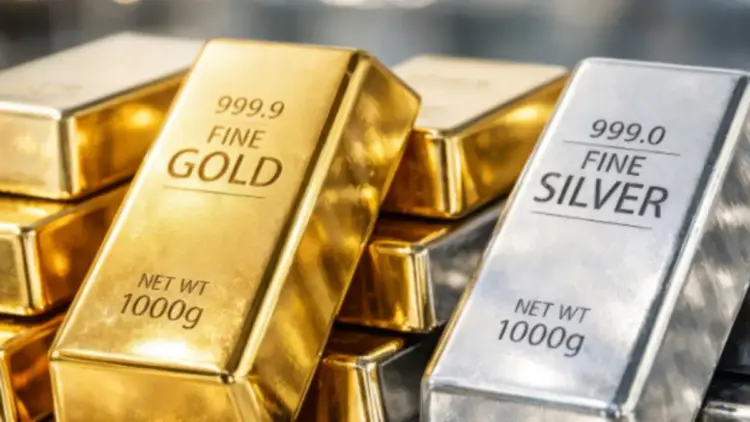
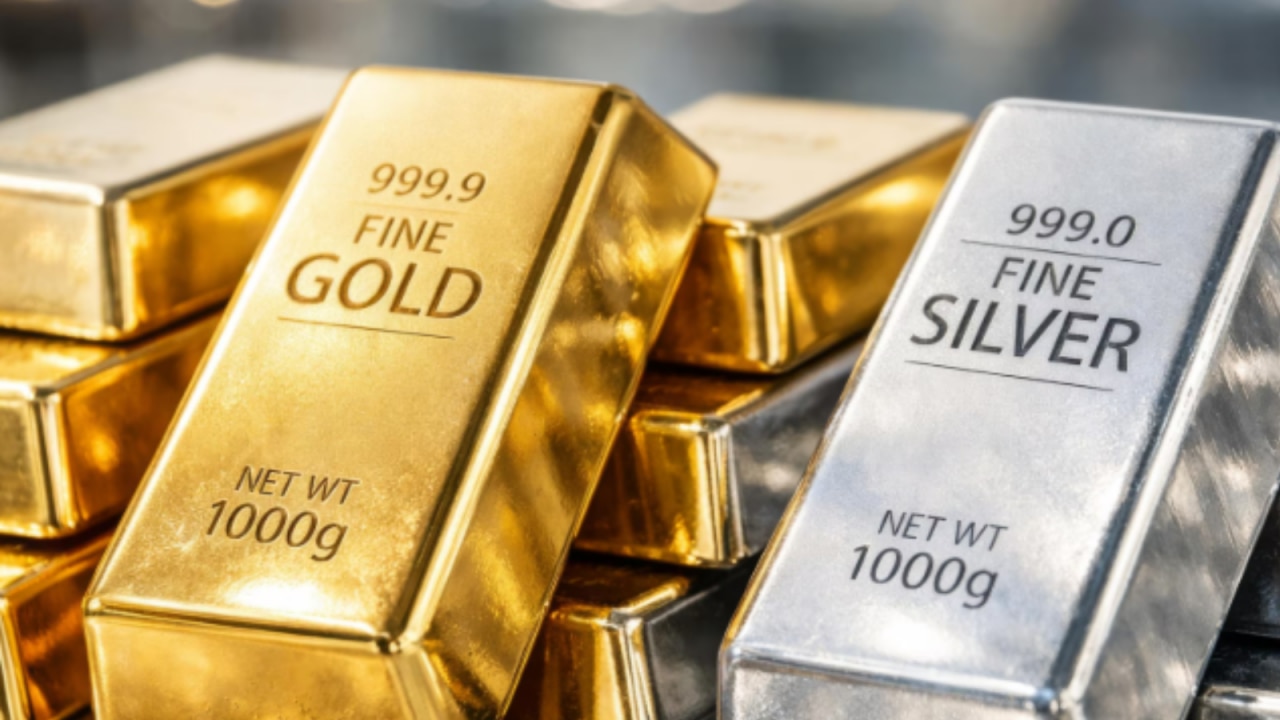
Today, 24K gold, the benchmark for purity, is priced at ₹14,330 per gram across much of the nation, while 22K gold, favoured for intricate jewellery, stands at ₹13,086 per gram. Silver, often seen as gold’s more industrial counterpart, is trading at approximately ₹2,19,900 per kilogram for 999 purity, with 925 sterling silver at ₹2,20,000 per kilogram. These figures underscore the precious metals’ enduring role as both a store of wealth and a significant component of India’s cultural fabric.
Main Facts: India’s Precious Metals Market Navigates Global Currents
The Indian market for gold and silver is unique, characterized by its sheer volume of consumption and profound cultural embedding. On October 28, 2026, the current pricing structure clearly illustrates the multi-faceted influences at play. Gold, considered a traditional safe-haven asset, has registered a marginal but noticeable increase in its value, primarily fueled by a sustained global appetite for tangible assets amidst economic uncertainties and a backdrop of inflationary concerns worldwide. This upward momentum, while slight, indicates a broader investor sentiment leaning towards stability in turbulent times.
For consumers and investors in India, understanding the nuances of these prices is crucial. The purity of gold, denoted by carats, significantly impacts its value. 24K gold, representing 99.9% purity, is primarily sought after for investment purposes, including bullion, coins, and digital gold. In contrast, 22K gold, with 91.67% purity, is the standard for crafting the exquisite jewellery that forms an integral part of Indian traditions and celebrations. Similarly, silver, while less expensive, commands a robust market, with 999 pure silver favored for investment and certain religious articles, and 925 sterling silver widely used in ornaments and tableware.
The daily price variations, though sometimes minor, are a testament to the real-time adjustments made in response to international spot prices, the strength of the US Dollar against the Indian Rupee, and the ebb and flow of domestic demand, which often peaks during India’s extensive festive and wedding seasons. Today’s rates provide a snapshot of this dynamic environment, offering critical data for anyone engaged in buying, selling, or investing in these invaluable commodities.
Chronology: A Trajectory of Volatility and Resilience
The journey of gold and silver prices leading up to October 28, 2026, has been one of dynamic shifts, reflecting both global macroeconomic trends and localized demand surges. Understanding this trajectory provides essential context for today’s prevailing rates.

Recent Market Movements Leading to October 28, 2026
The period preceding late October 2026 has been characterized by a complex interplay of forces that have shaped the precious metals market. Throughout the first half of 2026, gold experienced a significant rally, largely driven by escalating geopolitical tensions in various parts of the world, particularly in Eastern Europe, and persistent inflation concerns across major global economies. This surge saw gold prices touching multi-year highs in early September, as investors sought refuge in its perceived stability amidst a backdrop of uncertain equity markets and volatile bond yields. The narrative of gold as a reliable hedge against economic instability gained considerable traction during this phase.
However, the rally was followed by a modest correction in early October. This slight pullback was primarily triggered by signals from key central banks, including the US Federal Reserve and the European Central Bank, hinting at a potentially more hawkish monetary policy stance. Expectations of continued interest rate hikes, aimed at curbing inflation, momentarily strengthened the US Dollar and increased the opportunity cost of holding non-yielding assets like gold, leading to a temporary tempering of prices. Despite this correction, the underlying bullish sentiment for gold remained strong, with many analysts viewing the dip as a consolidation phase rather than a sustained reversal.

Silver, often referred to as "poor man’s gold" or "industrial gold," mirrored some of gold’s upward trajectory but also demonstrated increased volatility. Its dual nature as both an investment asset and an industrial commodity meant its price was susceptible to fluctuations in global manufacturing output and demand from key sectors such as electronics, solar panels, and electric vehicles. While investment demand kept its floor strong, any perceived slowdown in global industrial activity created short-term price pressures. The recovery of global supply chains post-pandemic and the renewed focus on green energy initiatives provided a consistent, albeit sometimes uneven, boost to silver’s industrial consumption.
The Festive Season’s Enduring Influence
In India, the global price trends are always augmented by a powerful domestic factor: the festive and wedding season. The months leading up to and including October are traditionally a period of heightened demand for gold and silver. Major festivals such as Dhanteras and Diwali, along with the auspicious wedding season, are deeply intertwined with the purchase of precious metals. Gold, in particular, is considered highly auspicious and an essential part of wedding trousseaus and ceremonial gifts.

This seasonal surge in demand acts as a significant domestic premium over international prices. Even when global cues might suggest a softer market, the intrinsic cultural value and the strong consumer sentiment during these periods often provide a robust floor, and sometimes even a boost, to local prices. Jewelers across the country prepare months in advance for this peak buying period, stocking up on inventory and often introducing new designs to cater to diverse consumer preferences. The interaction between global economic headwinds and this unwavering domestic cultural demand creates a unique pricing dynamic in the Indian market, making it distinct from many other international bullion markets.
Supporting Data: Deconstructing the Price Determinants
The daily fluctuations in gold and silver prices in India are not random; they are the result of a confluence of powerful forces. Dissecting these determinants provides a clearer picture of why prices stand where they are today.

The Global Economic Compass: Interest Rates, Inflation, and Geopolitics
The international gold price forms the fundamental baseline for local rates. This global price is primarily influenced by:
- Inflationary Pressures: A key driver for gold is its traditional role as a hedge against inflation. When the purchasing power of fiat currencies erodes due to rising prices, investors often flock to gold as a tangible store of value. The slight increase observed today is largely attributed to persistent global inflationary pressures, making gold an attractive safe-haven asset for investors concerned about the long-term stability of traditional currencies.
- Central Bank Monetary Policies: Decisions by major central banks, especially the US Federal Reserve, regarding interest rates and quantitative easing/tightening, profoundly impact gold prices. Higher interest rates typically make non-yielding assets like gold less attractive compared to interest-bearing bonds. Conversely, lower rates or quantitative easing tend to boost gold’s appeal. The ongoing global battle against inflation means central banks’ hawkish stances are constantly weighed against the safe-haven demand.
- Geopolitical Tensions: Global political instability, conflicts, trade wars, or significant diplomatic disputes invariably lead to increased safe-haven demand for gold. In times of uncertainty, gold is perceived as a reliable asset that retains value when other investments falter. The current global landscape, with its array of geopolitical flashpoints, continues to provide a supportive environment for gold prices.
- US Dollar Strength: As gold is primarily denominated in US Dollars internationally, a stronger Dollar makes gold more expensive for holders of other currencies, potentially dampening demand. Conversely, a weaker Dollar can make gold more affordable, boosting its appeal. The USD-INR exchange rate is a direct translation of this global factor into local prices.
Domestic Dynamics: Demand, Currency, and Cultural Significance
While global factors set the stage, domestic dynamics in India play an equally crucial role in shaping the final prices:

- Local Demand: India’s insatiable appetite for gold and silver is unparalleled. Beyond investment, precious metals are deeply ingrained in cultural practices, particularly for weddings, festivals, and religious ceremonies. This consistent demand, irrespective of price fluctuations to some extent, provides a strong domestic floor. Rural demand, often linked to agricultural prosperity, also significantly contributes to the overall consumption.
- Currency Exchange Rates: The exchange rate between the Indian Rupee (INR) and the US Dollar (USD) is a critical determinant. Since India imports almost all its gold, a weakening Indian Rupee against the US Dollar makes imported gold more expensive in local currency terms, directly translating to higher local prices. Conversely, a strengthening Rupee can soften local prices.
- Import Duties and Taxes: The Indian government levies import duties on gold and silver to manage foreign exchange outflows and protect domestic industries. These duties, along with Goods and Services Tax (GST) at various stages, are added to the international price, further influencing the final consumer price.
Gold: Purity, Prices, and Regional Variations
The gold market in India differentiates between purity levels, catering to distinct consumer needs:
- 24K Gold (999 Pure Gold): This is the purest form of gold, typically 99.9% pure. It is highly sought after for investment purposes, such as buying gold coins, bars, or in digital forms like Sovereign Gold Bonds (SGBs) or Gold ETFs. Its price is directly reflective of global bullion rates.
- Pan-India Average (24K): ₹14,330 per gram
- City-wise 24K Gold Rates (per gram):
- Delhi: ₹14,345
- Mumbai: ₹14,330
- Kolkata: ₹14,330
- Chennai: ₹14,330
- 22K Gold (91.67% Pure Gold): This purity level is most commonly used for crafting jewellery. It contains 91.67% pure gold, with the remaining percentage comprising alloys like copper or silver to increase its durability and make it suitable for intricate designs.
- Pan-India Average (22K): ₹13,086 per gram
- City-wise 22K Gold Rates (per gram):
- Delhi: ₹13,151
- Mumbai: ₹13,136
- Kolkata: ₹13,136
- Chennai: ₹13,136
The slight variations in prices across cities like Delhi, Mumbai, Kolkata, and Chennai can be attributed to several factors including local taxes, transportation costs, and specific regional demand-supply dynamics. Delhi, for instance, often shows a marginally higher rate due to its status as a major trading hub and high consumption.

Silver: The White Metal’s Dual Appeal
Silver’s market dynamics are similar to gold but with an added layer of industrial demand:
- 999 Pure Silver: This is the highest purity level for silver, often used for investment bars, coins, and industrial applications requiring pure silver.
- Pan-India Average (999): ₹2,19,900 per kilogram
- City-wise 999 Silver Rates (per 10 grams):
- Delhi: ₹2199
- Mumbai: ₹2199
- Kolkata: ₹2199
- Chennai: ₹2199
- Silver 925 (Sterling Silver): This alloy contains 92.5% pure silver and 7.5% other metals (usually copper), making it more durable for jewellery and household items.
- Pan-India Average (925): ₹2,20,000 per kilogram
While silver is a popular choice for investment due to its lower price point compared to gold, its industrial applications in solar panels, electrical conductors, medical instruments, and photographic film significantly influence its price fluctuations. Global industrial output and technological advancements play a more direct role in silver’s valuation than in gold’s. The remarkable uniformity in silver prices across major Indian cities today, unlike gold, suggests a more consolidated market with less regional disparity in overheads or local premiums.

Official Responses: Expert Insights and Market Outlook
The intricate movements of gold and silver prices are constantly analyzed by market experts and industry stakeholders, whose insights offer valuable perspectives on current trends and future directions.
Analyst Projections and Market Sentiment
Commodity analysts are largely in agreement that the underlying bullish sentiment for precious metals, particularly gold, is likely to persist in the medium term. "The current uptick in gold prices reflects a broader market apprehension," commented Mr. Rohan Sharma, a Senior Commodity Analyst at Capital Markets India. "With global central banks still grappling with inflation, and economic growth forecasts being revised downwards, gold’s role as a safe haven is reinforced. We anticipate continued volatility, but with an underlying upward bias as long as geopolitical uncertainties and inflationary pressures remain salient features of the global economy."

Regarding silver, experts highlight its dual nature. Ms. Priya Singh, an expert at Bullion Insights, noted, "Silver’s trajectory is a fascinating blend of investment demand and industrial uptake. While it will continue to track gold’s movements to some extent, its industrial consumption, particularly from the burgeoning green energy and electronics sectors, is providing a strong floor for prices. We expect industrial demand to remain robust, though short-term price swings can be more pronounced due to its smaller market size and higher volatility." Analysts also point to the potential for silver to outperform gold in periods of strong global economic growth due to its industrial applications, making it an attractive, albeit riskier, investment option.
Industry Perspectives: Jewelers and Consumers
The jewellery industry, a major consumer of gold and silver in India, is keenly watching these price movements. Higher prices can pose a challenge by potentially tempering immediate consumer purchases, but the industry remains optimistic about long-term demand. Mr. Anil Gupta, President of the All India Gem & Jewellery Domestic Council, stated, "While higher prices can lead to some immediate hesitation among consumers, the underlying cultural and investment demand for gold remains incredibly strong, especially as we approach the peak wedding season. We’re seeing a trend towards lighter, more contemporary designs that cater to evolving consumer preferences while managing price points." He also emphasized the industry’s focus on transparency and hallmarking to maintain consumer trust.

Consumers, particularly those planning significant purchases for weddings or festivals, are often adopting a "wait and watch" approach, trying to time their buys to capitalize on any dips. However, the auspicious timing of certain festivals often overrides price considerations, ensuring a steady base demand regardless. The rise of digital gold and Sovereign Gold Bonds (SGBs) has also provided consumers with alternative investment avenues, allowing them to participate in gold’s appreciation without the complexities of physical storage. These options are particularly appealing to younger investors and those in urban centers seeking convenience and security.
Implications: Navigating the Future of Precious Metals
The current pricing trends for gold and silver carry significant implications for various stakeholders, from individual investors to the broader Indian economy.

For Investors: Balancing Risk and Reward
For investors, the present market conditions underscore the enduring value of precious metals as a portfolio diversifier. Gold, in particular, continues to prove its mettle as a long-term hedge against inflation and currency depreciation. While short-term trading opportunities exist, many financial advisors advocate for a strategic allocation to gold as a ‘safe-haven’ asset, providing stability during economic turbulence. Investors have a range of options beyond physical gold, including Gold Exchange Traded Funds (ETFs), Sovereign Gold Bonds (SGBs) issued by the government, and digital gold platforms, each offering unique benefits in terms of liquidity, storage, and tax efficiency.
Silver, while offering similar safe-haven characteristics, presents a higher risk-reward profile due to its greater price volatility, heavily influenced by industrial demand. Its potential for higher returns during periods of economic expansion makes it attractive to investors with a higher risk tolerance. Diversifying between gold and silver, and allocating a portion of one’s portfolio to these metals, is often recommended to balance risk and potential returns.

Impact on the Jewellery Sector
The fluctuating prices of gold and silver have a direct and significant impact on India’s vast jewellery sector. Jewelers must meticulously manage their inventory, often hedging against price swings to protect their margins. Higher input costs necessitate careful pricing strategies, sometimes leading to adjustments in design trends, such as promoting lighter jewellery pieces or focusing on craftsmanship over sheer weight. The industry also plays a crucial role in promoting responsible sourcing and ensuring the purity of metals through stringent hallmarking standards, which is vital for maintaining consumer trust. The festive season demand, while robust, also means jewelers must absorb potential price volatility during their peak sales period.
Broader Economic Ripples
From a macroeconomic perspective, India’s substantial imports of gold and silver have broader implications for the national economy. High import bills for precious metals can contribute to the current account deficit, impacting the country’s foreign exchange reserves. The government often monitors these imports closely and may adjust policies, such as import duties, to manage the trade balance.

Furthermore, gold has historically served as an informal saving mechanism, particularly in rural India, where access to formal banking channels may be limited. This cultural phenomenon means that changes in gold prices can have a direct impact on the wealth and financial security of millions of households. The growing formalization of the gold market through digital products and regulatory oversight aims to integrate this significant asset class more closely with the mainstream financial system, unlocking its economic potential.
Outlook for the Coming Months
Looking ahead, analysts generally anticipate continued volatility but with an underlying upward bias for gold, driven by persistent global uncertainties, inflationary pressures, and central bank policies. Silver’s performance will likely hinge on the health of the global manufacturing sector and the continued expansion of green technologies. While short-term price corrections are always possible, the long-term outlook for precious metals in India remains robust, supported by their intrinsic value, cultural significance, and their role as a hedge against economic instability. Consumers and investors are advised to stay informed, consult financial experts, and make decisions aligned with their individual financial goals and risk tolerance. The allure of gold and silver, intertwined with India’s economic and cultural narrative, will undoubtedly continue to shape its market for the foreseeable future.