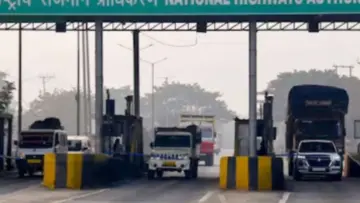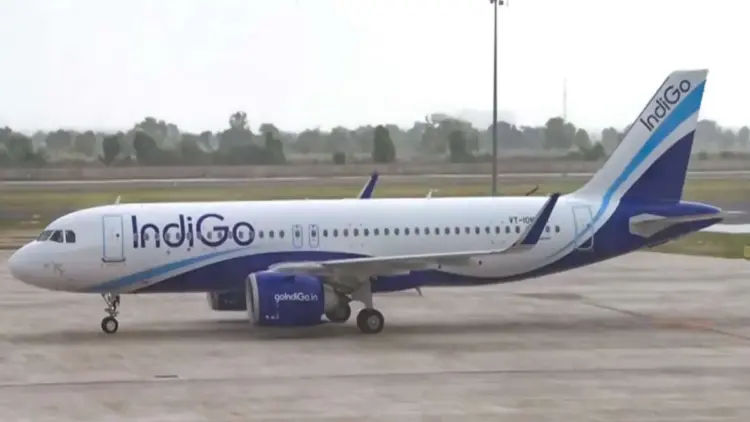
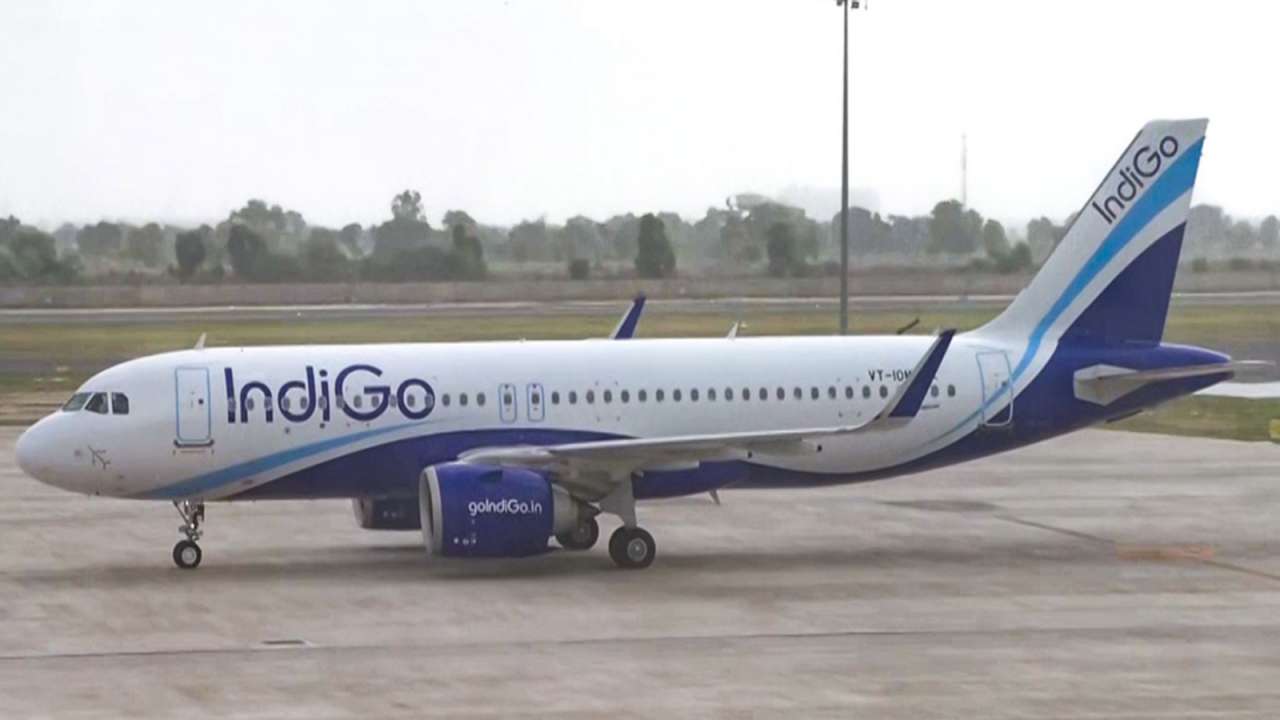
New Delhi, India – India’s largest airline, IndiGo, is signalling an era of higher airfares for travellers, as its parent company, InterGlobe Aviation Ltd, grapples with a third consecutive quarterly loss. CEO Willie Walsh delivered a stark warning on Thursday, stating the airline has "no choice left but to look to increase fares" in the face of a "very significant" and sustained rise in its fuel bill. This pronouncement comes despite a notable increase in revenue, as the relentless surge in operational costs, predominantly jet fuel, continues to erode profitability.
The financial results for the July-September quarter painted a challenging picture for IndiGo, underscoring the severe pressures facing the aviation sector. While the net loss narrowed compared to the previous year, it remained substantial, highlighting the struggle to balance robust passenger demand with an escalating cost environment. The airline has already implemented revisions to fuel charges on both domestic and international routes earlier in October, a pre-emptive measure to mitigate the impact of historically high aviation turbine fuel (ATF) prices. With no immediate relief expected from these elevated costs, the prospect of further fare adjustments looms large for millions of Indian air travellers.
The Financial Turbulence: A Deep Dive into Q2 Performance
IndiGo’s latest financial disclosures for the quarter ended September 30, 2023, reveal a complex interplay of rising revenues and spiralling costs, ultimately culminating in a net loss. Understanding these figures is crucial to grasping the airline’s current predicament and the rationale behind its impending pricing strategies.
Net Loss and Revenue Dynamics
InterGlobe Aviation reported a net loss of ₹1,879 crore (approximately $225 million) for the second fiscal quarter. While this figure represents a narrowing of losses compared to the same period last year and was better than the average analyst estimate of ₹2,063 crore in a Bloomberg survey, it nonetheless marks a significant dent in the airline’s financial health. The persistence of losses, even if diminishing, signals an ongoing struggle to achieve sustained profitability in a volatile operational landscape.
On a more positive note, the airline’s revenue demonstrated resilience, climbing by an impressive 26% year-on-year to ₹23,364 crore (approximately $2.8 billion). This strong revenue growth, which also surpassed analyst estimates, indicates a healthy demand for air travel and IndiGo’s continued ability to attract passengers. However, this growth was ultimately overshadowed by the relentless ascent of operational expenses. Total costs for the quarter surged to ₹26,188 crore, revealing the widening gap between earnings and expenditures.
The Albatross of Fuel Costs
At the heart of IndiGo’s financial woes lies the exorbitant cost of aviation turbine fuel (ATF). Fuel expenses alone soared by a staggering 67% year-on-year, approaching nearly $1 billion during the quarter. This dramatic increase is particularly impactful given that jet fuel typically constitutes around 40% of an airline’s total operating costs, making carriers highly vulnerable to price fluctuations.

The global energy market has been in a state of flux for several years, exacerbated by geopolitical tensions, supply chain disruptions, and fluctuating demand. The ongoing conflict in Ukraine, coupled with recent instability in the Middle East, has kept global crude oil prices volatile and elevated. In India, the situation is further complicated by the pricing mechanism for ATF, which is linked to international crude oil benchmarks and is subject to various central and state taxes. Additionally, the depreciation of the Indian Rupee against the US Dollar means that airlines pay more in local currency for imported fuel, adding another layer of cost pressure. This confluence of factors has created a perfect storm, leaving IndiGo with little recourse but to pass on some of these costs to consumers.
Operational Metrics: A Mixed Bag
Beyond the headline financial figures, IndiGo’s operational metrics for Q2 offer a nuanced view of its performance. The airline carried 27.5 million passengers during the quarter, a 4.5% decrease year-on-year. This dip in passenger volume can be attributed to the seasonally weaker July-September period, which typically experiences lower travel demand compared to other quarters, and the airline’s strategic decision to cut capacity.

To manage costs and optimize resources, IndiGo reduced its capacity by 1% during the quarter. This move, while prudent for cost control, naturally impacts the number of available seats and, consequently, passengers carried. Interestingly, despite the lower passenger volume, the passenger yield – a crucial metric representing average revenue per passenger – rose significantly by 34% year-on-year. This indicates that IndiGo was able to command higher prices per ticket, partially offsetting the reduced passenger count and demonstrating some pricing power in the market.
However, the passenger load factor, which measures the percentage of seats filled, fell to 80.3% from 82.5% a year earlier. While 80.3% is still a respectable load factor, the decline suggests that even with higher yields, the airline was unable to fill as many seats as before. This could imply a degree of price sensitivity among consumers or simply reflect the subdued demand characteristic of the quarter.

Adding to the financial strain, IndiGo’s debt also saw an increase, rising by 7.1% sequentially to ₹87,303 crore (approximately $10.5 billion). A rising debt burden can impact an airline’s financial flexibility, increase interest expenses, and potentially limit future investment in fleet expansion or infrastructure development.
A Chronology of Rising Costs and Strategic Responses
The CEO’s recent announcement is not an isolated event but the culmination of ongoing cost pressures that have been building for several months. IndiGo has already initiated steps to address these challenges, with the latest fuel surcharge hike being a clear indication of its proactive, albeit difficult, measures.

The CEO’s Stern Warning
Willie Walsh, a veteran of the aviation industry and the CEO of IndiGo, articulated the airline’s challenging position on Thursday. His statement, "We have no choice left but to look to increase fares," was unequivocal. He emphasized the "very significant increase in our prices," referring directly to the soaring cost of jet fuel. Walsh also acknowledged that the current elevated fuel costs are not a temporary phenomenon, stating, "We are looking at a period of elevated fuel cost for sometime." This long-term outlook suggests that the airline anticipates a sustained period of high operational expenses, making a strategic shift in pricing unavoidable. Despite the grim forecast, Walsh assured stakeholders that IndiGo would continue to explore "every measure that can be taken internally to offset the very significant increase in our prices," hinting at ongoing efforts to enhance operational efficiencies and cost control.
Pre-emptive Strikes: The October Fuel Surcharge Hike
Before the CEO’s latest warning, IndiGo had already taken concrete steps to address the rising fuel burden. Effective October 6, the airline revised its fuel charges on both domestic and international routes. This decision came after a significant spike in Aviation Turbine Fuel (ATF) prices, which had risen by more than 14% month-on-month, reaching some of the highest levels seen in the last decade, as reported by HT.

Under the revised structure, domestic fuel charges now range from ₹375 to ₹1,300, depending on the distance flown. This represents an increase of ₹100 to ₹350 per sector for domestic travellers. For international routes, the surcharges are considerably higher, varying by destination from ₹1,000 to a substantial ₹10,000. Flights to Europe, for instance, now carry a ₹10,000 fuel charge, while journeys to Southeast Asia, the Gulf, and parts of East Asia entail a charge of ₹5,500. These fuel surcharges are typically added on top of the base fare, effectively increasing the overall ticket price for consumers. This move was a clear signal of the intensifying cost pressures and the airline’s determination to recover a portion of its increased expenses.
Official Responses and Strategic Outlook
IndiGo’s leadership has been candid about the challenges, outlining both the immediate pressures and the strategic responses being considered to navigate this turbulent environment.

Walsh’s Assessment of the Environment
In the earnings statement, CEO Willie Walsh provided a comprehensive assessment of the challenging quarter. He characterized the July-September period as a "seasonally soft September quarter," which is typical for the Indian aviation market. However, this inherent weakness was compounded by "exceptionally elevated fuel costs and continued geopolitical turmoil." Walsh acknowledged that while the measures taken by the airline to support revenue were effective, they only "partly offset higher expenses." This highlights the sheer magnitude of the cost increases, particularly in fuel, which proved too substantial for revenue growth alone to counteract. The reference to geopolitical turmoil underscores the broader external factors impacting the airline’s operational landscape, extending beyond direct fuel price implications to potential disruptions in supply chains and passenger confidence.
The Imperative for Internal Efficiencies
Despite the inevitability of fare hikes, IndiGo is committed to exploring every possible internal measure to mitigate the impact of rising costs. While specific details of these measures are not fully disclosed, they typically encompass a range of strategies common in the aviation industry. These could include rigorous route optimization to minimize fuel burn, enhancing fleet utilization to maximize revenue-generating hours per aircraft, implementing stringent operational cost controls across all departments, and leveraging technology for greater efficiency. Furthermore, airlines often look at supply chain management, renegotiating contracts with vendors and suppliers, and optimizing ground handling services to trim expenses. These internal efforts are crucial not only for absorbing some of the cost increases but also for demonstrating prudent financial management to investors and maintaining a competitive edge.

Capacity Growth and Future Projections
Looking ahead, IndiGo anticipates "low single-digit capacity growth" in the December quarter. This cautious approach to expansion reflects a strategy of balancing demand with the prevailing cost pressures. While the Indian aviation market holds immense long-term growth potential, IndiGo appears to be prioritizing profitability and financial stability over aggressive capacity additions in the immediate future.
The airline is also banking on the inherent seasonality of the Indian market. Domestic air travel typically experiences a significant surge during the October-December period, driven by the festive season (Diwali, Christmas, New Year) and holiday travel. This anticipated pick-up in demand could provide a much-needed boost to passenger numbers and revenue, potentially offering some support to the airline’s financial performance in the coming quarter. However, the extent to which this increased demand can offset the elevated fuel costs and higher operating expenses remains to be seen, especially with the added burden of increased fares.

Broader Implications for Passengers, Industry, and Economy
IndiGo’s strategic shift has far-reaching implications, impacting not just the airline itself but also millions of passengers, the competitive landscape of the Indian aviation sector, and the broader economy.
The Burden on the Indian Traveller
For the average Indian traveller, IndiGo’s fare hike warning means higher travel costs, particularly during the upcoming peak festive season. Families planning holidays or individuals travelling for work will face increased expenditure, potentially impacting their discretionary spending. For shorter distances, some travellers might opt for alternative modes of transport such as trains or buses, especially if the price differential becomes substantial. This could lead to a slight contraction in the growth of domestic air travel, at least temporarily. The balance between the convenience of air travel and its affordability will become even more critical for consumers in the coming months.

Navigating the Competitive Skies
As India’s largest airline with a dominant market share, IndiGo’s pricing decisions often set a precedent for the rest of the industry. It remains to be seen how its major competitors, such as the revitalized Air India, Vistara, and the newer entrant Akasa Air, will respond. If other airlines follow suit with their own fare hikes, it could lead to a general increase in air travel costs across the board. However, if competitors choose to absorb some of the costs to gain market share, it could intensify price wars, further squeezing profitability for all players. This situation tests the very foundation of the low-cost carrier model, which IndiGo has historically championed, relying on high volumes and competitive pricing.
Challenges for the Indian Aviation Sector
IndiGo’s struggles highlight several structural challenges within the Indian aviation sector. High taxation on ATF, levied by both central and state governments, remains a persistent pain point for airlines. Unlike many other countries where ATF is treated as a basic input and taxed accordingly, in India, it attracts high duties, significantly inflating operational costs. Furthermore, the lack of sufficient maintenance, repair, and overhaul (MRO) infrastructure in India means airlines often have to send aircraft abroad for major servicing, incurring additional costs and downtime. High airport charges and other regulatory fees further add to the burden. Industry stakeholders have repeatedly called upon the government for policy support, including a reduction in excise duty on ATF, to create a more favourable operating environment. Without such interventions, the long-term sustainability of airlines in India will continue to be a subject of concern.

Economic Ripple Effects
The aviation sector is a critical enabler of economic activity, facilitating business travel, boosting tourism, and connecting regions. Higher airfares and potentially reduced air travel could have ripple effects across various related industries. The hospitality sector, including hotels and resorts, could see a slowdown in bookings. Tourism, both domestic and international, might experience a dampening effect. Moreover, increased transportation costs contribute to broader inflationary pressures within the economy, impacting consumer spending and potentially slowing down economic growth. The health of the aviation sector is thus inextricably linked to the overall economic vitality of the nation.
A Glimmer of Hope: Festival Season and Long-Term Vision
Despite the immediate challenges, there remains a glimmer of hope for IndiGo and the Indian aviation market. The upcoming festive season (October-December) is traditionally a period of strong travel demand, which is expected to provide a significant boost to passenger traffic. This seasonal surge could help IndiGo improve its load factors and generate higher revenues, partially offsetting the increased costs.

In the long term, IndiGo’s massive order book with Airbus, one of the largest globally, positions it for significant future growth and fleet modernization. The airline’s strategic focus on expanding its network, particularly international routes, and continuously improving customer experience are vital for maintaining its market dominance. As India’s economy continues to grow and disposable incomes rise, the demand for air travel is projected to increase substantially over the next decade. IndiGo’s ability to navigate the current headwinds while simultaneously investing in its future will be crucial for capitalizing on this immense potential.
Conclusion
IndiGo’s announcement of inevitable fare hikes underscores the delicate balance airlines must maintain between profitability and market share in a highly competitive and cost-sensitive environment. The confluence of persistently high fuel costs, geopolitical uncertainties, and a seasonally weak quarter has pushed India’s largest carrier to a point where passing on some of these expenses to the consumer is deemed unavoidable. While the airline continues to implement internal efficiencies and anticipates a boost from the upcoming festive season, the challenges are formidable. The coming months will be a critical test for IndiGo, as it navigates these turbulent financial skies, striving to maintain its dominant position while ensuring long-term sustainability in the dynamic Indian aviation market. For the Indian traveller, the era of more expensive air travel appears to have definitively arrived.