The coastal waters of India, particularly along the sprawling stretch of the Bay of Bengal, are home to some of the ocean’s most enigmatic inhabitants. With their flattened, disc-like bodies and expansive, wing-like pectoral fins, rays are often described as the "birds of the sea," gliding through the water column with a grace that belies their ancient lineage. However, beneath this aesthetic beauty lies a grim reality. Recent scientific assessments and conservation reports suggest that these cartilaginous fish are among the most threatened vertebrate groups on the planet.
In India, the situation has reached a critical juncture. Despite the country’s robust legal framework for wildlife protection, a significant gap remains between policy and the physical protection of habitats. A recent study has highlighted a concerning trend: the majority of "Important Shark and Ray Areas" (ISRAs) in Indian waters remain outside the boundaries of existing Marine Protected Areas (MPAs). This leaves critical breeding grounds, nursery habitats, and migratory corridors vulnerable to industrial fishing, habitat degradation, and an evolving international trade in ray parts.
Main Facts: The Biology and Diversity of India’s Rays
Rays are cartilaginous fish, belonging to the class Chondrichthyes, making them close evolutionary relatives of sharks. Unlike bony fish, their skeletons are made of tough, flexible cartilage. While they are found in every ocean across the globe, India’s tropical waters provide a particularly rich environment for a diverse array of species.
Ecological Architects
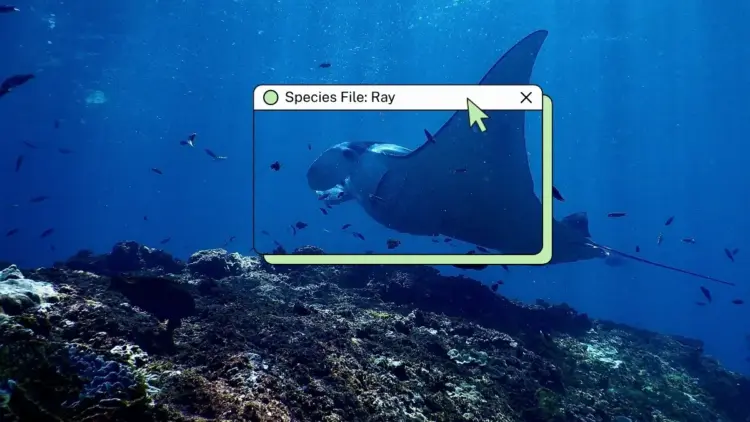
Most ray species are benthic, meaning they dwell on the ocean floor. Here, they play a vital role in shaping seabed communities. By foraging for mollusks, crustaceans, worms, and small fish, they disturb the sediment, a process that helps cycle nutrients and provides habitat for smaller marine organisms. Larger species, such as the majestic manta ray—which can reach widths comparable to a minibus—inhabit the open ocean, feeding on zooplankton and krill.
The "Rhino Ray" Distinction
While the term "ray" often brings to mind the common stingray with its whip-like, venomous tail, there exists a unique and far more threatened lineage known as the rhino rays (order Rhinopristiformes). This group represents a morphological bridge between sharks and rays; they possess the flattened forebody of a ray but the powerful, muscular tail of a shark.
The rhino ray family comprises 68 species, including:
- Sawfishes: Known for their long, tooth-lined snouts.
- Wedgefishes and Giant Guitarfishes: Often targeted for their high-value fins.
- Banjo Rays: Named for their distinctive body shape.
According to the International Union for Conservation of Nature (IUCN) Red List, rhino rays are officially the world’s most threatened marine fish. Over 70% of all assessed species are considered threatened with extinction, and nearly half are classified as Critically Endangered.
Chronology: The Evolution of Protection and Trade
The history of ray conservation in India is a tale of late-stage recognition and shifting market demands. For decades, rays were considered secondary to sharks in terms of conservation priority, often lumped together as "elasmobranchs" without specific protections for individual species.
The Shift in Legal Status
In the late 20th century, rays were primarily viewed as a food source for coastal communities or as incidental bycatch. However, as global populations plummeted, international and domestic laws began to tighten.
- 2000s-2010s: Increased international pressure led to several ray species being listed under the Convention on International Trade in Endangered Species of Wild Fauna and Flora (CITES). Appendices I and II were utilized to either ban or strictly regulate the international trade of species like the Manta and Sawfish.
- 2022: A landmark moment occurred with the passing of India’s Wildlife Protection (Amendment) Act 2022. This legislation significantly overhauled the protection status of marine life. Approximately 15 species of rhino rays, including the Bottlenose Wedgefish (Rhynchobatus australiae) and the Bowmouth Guitarfish (Rhina ancylostoma), were moved to Schedule I. This designation grants them the highest level of legal protection in India, equivalent to that of the tiger or the Asian elephant.
The Emerging Skin Trade
While the trade in shark and ray fins has been a known driver of population decline for decades, a new and more insidious market has emerged in the mid-2020s. Historically, once the fins were removed, the meat of the ray was often sold locally for a low price. However, recent reports from 2025 indicate a surging demand for ray skins.
Rima Jabado, chair of the IUCN Shark Specialist Group, has sounded the alarm on this trend. Unlike the fin trade, which often targeted specific large-bodied sharks, the skin trade is seeing coastal rays being targeted specifically for their hides, which are used in luxury leather goods. This shift means that even species previously ignored by the fin trade are now in the crosshairs of commercial exploitation.
Supporting Data: The Mapping of Vulnerability
The most pressing concern for scientists today is not just the hunting of these animals, but the lack of protection for the places they live. A recent study focused on the Bay of Bengal has provided sobering data regarding the spatial protection of these species.

The ISRA vs. MPA Gap
The concept of "Important Shark and Ray Areas" (ISRAs) was developed to identify regions of critical importance for the survival of these species—places where they mate, give birth, or aggregate to feed.
The data reveals a startling disconnect:
- Spatial Coverage: In Indian waters along the Bay of Bengal, the majority of identified ISRAs fall entirely outside the boundaries of designated Marine Protected Areas (MPAs).
- Nursery Vulnerability: Many of these unprotected areas are shallow, coastal zones that serve as "nurseries" for juvenile rhino rays. Because these areas are not protected, they are subject to intensive bottom trawling, which destroys the seabed and catches juvenile rays before they have a chance to reproduce.
- Slow Recovery Rates: Biological data supports the urgency of this gap. Rays are "K-strategists," meaning they grow slowly, reach sexual maturity late in life, and produce very few offspring. A population that is overfished can take decades to recover, if it recovers at all.
Official Responses and Conservation Perspectives
Government officials and conservationists are currently locked in a debate over how to bridge the gap between the law on paper and the reality in the water.
The Regulatory Challenge
The Ministry of Environment, Forest and Climate Change (MoEFCC) has pointed to the Wildlife Protection Amendment Act of 2022 as evidence of India’s commitment. By placing rhino rays in Schedule I, the government has made the hunting, possession, or trade of these species a non-bailable offense with severe penalties.
However, enforcement at sea remains a logistical nightmare. Fisheries departments often struggle to distinguish between legally caught fish and protected ray species when they arrive at crowded landing centers. Furthermore, the "bycatch" loophole remains a significant hurdle. Many fishermen claim that rays are caught accidentally in nets intended for other fish; while the law requires these animals to be released, many are already dead or dying by the time the nets are hauled in.
The Role of Technology and Community
In response to these challenges, experts are advocating for innovative tracking and conservation methods:
- Social Media Monitoring: A 2026 study explored the use of social media as a tool to track the consumption and illegal trade of shark and ray meat. By monitoring digital marketplaces and local food posts, researchers can identify "hotspots" of illegal trade that traditional patrols might miss.
- Local Ecological Knowledge (LEK): Conservationists are increasingly turning to traditional fishing communities. Local fishers often possess generations of knowledge regarding where rays aggregate. By involving these communities in conservation efforts—rather than just imposing top-down bans—researchers have found higher success rates in identifying and protecting critical habitats.
Implications: The Cost of Inaction
The potential loss of India’s rhino rays and other ray species carries profound implications for both the environment and the economy.
Ecosystem Collapse
As "top-down" regulators of seabed health, the disappearance of rays could lead to an overpopulation of their prey species, which in turn could deplete the seagrass beds and coral reef health. This "trophic cascade" would eventually impact the very commercial fish stocks that human populations rely on for food security.
Economic and Cultural Loss
The rise of the skin trade and the persistence of the fin trade represent a short-term economic gain at the cost of long-term ecological stability. Furthermore, rays hold a place in the cultural heritage of India’s coastal regions, appearing in folklore and as symbols of the ocean’s mystery.
The Path Forward
To prevent the extinction of these "winged shadows," the scientific community is calling for an immediate expansion of Marine Protected Areas to include the identified ISRAs. This must be coupled with:
- Enhanced Monitoring at Landing Sites: Training for fisheries officials to identify protected rhino ray species.
- Alternative Livelihoods: Providing incentives for fishers to move away from gear that high-risk bycatch species are susceptible to.
- International Cooperation: Since many ray species are migratory, India must work with neighboring countries in the Bay of Bengal, such as Bangladesh and Myanmar, to create transboundary protected corridors.
The story of the ray in India is a litmus test for the country’s marine conservation ambitions. While the legal framework is now among the strongest in the world, the survival of these ancient gliders will ultimately depend on whether India can protect the waters they call home before the demand for their fins and skins silences them forever.