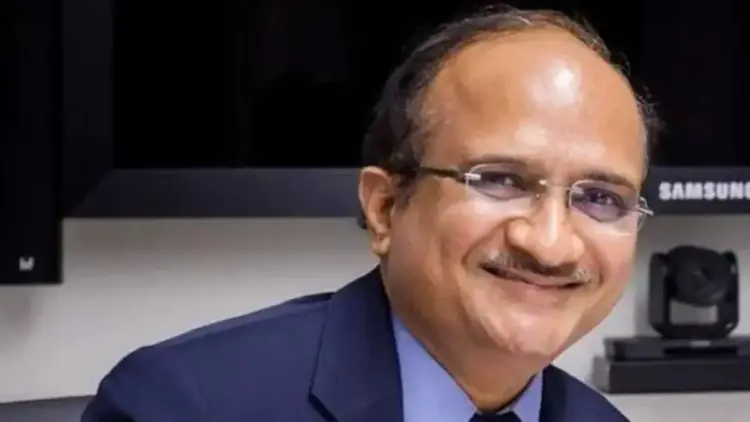
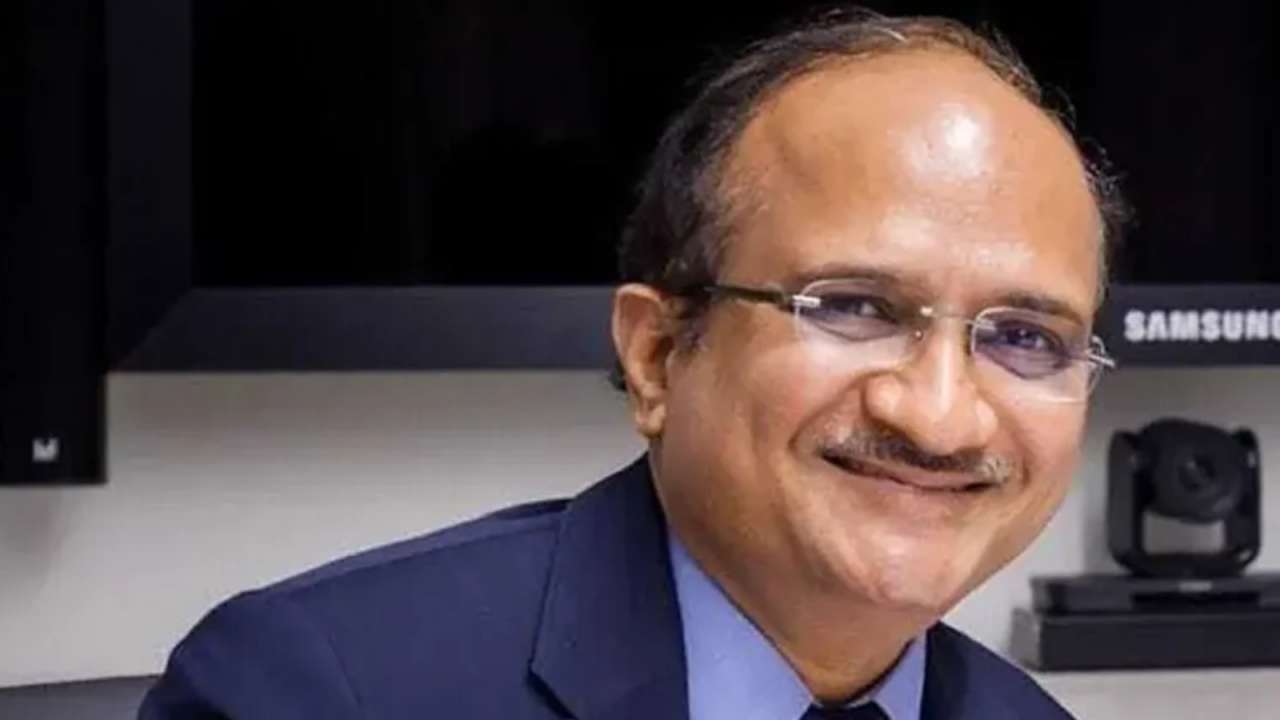
New Delhi, India – In a significant intervention into the ongoing discourse surrounding academic pressures and pedagogical approaches within India’s premier engineering institutions, V. Ramgopal Rao, Group Vice-Chancellor of BITS Pilani Campuses and a former Director of IIT Delhi, has put forth a compelling proposal: the adoption of five-year Bachelor of Technology (B.Tech) programs across the Indian Institutes of Technology (IITs). This suggestion emerges amidst a backdrop of rising student stress, a notable controversy at IIT Bombay, and a growing recognition of the stark heterogeneity within IIT classrooms.
Rao, an academic with over 25 years of experience spanning IIT Bombay and IIT Delhi, where he served as Director from 2016 to 2021, contends that the current "one-size-fits-all" model of undergraduate education at the IITs is proving increasingly inadequate. His proposal, detailed in a recent statement, aims to address the widening gap between students entering these prestigious institutions, stemming from diverse educational backgrounds and varying levels of preparedness.
The Spark: A Professor Under Fire and the Need for Fair Examination
The impetus for Rao’s proposal is directly linked to a recent controversy involving Professor Suryanarayana Doola of IIT Bombay. Professor Doola found himself at the centre of a public outcry, prompting Rao to voice his concerns about the immediate vilification of faculty members.
"I am disturbed to see Prof. Suryanarayana Doola being vilified over the recent controversy at IIT Bombay," Rao stated, emphasizing his personal knowledge of Doola. He described the professor as "one of the finest faculty members I have known in the IIT system, and a gentleman of the highest integrity." Rao strongly advocated for a fair and unbiased examination of the concerns raised, asserting that "A public campaign against an individual serves no one."
This defense of an individual professor, however, quickly broadened into a more profound critique of the IIT system’s current pedagogical framework, highlighting the systemic challenges that contribute to student pressures and potential academic disparities.
The Core Issue: Heterogeneity in IIT Classrooms
Rao’s central argument revolves around the concept of "highly heterogeneous classrooms" that now characterize the IIT system. He points to the intense competition for admission, which results in a wide spectrum of students entering IITs. This spectrum is not merely defined by the JEE Advanced rank, which can range from single digits to five digits, but also by the varying quality and focus of preparatory coaching.

"Students now come from an intensive coaching ecosystem, with JEE Advanced ranks in the same classroom ranging from single digits to five digits," Rao explained. He cited his experience at IIT Delhi, particularly in the Computer Science and Engineering (CSE) department, where students with vastly different admission ranks share the same lecture halls. This diversity, he argued, is further compounded by linguistic variations among students.
The fundamental question, according to Rao, is whether the current teaching-learning methods can effectively cater to such a diverse student body. "The question to ask therefore is, with such heterogeneity, can we expect every student to learn at the same pace?" he posed. He stressed that while "opening the doors of our best institutions to students from different backgrounds" is a laudable goal, the crucial aspect is whether the IIT system has adequately adapted its teaching methodologies to accommodate this reality.

Rao elaborated on the inherent difficulties faced by faculty members in a heterogeneous classroom: "A faculty member cannot pitch every class at several levels at once. Move too slowly, and some students lose interest. Move too quickly, and others are left behind."
The Coaching Conundrum and the Shift to Independent Learning
A significant factor contributing to this heterogeneity, as identified by Rao, is the influence of the intensive coaching culture that precedes IIT admissions. He recalled instances where students with top JEE Advanced ranks struggled in his classes.

"Coaching had prepared them to solve familiar types of questions quickly. Many are lost when they see a question which they haven’t solved before," he observed. This suggests that while coaching equips students with test-taking strategies and rote learning for specific problem types, it may not foster the deep conceptual understanding and independent problem-solving skills essential for higher education.
Rao clarified that this challenge is not confined to any particular admission category. "This is not a difficulty confined to any admission category. The move from coaching to independent learning can be hard for anyone," he asserted. The transition from a structured, guided learning environment to the more self-directed nature of university-level studies presents a hurdle for all students, regardless of their entry rank or background.

The Proposed Solution: A Five-Year B.Tech Model
To address these multifaceted challenges, V. Ramgopal Rao proposes a structural shift: the adoption of five-year B.Tech programs at IITs. This proposal is not about extending the duration of study for all students but rather about creating a more flexible and supportive academic framework.
"I feel we should consider moving our B.Tech programmes to five years in IITs," Rao stated. Under this proposed model, students who demonstrate the capacity and meet the credit requirements could still graduate in the standard four years, or even in three-and-a-half years. However, those who require additional time and support would have the option to extend their coursework to five years.

This extended period would facilitate access to enhanced academic assistance, including recorded lectures, supplementary online materials, and targeted language support where necessary. The key principle is that the pace of learning would be determined by individual performance and progress within the IIT system, rather than by the student’s admission category or entrance rank.
"The pace would be decided by performance within the IIT, not by a student’s admission category or entrance rank," Rao emphasized.

The Psychological Advantage of a Five-Year Structure
Beyond the academic benefits, Rao also highlighted the significant psychological advantages of framing the B.Tech program as a five-year endeavor for all.
"Designating it as a five-year programme for everyone would have a psychological benefit as well," he explained. This approach would destigmatize the need for additional time. Students who require an extra year would simply be availing themselves of the program’s full duration, without being perceived as falling behind or struggling. Conversely, high-achieving students who can complete their studies sooner would be recognized for their efficiency.

"Students who need more time would simply be following the programme as designed, while those who are ready could complete it sooner. No one would be singled out for taking a fifth year," Rao concluded. This inclusive approach aims to foster a more supportive and less anxiety-inducing academic environment.
Upholding Standards, Fostering Support
Rao was clear that his proposal is not about diluting academic rigor. He stressed the paramount importance of maintaining academic standards within the IITs. However, he reiterated that the system has a responsibility to equip students with the necessary tools and time to meet these standards, acknowledging that students do not all possess the same starting point or learn at the same velocity.

"Giving them the time and support to meet those standards is a responsibility of the system," Rao stated. This perspective shifts the focus from individual student deficiency to systemic responsibility in facilitating academic success.
The proposal by V. Ramgopal Rao is poised to ignite further debate within the academic community and among policymakers regarding the future of higher education in India’s most esteemed institutions. It calls for a proactive re-evaluation of pedagogical approaches to ensure that the IITs continue to be centers of excellence that nurture the potential of every student who walks through their gates.