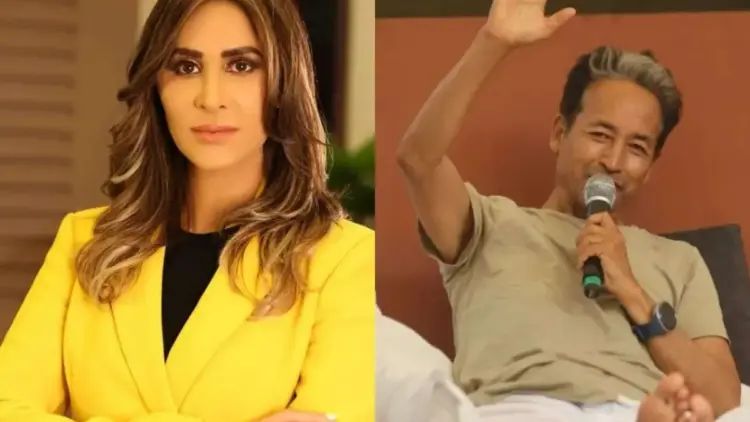
New Delhi, India – The escalating hunger strike by renowned innovator and activist Sonam Wangchuk, now entering its third week, continues to reverberate across the nation, drawing a diverse range of support and commentary. In a significant development, acclaimed celebrity beauty expert Dr. Shagun Gupta has publicly declared her unwavering support for Wangchuk’s peaceful protest, emphasizing that her stance is rooted in a deep concern for the nation’s future and not in partisan politics. Dr. Gupta’s strong endorsement, articulated through a poignant social media statement, underscores the growing sentiment that Wangchuk’s demands transcend political boundaries and touch upon fundamental issues of national integrity and educational fairness.
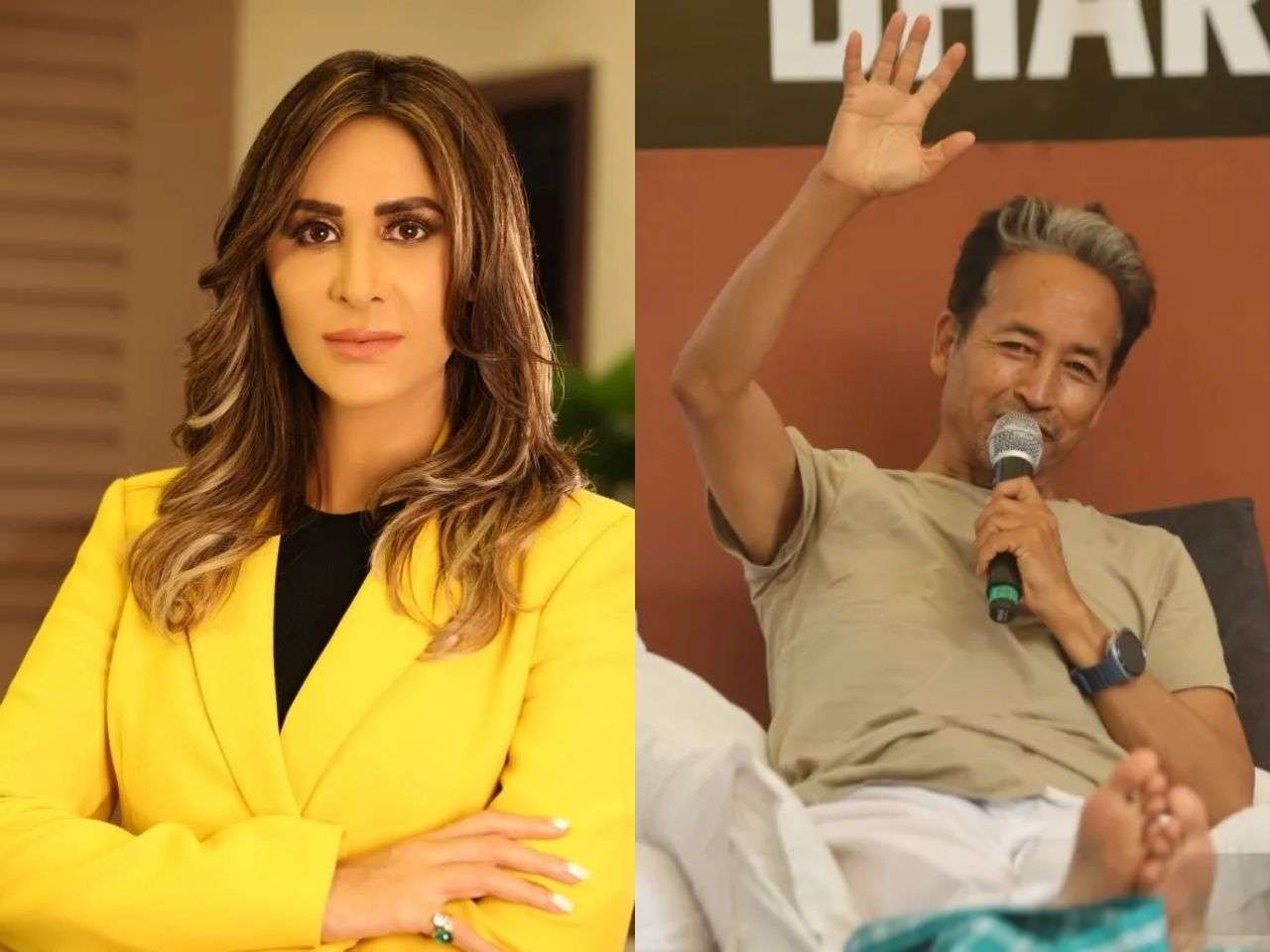
Wangchuk, a prominent figure known for his advocacy for Ladakh and environmental conservation, has been on an indefinite hunger strike at Delhi’s Jantar Mantar since July 18th. His protest is a direct response to a series of alleged governmental oversights and failures, most notably the alleged involvement of Union Education Minister Dharmendra Pradhan in a widespread NEET-UG 2026 paper leak scandal. This leak has been linked to the tragic suicides of at least twelve students, a stark and devastating consequence that has galvanized widespread public outcry and scrutiny.

The Core of the Protest: Accountability and Educational Integrity
Sonam Wangchuk’s hunger strike is not merely a symbolic gesture; it is a desperate plea for accountability and a demand for systemic reform within India’s crucial examination processes. The NEET-UG (National Eligibility cum Entrance Test for Undergraduate) is a gateway examination for medical college admissions, impacting the aspirations of millions of young Indians. The repeated instances of paper leaks, culminating in the devastating outcomes of the 2026 cycle, have eroded public trust and cast a long shadow over the fairness and integrity of the education system.

Wangchuk’s central demand is the resignation of Union Education Minister Dharmendra Pradhan, holding him responsible for the perceived failures under his stewardship. Beyond this specific personnel change, the activist seeks a commitment from the government to implement robust measures that will prevent future exam malpractices and ensure a level playing field for all aspiring students. His protest highlights a deep-seated frustration with what many perceive as a lack of proactive governance and a tendency to brush aside serious allegations.

Dr. Shagun Gupta’s Powerful Declaration: "My Silence is Never for Sale"
The involvement of public figures in social and political activism often sparks debate, and Dr. Shagun Gupta’s intervention is no exception. However, her statement has been carefully crafted to distance her support from any political party, firmly positioning it as an act of civic duty and moral conviction. In a powerful declaration on her social media platforms, Dr. Gupta articulated her rationale, stating:

"The future of the country and its youth and India is my home. My silence is never for sale. When the future of my nation, the dignity of its people, or the power of education calls, I will stand with courage. My loyalty is to the Constitution of India, to truth, and to my country—not to any political party."

This assertion is crucial. In an era where public discourse can often be polarized, Dr. Gupta’s words aim to reaffirm that genuine concern for national well-being should not be misconstrued as partisan endorsement. Her message resonates with the idea that issues of education, environmental protection, and the dignity of citizens are fundamental to a nation’s progress and transcend the ephemeral nature of political affiliations.

A Broader Wave of Support: Celebrities and the Public
Dr. Gupta’s support joins a growing chorus of voices from the entertainment industry and beyond. While some celebrities have remained conspicuously silent, others have lent their platforms to amplify Wangchuk’s message. The initial reluctance of some Bollywood figures to comment on sensitive political issues has been met with public criticism, with netizens actively calling for transparency and engagement. The past few days have seen social media abuzz with discussions, with many users tagging prominent personalities, urging them to acknowledge Wangchuk’s plight.

The trend of celebrities engaging with socio-political issues, while not new, carries significant weight due to their widespread reach. When a figure like Dr. Gupta, known for her influence in the beauty and lifestyle domain, speaks out on matters of national importance, it can broaden the conversation and encourage wider public engagement. Her endorsement, therefore, is not just a personal opinion but a statement that carries considerable influence, potentially encouraging others to examine the issues at hand with greater seriousness.

The Chronology of a Peaceful Uprising
Sonam Wangchuk’s hunger strike is the culmination of growing discontent and a series of attempts to address concerns through conventional channels.

- Early July 2026: Reports of widespread irregularities and alleged paper leaks in the NEET-UG 2026 examination begin to surface. These reports are accompanied by allegations of systemic failures and potential corruption within the examination conducting bodies.
- Mid-July 2026: The gravity of the situation escalates as news breaks of multiple student suicides linked to the NEET-UG exam controversy. The scale of the tragedy galvanizes public anger and demands for immediate action.
- July 18, 2026: Sonam Wangchuk commences his indefinite hunger strike at Jantar Mantar, New Delhi. His protest is a direct response to the perceived inaction and lack of accountability from the government, particularly concerning the Education Minister.
- Days 1-7 of the Hunger Strike: Initial media coverage focuses on Wangchuk’s personal sacrifice and the core demands of his protest. Supporters begin to gather at Jantar Mantar, offering solidarity.
- Week 2 of the Hunger Strike: The protest gains national attention. Voices from various sectors, including activists, academics, and some public figures, begin to express support. Social media platforms become a hub for discussions, sharing news, and organizing solidarity events.
- Week 3 of the Hunger Strike (Present): The strike intensifies, with concerns growing for Wangchuk’s health. Prominent figures like Dr. Shagun Gupta publicly declare their support, emphasizing the national importance of the issues raised. The government faces increasing pressure to address the demands and find a resolution.
Supporting Data and the Scale of the Crisis
The context of Wangchuk’s protest is deeply rooted in the alarming scale of educational malpractices in India. The NEET-UG 2026 paper leak is not an isolated incident but part of a larger pattern that has plagued competitive examinations.

- NEET-UG 2026 Paper Leak: The allegations suggest a significant breach in the security protocols of the examination, leading to the leak of question papers. The subsequent investigations have pointed towards a complex network involved in facilitating the leaks.
- Student Suicides: The most tragic fallout of the paper leak has been the reported suicides of at least twelve students. This stark reality highlights the immense pressure on students and the devastating impact of systemic failures on their mental well-being and future prospects.
- Broader Exam Irregularities: Beyond NEET-UG, several other national-level competitive examinations have faced scrutiny due to allegations of paper leaks, malpractices, and administrative lapses. This has created a climate of distrust among aspiring candidates who invest years of preparation for these crucial tests.
- The Impact on Aspirations: Millions of students across India aspire to secure admissions into prestigious institutions through these examinations. The integrity of these exams is paramount to ensuring fairness and equal opportunity, and any compromise on this front can have long-lasting repercussions on individual careers and the nation’s human capital development.
Official Responses and the Political Landscape
The government’s response to Sonam Wangchuk’s hunger strike has been a subject of intense scrutiny. While the administration has acknowledged the protest and the concerns raised, a definitive resolution remains elusive.

- Initial Acknowledgment: The government, through various spokespersons and ministries, has acknowledged the existence of the protest and the issues surrounding the NEET-UG exam. However, concrete steps to address the core demands have been slow to materialize.
- Focus on Investigations: Official statements have often emphasized ongoing investigations into the paper leak allegations and assurances of stringent action against those found guilty. However, critics argue that this approach lacks the proactive leadership and systemic reform required.
- Political Reactions: The political reactions have been varied. While some opposition parties have voiced solidarity with Wangchuk, the ruling party has largely maintained a stance that emphasizes ongoing investigations and discredits the protest as politically motivated. Reports of some political figures mocking or downplaying Wangchuk’s concerns have further fueled public anger. For instance, the viral videos of Vivek Oberoi and Manoj Tiwari, where they were perceived to be evading or dismissing Wangchuk’s protest, drew significant backlash from netizens.
- Ministerial Silence: The continued silence or defensive posture of Union Education Minister Dharmendra Pradhan has been a focal point of criticism. Activists and the public are looking for a clear and decisive response from the minister directly responsible for the education portfolio.
Implications of the Protest and Dr. Gupta’s Stance
Sonam Wangchuk’s hunger strike, amplified by endorsements from figures like Dr. Shagun Gupta, carries significant implications for the socio-political landscape of India.

- Erosion of Trust: The repeated instances of exam malpractices are steadily eroding public trust in the examination system and, by extension, in the government’s ability to ensure fairness and accountability. This erosion of trust can have far-reaching consequences for democratic participation and civic engagement.
- The Power of Peaceful Dissent: Wangchuk’s choice of a hunger strike underscores the enduring power of peaceful protest as a tool for civic expression. His commitment to non-violence, even in the face of personal hardship, serves as a model for dissent.
- The Rise of the Conscious Citizen: Dr. Gupta’s statement exemplifies a growing trend of public figures using their platforms to advocate for issues they believe in, independent of political affiliations. This indicates a shift towards a more conscious and engaged citizenry, where individuals feel a responsibility to speak out on matters of national importance.
- Focus on Accountability: The protest has placed a spotlight on the need for greater accountability within government institutions. The public is increasingly demanding that officials be held responsible for their actions and inactions, especially when they have significant societal repercussions.
- The Future of Education: The core of Wangchuk’s protest lies in safeguarding the future of education in India. His actions are a stark reminder that a fair and transparent examination system is not just about admissions; it is about nurturing talent, fostering meritocracy, and building a nation equipped with skilled and ethical professionals.
As Sonam Wangchuk continues his fast, the nation watches with bated breath, hoping for a resolution that upholds justice, restores faith in the educational system, and acknowledges the courage of those who dare to speak truth to power. Dr. Shagun Gupta’s unequivocal support serves as a powerful reminder that loyalty to the nation and its constitutional ideals should always supersede any political allegiance.