New Delhi, India – In a world grappling with the escalating consequences of environmental degradation, the story of Satyam Dixit stands as a beacon of hope and a testament to the power of individual action. What began as a personal reckoning during the unprecedented COVID-19 pandemic has blossomed into a nationwide citizen-led movement, igniting a passion for environmental stewardship across over 200 cities in India. On the occasion of World Nature Conservation Day, Zee Media’s "My Earth, My Duty" campaign shines a spotlight on Dixit, a young changemaker whose journey from humble beginnings to environmental crusader embodies the very spirit of collective responsibility.
The Genesis of a Mission: From Aspirations to Action
Satyam Dixit’s narrative is rooted in resilience and an unwavering commitment to his family and community. Raised in a modest household, his father’s journey from a pedal rickshaw puller to a watchman instilled in him a profound understanding of hard work and sacrifice. Growing up in a rented dwelling, Dixit’s early life was marked by a dedication to financial independence. Even while attending school, he contributed to the family’s income by selling momos, a testament to his entrepreneurial spirit. This self-reliance continued into his college years, where he worked as a delivery executive, further solidifying his sense of responsibility and service.

His initial life trajectory was geared towards academic excellence, with aspirations to crack the prestigious Union Public Service Commission (UPSC) examination. However, the advent of the COVID-19 pandemic acted as an unexpected yet profound turning point. As lockdowns swept across the nation, disrupting lives and livelihoods, Dixit found himself redirecting his focus from personal ambition to the pressing needs of his community. The widespread disruption and the stark realities of environmental vulnerability during the pandemic catalyzed a shift in his priorities, sparking a nascent desire to contribute to the well-being of his surroundings.

The Birth of a Movement: Cleanliness, Waste Management, and Awareness
The pandemic’s disruptive force provided Dixit with the impetus to channel his energy into tangible action. Instead of immersing himself in UPSC preparations, he began dedicating his time and resources to assisting local communities. This period of active engagement revealed the pervasive issues of cleanliness and waste management that plagued public spaces and natural ecosystems. Witnessing the accumulating waste and the lack of cohesive efforts to address it, Dixit felt a growing imperative to initiate change.

What began as a localized effort, driven by a handful of like-minded volunteers, gradually burgeoned into a significant environmental initiative. The core of this movement, aptly named "My Earth, My Duty," centers on three interconnected pillars: cleanliness, effective waste management, and widespread public awareness. Dixit’s vision was not merely to clean up existing messes but to foster a fundamental shift in public perception and behavior towards environmental responsibility.

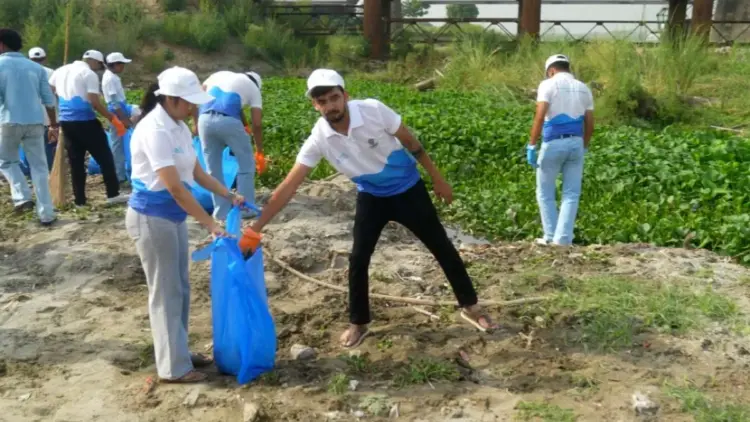
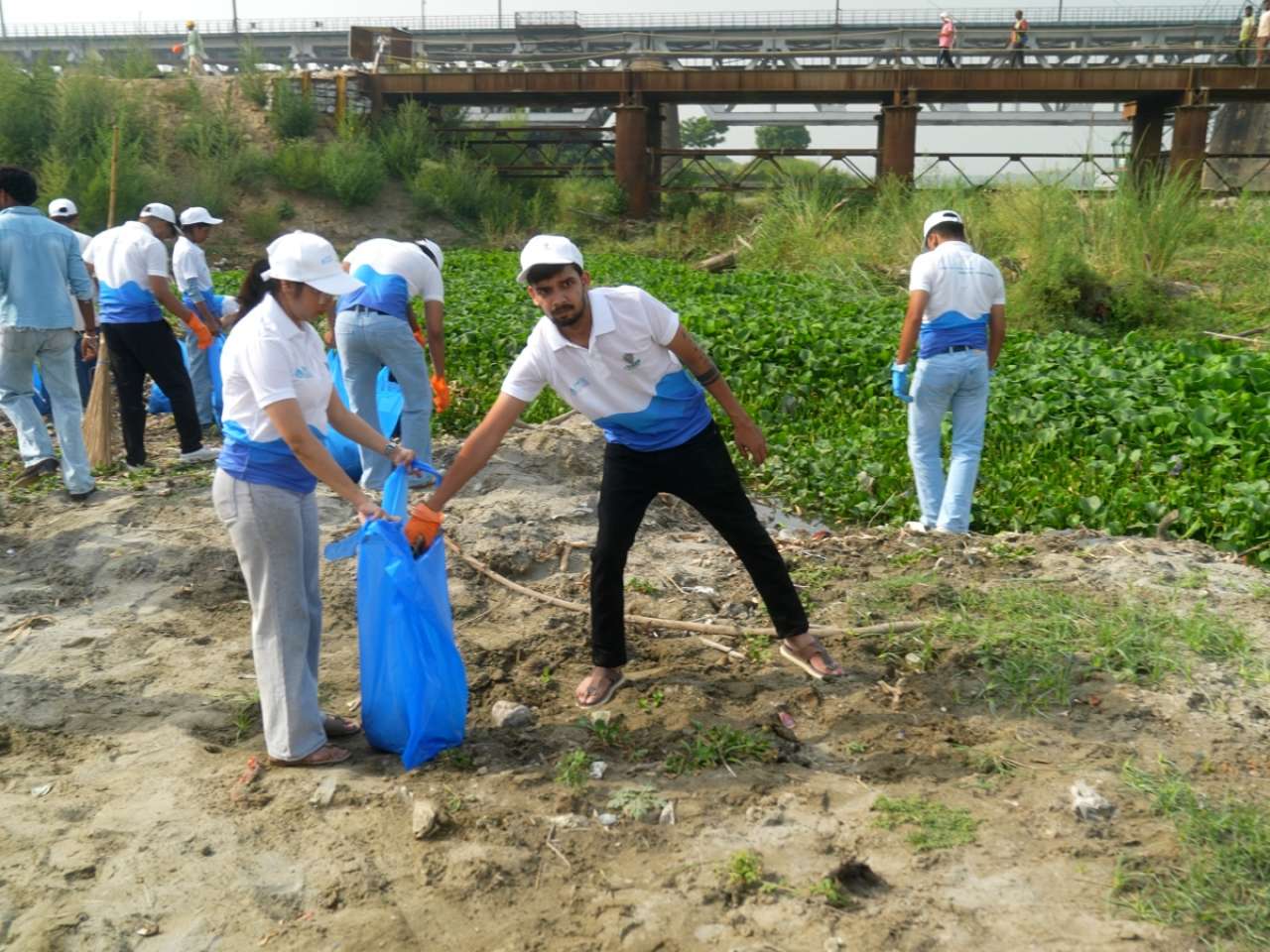
The initiative’s operational methodology is hands-on and community-centric. Regular cleanup drives are organized across diverse public spaces, from bustling city centers to the serene banks of rivers. These drives have become a powerful symbol of collective action, mobilizing volunteers to tackle the monumental task of waste removal. The scale of these efforts is impressive, with thousands of kilograms of waste collected and responsibly disposed of or recycled.

Beyond mere collection, "My Earth, My Duty" places a strong emphasis on sustainable waste management practices. The initiative actively promotes the recycling of materials, particularly plastics, which pose a significant environmental threat. Furthermore, it addresses the often-overlooked issue of religious waste, advocating for eco-friendly disposal methods that minimize harm to the environment. This holistic approach ensures that the cleanup efforts are not just superficial but contribute to long-term environmental health.

Scaling Impact: From Local Action to National Phenomenon
The success of "My Earth, My Duty" can be attributed to its replicable model and its ability to resonate with individuals across different socio-economic strata. The initial spark ignited by Satyam Dixit has found fertile ground in communities seeking tangible solutions to local environmental challenges. The movement’s expansion to over 200 cities is a testament to its adaptability and the widespread desire for environmental action.

In each of these cities, local chapters of "My Earth, My Duty" have emerged, mirroring Dixit’s core principles. These chapters engage in consistent cleanup drives, often collaborating with local authorities and educational institutions. The visual impact of these drives is undeniable, transforming neglected areas into cleaner, more vibrant spaces. The visible change serves as a powerful motivator, encouraging greater participation and reinforcing the sense of ownership among residents.

However, the movement’s impact extends beyond the physical act of cleaning. A crucial component of "My Earth, My Duty" is its relentless focus on public awareness and behavioral change. Dixit and his network understand that sustainable environmental solutions require a fundamental shift in how people interact with their surroundings. Through workshops, street plays, social media campaigns, and direct community engagement, they strive to educate citizens about the importance of waste segregation, responsible consumption, and the detrimental effects of pollution.

The initiative actively encourages citizens to take "ownership" of their local environments. This concept of ownership transcends mere civic duty; it fosters a sense of personal connection and responsibility for the well-being of one’s neighborhood and, by extension, the planet. By empowering individuals to become active participants in environmental stewardship, "My Earth, My Duty" cultivates a culture of care and accountability.

Supporting Data and Evidence of Impact
While precise nationwide data for all 200+ cities is still being compiled and regularly updated, the anecdotal evidence and recurring patterns highlight the significant positive impact of the "My Earth, My Duty" initiative.

- Waste Collection Metrics: While specific tonnage figures vary by city and event, reports from various local chapters consistently detail the removal of substantial amounts of waste. For instance, during a single cleanup drive in a particular city, over 5,000 kg of plastic waste was reportedly collected from a riverbank. Such efforts, replicated across numerous locations, contribute to a significant reduction in landfill burden and environmental pollution.
- Volunteer Mobilization: The movement has successfully mobilized thousands of volunteers, a diverse group comprising students, working professionals, homemakers, and retirees. This broad base of participation underscores the initiative’s inclusivity and its ability to tap into the latent desire for civic engagement. The consistent turnout at cleanup drives, even in challenging weather conditions, speaks volumes about the dedication fostered by the movement.
- Behavioral Change Indicators: While difficult to quantify directly, anecdotal evidence from participating communities suggests a noticeable shift in waste disposal habits. Local coordinators report fewer instances of littering in areas where regular drives are conducted and increased participation in waste segregation at the household level. Educational programs have also reportedly led to greater awareness about the environmental impact of single-use plastics.
- Partnerships and Collaborations: The initiative has fostered collaborations with numerous local NGOs, educational institutions, and, in some instances, municipal corporations. These partnerships amplify the reach and effectiveness of cleanup drives and awareness campaigns, demonstrating a growing recognition of the movement’s value by established bodies.
- Media Recognition: The widespread media attention, including features by Zee Media as part of the "My Earth, My Duty" campaign, serves as an indicator of the initiative’s significance and its growing influence on the national discourse around environmental issues.
Official Responses and Recognition
The burgeoning success and widespread reach of "My Earth, My Duty" have begun to garner attention and, in some cases, support from official bodies. While a unified national policy response directly linked to Dixit’s movement is still evolving, individual city administrations and local government units have increasingly recognized the value of citizen-led environmental initiatives.

- Local Municipal Support: In several cities where "My Earth, My Duty" has a strong presence, local municipal corporations have provided logistical support for cleanup drives, including the provision of waste disposal vehicles and equipment. This collaboration signifies a growing acknowledgment by authorities of the crucial role that citizen groups play in complementing official waste management efforts.
- Educational Institutions: Schools and universities have actively partnered with the initiative, incorporating environmental awareness sessions and encouraging student participation in cleanup activities. This engagement is vital for instilling environmental consciousness in the younger generation.
- Recognition by Environmental Agencies: While not always formal endorsements, environmental agencies and ministries have often acknowledged the importance of grassroots movements like "My Earth, My Duty" in achieving broader environmental goals. The emphasis on public participation aligns with national strategies for waste management and conservation.
- Media Endorsements: The inclusion of Satyam Dixit’s story in Zee Media’s "My Earth, My Duty" campaign is a significant endorsement, elevating the visibility of his work and inspiring a wider audience. Such campaigns play a crucial role in highlighting exemplary individuals and movements that are making a tangible difference.
Implications for the Future of Environmental Action
Satyam Dixit’s journey and the exponential growth of "My Earth, My Duty" hold profound implications for the future of environmental action in India and beyond.
- Democratization of Environmentalism: The movement underscores that environmental stewardship is not solely the purview of governments or large corporations. It demonstrates that ordinary citizens, driven by passion and a sense of responsibility, can catalyze significant positive change. This democratization of environmentalism empowers communities and fosters a more inclusive approach to tackling ecological challenges.
- Scalability of Grassroots Solutions: The success of "My Earth, My Duty" provides a compelling model for replicating grassroots environmental solutions across diverse geographical and socio-economic contexts. Its focus on practical, community-driven actions makes it adaptable and replicable, offering a pathway for widespread impact.
- Behavioral Change as a Cornerstone: The emphasis on public awareness and behavioral change highlights a critical insight: technological solutions alone are insufficient. Lasting environmental impact requires a fundamental shift in human attitudes and actions. Dixit’s initiative demonstrates that sustained awareness campaigns can be as impactful as physical cleanup drives.
- Inspiration for Youth: Satyam Dixit’s story is a powerful inspiration for young people, particularly those from underprivileged backgrounds. It demonstrates that personal circumstances need not be a barrier to making a meaningful contribution to society. His journey validates the potential of youth to be agents of change and leaders in environmental advocacy.
- A Call to Collective Responsibility: Ultimately, "My Earth, My Duty" embodies the central message of its namesake campaign: meaningful change begins when ordinary people choose to take responsibility for the world around them. Satyam Dixit’s personal transformation has ignited a collective consciousness, proving that a shared commitment to our planet can indeed pave the way for a healthier, more sustainable future. The movement serves as a powerful reminder that every individual has a role to play, and that together, we can nurture and protect the Earth for generations to come.