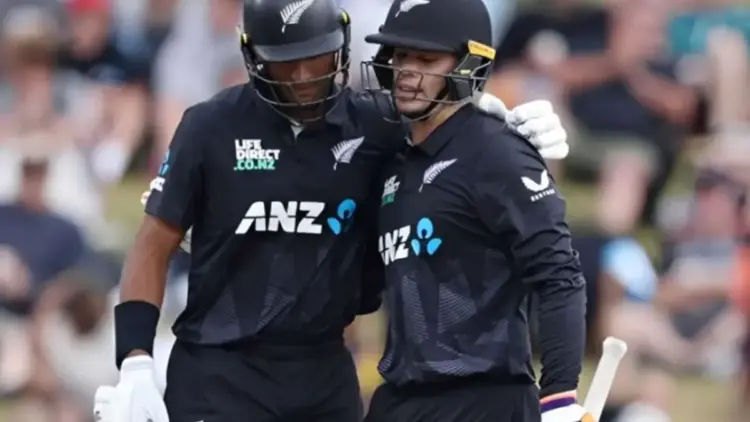
A shadow of uncertainty has fallen over the New Zealand cricket camp as the Black Caps prepare for a formidable One-Day International (ODI) series against India. Just days before the highly anticipated contest, the team has been dealt a severe blow, with two integral players, Rachin Ravindra and Mark Chapman, officially ruled out due to significant injuries. This growing casualty list has not only forced immediate and extensive alterations to the squad but has also compelled the coaching staff to fundamentally rethink their strategic combinations and tactical approach for what promises to be a challenging tour on the subcontinent.
The news sends ripples of concern through New Zealand Cricket, highlighting the precarious balance between elite performance demands and player welfare in modern international cricket. With key personnel sidelined, the Black Caps face an uphill battle to maintain their competitive edge against a formidable Indian side playing on home turf. The series, crucial for both teams in terms of reputation and preparation for future global events, now begins with New Zealand already at a significant disadvantage, grappling with the absence of talent and the need for rapid integration of new faces.
I. Main Facts: A Crippling Blow Before Battle
New Zealand’s aspirations for a strong start to their ODI series against cricketing powerhouse India have been severely hampered by an escalating injury crisis. All-rounder Rachin Ravindra and dynamic middle-order batsman Mark Chapman have both been officially withdrawn from the squad, succumbing to injuries that have rendered them unfit for the rigours of the five-match series. This double setback mandates immediate changes to the touring party, forcing the Black Caps’ management to scramble for replacements and devise new strategies on the fly.
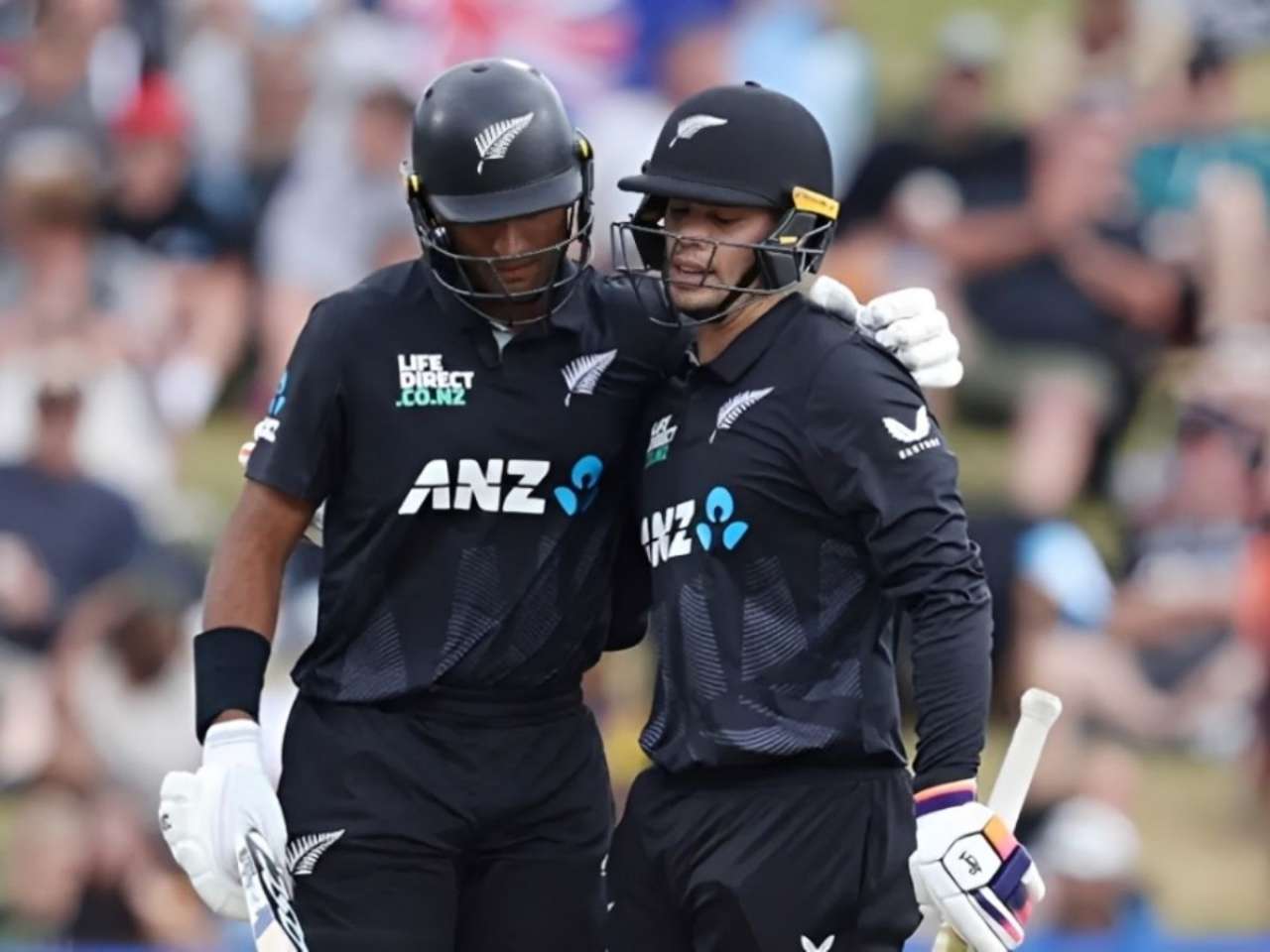
The absence of Ravindra, a burgeoning talent known for his left-arm spin and aggressive batting, and Chapman, a consistent run-scorer capable of accelerating an innings, represents a significant void in the team’s balance and firepower. Their unavailability underscores a broader challenge faced by international cricket teams – managing player workload and mitigating the risk of injuries in an increasingly demanding global schedule. As the squad prepares for a gruelling tour in Indian conditions, these early blows cast a long shadow over their prospects, necessitating exceptional resilience and adaptability from the remaining players and the coaching staff.
II. A Growing Epidemic: The Injury Crisis Unfolds
New Zealand’s run of ill-fortune appears relentless, with the latest injury report painting a grim picture for their ODI ambitions. The team’s medical staff and coaching unit are now faced with the unenviable task of managing a roster depleted by crucial absences, just as they embark on one of the most demanding tours in international cricket.
The Initial Blow: Ravindra and Chapman’s Unfortunate Absences
The most recent casualties are Rachin Ravindra and Mark Chapman, two players who had initially been earmarked for vital roles in the ODI setup. Neither player managed to make it through the preceding T20 stretch unscathed, and their subsequent withdrawal from the ODI squad confirms the severity of their respective ailments.
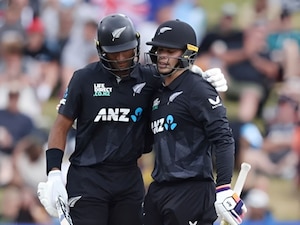
Mark Chapman’s injury stems from a left hamstring strain sustained during his participation in the European T20 Premier League. While specific details of the tournament remain limited, the incident highlights the risks associated with players engaging in multiple competitions across different calendars. Hamstring injuries are notoriously tricky, often requiring careful management to prevent recurrence. Chapman’s estimated recovery period of "at least two more weeks" indicates a Grade 1 or 2 strain, which, while not season-ending, is sufficient to rule him out of the entirety of the ODI series. His absence deprives New Zealand of a proven performer in the middle order, a batsman capable of both anchoring and accelerating an innings, particularly valuable in the pressure cooker environment of Indian pitches. His left-handed presence also offered a crucial dynamic against spin, a key component in subcontinental conditions.
Rachin Ravindra’s situation, however, is arguably more concerning and certainly more unusual. The young all-rounder suffered a dislocated shoulder during a "promo shoot" – an unfortunate incident that underscores the myriad ways in which professional athletes can sustain injuries, even off the field. A dislocated shoulder is a serious injury that can have long-term implications if not managed correctly. It typically involves a prolonged rehabilitation period to restore stability and full range of motion, especially for an athlete whose role involves extensive fielding, throwing, and bowling. The report states he is "nowhere near full fitness yet," which suggests a more protracted recovery timeline than Chapman’s. Ravindra’s burgeoning talent, showcased in recent international outings where his left-arm orthodox spin and aggressive top-order batting have made him a genuine game-changer, will be sorely missed. His all-round capabilities offer invaluable balance to the squad, providing both wicket-taking options and batting depth. His absence leaves a significant void that will be challenging to fill.
A Pre-Existing Concern: Matt Henry’s Quadriceps Tear
Adding to the woes is the lingering uncertainty surrounding veteran pacer Matt Henry. Henry, a lynchpin of New Zealand’s fast-bowling attack, missed the latter half of the T20I series due to a quadriceps tear. While he is reportedly planning to join the squad for the ODI series, his participation is contingent upon proving his fitness. A quadriceps tear, much like a hamstring strain, can significantly impair a fast bowler’s ability to generate pace, maintain rhythm, and endure long spells. The demand on a fast bowler’s legs during their run-up and delivery stride is immense, making full recovery paramount. The potential absence or compromised fitness of Henry would strip the Black Caps of crucial experience, pace, and wicket-taking ability with the new ball, placing additional pressure on the relatively younger or less experienced members of the pace battery. His ability to extract bounce and movement, even on flatter Indian tracks, is a vital asset, and his uncertain status only exacerbates the team’s challenges.

Broader Context of Injuries in Modern Cricket
The escalating injury list for New Zealand is not an isolated incident but rather a symptom of a larger, systemic issue plaguing modern cricket. The relentless international schedule, coupled with the proliferation of franchise leagues across the globe, places immense physical and mental strain on players. Athletes are expected to transition between formats – from the explosive demands of T20s to the sustained efforts of ODIs and the endurance tests of Test cricket – often with minimal rest or acclimatization periods.
The intensity of play has also surged, with higher speeds, greater power, and more athletic fielding becoming the norm. This heightened level of performance, while thrilling for spectators, inevitably takes a toll on the human body. Hamstring strains, quadriceps tears, shoulder dislocations, and back issues have become alarmingly common across all cricketing nations. Teams like England, Australia, and even India (as evidenced by the simultaneous injury to Prasidh Krishna, replaced by Auqib Nabi, on their side) have faced similar predicaments, struggling to maintain a fully fit core squad for extended periods. This global trend necessitates a re-evaluation of scheduling, player management strategies, and injury prevention protocols by cricketing boards worldwide to safeguard the careers and well-being of their most valuable assets – the players.
III. Chronology of Setbacks and Strategic Adjustments
The unfolding injury saga has transformed New Zealand’s preparations for the ODI series against India into a dynamic and reactive process, forcing a series of strategic adjustments on the fly.

Pre-Series Jitters: The T20I Phase and Initial Concerns
The seeds of the current crisis were sown even before the ODI series officially began, during the preceding T20 International stretch. While the original article doesn’t specify if Ravindra and Chapman were injured during the T20s or before joining the T20 squad, it clearly states, "Neither made it through the T20 stretch and now they’re missing the ODIs too." This indicates that their injuries either prevented them from participating in the T20s from the outset or were sustained early enough to rule them out of the remainder of that series and, crucially, the upcoming ODIs. This early depletion in the T20 squad would have already tested the team’s depth and adaptability, providing an early glimpse into the challenges that lay ahead. The T20 series, often seen as a warm-up for the longer white-ball format, inadvertently became a crucible for New Zealand’s resilience, even before the ODI contest commenced.
The Official Announcement and Squad Revisions
The official announcement confirming the unavailability of Rachin Ravindra and Mark Chapman for the ODI series came as a significant blow, necessitating immediate and comprehensive changes to the touring squad. The timing of such an announcement, so close to the start of a major series, leaves little room for extensive planning or acclimatization for the incoming players.
In response to these setbacks, the New Zealand selectors and coaching staff have implemented a multi-faceted approach to squad revisions, segmenting the ODI series into two distinct phases for player rotation and management.

-
For the first three ODIs, the team will see the inclusion of:
- Tim Seifert: A seasoned wicketkeeper-batsman, primarily to bolster the top order.
- Henry Nicholls: A reliable middle-order batsman known for his composure.
- Matt Fisher: A promising pacer to reinforce the fast-bowling department.
-
For the last two ODIs, further changes have been orchestrated to manage player workload and provide opportunities:
- Tim Seifert remains in the squad, solidifying his role for the entire series.
- Dean Foxcroft: A relatively newer face, steps in for the latter half, indicating a forward-looking selection.
- Henry Nicholls makes way, allowing for fresh legs and different combinations.
- The composition of the pace attack will also see adjustments, with Matt Fisher potentially making way for others or rotating roles.
This staggered approach to squad selection, while designed to manage player fatigue and provide flexibility, also introduces an element of discontinuity. New players will need to integrate quickly into the team environment and understand the strategic nuances, especially in the demanding Indian conditions.

The Road to Recovery: Timelines and Uncertainty
The recovery timelines for the injured players remain a critical factor, not just for this series but for New Zealand’s broader international commitments. Mark Chapman’s estimated "two more weeks" for hamstring recovery suggests he might be back in contention for future series, but the immediate focus is his rehabilitation.
Rachin Ravindra’s dislocated shoulder is a more serious concern. The statement that he is "nowhere near full fitness yet" implies a recovery period that could extend beyond two weeks, potentially impacting his availability for the subsequent Test series against India, which the coach Rob Walter explicitly referenced. The decision to not risk him in white-ball cricket, with the Test series later in the month, highlights a pragmatic approach by the management to protect a key asset for the longer format, even at the cost of the current ODI series.
Adding to this, the status of Matt Henry remains ambiguous. His quadriceps tear requires careful monitoring, and his return is conditional on him proving his fitness. This "wait and watch" approach for a crucial frontline bowler adds another layer of uncertainty, forcing the team to prepare for scenarios both with and without his presence. The confluence of these injuries and the varying recovery timelines create a complex logistical and strategic puzzle for the New Zealand management.

IV. Official Voices and Team Management’s Perspective
In times of crisis, the leadership’s voice becomes paramount, and New Zealand Head Coach Rob Walter has stepped forward to address the burgeoning injury concerns with a blend of candour and strategic foresight. His statements offer crucial insight into the team’s immediate challenges and their long-term planning.
Coach Rob Walter’s Candid Assessment
Coach Rob Walter’s public comments reflect a clear understanding of the gravity of the situation. "Everyone knows what an asset Mark and Rachin are to this side so it’s a shame they have to miss this series," he stated, acknowledging the undeniable quality and impact that both players bring to the Black Caps. This sentiment is not merely a formality; it underlines the genuine void their absence creates, particularly against a top-tier opponent like India. Ravindra, with his all-round capabilities, offers batting depth and a crucial spin option, while Chapman provides middle-order stability and an ability to accelerate scoring. Losing two such versatile players simultaneously disrupts the team’s carefully constructed balance.
Walter’s engagement with Mark Chapman highlights the personal toll injuries take on players. "I caught up with Mark last week and although he’s disappointed he’s working hard to get back on the field," he revealed. This human element underscores the frustration and determination of an athlete sidelined from international duty. It also subtly conveys the coach’s supportive role in managing player morale during rehabilitation.

The coach’s explanation regarding Rachin Ravindra’s situation is particularly insightful, revealing the strategic pragmatism at play. "With Rachin, his shoulder hasn’t quite recovered to a position where he could field comfortably in white-ball cricket, so with the Test series later this month we don’t want to take any undue risks," Walter elaborated. This statement is a critical piece of the puzzle. It indicates that Ravindra’s injury is not merely about batting or bowling discomfort, but specifically about the demands of fielding in white-ball cricket – an aspect often underestimated but crucial for high-intensity limited-overs formats. More importantly, it signals a calculated decision to prioritize the upcoming Test series. Test cricket is often considered the pinnacle of the sport, and Ravindra’s potential contribution in the longer format, especially with his developing all-round skills, is clearly deemed essential for the team’s overall strategic objectives for the tour. This decision, while detrimental to the ODI squad, speaks volumes about the long-term player management vision and the importance placed on Test cricket.
NZ Cricket’s Stance on Player Welfare
While specific quotes from New Zealand Cricket officials beyond the coach are not provided in the original text, the decision-making process, particularly regarding Ravindra’s management, strongly implies an underlying commitment to player welfare and long-term sustainability. Modern cricketing boards are increasingly tasked with balancing the immediate demands of competitive series with the need to protect their athletes from burnout and chronic injuries.
NZ Cricket’s approach likely aligns with best practices in sports science and player management. This involves:

- Comprehensive medical assessments: Ensuring accurate diagnosis and prognosis for injuries.
- Structured rehabilitation programs: Providing players with the best possible medical and physical support to return to full fitness.
- Workload management: Attempting to monitor and manage the physical load on players, although this is often complicated by the international schedule and franchise league commitments.
- Strategic prioritisation: As seen with Ravindra, making tough decisions to rest players from one format or series to ensure their readiness for another, more strategically important, engagement.
The challenge for NZ Cricket, like other boards, is immense. They must ensure their players are competitive on the global stage while simultaneously safeguarding their health and careers. The current injury crisis serves as a stark reminder of the fragile nature of this balance and the constant need for adaptive management strategies in elite sports. The official responses, led by Coach Walter, demonstrate an understanding of these complexities and a pragmatic approach to navigating them.
V. Reinforcements and Reshaping the XI: Player Profiles and Expectations
With key players sidelined, the onus falls on the incoming reinforcements to step up and fill the substantial voids. The New Zealand management has opted for a mix of experienced campaigners and promising talents, each bringing unique attributes to the revamped squad.
Tim Seifert: A Timely Return to Form
Tim Seifert’s inclusion for the entire five-match ODI series is a direct consequence of his scintillating form. Fresh off a blistering 93 in the last T20I, Seifert arrives with momentum and confidence. His aggressive, boundary-hitting style at the top of the order is precisely what the Black Caps will need to compensate for the absence of the dynamic Ravindra and Chapman. Seifert is known for his fearless approach, taking on bowlers from the outset and capable of setting a rapid tempo. His experience as a wicketkeeper-batsman also adds valuable flexibility to the squad composition.

The expectation from Seifert will be immense: to provide quick starts, ease pressure on the middle order, and translate his T20 prowess into consistent ODI performances. While he has played ODIs before, this series offers him a significant opportunity to cement his place as a permanent fixture in the white-ball setup, especially with a major tournament cycle looming. His ability to adapt to Indian pitches, which can be challenging for aggressive openers, will be crucial.
Henry Nicholls: The Dependable Middle-Order Anchor
Henry Nicholls joins the squad for the first three ODIs, bringing a wealth of experience and a reputation as a dependable middle-order batsman. Nicholls is known for his calm temperament, solid technique, and ability to rotate the strike effectively. While not an explosive power-hitter, he provides crucial stability and composure, capable of building partnerships and navigating tricky phases of an innings. His Test and ODI experience means he is accustomed to the pressures of international cricket and has a proven track record against various bowling attacks.
In the absence of Chapman, Nicholls will likely be tasked with anchoring the middle order, allowing more aggressive batsmen around him to play their natural game. His presence will be vital in constructing competitive totals, particularly if early wickets fall. His selection for the initial phase suggests a desire for immediate stability and experience in the most challenging part of the series.

Dean Foxcroft: A Rising Star’s Opportunity
Dean Foxcroft’s inclusion for the last two ODIs represents an exciting opportunity for a rising star in New Zealand domestic cricket. While perhaps less known on the international stage, Foxcroft has been making waves with his all-round capabilities. A right-handed batsman who can bowl off-spin, he offers a similar, albeit less experienced, all-round package to that of Rachin Ravindra. His call-up signals a vote of confidence in his potential and a strategic move to blood new talent in an international setting.
This series could be a significant stepping stone for Foxcroft’s career. The pressure will be on him to perform if given the chance, but it’s an invaluable experience to be part of the national squad, learn from senior players, and get a taste of international cricket against a top opponent. His ability to contribute with both bat and ball could offer a fresh dynamic to the team in the latter stages of the series.
Matt Fisher: Pace and Potential
Pacer Matt Fisher’s call-up for the first three matches injects fresh energy and pace into the bowling attack. Fisher, a right-arm fast-medium bowler, will be looking to make his presence felt throughout the series. His strengths typically lie in his ability to extract bounce and generate movement off the pitch, attributes that can be effective even on subcontinental surfaces if he hits the right lengths.

With the uncertainty surrounding Matt Henry’s fitness, Fisher’s role becomes even more critical. He will be expected to support the likes of Kyle Jamieson and Blair Tickner, contributing with early wickets or containing the opposition’s scoring rate. This is a golden opportunity for Fisher to showcase his skills on the international stage and prove his credentials as a consistent wicket-taker, potentially solidifying his position in the national squad for future tours.
The Unfinished Business of Matt Henry
The potential return of Matt Henry, despite his quadriceps tear, remains a significant point of anticipation for the Black Caps. A fit Matt Henry is a game-changer. His express pace, ability to swing the new ball, and control in the death overs make him a crucial component of New Zealand’s limited-overs attack. His experience, particularly in Indian conditions, would be invaluable in guiding the younger pacers.
However, his participation hinges entirely on him proving his fitness. The coaching staff will be cautious not to rush him back prematurely, given the risk of aggravating the injury. If he clears the fitness tests, his inclusion would provide a massive boost to the bowling unit, offering both leadership and genuine wicket-taking threat. His absence, or a compromised performance due to lingering injury, would leave a considerable void that the incoming pacers will struggle to fill entirely.

VI. Implications for the Series and Beyond
The extensive injury list and subsequent squad upheaval carry significant implications, not just for the immediate ODI series against India, but also for New Zealand Cricket’s broader strategic outlook.
Tactical Conundrums for New Zealand
The absence of Rachin Ravindra creates a multifaceted tactical conundrum. As an all-rounder, he provided a crucial left-arm spin option, offering variety to the bowling attack and a wicket-taking threat in the middle overs. Simultaneously, his aggressive batting provided depth and acceleration, often pivotal in setting or chasing big totals. Without him, the team’s balance is severely impacted, requiring other players to shoulder additional responsibilities. The spin attack will rely more heavily on Mitchell Santner and Michael Bracewell, and the batting lineup will need to find power and stability from alternative sources.
Mark Chapman’s absence further complicates the middle-order dynamics. His ability to rotate strike and find boundaries efficiently would have been invaluable against India’s spin-heavy attack. The incoming players, Henry Nicholls and Dean Foxcroft, while talented, bring different skill sets and may not offer the same explosive potential or left-handed advantage against spin. The coaching staff will have to meticulously craft new combinations, potentially altering the batting order and rethinking powerplay and death-over strategies to maximize the resources at hand. The challenge lies in integrating these new players seamlessly and ensuring they can perform under the immense pressure of an international series on foreign soil, all while maintaining team cohesion and morale.

India’s Advantage and Strategic Response
From India’s perspective, New Zealand’s injury woes undeniably offer a psychological and tactical advantage. While India themselves are not entirely immune to injury concerns (as evidenced by the replacement of Prasidh Krishna), the scale of New Zealand’s depletion is more significant. The home team will likely view these changes as an opportunity to exploit potential weaknesses, particularly in the Black Caps’ batting depth and bowling variety.
India’s strategists will meticulously analyze the incoming players, identifying their strengths and weaknesses to formulate specific game plans. The absence of a proven all-rounder like Ravindra, who can disrupt momentum with both bat and ball, simplifies India’s planning. The home side can focus on applying sustained pressure, knowing that New Zealand’s resources are stretched. This situation could allow India to play with greater freedom and confidence, potentially dictating the terms of engagement throughout the series.
Long-Term Concerns for New Zealand Cricket
Beyond the immediate series, the recurrence and severity of injuries raise long-term concerns for New Zealand Cricket. A consistent core of fit, in-form players is essential for sustained international competitiveness. Frequent injuries disrupt team chemistry, hinder player development, and force a constant cycle of experimentation, making it difficult to build a settled unit for major tournaments.

The need for robust player management, sophisticated injury prevention programs, and effective rehabilitation pathways becomes even more critical. NZC will need to review its player workload management strategies, particularly for multi-format players who also participate in franchise leagues. Investing in sports science, physiotherapy, and mental health support will be paramount to ensure their top talent remains on the field. The current crisis serves as a stark reminder of the financial and performance costs associated with player injuries and the imperative to address this issue systematically.
The Road Ahead: Test Series and Future Tours
The coach’s specific mention of the upcoming Test series later in the month, and the decision to protect Ravindra for it, underscores the strategic importance of the longer format. While the ODI series is vital, New Zealand clearly has an eye on their Test aspirations against India, a formidable challenge in itself. The performances of the replacement players in this ODI series will also be keenly observed, as they represent the future depth of New Zealand cricket. Strong showings could propel them into contention for subsequent tours and formats, while struggles might highlight areas for further development.
Looking further ahead, this series serves as a critical litmus test for New Zealand’s resilience and depth as they build towards the next cycle of global tournaments, including the Champions Trophy and the next ODI World Cup. The ability to adapt to adverse circumstances and unearth new talent will be crucial for maintaining their standing as one of the world’s leading cricketing nations.

VII. Conclusion
The New Zealand Black Caps embark on their challenging ODI series against India facing a formidable opponent, not just in the home team, but also in the debilitating shadow of a mounting injury crisis. The simultaneous absence of key all-rounder Rachin Ravindra and dynamic batsman Mark Chapman, coupled with the uncertainty surrounding pace spearhead Matt Henry, presents a significant hurdle that few teams could overcome easily.
This series will be a profound test of character, depth, and tactical ingenuity for New Zealand. While the setbacks are undeniable, they also offer an unprecedented opportunity for new faces like Tim Seifert, Henry Nicholls, Dean Foxcroft, and Matt Fisher to step into the limelight and etch their names into the Black Caps’ narrative. Coach Rob Walter’s pragmatic approach, prioritizing long-term player welfare while navigating immediate challenges, speaks to the resilience embedded within the team’s culture.
Despite the adversities, the Black Caps will be determined to showcase their fighting spirit. The series promises to be an intriguing contest, where strategy, adaptation, and the emergence of unexpected heroes will dictate the narrative. New Zealand’s journey in India, now more than ever, will be defined by how they respond to this crucible of challenges, proving that even a depleted squad can stand tall against the best.