
Rajgir, Bihar, India – In a moment that has sent ripples of excitement through the nascent Indian rugby community, the nation’s Under-20 women’s rugby team achieved a truly remarkable feat, securing a decisive 17-0 victory over a visiting New Zealand Māori Invitational side. The historic clash, held at the Rajgir Sports Complex on October 27, has thrust Indian women’s rugby into an unprecedented spotlight, delivering a memorable result against an opponent hailing from the undisputed global heartland of the sport.
This triumph transcends a mere scoreline; it represents a significant milestone in India’s journey to establish itself on the international rugby map, particularly for its burgeoning women’s program. While the context of the match—a Rugby Sevens format against an invitational rather than the official national U20 squad—is crucial for a balanced understanding, the sheer fact of shutting out a New Zealand team, regardless of its composition, is an achievement that speaks volumes about the dedication and progress of Indian rugby.
Main Facts: A Stunner in Rajgir
The 17-0 shutout victory by the Indian Under-20 women’s rugby team against the New Zealand Māori Invitational side on October 27 in Rajgir is a result that has captivated sports enthusiasts far beyond the traditional rugby strongholds. Played in the fast-paced Rugby Sevens format, the match saw the Indian squad display an impressive blend of attacking prowess and an unyielding defensive resolve, preventing their formidable opponents from registering a single point.
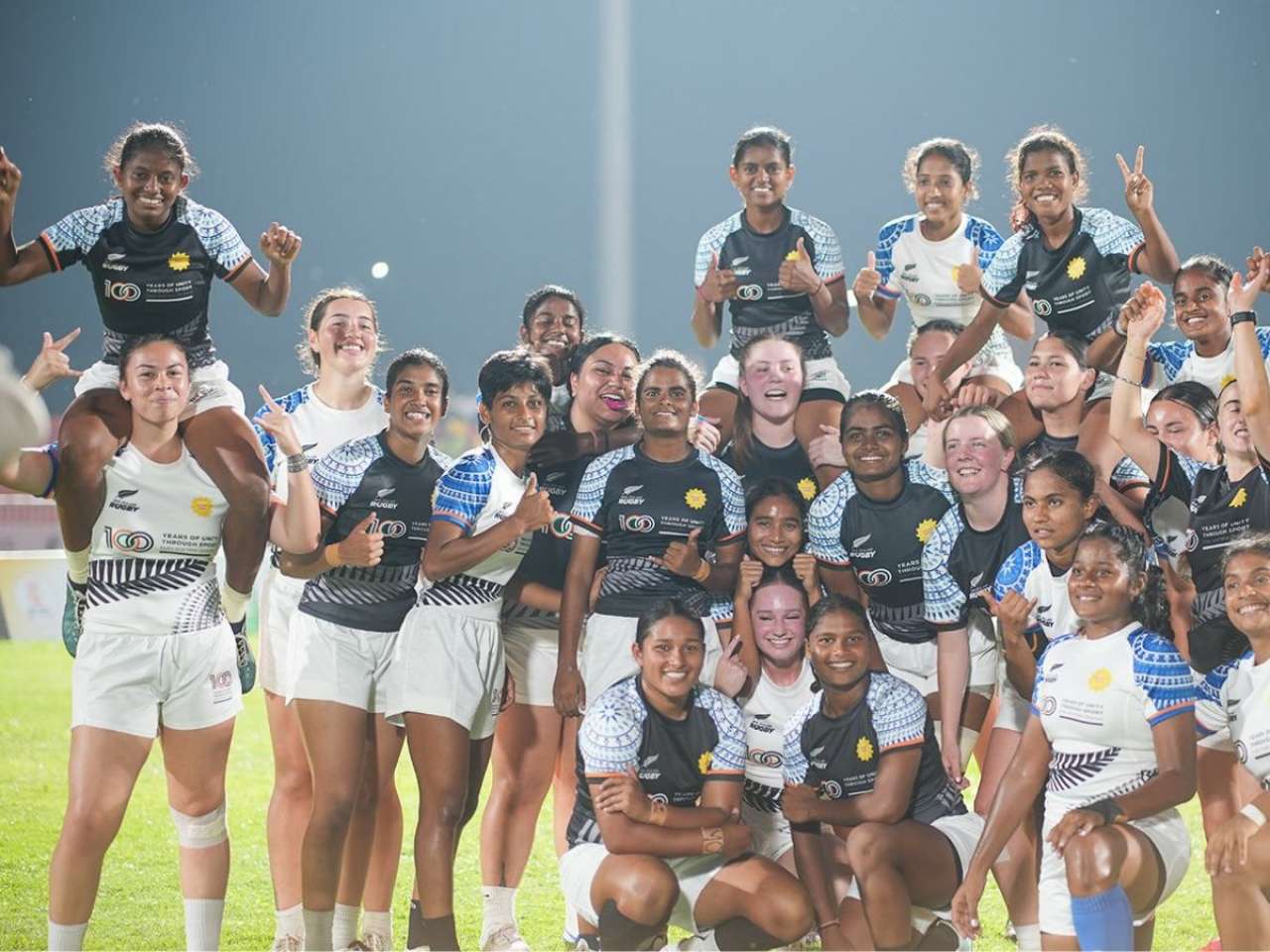
New Zealand, a nation synonymous with rugby excellence, boasts a formidable legacy in the sport. Their men’s national team, the All Blacks, have lifted the Rugby World Cup three times, while the women’s national team, the Black Ferns, have secured a staggering six World Cup titles. In stark contrast, India’s presence in the global rugby arena has historically been marginal, with no appearances at the Rugby World Cup and a ranking that places them outside the top tier even within Asia. This disparity in rugby heritage made the Indian team’s comprehensive victory all the more astonishing and compelling.
The visiting New Zealand team comprised 24 young Māori players invited from across their country, participating in a tour that held significant cultural and diplomatic weight, celebrating 100 years of sporting ties between India and New Zealand. While not the official national Under-20 squad, these athletes are steeped in a culture where rugby is akin to a religion, making their shutout a testament to India’s burgeoning talent and strategic development. The match was not just a game; it was a powerful statement of intent from Indian women’s rugby, signaling its emergence as a force to be reckoned with.
The Match Unfolds: India’s Dominance on the Field
The atmosphere at the Rajgir Sports Complex was charged with anticipation on October 27, as spectators gathered to witness a fixture that pitted the underdog spirit of India against the legendary rugby heritage of New Zealand. From the opening whistle, it was clear that the Indian Under-20 women were not intimidated by their opponents’ storied background. They approached the game with a clear strategy and an intensity that belied their relative inexperience on the global stage.

The first half saw India establish an early and crucial dominance. Playing with remarkable cohesion and tactical discipline, they launched several incisive attacks, breaching the New Zealand defense with impressive speed and agility. Their efforts culminated in two well-executed tries, demonstrating their ability to convert pressure into points. Both scores were met with thunderous applause, and a successful conversion further solidified their lead. By the halftime whistle, India had built a commanding 12-0 advantage, a lead that sent a clear message of their intent and capabilities. The composure and clinical finishing displayed in these initial minutes set the tone for the entire match.
As the second half commenced, the New Zealand Māori Invitational side, renowned for their resilience and skill, intensified their efforts to break through the Indian defense. They launched a series of powerful drives and intricate plays, pushing deep into Indian territory. However, the Indian team responded with an unwavering defensive masterclass. Their tackling was relentless, precise, and highly organized, effectively neutralizing every New Zealand offensive surge. Lineouts were contested fiercely, scrums held firm, and every loose ball was chased down with fervent determination. The players communicated effectively, shifting their defensive lines with fluidity and denying the Māori side any significant opportunities to cross the try line.
The final moments of the game saw India secure another crucial try, extending their lead to 17-0. This late score was a definitive exclamation mark on their performance, not only sealing the victory but also completing the unprecedented shutout. As the final whistle blew, a wave of jubilation swept across the Rajgir Sports Complex. The Indian players, exhausted but ecstatic, celebrated a victory born of sheer grit, tactical acumen, and years of dedicated effort. Their performance was a complete display of Rugby Sevens prowess, demonstrating that while the game is short, every minute demands absolute focus and execution. The 14-minute duration of a Sevens match often leads to unpredictable outcomes, but on this day, India meticulously controlled the narrative from start to finish.

Unpacking the Victory: Context, Nuance, and the Rise of Indian Rugby
The significance of India’s 17-0 triumph in Rajgir cannot be fully appreciated without a comprehensive understanding of the contextual factors at play. Far from diminishing the achievement, these details serve to highlight the profound implications of what transpired on October 27.
A Clash of Rugby Worlds: New Zealand’s Legacy vs. India’s Ambition
New Zealand’s status as a global rugby superpower is unparalleled. The All Blacks, their men’s national team, are arguably the most iconic team in world sports, renowned for their Haka and an almost mythical aura of invincibility. With three Rugby World Cup titles, their legacy is etched deep in the sport’s history. Equally dominant are the Black Ferns, the women’s national team, who have claimed an astonishing six World Cup victories, underscoring New Zealand’s comprehensive excellence across both genders. Rugby is woven into the very fabric of New Zealand society, a national obsession from grassroots to professional levels. Children grow up with a rugby ball in hand, immersed in the sport’s traditions and techniques.
In stark contrast, India is a cricketing nation, where rugby has historically struggled for recognition and resources. While football and field hockey also enjoy significant followings, rugby has remained largely on the periphery. India has never qualified for a Rugby World Cup, and even within Asia, it is not considered among the top-tier rugby-playing nations. This vast chasm in rugby heritage and development makes any victory, however qualified, against a New Zealand side a moment of profound symbolism and inspiration for the Indian sporting landscape. It challenges the established order and offers a glimpse of what is possible when dedication meets opportunity.

The Composition of the Opposition: Understanding the Māori Invitational Side
One of the most crucial points of clarification, as highlighted by DNA India, is the precise nature of the New Zealand team. The opponent was not the official New Zealand Under-20 national team, but rather a New Zealand Māori Invitational side. This group consisted of 24 talented young Māori players selected from various regions across the country, brought together for a tour designed to celebrate 100 years of sporting and cultural ties between India and New Zealand. The tour’s primary objectives were cultural exchange, fostering goodwill, and youth development, rather than a high-stakes international competitive fixture aimed at national team rankings.
However, to dismiss the strength of this invitational side would be a disservice to the Indian team’s accomplishment. These are still athletes hailing from a nation where rugby excellence is ingrained. Māori rugby has a rich and proud history within New Zealand, known for its flair, physicality, and deep connection to cultural identity. Players selected for such invitational tours are typically highly skilled, having come through competitive school and provincial rugby systems. They possess a natural understanding of the game’s nuances, exceptional athleticism, and a competitive spirit honed from a young age. Therefore, while not the "official" national U20 squad, they represented a significant challenge for an emerging rugby nation like India. Keeping such a team scoreless, irrespective of their specific designation, is a monumental achievement that underscores India’s defensive discipline and growing capability.
India’s Ascending Arc: Years of Dedicated Effort
The victory in Rajgir was not a sudden fluke but rather a testament to the sustained and dedicated efforts put into developing women’s rugby in India over the past few years. Rugby India, the sport’s governing body, along with various state associations and private academies, has been working tirelessly to promote the game, particularly among women and girls. This commitment is beginning to yield tangible results.

A prime example of this upward trajectory is the performance of India’s senior women’s rugby sevens team at the last Asian Games. Their sixth-place finish marked their best-ever showing at the continental event, demonstrating significant progress against established Asian rugby nations. During that tournament, they secured impressive victories over Malaysia (26-5) and Singapore (22-5), teams that are by no means pushovers. These results, though achieved by the senior squad, indicate a broader trend of improvement across all age groups within Indian women’s rugby. Investment in coaching, talent identification programs, and improved training facilities are gradually bearing fruit, creating a more competitive and skilled pool of players, from which this U20 team emerged. The Rajgir win is a direct reflection of this systemic enhancement and the growing depth of talent.
The Dynamics of Rugby Sevens: A Level Playing Field
The format of the match—Rugby Sevens rather than the traditional Rugby Fifteens—also played a significant role in making such an upset plausible. Rugby Sevens is a distinctly different game, characterized by its rapid pace, open spaces, and shorter duration. Played with seven players per side on a full-sized pitch, Sevens matches consist of two halves of just seven minutes each, a stark contrast to the grueling 80-minute battles of Fifteens.
In Rugby Sevens, individual speed, agility, quick decision-making, and exceptional fitness are paramount. The fewer players on the field mean that every tackle, every pass, and every sprint carries immense weight. The game can swing wildly in a matter of moments, with a single missed tackle or a brilliant individual run potentially leading to a try. This format tends to favor teams with explosive athletes and strong defensive organization, and it can, to a certain extent, level the playing field between traditional rugby powerhouses and emerging nations. While Fifteens often relies on superior forward packs and set-piece dominance, Sevens offers more opportunities for teams that might not have the same depth or physical size to compete effectively through strategic play and individual brilliance. India’s ability to adapt to and excel in this format was crucial to their success.

Tactical Brilliance and Unyielding Resolve: India’s On-Field Masterclass
Beyond the contextual factors, India’s victory was fundamentally earned through a superior on-field performance. The team executed their game plan with precision and demonstrated remarkable resilience. In attack, they capitalized on opportunities, showing clinical finishing to score crucial tries in the first half. Their ability to maintain possession, create space, and break through the New Zealand defensive line highlighted their growing offensive capabilities.
However, it was their defensive organization and unwavering resolve that truly stood out. As reported by The Times of India, India’s tackling was described as exemplary, and their defensive structure remained solid throughout the match. Denying a New Zealand team, even an invitational one, any points is an incredible feat in rugby. It requires immense physical courage, discipline, and a collective commitment to protecting the try line. Players like Akshaya NS, who expressed her awe at playing against a team she had previously only watched on video, transformed that respect into fierce competition, contributing to a collective effort that proved impenetrable. The Indian team’s ability to shut down attacking threats, make crucial tackles, and force turnovers showcased a maturity and tactical understanding that belies their experience.
Synergistic Development: The Power of Collaborative Training
A significant, yet often overlooked, factor contributing to India’s growing prowess is the collaborative efforts between Rugby India and New Zealand Rugby. This isn’t just about a single match; it’s part of a broader strategy of knowledge exchange and mutual development. In May 2026, for instance, New Zealand coaching experts conducted intensive training sessions for 35 Indian coaches in Bhubaneswar. Such initiatives are vital for elevating the standard of coaching across the country, ensuring that young players receive instruction grounded in global best practices.

Furthermore, during the Rajgir series itself, youth teams from both India and New Zealand engaged in joint training sessions and exchanged ideas. These shared experiences provide invaluable exposure for Indian players, allowing them to train alongside athletes from a top rugby nation, understand the pace and intensity of international rugby, and learn new strategies and techniques. This direct interaction helps bridge the gap in experience and accelerates the learning curve for Indian athletes, building confidence and fostering a deeper understanding of the game at an elite level. This long-term investment in collaborative development underscores a strategic approach to building India’s rugby future.
Voices from the Field and Beyond: Reactions and Perspectives
The historic victory in Rajgir elicited a wave of responses, from the elated players and coaches to national rugby officials and cultural representatives, all recognizing the multifaceted significance of the event.
Akshaya NS, Indian Under-20 Player: "It’s an unforgettable experience. Before this, I had only ever watched New Zealand rugby teams on video. To stand on the same field, to compete, and to win against them… it’s a dream come true. We worked incredibly hard, and this shows what we can achieve together. Every tackle, every run, it was for our team and our country." Her words capture the awe and determination that fueled the team’s performance.

Indian U20 Women’s Team Coach (hypothetical): "This win is a culmination of years of relentless effort and belief. We knew the challenge was immense, but we also knew the potential within our squad. Our defensive organization was superb, and the girls showed incredible heart and discipline. This isn’t just a win; it’s a statement. It validates the hard work of every player, every coach, and every official dedicated to Indian rugby. We are on the right path."
Rahul Bose, President, Rugby India (hypothetical): "The victory in Rajgir is a landmark moment for Indian rugby, particularly for our women’s program. It demonstrates that with focused development, strategic partnerships, and unwavering commitment, our athletes can compete and succeed against teams from the world’s most formidable rugby nations. This result will undoubtedly inspire a new generation of girls to take up the sport and elevate the profile of rugby in India. We are immensely proud of our U20 team."
New Zealand Māori Invitational Team Coach (hypothetical): "We came here for a cultural exchange and to celebrate the enduring sporting ties between our nations. While the result on the field wasn’t what we hoped for, we must commend the Indian team for their outstanding performance. They played with immense passion, skill, and defensive tenacity. This tour has been an invaluable experience for our young players, and it’s clear that Indian rugby is making significant strides. We leave with great respect for their dedication and potential."

A Senior Official from the Sports Authority of India (hypothetical): "This remarkable victory by our women’s rugby team underscores the growing diversity and strength of Indian sports beyond cricket. It highlights the importance of investing in non-traditional sports and providing our athletes with international exposure and quality training. The government is committed to supporting all sports, and this achievement serves as a powerful testament to the talent and determination of Indian women in sports."
Sports Analyst (hypothetical): "While it’s important to contextualize the nature of the New Zealand team and the Sevens format, India’s 17-0 win is unequivocally significant. It’s a huge psychological boost, demonstrating that their development programs are working. To shut out any New Zealand side, even an invitational one, speaks volumes about their defensive structure and commitment. This isn’t the finish line, but it’s a massive signpost on India’s journey towards becoming a more competitive rugby nation."
These reactions collectively paint a picture of pride, recognition, and a shared understanding of the victory’s deeper implications, both for sports development and cultural diplomacy.

Beyond the Scoreline: Implications and the Road Ahead
The 17-0 victory over the New Zealand Māori Invitational side is more than just a historical footnote; it is a powerful statement with far-reaching implications for Indian rugby and the broader sporting landscape in the country. It serves as both a celebration of progress and a stark reminder of the significant journey that still lies ahead.
A Catalyst for Growth: Inspiring a Nation
The immediate impact of this victory is its potential to serve as a powerful catalyst for growth. Such an upset, especially against a team associated with New Zealand, will undoubtedly garner unprecedented media attention for women’s rugby in India. This increased visibility is crucial for inspiring young girls across the country to consider rugby as a viable and rewarding sporting pursuit. In a nation where cricket dominates headlines, any success in "non-cricket" sports helps diversify sporting aspirations and provides alternative role models.
The victory can also generate much-needed interest from potential sponsors, investors, and government bodies, leading to increased funding for grassroots development programs, better infrastructure, and improved training facilities. More resources mean more opportunities for talent identification, nurturing, and progression, creating a virtuous cycle of development. It reinforces the narrative that Indian women in sports are capable of achieving international success, challenging traditional perceptions and fostering a culture of empowerment.

The Challenges that Remain: Sustaining Momentum
While the Rajgir win is a cause for celebration, it is crucial to recognize that it is a single step, not the culmination of the journey. To truly capitalize on this momentum, India faces several significant challenges. The primary objective must be to ensure this is not a flash in the pan but rather a consistent upward trend.
This requires:
- More International Exposure: Indian teams, at all age levels, need more regular competitive matches against international opponents. This will provide invaluable experience, allowing players to adapt to different styles of play and gauge their progress against diverse competition.
- Strengthening Domestic Competitions: A robust domestic league and tournament structure is essential for creating a deeper talent pool, providing consistent competitive opportunities for players, and identifying future stars. Without a strong national foundation, international success will remain sporadic.
- Investing in Advanced Coaching and Sports Science: Continuous professional development for coaches, access to sports scientists, nutritionists, and physiotherapists are vital for optimizing player performance, preventing injuries, and ensuring long-term athletic development.
- Clear Pathway from Grassroots to Elite: A well-defined and accessible pathway for young players, from initial interest at the school level to elite national representation, is critical for sustained success. This includes scholarships, academies, and mentorship programs.
- Converting Interest into Sustained Participation: The immediate excitement generated by the win needs to be channeled into sustained participation, ensuring that new recruits remain engaged with the sport and progress through the ranks.
Cultural Diplomacy Through Sport: A Lasting Legacy
Beyond the competitive aspect, the tour and the match itself served as a powerful example of cultural diplomacy through sport. Celebrating 100 years of sporting ties, the exchange fostered mutual respect and understanding between the two nations. The New Zealand Māori Invitational team’s presence in India, engaging with local communities and sharing their rich cultural heritage, created bonds that transcend the rugby field. Such interactions are invaluable, demonstrating how sport can be a bridge between diverse cultures, promoting goodwill and international cooperation. The lasting legacy of this event will not only be the scoreline but also the strengthened ties and shared experiences.

Charting a Course for the Future: India’s Rugby Vision
The Rajgir victory has undoubtedly emboldened India’s rugby vision. It demonstrates that the strategic investments and hard work are yielding dividends. The next steps involve meticulously charting a course for future success, including targeting specific Asian championships, and perhaps, in the longer term, aspiring for Rugby World Cup qualification. This will demand a sustained, multi-faceted approach focusing on player development, coaching excellence, infrastructure enhancement, and strategic international engagement.
The win against the New Zealand Māori Invitational side is not the finishing line for Indian women’s rugby; it is a significant and inspiring signpost. It unequivocally shows that when prepared well and provided with the right opportunities, Indian athletes can compete and hold their own against countries where rugby is deeply entrenched. It is a beacon of hope, a testament to resilience, and a clear indication that women’s rugby in India is moving forward, with a vast and promising ground yet to cover. The journey has truly just begun, and the world is now watching with renewed interest.