TECHNOLOGY
In a bold move signaling a renewed focus on the connected home, Apple has officially unveiled HomeView, a 7-inch smart home display poised to challenge the long-standing dominance of Amazon and Google. Priced at USD 299 and slated for a November launch, HomeView is not merely another smart screen; it is meticulously engineered as an extension of the iPhone, promising a deeply personalized Siri AI experience rooted in Apple’s unwavering commitment to privacy and simplicity. This launch marks Apple’s second significant foray into the home market, following the mixed fortunes of the HomePod in 2018, and represents a strategic pivot designed to capture a segment of users seeking a more integrated, secure, and intuitive smart home experience.
Main Facts: Apple’s HomeView – Simplicity as a Strategic Weapon
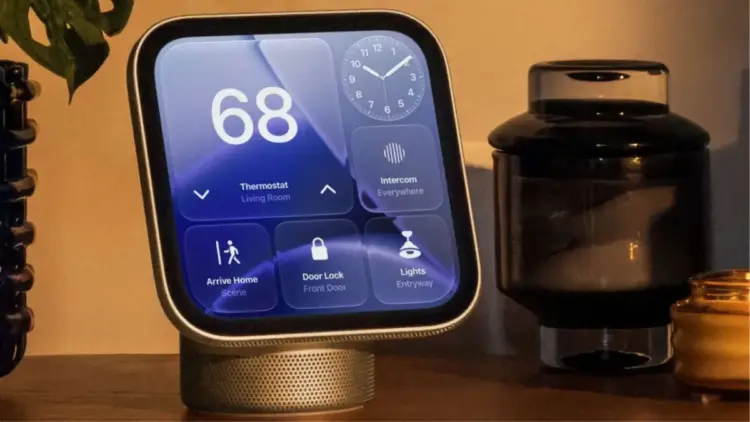
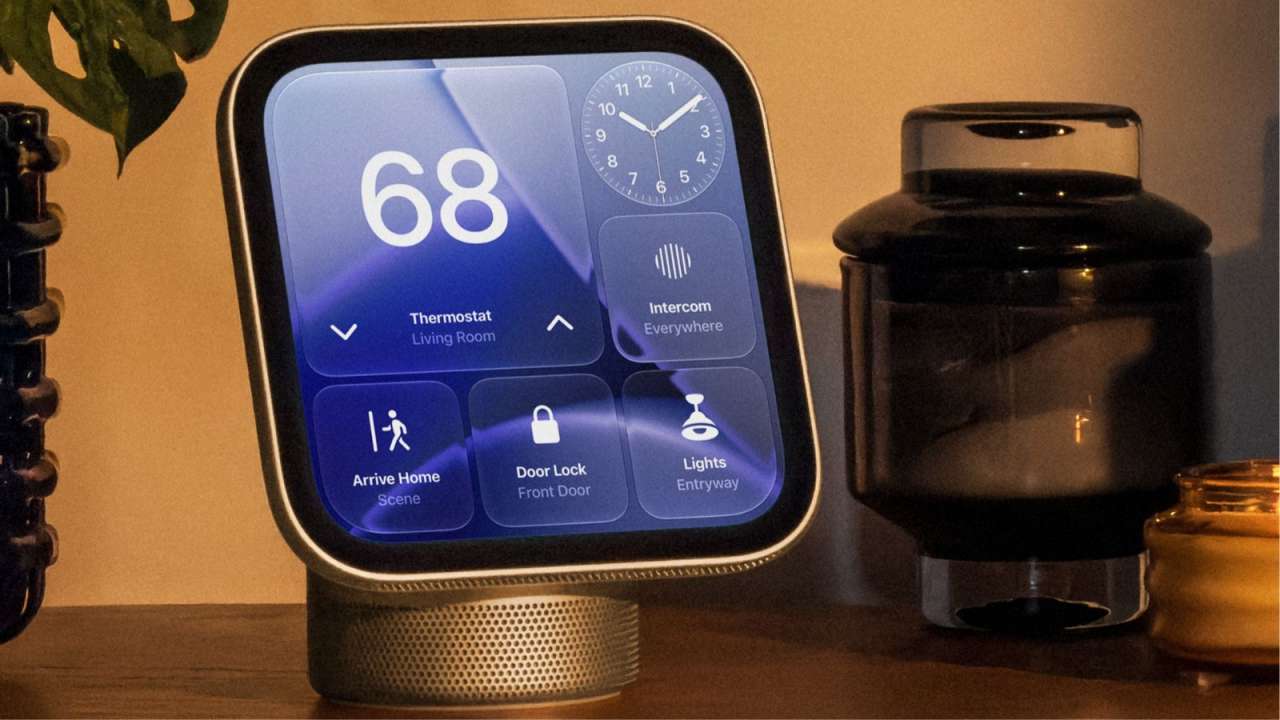
Apple’s new HomeView is a 7-inch touchscreen device designed to be the central, intelligent hub for an iPhone-centric smart home. Launched at a recent New York event, the device is characterized by its elegant, minimalist design, offering users the flexibility of an aluminum base for tabletop placement or wall-mounting. At its core, HomeView is a personalized interface, leveraging advanced camera and voice recognition to adapt its home screens with relevant apps, calendar appointments, and notifications tailored to the individual user present.
Unlike many of its competitors, HomeView does not store personal data directly on the device. Instead, it ingeniously relies on a nearby iPhone for contextual information and processing power, ensuring that sensitive data remains within the user’s trusted personal ecosystem. This architectural choice underscores Apple’s strategic emphasis on privacy, distinguishing HomeView from smart displays that often collect and process vast amounts of user data on cloud servers. While built-in Apple applications like FaceTime and Apple Music are seamlessly integrated, the device’s extension philosophy means that third-party services such as Spotify will require an active connection to an iPhone for full functionality.
The USD 299 price point positions HomeView firmly in the premium segment of the smart display market, notably higher than many offerings from Amazon and Google. However, Apple’s long-standing success in the high-end market, where the iPhone continues to thrive despite being more expensive than most Android counterparts, suggests a calculated risk. The company believes there is a significant, underserved market segment that values a simpler, more secure gadget that integrates seamlessly with their existing iPhone ecosystem, addressing common user frustrations around privacy and complexity in the current smart home landscape. This "boring" approach, as Apple frames it, is not a lack of innovation but a deliberate design choice focused on reliability, trust, and effortless functionality, aiming to provide a clear, user-friendly alternative in a crowded and often confusing market.
Chronology: Apple’s Journey and the Evolving Smart Home Landscape
Apple’s path to the smart home market has been characterized by both innovation and caution, contrasting sharply with the rapid expansion seen from its primary rivals.

Early Inroads and the HomePod Experiment (2015-2020)
Apple’s initial foray into smart home control began subtly with HomeKit in 2014, a software framework designed to allow users to configure, communicate with, and control connected accessories in their homes using iOS devices. While HomeKit provided a secure foundation, Apple lacked a flagship hardware device to anchor its ecosystem. This changed in 2017 with the announcement of the HomePod, which eventually launched in February 2018. Pitched primarily as a high-fidelity smart speaker, the HomePod aimed to differentiate itself through superior audio quality and deep integration with Apple Music and Siri. However, its premium price (USD 349 initially), coupled with Siri’s comparatively limited capabilities in smart home control and general knowledge compared to Alexa and Google Assistant, hampered its widespread adoption. By 2020, the HomePod’s market share for smart speakers lingered around 6%, a stark contrast to Amazon and Google’s dominant positions. Recognizing its limitations, Apple shifted strategy, discontinuing the original HomePod in March 2021 to focus on the more affordable HomePod mini, which offered improved smart home features and acted as a Thread border router.
The Rise of Competitors: Amazon Echo and Google Nest (2014-Present)
Concurrently, Amazon and Google aggressively carved out their territories in the smart home. Amazon launched the first Echo speaker in 2014, effectively pioneering the smart speaker category. Its success led to the introduction of the Echo Show in 2017, establishing the smart display as a new product category. Google followed suit with its Google Home speakers in 2016 and the Google Home Hub (later Nest Hub) in 2018, bringing its own AI assistant, Google Assistant, to the forefront. These companies quickly expanded their product lines, offering a wide range of devices at various price points, often leveraging aggressive pricing strategies to secure market share. Their open ecosystems, supporting a vast array of third-party devices and services, allowed them to build formidable smart home platforms with broad appeal. Over the past decade, both Amazon and Google have iterated rapidly, integrating cameras, advanced voice recognition, and new features like video calling, recipe guides, and entertainment hubs into their smart displays, making them household staples for many.

Matter and Apple’s Renewed Ambition (2022-Present)
Apple’s involvement in the Matter standard, an industry-unifying connectivity protocol for smart home devices launched in 2022, signaled its commitment to a more interoperable smart home future. Matter aims to simplify device setup and improve compatibility across different ecosystems, benefiting Apple by expanding the range of accessories that can work with HomeKit. Whispers and rumors of Apple developing a dedicated smart home display intensified throughout 2023 and early 2024, with reports suggesting a larger, iPad-like device or a smaller, more focused screen. These leaks pointed to Apple’s desire to create a central control point that went beyond a mere speaker. The official unveiling of HomeView at a New York event in October 2026 confirms these speculations, marking Apple’s decisive re-entry into the smart display segment. This move, coming years after its competitors established themselves, highlights Apple’s deliberate, long-term strategy, prioritizing a perfected user experience and privacy-centric design over being first to market. HomeView is positioned not just as a device, but as a statement about how Apple believes the smart home should work – seamlessly, securely, and simply.
Supporting Data: Market Dynamics and Apple’s Differentiating Factors
The smart home market is a rapidly expanding sector, yet it remains fragmented and complex. Understanding the underlying data reveals why Apple’s HomeView, despite its late entry and premium price, might find a niche.

The Smart Display Market Landscape
According to various market research firms, the global smart home market is projected to reach hundreds of billions of dollars by the end of the decade, with smart displays being a significant growth driver. As of recent reports, Amazon and Google collectively command over 70-80% of the smart display market. Companies like IDC and Canalys have consistently shown Amazon’s Echo Show and Google’s Nest Hub lines leading in shipments. These devices have gained traction by offering a blend of utility (weather, news, recipes), entertainment (video streaming, music), and communication (video calls).
However, despite their ubiquity, user satisfaction isn’t uniformly high, particularly regarding data privacy and the complexity of managing multiple smart home devices from different manufacturers. A significant portion of consumers express concerns about their smart speakers and displays listening in or collecting data without explicit consent. This precisely where Apple aims to differentiate itself. The original HomePod’s limited 6% market share wasn’t just about Siri’s intelligence; it was also about its higher price point relative to competitors, and its perceived lack of smart home interoperability at the time, issues Apple aims to address with HomeView’s tighter integration and Matter support.

Leveraging the Apple Ecosystem Strength
Apple’s greatest asset is its immense and loyal user base. With over a billion active iPhones worldwide, the company possesses an unparalleled ecosystem of users deeply integrated into its services, from iCloud to Apple Music and FaceTime. This "walled garden," often criticized, is also a powerful competitive advantage. iPhone users are known for their willingness to invest in complementary Apple products and services due to the seamless interoperability and consistent user experience.
- High Customer Retention: Apple consistently boasts high customer retention rates, indicating strong brand loyalty.
- Services Revenue: Apple’s services division is a multi-billion dollar business, demonstrating users’ engagement with the ecosystem beyond hardware. HomeView could further boost this by driving usage of Apple Music, Apple TV+, and FaceTime.
- Premium Market Position: Apple has proven it can succeed in premium markets despite higher price points. The iPhone’s sustained success against more affordable Android alternatives is a testament to this strategy. HomeView’s USD 299 price, while above average for smart displays, aligns with Apple’s premium positioning and target demographic.
Analysts like those at Counterpoint Research often highlight the "stickiness" of the Apple ecosystem, suggesting that a well-integrated device like HomeView could easily find a home among existing iPhone users looking to extend their digital experience into their living spaces.

The Privacy Imperative
Consumer awareness and concern over data privacy have surged in recent years. High-profile data breaches and revelations about how personal data is collected and utilized by tech companies have made privacy a key differentiator. Apple has proactively positioned itself as a champion of user privacy, often contrasting its policies with those of advertising-driven companies.
HomeView’s design reflects this commitment:

- On-device processing: Where possible, AI tasks and data processing occur locally on the device rather than in the cloud.
- iPhone as the data hub: By relying on a nearby iPhone for contextual data and personalization, HomeView minimizes its own data footprint, keeping sensitive information within the user’s personal device, which already has robust privacy controls. This decentralization of data storage is a powerful psychological comfort for privacy-conscious users.
- Clear user controls: Apple devices are known for transparent privacy settings, allowing users granular control over what data is shared and with whom.
This privacy-first approach is not just a marketing slogan; it’s a fundamental design principle that could attract users disillusioned with the data practices of other smart home platforms. In a market where trust is becoming as valuable as functionality, Apple’s HomeView positions itself as a secure harbor for personal information, potentially drawing in a significant segment of users who have hesitated to embrace smart displays due to privacy concerns.
Official Responses: Apple’s Vision and Industry Reactions
The unveiling of HomeView has elicited a range of responses, from Apple’s confident articulation of its strategic vision to the cautious optimism and skepticism of industry analysts.

Apple’s Official Narrative: Simplicity, Trust, and Ecosystem Extension
At the New York launch event, Apple executives underscored the philosophy behind HomeView, reiterating themes of "simplicity," "elegance," and "trustworthiness." While specific quotes from executives are often curated, the consistent messaging revolves around several key tenets:
- "Boring as a Strategy": Apple deliberately frames HomeView’s simplicity not as a lack of features, but as a strength. This "boring" is designed to instill confidence and predictability, contrasting with the often overwhelming and complex nature of current AI-driven smart home products. The aim is to create a device that "just works," blending seamlessly into daily life without demanding constant user attention or complex configurations.
- iPhone Extension: The core message is that HomeView is not a standalone product but a natural extension of the iPhone. This emphasizes deep integration, leveraging the iPhone’s processing power, data, and user interface for a consistent experience. It’s about bringing the familiarity and functionality of the iPhone to a communal home display.
- Personalized Privacy: Apple emphasized HomeView’s intelligent personalization through Siri AI, camera, and voice recognition, while simultaneously highlighting its privacy-by-design architecture. The device’s reliance on a nearby iPhone for sensitive data context and on-device processing for certain functions is presented as a fundamental differentiator, aiming to build user confidence in how their data is handled.
- Seamless Integration: Executives highlighted how HomeView enhances existing Apple services like FaceTime, Apple Music, and iMessage, making them more accessible and collaborative within a home setting. The potential for individual Spotify accounts via iPhone connection also speaks to Apple’s understanding of diverse user preferences.
This narrative positions HomeView not as a direct competitor in a feature-for-feature battle, but as a premium, secure, and integrated alternative designed specifically for the vast Apple ecosystem.

Analyst and Industry Reactions: Cautious Optimism and Lingering Questions
Initial reactions from tech analysts and industry commentators have been mixed but generally lean towards cautious optimism, tempered by recognition of the competitive landscape.
-
Positive Sentiments:

- Design and Build Quality: Many analysts praise Apple’s signature elegant design and premium build quality, which stands out in a market often dominated by utilitarian aesthetics.
- Privacy Differentiator: The privacy-first approach is widely seen as a strong selling point, particularly for consumers wary of Amazon and Google’s data collection practices. "Apple is leaning into its strongest suit – privacy – to carve out a niche," noted one tech journalist.
- Ecosystem Leverage: The deep integration with the iPhone ecosystem is viewed as a significant advantage, potentially making HomeView indispensable for loyal Apple users. "For iPhone owners, this could be the smart display they’ve been waiting for, offering a level of cohesion competitors can’t match," remarked an analyst from TechCrunch.
- Matter Support: The implicit benefit of Matter standard support, though not heavily emphasized in the initial press, suggests a future-proof device with broader smart home compatibility.
-
Areas of Skepticism/Concern:
- Price Point: The USD 299 price is a recurring point of contention. "It’s expensive for a smart display, especially considering what Amazon and Google offer at lower price points," commented a reviewer from The Verge. This could limit its appeal to non-Apple users or budget-conscious consumers.
- Siri’s Capabilities: Despite improvements, Siri’s reputation still lags behind Google Assistant and Alexa in terms of general knowledge and complex conversational abilities. Analysts question if Siri on HomeView will be powerful enough to deliver a truly superior AI experience. "Siri needs to be more than just ‘good enough’ to justify the premium," said one tech pundit.
- Late Entry: Entering a mature market where Amazon and Google have been iterating for nearly a decade presents a significant challenge. "Apple faces an uphill battle convincing users to switch from established ecosystems," warned an analyst from Gartner.
- HomePod’s Shadow: The memory of the original HomePod’s limited success casts a long shadow, prompting questions about whether HomeView can avoid similar pitfalls.
Competitor Reactions (Implied): While Amazon and Google have not issued direct public statements, their internal strategies will likely be influenced. They may respond by:

- Emphasizing value and breadth: Highlighting their wider range of devices, more affordable options, and broader third-party app support.
- Improving privacy messaging: Stepping up their own privacy assurances and offering more transparent data controls.
- Feature innovation: Continuing to push the boundaries of AI capabilities, entertainment, and smart home control in their existing lines.
Overall, the industry acknowledges HomeView’s potential as a premium, privacy-focused device within the Apple ecosystem, but its ultimate success will hinge on whether its "boring" strategy can truly resonate with a broad enough segment of consumers to overcome its price and the entrenched competition.
Implications: Reshaping the Smart Home Landscape
Apple’s introduction of HomeView carries significant implications, not only for the Cupertino giant but also for the broader smart home market and, ultimately, for consumers.

For Apple: A Crucial Test of Ecosystem Power
HomeView represents a critical strategic play for Apple, a second chance to establish a strong foothold in the heart of the connected home where the HomePod fell short.
- Strengthening Ecosystem Lock-in: By acting as an "iPhone extension," HomeView deepens the integration of Apple’s hardware and software, making its ecosystem even more compelling and harder to leave. It creates another touchpoint for Apple services, potentially boosting subscriptions for Apple Music, Apple TV+, and even iCloud storage. This strengthens the overall value proposition for iPhone users.
- Validating the "Privacy-First" Brand: The device’s privacy-centric design reinforces Apple’s core brand identity. If HomeView succeeds by appealing to privacy-conscious consumers, it validates Apple’s long-term strategy of differentiating through security and user trust, potentially influencing future product development across the company.
- Diversifying Hardware Revenue: While the iPhone remains Apple’s cash cow, HomeView adds another premium hardware offering, contributing to revenue diversification and potentially creating a new growth category for the company. Its success could pave the way for other dedicated smart home devices designed with the same "simple, secure, connected" philosophy.
- Siri’s Make-or-Break Moment: HomeView’s success is intricately tied to Siri’s performance. For the personalized AI to truly shine, Siri must demonstrate significant improvements in understanding context, handling complex commands, and integrating seamlessly with third-party services via the iPhone. This is a crucial test for Apple’s long-term AI strategy.
- Learning from HomePod: Apple appears to have learned from the HomePod’s limitations, particularly its initial isolation and Siri’s smart home deficiencies. HomeView, with its visual interface, direct iPhone dependency, and emphasis on broader smart home control (implied by Matter support), is a more comprehensive and arguably more mature attempt to tackle the home market.
For the Smart Home Market: A Shift Towards Premium and Privacy
Apple’s entry with HomeView is likely to send ripples through the entire smart home industry, forcing competitors to re-evaluate their strategies.

- Increased Focus on Privacy: Apple’s strong privacy stance will undoubtedly pressure Amazon and Google to enhance their own privacy features and messaging. Consumers may begin demanding more transparency and control over their data from all smart home device manufacturers, leading to an industry-wide improvement in privacy standards.
- Market Segmentation: HomeView reinforces a growing trend towards market segmentation. While Amazon and Google continue to dominate the mass market with a wide range of devices at various price points, Apple is firmly staking its claim in the premium segment. This could lead to clearer differentiation between "value" and "premium" smart home experiences.
- Innovation in Interoperability: Apple’s commitment to Matter, combined with HomeView’s role as a central hub, could accelerate the adoption of unified smart home standards. This would benefit consumers by simplifying device setup and improving compatibility across different brands, reducing the "walled garden" effect that has long plagued the smart home.
- Redefining the Smart Display: HomeView’s unique "iPhone extension" model could inspire new approaches to smart display functionality. Competitors might explore deeper integration with users’ primary mobile devices or develop more sophisticated on-device processing capabilities to address privacy concerns.
- The Battle for the "Digital Hub": The launch intensifies the ongoing battle among tech giants to be the central digital hub of the home. HomeView aims to solidify Apple’s position, challenging the established presence of Echo Show and Nest Hub devices that have long served this role.
For Consumers: More Choice, Higher Standards
For consumers, HomeView offers a new, potentially compelling option in a crowded market, but with its own set of considerations.
- A Premium, Private Choice: iPhone users now have a dedicated, deeply integrated smart display that aligns with Apple’s strong privacy ethos. This could be a significant draw for those who have held back from adopting smart displays due to privacy concerns or a desire for a more seamless Apple experience.
- Cost Considerations: The USD 299 price point will be a barrier for many, especially compared to the more affordable alternatives. Consumers will need to weigh the premium cost against the benefits of deep ecosystem integration and enhanced privacy.
- Ecosystem Dependence: While a strength for Apple users, HomeView’s reliance on the iPhone means it’s less appealing for Android users or those who prefer a more agnostic smart home setup.
- Evolving Expectations: Apple’s entry could raise consumer expectations for all smart displays, particularly regarding design, privacy, and seamless user experience. This could ultimately lead to better products across the board as competitors strive to keep pace.
In conclusion, Apple’s HomeView is more than just a 7-inch screen; it’s a strategic declaration. By embracing "boring" simplicity, leveraging its formidable ecosystem, and doubling down on privacy, Apple is attempting to carve out a distinct and potentially lucrative space in the smart home. Whether it can succeed where the HomePod faltered, and truly reshape consumer expectations for the connected home, will be a defining narrative in the coming years.

Find your daily dose of All Latest News including Sports News, Entertainment News, Lifestyle News, explainers & more. Stay updated, Stay informed- Follow DNA on WhatsApp.