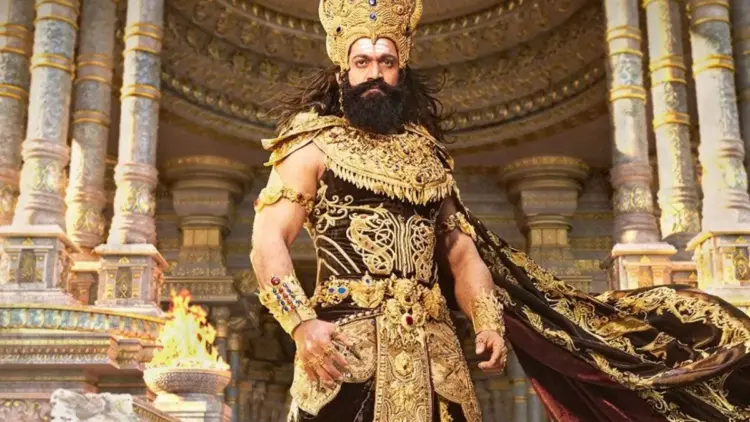
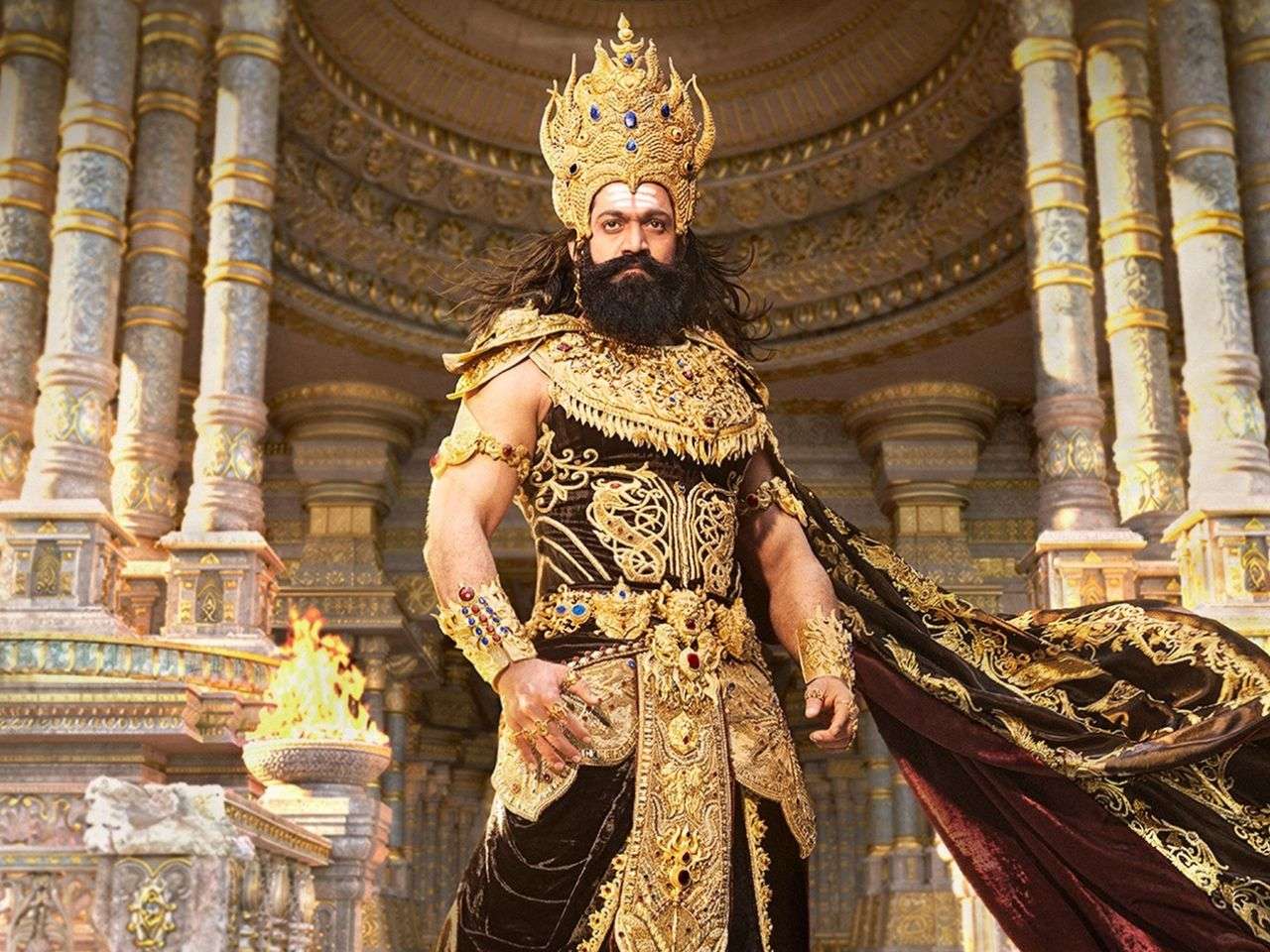
Mumbai, India – The much-anticipated cinematic adaptation of the Indian epic "Ramayana" is poised to offer audiences a fresh and profound perspective on the timeless tale of good versus evil. As promotional activities intensify for the grand production, actor Yash, renowned for his powerful portrayal of Rocky in the "KGF" franchise, has shed light on the ambitious vision behind this new rendition. Yash has revealed that the film will explore the epic from various viewpoints, notably delving into the complex character of Ravana, the formidable antagonist. He emphasized that understanding Ravana’s narrative is not just integral to the story but essential for a complete and relatable appreciation of Lord Rama’s triumph.
"Ramayana is incomplete without Ravana," Yash stated during a recent interaction, underscoring the symbiotic relationship between the protagonist and antagonist in this revered saga. "The victory of Lord Rama over Ravana is what makes this Indian epic timeless. That’s precisely what we’ve tried to convey in our interpretation." This approach promises to move beyond a simplistic black-and-white portrayal, inviting audiences to connect with both Rama and Ravana on a deeper, more human level, thereby fostering a more evolved and holistic understanding of the eternal battle between righteousness and darkness.
A Deeper Dive into the Epic’s Nuances
Yash’s insights suggest that this "Ramayana" will not shy away from the complexities and regional variations that have characterized the epic’s storytelling across centuries and diverse cultural landscapes. He highlighted the inherent beauty of Indian culture, which embraces multiple interpretations and perspectives, even those of the perceived villain.
The Multifaceted Nature of "Ramayana"
"The interpretations of the Ramayana are different in each state, different in each language," Yash explained. "There are many interpretations, and the beauty of our culture is that we see the story from everybody’s point of view. Through Ravana’s eyes also, people have tried to depict the story. So, I feel the beauty of this story is very relatable." This inclusive narrative strategy aims to resonate with a broader audience, acknowledging that the epic’s enduring appeal lies in its ability to reflect diverse human experiences and moral dilemmas.
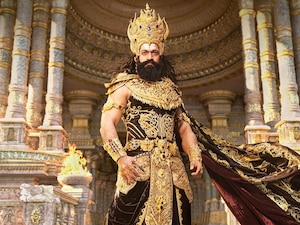
Ravana: More Than Just a Demon King
Beyond his villainous persona, Yash pointed out the significant multifaceted nature of Ravana, portraying him not merely as an adversary but as a character with profound dimensions. He elaborated on the lessons that can be gleaned from Ravana’s journey, offering a compelling argument for his pivotal role in the epic’s moral framework.
"There are two aspects of it," Yash elaborated. "When we want to achieve something, we learn and dedicate ourselves to some skill. When we get it, we become very powerful. After that, maintaining it is also important. In this story, Ravana is a learned scholar, musician, and a warrior. But there are elements where the decisions that are made have a domino effect. That is beautifully depicted."

Yash’s analysis emphasizes that Ravana embodies the consequences of unchecked power and flawed decisions, despite his formidable intellect and prowess. His character serves as a crucial counterpoint to Rama’s virtue, highlighting the delicate balance between achievement and ethical conduct. "One can relate to Rama; one can relate to Ravana… but how Rama has handled situations in life, that is something. To show that, we need Ravana," he asserted. This statement encapsulates the core of the film’s intent: to present a Ravana whose existence and actions are indispensable for the full appreciation of Rama’s ideals and virtues.
Strategic Release and Global Ambitions
The forthcoming "Ramayana" is slated for a theatrical release on November 5, 2026. This strategic timing, coupled with the ambitious vision of its creators, signals a broader aspiration for Indian cinema on the global stage.

A Vision for Indian Cinema on the World Stage
Yash concluded his remarks by expressing his belief that this is the opportune moment to showcase Indian films to a worldwide audience. Drawing parallels with the global phenomenon of Korean cinema, he asserted that Indian cinema, with its rich storytelling traditions and burgeoning talent, deserves similar international recognition.
"Just like Korean cinema is booming, Indian cinema also deserves it," Yash stated with conviction. "We have that vision, and thus everyone came together." This sentiment underscores a collective drive within the Indian film industry to transcend regional boundaries and establish a stronger global presence, with "Ramayana" positioned as a flagship project to achieve this goal.

Supporting Data and Context
The "Ramayana" is one of the two major Sanskrit epics of ancient India, with the other being the Mahabharata. It narrates the life of Prince Rama of Ayodhya, an avatar of the god Vishnu, whose wife Sita is abducted by the demon king Ravana of Lanka. The epic explores themes of dharma (righteousness), karma (action and consequence), duty, loyalty, and devotion.
Key Figures and Their Significance:

- Lord Rama: The protagonist, an embodiment of virtue, righteousness, and ideal kingship. His adherence to dharma and his unwavering commitment to justice are central to the epic.
- Ravana: The antagonist, the ten-headed king of Lanka. Despite his demonic nature, he is depicted as a learned scholar, a devout follower of Shiva, and a powerful warrior. His arrogance, ego, and unbridled desire lead to his downfall.
- Sita: Rama’s wife, an epitome of purity, chastity, and devotion. Her abduction and subsequent rescue form the central conflict of the epic.
Interpretations Across History:
The "Ramayana" has been subject to countless interpretations and adaptations across various languages, regions, and artistic mediums throughout history. From the original Sanskrit by Valmiki to regional variations like Kamban’s "Ramavataram" in Tamil and Tulsidas’s "Ramcharitmanas" in Awadhi, each retelling offers unique insights and cultural nuances. These diverse perspectives highlight the epic’s adaptability and its capacity to resonate with different societal values and beliefs. Yash’s emphasis on exploring Ravana’s point of view aligns with this tradition of reinterpreting the epic to uncover new layers of meaning and to foster a more empathetic understanding of its characters.

Implications for the Cinematic Landscape
The announcement of a "Ramayana" adaptation that prioritizes a nuanced portrayal of its characters, particularly Ravana, carries significant implications for the future of Indian cinema and its global reception.
Redefining Epic Storytelling on Screen
By choosing to explore the epic from multiple perspectives, the filmmakers are signaling a departure from conventional, hero-centric narratives. This approach has the potential to challenge audience perceptions and spark deeper discussions about morality, justice, and the complexities of human nature. The focus on relatability, even for the antagonist, suggests a move towards more sophisticated and character-driven storytelling in the realm of historical and mythological epics.

Enhancing Global Appeal
In an era where global audiences are increasingly receptive to diverse cultural narratives, a well-executed "Ramayana" with a multidimensional approach could achieve significant international success. By presenting a story that is both culturally rooted and universally resonant, the film has the potential to bridge cultural divides and introduce a wider audience to the richness of Indian mythology and storytelling. Yash’s vision aligns with the growing trend of globalizing Indian cinema, moving beyond niche markets to achieve mainstream international recognition.
Fostering Cultural Dialogue
The emphasis on understanding Ravana’s character can contribute to a more nuanced understanding of the epic’s moral complexities. It encourages viewers to look beyond simplistic notions of good and evil and to consider the motivations, flaws, and circumstances that shape individuals’ actions. This can foster a more critical and empathetic engagement with the epic, promoting cultural dialogue and understanding.

The upcoming "Ramayana," with Yash’s insights guiding its narrative framework, promises to be more than just a film; it aims to be a cultural statement, a testament to the enduring power of ancient stories, and a bold step forward for Indian cinema on the world stage. The release date of November 5, 2026, is eagerly awaited by audiences eager to witness this epic reimagined.