TECHNOLOGY
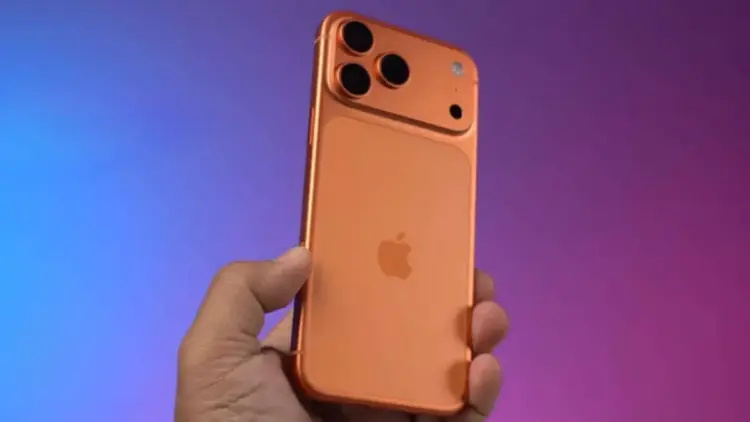
In a strategic move that redefines accessibility for premium technology, the much-anticipated iPhone 17 Pro, originally priced at a formidable Rs 1,34,900 in the Indian market, is poised to become attainable for an astonishingly low effective price, potentially dipping to just Rs 57,000 during the nation’s vibrant festive sales. This dramatic price reduction is not merely a discount but the culmination of carefully orchestrated exchange programmes, lucrative bank offers, and retailer-specific bonuses, creating an unprecedented window of opportunity for consumers aspiring to own Apple’s latest flagship device.
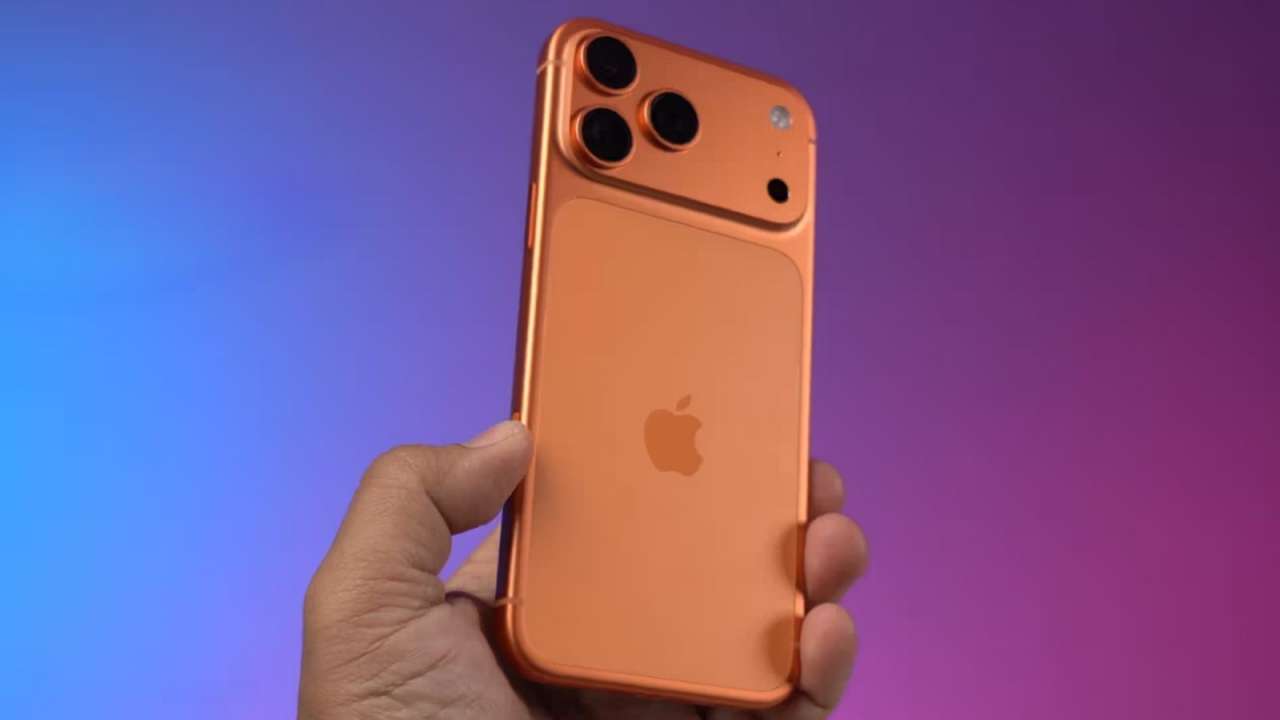
The allure of the iPhone 17 Pro, with its cutting-edge features, superior camera system, and unparalleled ecosystem integration, has always commanded a premium. However, the prevailing market dynamics in India, characterised by fierce competition and a highly price-sensitive yet aspiration-driven consumer base, necessitate innovative strategies to penetrate deeper into the market. The festive season, traditionally a period of heightened consumer spending and celebratory purchases, provides the perfect canvas for such aggressive promotional tactics. This article delves into the intricate mechanisms behind these offers, tracing their evolution, examining the supporting data, exploring the perspectives of key stakeholders, and analysing the broader implications for the Indian smartphone landscape.
Main Facts: A Paradigm Shift in Premium Smartphone Accessibility
The core narrative revolves around the remarkable transformation of the iPhone 17 Pro’s pricing. Launched with a base price of Rs 1,34,900 in India, placing it squarely in the ultra-premium segment, the device often remains a distant dream for many. However, through a potent combination of festive season incentives, consumers are now presented with the realistic prospect of acquiring this high-end smartphone for an effective cost ranging between Rs 57,000 and Rs 70,000. This substantial reduction, representing a discount of over 57% from its original price at its lowest point, signifies a pivotal shift in how premium devices are marketed and consumed in India.
The "effective price" here is a critical distinction. It doesn’t imply an outright cash discount from Apple or retailers on the product’s MRP. Instead, it refers to the net amount a consumer pays after leveraging multiple concurrent offers:
- Exchange Value: Trading in an older smartphone for a significant credit.
- Exchange Bonus: An additional incentive provided by retailers on top of the base exchange value.
- Bank Offers: Instant discounts or cashback facilitated through credit and debit card transactions.
The interplay of these three components dictates the final out-of-pocket expense for the buyer. The exact effective price hinges heavily on the model and condition of the smartphone being exchanged, alongside the specific terms and conditions stipulated by the chosen retailer and banking partner. This complex yet rewarding ecosystem of discounts democratises access to flagship technology, allowing a broader spectrum of consumers to experience the latest innovations without the full burden of the initial sticker shock.

Chronology: The Evolution of Festive Discounting
The journey towards such compelling offers on a device like the iPhone 17 Pro is not spontaneous but a carefully planned annual ritual, deeply embedded in India’s retail calendar.
The Pre-Festive Buzz: Anticipation Builds
Months leading up to the major festive sales, particularly those coinciding with Diwali, Dussehra, and other significant holidays, the market begins to hum with anticipation. Retailers, e-commerce giants, and even financial institutions initiate subtle campaigns, teasing upcoming deals and encouraging consumers to hold off on purchases. For Apple and its distribution partners, this period involves meticulous inventory planning and strategic negotiations with banks to secure lucrative cashback and EMI options. While Apple itself maintains a premium brand image by rarely offering direct discounts, it empowers its authorised resellers and e-commerce partners to formulate aggressive sales strategies. The goal is to generate excitement and position their offerings as the most attractive during the impending shopping frenzy. Early bird notifications, wishlist creation options, and "coming soon" banners become common sights across online platforms, priming consumers for the impending bonanza.

The Festive Season Launch: The Gates Open
The true unveiling of these stacked offers typically occurs with the commencement of major festive sales events. For online platforms, this often translates into flagship events like Flipkart’s "Big Billion Days" or Amazon’s "Great Indian Festival." Brick-and-mortar giants like Reliance Digital and Croma launch their own parallel "Festive Dhamaka" or "Mega Sale" campaigns. These sales usually span several days to a couple of weeks, with different phases often introducing new deals or intensifying existing ones.
Initially, the focus might be on attractive exchange values, followed by the introduction of limited-time exchange bonuses for specific premium models. Bank offers, which are usually a constant throughout the sale period, become particularly effective when combined with these exchange benefits. The most aggressive pricing, where the iPhone 17 Pro can reach the lowest effective price point of Rs 57,000, typically occurs during specific "flash sale" windows or as part of a bundle that maximises all available discounts. These windows are often short-lived, designed to create urgency and drive immediate purchase decisions.

Phased Offer Rollouts and Strategic Stacking
The sophistication of these sales lies in their phased approach and the ability to stack multiple discounts.
- Phase 1: Base Exchange Value: The initial offer often highlights the high base exchange value for older premium smartphones. This encourages consumers to consider upgrading.
- Phase 2: Exchange Bonus Introduction: A few days into the sale, or for specific premium models, an additional exchange bonus (Rs 10,000 – Rs 12,000) is introduced. This sweetens the deal significantly, especially for those upgrading from relatively newer flagship devices.
- Phase 3: Bank Offers as the Final Layer: Throughout these phases, bank offers (Rs 3,000 – Rs 4,000 instant discount/cashback) are consistently available. This provides the final crucial layer of savings, pushing the effective price down further.
- No-Cost EMI: Alongside discounts, no-cost EMI options are prominently featured, allowing consumers to spread the cost over several months without incurring interest, thereby enhancing affordability.
This staggered and layered approach ensures continuous consumer engagement and provides multiple entry points for buyers, culminating in the deepest discounts for those who meticulously combine all available offers.

Supporting Data: Deconstructing the Discount Mechanisms
Understanding how the iPhone 17 Pro’s price transforms from Rs 1,34,900 to potentially Rs 57,000 requires a detailed examination of each component of the discount strategy.
The Cornerstone: Smartphone Exchange Programs
The most significant contributor to the effective price reduction is the smartphone exchange programme. Retailers offer substantial value for older devices, making the upgrade path financially viable.

- Value Determination: The exchange value is meticulously calculated based on several factors:
- Brand and Model: Premium brands like Apple, Samsung, and OnePlus generally fetch higher values. Newer generations within these brands (e.g., iPhone 15 Pro Max vs. iPhone X) command superior returns.
- Age: Newer devices naturally have better resale value.
- Storage Capacity: Higher storage variants often yield slightly more.
- Physical Condition: This is paramount. A device in "excellent" condition (no dents, scratches, fully functional, original display, battery health above a certain threshold) will receive the maximum quoted value. Devices with minor wear and tear or functional issues will see their value reduced significantly.
- Functionality: All features (camera, speakers, ports, Face ID/Touch ID) must be fully functional.
- Typical Exchange Values: For eligible premium phones like an iPhone 14 Pro or an iPhone 15 in pristine condition, retailers such as Reliance Digital, Croma, and Flipkart are known to offer an exchange value ranging from Rs 44,500 to Rs 55,000. For instance, an iPhone 15 Pro Max, a generation older, could easily fetch Rs 50,000-55,000, while an iPhone 14 Pro might bring in Rs 45,000-50,000. Even certain high-end Android flagships from the past two years, if well-maintained, can qualify for values in the Rs 30,000-40,000 range. Older Android models or those in poorer condition will naturally yield much lower returns.
- The "Effective Price" Calculation: If a consumer exchanges an iPhone 15 Pro Max for Rs 55,000, the base price of the iPhone 17 Pro (Rs 1,34,900) immediately drops to Rs 79,900. This is the first and largest chunk of savings.
The Added Sweetener: Exchange Bonuses
To further incentivise upgrades and differentiate their offers, retailers provide an additional exchange bonus during festive sales.
- Purpose: These bonuses are designed to bridge the gap between the actual market value of an old phone and a more attractive trade-in value, making the new purchase seem even more compelling. They also serve to clear inventory of older premium models.
- Value and Conditions: This bonus typically ranges from Rs 10,000 to Rs 12,000. It’s usually applicable for a limited time and often restricted to exchanges of specific, higher-end smartphone models (e.g., trading in an iPhone 14 series or newer, or flagship Android devices).
- Impact: Adding a Rs 12,000 exchange bonus to our previous example (where the price was Rs 79,900 after base exchange), the cost further reduces to Rs 67,900.
The Final Push: Bank Offers and No-Cost EMI
Bank offers represent the final, yet crucial, layer of savings, often making the difference between a good deal and an irresistible one.

- Types of Offers:
- Instant Discounts: A direct reduction in price applied at the point of sale when using an eligible credit or debit card.
- Cashback: The full amount is charged, and a portion is credited back to the cardholder’s account within a stipulated period.
- No-Cost EMI: Allows customers to pay for the device in interest-free instalments over 3, 6, 9, or 12 months, significantly easing the financial burden and making high-value purchases more manageable.
- Typical Savings: These offers usually provide an instant discount or cashback of Rs 3,000 to Rs 4,000. Leading banks like HDFC Bank, ICICI Bank, State Bank of India, and Axis Bank are frequent partners in these promotions.
- Eligibility: It is paramount for consumers to verify the eligible cards, minimum transaction amounts, and any other specific terms before making a payment.
- Final Calculation: Applying a Rs 4,000 bank discount to the Rs 67,900 figure from our example brings the effective price down to Rs 63,900. This is how the advertised range of Rs 57,000-70,000 is achieved, with the lower end requiring the absolute best exchange value, maximum bonus, and highest bank discount.
Retailer Strategies: Where to Find the Best Deals
The competitive landscape among major retailers in India plays a pivotal role in shaping these aggressive offers.
- Reliance Digital: Frequently cited for offering some of the best combined deals. Their strategy often involves aggressive exchange values, competitive bonuses, and strong partnerships with banks, allowing them to stack offers effectively. Their wide network of physical stores also provides an advantage for in-person exchange evaluations.
- Croma: Another major electronics retailer, Croma runs similar stacked offers during festive sales. They focus on providing a seamless customer experience, including transparent exchange processes.
- Flipkart: As an e-commerce giant, Flipkart’s "Big Billion Days" sale is a prime time for iPhone discounts. They excel in reach and often offer competitive exchange programs integrated directly into their online purchase flow, alongside attractive bank discounts.
- Amazon India: While not explicitly mentioned in the original snippet, Amazon’s "Great Indian Festival" is another significant player, often mirroring or competing directly with Flipkart’s offers, especially on premium smartphones.
Consumers are strongly advised to compare prices and offers across these platforms, both online and offline, as terms and values can fluctuate rapidly during the sales period. The total amount paid is ultimately dependent on the specific model and condition of the old phone being traded in.

Official Responses: Perspectives from Key Stakeholders
While direct quotes are rare for ongoing sales strategies, the general stance and objectives of the major players involved can be inferred.
Apple’s Indirect Endorsement
Apple Inc. traditionally maintains a premium brand image globally, rarely engaging in direct price cuts on its latest models. However, its strategy in growth markets like India is nuanced. By empowering its authorised distributors and retail partners to offer such aggressive schemes, Apple indirectly facilitates wider adoption of its devices. This strategy allows Apple to:

- Maintain Premium Perception: The official MRP remains high, preserving the brand’s luxury status.
- Expand User Base: Discounted effective prices make iPhones accessible to a broader demographic, pulling in new users into the Apple ecosystem.
- Drive Services Revenue: More iPhone users translate to increased revenue from the App Store, Apple Music, iCloud, and other services.
- Compete Effectively: These offers help Apple compete against formidable Android flagships which often come with aggressive launch pricing and promotional bundles.
Retailers: Driving Volume and Loyalty
For retailers like Reliance Digital, Croma, Flipkart, and Amazon, these festive sales are critical to their annual performance. Their objectives include:
- Maximising Sales Volume: Festive periods are the biggest revenue generators. Aggressive discounts on aspirational products like the iPhone 17 Pro drive significant sales.
- Clearing Inventory: Such promotions help move large volumes of stock, preparing for future models and maintaining healthy inventory cycles.
- Customer Acquisition and Loyalty: Attracting new customers and rewarding existing ones through compelling offers fosters loyalty. The exchange program, in particular, locks customers into an upgrade cycle within the retailer’s ecosystem.
- Market Share Gains: In a highly competitive market, offering the best overall deal can shift market share significantly.
A spokesperson from a leading electronics retail chain, speaking anonymously, might comment, "Our festive sales are designed to make premium technology more accessible to the Indian consumer. By combining robust exchange values with exclusive bank offers and our own bonuses, we aim to provide an unmatched value proposition. It’s about empowering customers to upgrade to the latest innovations without compromising their budget."

Financial Institutions: Expanding Reach and Usage
Banks participating in these offers view them as strategic partnerships with major retailers and brands. Their goals include:
- Increasing Card Usage: Promoting credit and debit card usage, especially for high-value transactions.
- Customer Acquisition: Attracting new customers seeking lucrative offers and no-cost EMI options.
- Loan Book Growth: For EMI options, it represents a growth in their consumer lending portfolio, albeit interest-free for the consumer.
- Brand Visibility: Association with popular products and retailers enhances their brand presence.
A bank representative might state, "Our collaboration with leading retailers during the festive season is a win-win. It allows us to offer tangible benefits to our cardholders, making high-value purchases more affordable, while simultaneously driving transaction volumes and expanding our customer base."

Consumer Advocacy and Expert Opinion
Technology analysts and consumer advocacy groups would likely laud these strategies as beneficial for the consumer, provided due diligence is exercised.
- Value for Money: Such offers represent excellent value for money for those who can leverage all components effectively.
- Informed Decision-Making: Experts would advise consumers to carefully compare offers, understand the terms and conditions of exchange programs (especially regarding phone condition), and verify bank eligibility.
- Avoid Impulse Buys: Despite the allure, responsible purchasing decisions are encouraged, ensuring the purchase aligns with actual needs and budget.
Implications: Reshaping the Premium Smartphone Landscape
The aggressive pricing strategies for devices like the iPhone 17 Pro during festive sales have far-reaching implications across various facets of the technology and retail ecosystem.

For Consumers: Enhanced Accessibility and Upgrade Cycles
The most direct impact is on the consumer. The drastic reduction in effective price makes a flagship device, otherwise out of reach for many, an attainable dream.
- Democratisation of Premium Tech: It brings cutting-edge technology to a wider audience, reducing the barrier to entry for the Apple ecosystem.
- Accelerated Upgrade Cycles: Consumers are incentivised to upgrade their older devices more frequently, driving adoption of newer technologies.
- Financial Planning: No-cost EMI options allow for better financial management, spreading the cost without additional burden.
- Informed Purchasing: It fosters a culture of smart shopping, where consumers actively seek out and combine offers.
However, consumers must also be wary of potential pitfalls, such as overestimating the exchange value of their old phone or overlooking specific terms and conditions.

For Retailers: Sales Surge and Competitive Dynamics
For retailers, these sales are a double-edged sword: a massive opportunity for revenue but also a period of intense competition.
- Record Sales Volumes: Festive periods often break previous sales records, driven by aspirational purchases.
- Inventory Management: Effective strategies are crucial for managing large inventories and ensuring supply meets demand.
- Intensified Competition: Retailers are locked in a fierce battle to offer the most attractive deals, which can sometimes squeeze margins.
- Customer Lifetime Value: Successful sales not only result in immediate purchases but also contribute to long-term customer relationships and potential future upgrades.
For Apple: Market Share Expansion and Ecosystem Growth
While Apple doesn’t directly discount, the success of these retail promotions is crucial for its strategic objectives in India.

- Increased Market Share in Premium Segment: Lower effective prices help Apple solidify and expand its dominance in India’s rapidly growing premium smartphone segment.
- Ecosystem Lock-in: Each new iPhone user represents a potential long-term customer for Apple’s lucrative services, including apps, music, cloud storage, and other hardware like Apple Watch and AirPods.
- Brand Loyalty: Experiencing the Apple ecosystem at an accessible price point can convert users into loyal brand advocates.
- India as a Strategic Market: These strategies underscore India’s growing importance as a key market for Apple, moving beyond just manufacturing to significant consumer sales.
For the Indian Smartphone Market: Premiumisation Trend and Competitive Pressure
The trend of aggressive discounting on premium devices has broader implications for the Indian smartphone market.
- Accelerated Premiumisation: It further fuels the trend of consumers migrating from mid-range to premium devices, indicating a growing disposable income and aspiration.
- Pressure on Android Flagships: While Android flagships also employ similar strategies, the aggressive pricing on iPhones during sales can put additional pressure on competitors to offer even more compelling value propositions.
- Dynamic Market: The market remains highly dynamic, with constant innovation in pricing strategies, product bundling, and customer engagement.
- Economic Stimulus: The sheer volume of transactions during festive sales contributes significantly to economic activity.
Future Outlook: Sustainability and Evolution of Offers
Looking ahead, it is highly probable that these aggressive festive season sales will continue to be a cornerstone of the Indian smartphone market. Retailers and manufacturers will likely refine their strategies, potentially introducing even more sophisticated bundled offers, AI-driven personalised discounts, and seamless upgrade programs. The focus will remain on making high-end technology accessible, ensuring sustained growth in a market that continues to be defined by aspiration meeting affordability. As India’s economy grows and digital penetration deepens, such strategic pricing will be key to unlocking the full potential of the premium smartphone segment, transforming what was once an exclusive luxury into an achievable aspiration for millions.

Find your daily dose of All Latest News including Sports News, Entertainment News, Lifestyle News, explainers & more. Stay updated, Stay informed- Follow DNA on WhatsApp.