NEW YORK, NY – Apple is poised to make a significant statement in the burgeoning smart home market with its highly anticipated "Welcome Home" event, scheduled for October 13 in New York. The tech giant’s latest presentation is expected to center on a suite of new and updated smart home products, headlined by the rumored HomePad hub, a revamped HomePod mini, and a powerful new Apple TV 4K. This event signals a renewed and aggressive push into an ecosystem where Apple has historically faced stiff competition, aiming to solidify its position through seamless integration, advanced AI, and a strong emphasis on user privacy.
The "Welcome Home" moniker itself is laden with symbolism, suggesting Apple’s intent to position its devices not merely as gadgets, but as integral, comforting components of daily domestic life. With industry watchers keenly observing, this event could mark a pivotal moment for Apple’s ambient computing ambitions, leveraging its vast user base and robust ecosystem to redefine the connected home experience.
Main Facts: A Glimpse into Apple’s Smart Home Future
The October 13 event, commencing at 9 am ET (6:30 pm IST), is not just another product launch; it’s branded as an "Apple Experience," hinting at a more immersive and demonstrative presentation than a traditional keynote. This format change underscores the company’s desire to showcase how these new devices interact and integrate into a cohesive smart home environment.
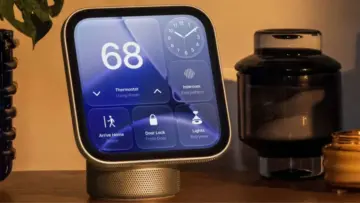
The star of the show is widely expected to be the "HomePad," Apple’s inaugural dedicated home hub. This device is anticipated to feature a 6-inch display, offering a visual interface for smart home controls, Apple apps, and communication. Reports suggest it will be available in two distinct form factors: a wall-mountable version for fixed installations and a model with a speaker base, designed for versatile placement on tables and countertops. Its operating system, dubbed homeOS and reportedly based on tvOS, is expected to support widgets, a calendar, and comprehensive smart home management. Beyond basic controls, the HomePad is rumored to integrate a camera for FaceTime calls and recipe videos, alongside sophisticated presence sensors utilizing both voice and facial recognition to personalize interactions for different family members. Pricing is speculated to start around USD 350 (approximately Rs 33,000), placing it in the premium segment of the smart display market.
Accompanying the HomePad will be a refreshed HomePod mini, a device that has already carved out a niche for itself as an affordable entry point into Apple’s smart speaker ecosystem. The update is expected to bring significant internal enhancements, including a faster processor, a new N1 networking chip, and support for cutting-edge connectivity standards like Wi-Fi 7, Bluetooth 6, and Thread. While its design is likely to remain consistent, new color options and advanced AI features for Siri are also anticipated.
Finally, the new Apple TV 4K is set to receive a substantial upgrade, integrating the same N1 chip as the HomePod mini, an A19 or A19 Pro chip for enhanced performance, and up to 12GB of RAM. These improvements promise not only a smoother streaming and gaming experience but also deeper integration with Siri’s evolving AI capabilities, further cementing its role as a central entertainment and smart home hub.

Chronology: Apple’s Journey to "Welcome Home"
Apple’s foray into the smart home has been a journey marked by both innovation and cautious steps. Its initial major push came with HomeKit, a framework introduced in 2014, designed to allow users to control smart home accessories securely from their Apple devices. While lauded for its emphasis on privacy and security, HomeKit’s early adoption was slow, hampered by a limited selection of compatible accessories and a somewhat complex setup process.
The launch of the original HomePod in 2018 was Apple’s first dedicated smart speaker, positioned primarily as a premium audio device with integrated Siri. Despite its exceptional sound quality, its high price point and Siri’s initial limitations in smart home control meant it struggled to gain significant traction against Amazon’s Echo and Google’s Home devices, which offered broader third-party integration and more competitive pricing. The original HomePod was eventually discontinued in 2021, making way for a renewed focus on its more accessible sibling.

The HomePod mini, introduced in 2020, proved to be a strategic turning point. Its compact size, attractive price, and improved Siri capabilities, combined with the inclusion of Ultra Wideband (UWB) for precise device location and Thread support for enhanced smart home connectivity, made it a much more compelling offering. It quickly became a popular choice for users looking to expand their HomeKit ecosystems.
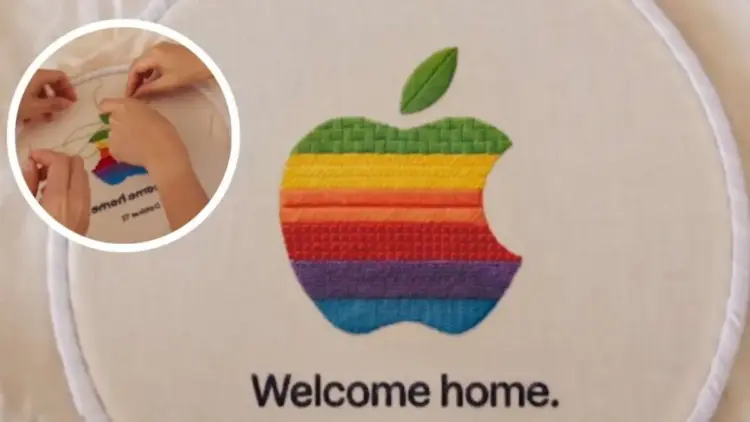
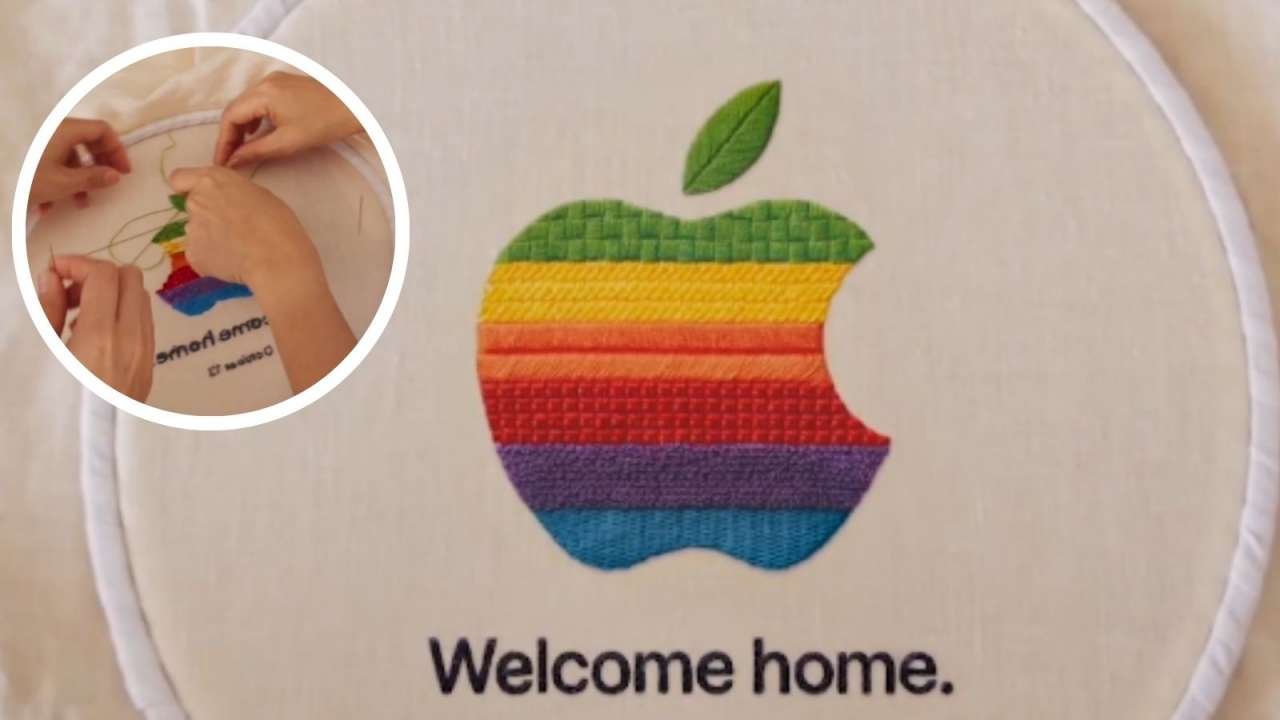
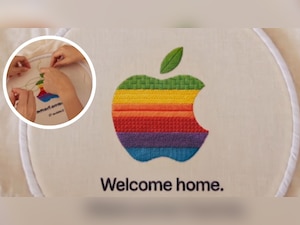
The announcement of the "Welcome Home" event itself was subtly orchestrated. Apple’s Marketing Chief Greg Joswiak teased the event on X (formerly Twitter) with a retro Apple logo animation. This visual cue, reminiscent of Apple’s early computing days, has been widely interpreted as a nod to the Thread smart home standard, which uses mesh networking for robust device communication, and a broader embrace of interoperability. The deliberate choice of "Apple Experience" over "keynote" also suggests a shift towards a more interactive and hands-on demonstration, allowing the company to showcase the seamless integration of its new smart home offerings in a practical context. This careful choreography of teasers and branding underscores Apple’s strategic intent to make this a landmark event for its smart home ambitions.

Supporting Data: Decoding the Specifications and Features
The anticipated features of the new products paint a picture of a more cohesive, intelligent, and user-centric smart home ecosystem from Apple.
The HomePad: A Centralized Control Hub
The rumored HomePad represents Apple’s most ambitious smart home hardware to date. Its 6-inch screen is a crucial differentiator, offering a visual interface that goes beyond voice commands. This display size is optimal for several use cases:

- Video Communication: A built-in camera enabling FaceTime calls directly from the device allows families to stay connected, akin to a kitchen-based video phone. This directly challenges devices like the Google Nest Hub Max.
- Interactive Content: Recipe videos, instructional guides, and perhaps even light entertainment could be consumed directly on the screen, adding utility to common household tasks.
- Visual Smart Home Control: Widgets for quick access to lights, thermostats, security cameras, and other HomeKit accessories offer an intuitive, touch-based control method, complementing Siri’s voice commands.
- Personalized Information: Integration with a calendar, reminders, and Apple apps (like Apple Music or News) could provide glanceable information tailored to the user.
The choice of two models—wall-mountable and speaker base—demonstrates a thoughtful approach to diverse home aesthetics and user preferences. The wall-mountable version could serve as a dedicated command center in a central location, while the speaker base model offers flexibility for placement on kitchen counters, nightstands, or living room tables.
The homeOS operating system, based on tvOS, suggests a familiar, intuitive interface for existing Apple users. Leveraging tvOS’s strengths in content consumption and visual navigation, homeOS could offer a robust platform for managing smart home devices, media, and communication. The inclusion of presence sensors with voice and facial recognition is a significant leap forward. This technology could enable personalized greetings, automatically adjust settings (lighting, temperature, music) based on who is in the room, and provide tailored information, enhancing both convenience and security. Imagine walking into a room and the HomePad instantly recognizing you, displaying your schedule, and playing your favorite playlist. The estimated price of USD 350 positions it as a premium smart display, aligning with Apple’s brand strategy and reflecting the advanced features it’s expected to offer.

The HomePod mini: Enhanced Intelligence and Connectivity
The updated HomePod mini builds on the success of its predecessor by focusing on performance and future-proofing.
- Faster Processor: This will enable quicker Siri responses, more complex local AI processing, and potentially new audio features.
- N1 Networking Chip: While specifics are scarce, an "N1 networking chip" likely signifies advanced capabilities for managing network traffic, optimizing connectivity for Thread, and possibly improving Ultra Wideband (UWB) precision for device location and handoff features. This chip could be crucial for reliable, low-latency communication within the smart home mesh network.
- Wi-Fi 7, Bluetooth 6, Thread Support: These are critical upgrades for future-proofing and interoperability.
- Wi-Fi 7 offers significantly higher speeds and lower latency, essential for high-bandwidth streaming and future smart home applications.
- Bluetooth 6 will improve wireless audio quality, range, and power efficiency for connecting accessories.
- Thread is a low-power, mesh networking protocol specifically designed for smart home devices, offering improved reliability and responsiveness compared to Wi-Fi for smaller sensors and accessories. Its inclusion ensures seamless integration with the broader Matter standard.
- New Colors and Advanced Siri AI: New color options cater to personal aesthetics, while enhanced Siri AI aims to move beyond simple command execution to more conversational, context-aware interactions, leveraging Apple’s ongoing investments in machine learning.
Apple TV 4K: The Entertainment and Smart Home Powerhouse
The next-generation Apple TV 4K is poised to become an even more formidable entertainment and smart home hub.

- N1 Chip: Similar to the HomePod mini, this chip suggests enhanced networking capabilities, potentially allowing the Apple TV 4K to serve as an even more robust HomeKit hub, especially for Thread-enabled devices.
- A19 or A19 Pro Chip: This represents a significant generational leap in processing power. The current Apple TV 4K uses the A15 Bionic. An A19/A19 Pro would bring console-level gaming performance, smoother UI navigation, faster app loading, and the ability to handle future high-resolution media formats (e.g., 8K streaming, advanced HDR).
- Up to 12GB of RAM: A substantial increase from the current 4GB, this will enable more intensive multitasking, larger game assets, and improved overall system responsiveness, ensuring the device remains performant for years to come.
- Enhanced Siri AI Functions: With the more powerful chip, Siri on Apple TV 4K could offer more intelligent content recommendations, proactive suggestions based on viewing habits, and seamless control over smart home devices integrated with the entertainment experience.
LG-Related Accessories:
The teasing of LG-related accessories like an indoor camera, thermostat, and video doorbell is particularly noteworthy. This suggests Apple is not only building its own hardware but also actively collaborating with major manufacturers to expand the HomeKit ecosystem with first-party-like integrations. Such partnerships are crucial for building a comprehensive smart home solution that caters to diverse user needs and product categories. The delayed sales (a few months later) might indicate a phased rollout or a strategy to build anticipation.
Official Responses: Subtlety and Strategic Teasing
Apple’s official communication regarding the "Welcome Home" event has been characteristically subtle, yet strategically impactful. Greg Joswiak’s cryptic tweet, featuring a retro Apple logo animation, is the primary "official response" prior to the event itself. This choice of a vintage logo is not accidental. It evokes a sense of nostalgia while also hinting at fundamental shifts. The "retro" aesthetic, combined with the context of a smart home event, is widely interpreted as a direct reference to the Thread networking protocol. Thread, like early computer networks, emphasizes foundational, robust, and interoperable communication. By subtly connecting this advanced standard with Apple’s heritage, Joswiak suggests a foundational evolution for Apple’s smart home strategy.

The branding of the event as an "Apple Experience" rather than a standard "keynote" also offers an official hint about the format and depth of the presentation. A "keynote" often implies a sequential unveiling of products with a focus on specifications. An "Experience," however, suggests a more holistic demonstration of how these products integrate into daily life, emphasizing user interaction, seamless connectivity, and the overall benefit to the user. This approach aligns with Apple’s long-standing philosophy of showcasing the "why" behind its products, not just the "what."
Apple’s tradition of tight-lipped secrecy prior to product launches creates an environment of intense speculation, and these strategic teasers serve to amplify anticipation without revealing explicit details. This controlled release of information is a hallmark of Apple’s marketing strategy, ensuring maximum impact when the products are finally unveiled.

Implications: Reshaping the Smart Home Landscape
The "Welcome Home" event carries profound implications for Apple, the smart home industry, and consumers alike.
For Apple’s Ecosystem:
This event represents a determined effort to strengthen Apple’s position in the ambient computing landscape. By introducing a dedicated smart home hub (HomePad) alongside enhanced versions of its existing smart home devices, Apple aims to create a more compelling and cohesive ecosystem. This strategy could lead to:

- Increased Services Revenue: Deeper integration of Apple Music, Apple TV+, Apple Fitness+, and other services within the smart home environment could drive subscriptions.
- Enhanced User Lock-in: A robust and seamlessly integrated smart home ecosystem makes it even harder for users to switch away from Apple devices, reinforcing customer loyalty.
- Data Collection and AI Advancement: More devices interacting within the home provide richer data for improving Siri’s AI, leading to more personalized and proactive user experiences, all while maintaining Apple’s stringent privacy standards.
- Strategic Advantage with Matter: Apple has been a strong proponent of Matter, the new smart home interoperability standard. By launching new devices with robust Thread support (a foundational technology for Matter), Apple is positioning itself as a leader in open, interoperable smart home solutions, potentially attracting users who are frustrated by fragmented ecosystems.
For the Smart Home Market:
The introduction of the HomePad and the updated HomePod mini and Apple TV 4K will undoubtedly intensify competition in the smart home market, particularly against established players like Amazon (Echo Show, Ring) and Google (Nest Hub, Google Home).
- Premium Segment Push: Apple’s entry with a high-end smart display (HomePad) at a $350 price point signals a continued focus on the premium segment, forcing competitors to innovate or differentiate on price.
- Focus on Privacy and Security: Apple’s long-standing emphasis on user privacy could become a key differentiator, influencing how competitors design and market their own devices. As data privacy concerns grow, Apple’s approach could resonate strongly with consumers.
- Standardization Acceleration: Apple’s prominent role in the Matter standard, coupled with the Thread-enabled devices, will likely accelerate the adoption of these open standards across the industry, leading to a more unified and user-friendly smart home experience for everyone.
- Innovation in AI and Sensors: The HomePad’s rumored presence sensors, voice, and facial recognition capabilities will push the boundaries of personalized smart home interactions, potentially inspiring competitors to develop similar advanced features.
For Consumers:
The potential implications for consumers are significant, promising a more intuitive, powerful, and integrated smart home experience:

- Simplified Control: A centralized hub like HomePad, combined with enhanced Siri capabilities across devices, could make managing smart home accessories significantly easier and more intuitive.
- Personalized Experiences: Voice and facial recognition, coupled with advanced AI, could lead to truly personalized home environments that adapt automatically to individual preferences and presence.
- Improved Interoperability: With Thread and Matter at the core, consumers can expect greater compatibility between devices from different manufacturers, reducing the frustration of fragmented ecosystems.
- Enhanced Security and Privacy: Apple’s commitment to on-device processing and robust privacy features will likely be a major selling point for users concerned about their data in a connected home.
- Future-Proofing: Support for Wi-Fi 7 and Bluetooth 6 ensures that these new devices are equipped for the next generation of wireless connectivity, offering longevity and performance.
Looking beyond this event, reports also suggest a potential second Apple presentation on October 27, which might focus on new Macs and an OLED iPad mini. This indicates a broader, multi-pronged product strategy for the fall, but the "Welcome Home" event unequivocally places the smart home at the forefront of Apple’s immediate strategic priorities.
In conclusion, Apple’s "Welcome Home" event on October 13 is poised to be more than just a product launch; it’s a declaration of intent. By introducing the HomePad, significantly upgrading the HomePod mini, and enhancing the Apple TV 4K, Apple is not just adding devices to its portfolio, but actively shaping its vision for an integrated, intelligent, and private smart home. The success of this ambitious strategy will hinge on seamless integration, robust performance, and Apple’s continued ability to convince consumers that its approach to the connected home offers unparalleled value and peace of mind.