TECHNOLOGY
In a significant development signaling potential shifts in the high-end smartphone market, technology giant Apple has reportedly initiated cuts in component orders for its flagship iPhone 18 Pro series. Following its highly anticipated September launch, the move suggests that demand for the latest iteration of Apple’s premium smartphones may be showing signs of cooling more rapidly than initially projected, prompting a strategic adjustment in its supply chain. This comes at a time when global economic uncertainties and rising production costs are increasingly challenging consumer spending patterns across various sectors.
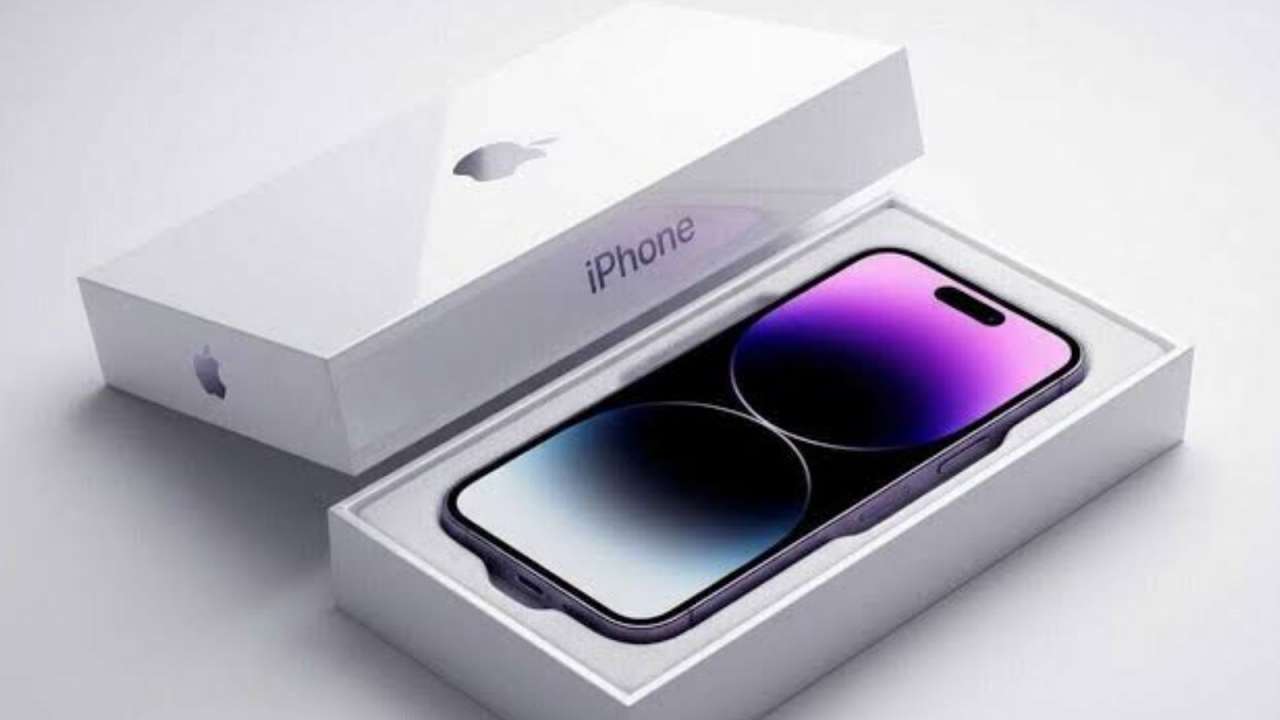
The news, initially brought to light by a detailed report from Nikkei Asia, indicates that Apple has communicated with its vast network of suppliers, requesting a reduction in component production for both the iPhone 18 Pro and iPhone 18 Pro Max models. The proposed cuts are substantial, ranging between 15 to 20 percent, specifically targeting the month of October. This adjustment is understood to be a direct response to a confluence of factors, primarily driven by higher retail prices for the new Pro series and the escalating costs associated with critical memory chips, which collectively appear to be exerting downward pressure on sales volumes.
The implications of such a decision from a company as influential as Apple are far-reaching, reverberating through its intricate global supply chain, impacting component manufacturers, logistics providers, and retailers worldwide. It also offers a critical barometer for the health of the premium smartphone segment and broader consumer electronics market, suggesting that even industry titans are not immune to the prevailing economic headwinds.

Unpacking the Core Issues: Main Facts
At the heart of this unfolding story is Apple’s reported directive to its manufacturing partners to scale back the production of components essential for the iPhone 18 Pro and 18 Pro Max. This isn’t merely a minor recalibration; a 15-20% reduction within weeks of a major product launch represents a notable course correction. The primary motivation, as outlined by the Nikkei Asia report, points towards a slower-than-anticipated uptake of the new Pro models since their debut.
Several factors are cited as contributing to this observed softening in demand:

- Elevated Pricing Strategy: The iPhone 18 Pro series commands a higher price point compared to its predecessors. This premium pricing, while typical for Apple’s annual upgrades, appears to be meeting more resistance in the current economic climate. In key markets like India, the iPhone 18 Pro starts at a substantial Rs 1,64,900, with the Pro Max beginning at Rs 1,79,900. In the United States, consumers are facing a $100 increase over last year’s models. Such price hikes, particularly for non-essential luxury items, can deter potential buyers, especially when household budgets are stretched.
- Rising Component Costs: Beyond the retail price, the underlying cost of manufacturing these sophisticated devices is also on an upward trajectory. A significant contributor to this is the global increase in memory chip prices. This surge is primarily fueled by heightened demand from technology companies investing heavily in artificial intelligence (AI) data centers, which require vast quantities of advanced memory. These elevated component costs inevitably feed into the final retail price, creating a double-whammy effect for consumers.
- Macroeconomic Environment: The broader global economic landscape plays a crucial role. High inflation rates, rising interest rates, and general cost-of-living pressures are leading consumers worldwide to exercise greater caution with discretionary spending. This cautious approach can manifest in extended smartphone upgrade cycles, as users opt to keep their existing devices longer rather than invest in the latest, more expensive models.
These combined pressures suggest that Apple’s latest premium offerings are navigating a more challenging market than previous generations, compelling the company to adjust its production strategy to align with evolving market realities.
A Timeline of Expectations and Adjustments: Chronology
Understanding the current situation requires looking at the events leading up to Apple’s reported production cuts. The narrative begins with high expectations, moves through the product launch, and culminates in the recent adjustments.

H3: Pre-Launch Hype and Market Anticipation
Prior to the September launch, anticipation for the iPhone 18 Pro series was predictably high. Apple’s flagship launches are always major events, often setting trends for the entire smartphone industry. Analysts and consumers alike speculated on new features, design enhancements, and performance improvements. Leaks and rumors often build considerable hype, contributing to strong pre-order expectations. There was an underlying assumption that, despite global economic concerns, Apple’s loyal customer base and the allure of cutting-edge technology would drive robust demand for its premium models. Many anticipated that the new A-series chip, camera improvements, and potentially new display technologies would be compelling enough to justify an upgrade for millions.
H3: The September Launch Event
Apple unveiled the iPhone 18 Pro and 18 Pro Max at its traditional September event, showcasing a suite of new capabilities. Key highlights typically include advancements in computational photography, enhanced processing power, improved battery life, and often subtle but significant design refinements. The presentation usually emphasizes the seamless integration within Apple’s ecosystem, the security features, and the overall premium experience. Initial reviews from tech journalists are generally positive, focusing on the technical prowess and user experience, which often further fuels consumer interest.

H3: Initial Post-Launch Sales and Early Indicators
Immediately following the launch, the initial sales period (typically the first few weeks) is critical for gauging market reception. Historically, strong demand for new iPhones leads to extended waiting times for delivery, particularly for the Pro and Pro Max models. These long queues and delivery delays are often seen as positive indicators of overwhelming consumer interest. However, for the iPhone 18 Pro series, early signs of potentially softer demand began to emerge. UBS analysts, a reputable financial services firm, reported a noticeable decrease in average waiting times for the iPhone 18 Pro across more than 30 markets globally. While improved supply chain efficiency could theoretically shorten waiting times, a widespread reduction often points towards a rebalancing of supply and demand, where demand is not as overwhelming as expected. This was one of the earliest public indicators that the initial sales trajectory might not be as steep as Apple or its investors had hoped.
H3: The Nikkei Asia Revelation
The Nikkei Asia report, surfacing in October, formalized these observations into a concrete action by Apple. The revelation of direct orders to suppliers for a 15-20% component production cut for October was the clearest signal yet that Apple was actively responding to the market’s reception. This report, citing anonymous but credible sources within Apple’s supply chain, effectively shifted the narrative from speculative observations to confirmed operational adjustments. The timing, so soon after launch, underscores the responsiveness of Apple’s supply chain management but also highlights the severity of the perceived demand shortfall.

H3: Historical Precedents: Apple’s Adaptive Strategy
It is worth noting that Apple has, on occasion, adjusted production plans for various iPhone models in the past. For example, the iPhone XR in 2018 reportedly saw production cuts due to lower-than-expected demand, as did certain variants of the iPhone 14 series, such as the iPhone 14 Plus. These instances demonstrate Apple’s pragmatic approach to managing inventory and aligning production with actual consumer purchasing trends. While never officially confirmed by Apple, such adjustments are part of the dynamic nature of high-volume electronics manufacturing. The current situation with the iPhone 18 Pro series, therefore, while significant, is not entirely unprecedented for a company operating at this scale in a volatile market.
Deeper Dive: Supporting Data and Market Dynamics
The reported production cuts are not isolated events but are symptomatic of broader trends and specific market conditions. A closer examination of supporting data reveals the intricate web of factors influencing Apple’s decision.

H3: Demand Indicators and Consumer Sentiment
The UBS analyst report on decreased waiting times is a critical piece of the puzzle. When a new iPhone launch typically sees weeks or even months of delay for the most coveted models, a reduction in waiting periods across 30+ markets strongly suggests that the initial rush of demand is not as intense as anticipated, or that supply has quickly caught up due to lower-than-expected orders. This is often a more reliable indicator than anecdotal evidence, as it reflects real-time purchasing behavior.
Beyond this, broader consumer sentiment surveys and economic indicators paint a challenging picture. Inflation rates remain elevated in many major economies, eroding purchasing power. Central banks have responded with interest rate hikes, making borrowing more expensive and dampening overall economic activity. The cost-of-living crisis in regions like Europe and North America means consumers are prioritizing essential expenditures, leaving less disposable income for luxury goods like premium smartphones. Even in emerging markets like India, where smartphone adoption is still growing, the pressure on discretionary spending is palpable.

H3: The Impact of Apple’s Pricing Strategy
The iPhone 18 Pro series’ higher price point is undoubtedly a significant deterrent for a segment of potential buyers. The $100 increase in the US market, while seemingly modest in percentage terms for a device costing over $1000, adds to the cumulative financial burden on consumers. In India, the prices of Rs 1,64,900 for the Pro and Rs 1,79,900 for the Pro Max place these devices firmly in the ultra-premium category, accessible only to a very affluent demographic.
The "weakening rupee" mentioned in the original article is a crucial factor for the Indian market. When the local currency depreciates against the US dollar, imported goods become more expensive. Since iPhones are manufactured abroad (primarily China) and then imported, a weaker rupee directly translates to higher local currency prices, even if the dollar price remains constant. This currency effect exacerbates the impact of any base price increase by Apple, making the devices significantly more expensive for Indian consumers. This interplay of global pricing, local currency fluctuations, and economic conditions creates a complex environment for market penetration. The price elasticity of demand for such high-value items dictates that as prices rise, demand will eventually soften, especially when consumers perceive the incremental value of the new features as not commensurate with the increased cost.

H3: Escalating Component Costs: The AI Factor
The rising cost of memory chips is a fundamental challenge for the entire electronics industry, not just Apple. The primary driver, as highlighted, is the booming demand from AI data centers. Artificial intelligence, particularly large language models (LLMs) and complex machine learning applications, requires immense computational power and, critically, high-bandwidth memory (HBM) and vast quantities of standard DRAM (Dynamic Random-Access Memory) and NAND flash storage. Companies like Nvidia, AMD, and various cloud providers are heavily investing in AI infrastructure, creating unprecedented demand for these components.
This surge in demand from the AI sector has a ripple effect across the supply chain. Memory manufacturers prioritize high-margin orders for data centers, leading to tighter supply and higher prices for components used in consumer electronics like smartphones. While smartphones don’t use HBM directly, they rely on standard DRAM and NAND flash, which are also impacted by the overall market dynamics. This directly increases the Bill of Materials (BOM) for devices like the iPhone, forcing manufacturers to either absorb the costs (reducing margins) or pass them on to consumers (increasing retail prices). Apple, known for its high-margin strategy, likely opts for the latter, contributing to the higher retail price of the iPhone 18 Pro.

H3: Broader Market Forecasts and Trends
The IDC (International Data Corporation) research firm’s projection of a 16.7% drop in global smartphone shipments in 2026, coupled with an anticipated 27.6% rise in average selling prices (ASPs), paints a stark picture of the future smartphone market. This seemingly contradictory forecast can be explained by several trends:
- Market Saturation: In many developed markets, smartphone penetration is already extremely high. Most consumers already own a smartphone, meaning growth is no longer driven by first-time buyers but by upgrades.
- Extended Upgrade Cycles: Consumers are holding onto their smartphones for longer periods. Modern devices are durable, powerful, and receive software updates for many years, reducing the perceived need for annual upgrades.
- Premiumization: While overall unit shipments might decline, the market is shifting towards higher-value, more expensive devices. Manufacturers are focusing on the premium segment where margins are higher, leading to an increase in ASPs despite fewer units sold.
- Economic Headwinds: As discussed, economic pressures are pushing consumers towards more considered purchases, often leading them to choose older, cheaper models or simply delay upgrading.
Other prominent tech market research firms like Gartner, Counterpoint Research, and Canalys generally corroborate these trends, highlighting a challenging environment for smartphone manufacturers, particularly in the mass market, while the premium segment faces its own unique pressures from rising costs and discerning consumers.

H3: The Foldable Frontier: iPhone Duo and its Challenges
The article also touches upon the "iPhone Duo," Apple’s rumored first foldable phone, which is already under scrutiny due to delays. The proposed price point of Rs 2,99,900 for the 256GB model in India is staggering, even for an ultra-premium device. For context, this is significantly higher than existing foldable phones from competitors like Samsung and Google, which themselves occupy a niche, high-end market.
The "pricey for a smartphone" assessment from Nikkei Asia’s source is an understatement. This price point immediately limits the addressable market to an extremely small segment of ultra-wealthy individuals. The inherent challenges of foldable technology—such as the durability of the display, the complexity of the hinge mechanism, battery life optimization, and ensuring Apple’s stringent quality standards—further complicate its manufacturing. These engineering hurdles contribute to higher production costs, which are then passed on to the consumer.

While the appeal of a large screen in a compact device is undeniable, the exorbitant price tag, coupled with the nascent nature of foldable technology (which still carries concerns about long-term durability for many consumers), makes the iPhone Duo a high-risk venture. Its success, whenever it eventually launches, will heavily depend on Apple’s ability to justify such a premium price through unparalleled innovation, design, and user experience, while simultaneously overcoming the technological and manufacturing complexities that have plagued early foldable adopters.
The Silence of the Giant: Official Responses
In line with its long-standing corporate policy, Apple has maintained a characteristic silence regarding the reports of production cuts for the iPhone 18 Pro series. The company traditionally refrains from commenting on supply chain rumors, production figures, or future sales forecasts, preferring to release official financial results during its quarterly earnings calls. This approach aims to prevent market speculation and maintain a controlled narrative around its operations.

Suppliers, too, are typically bound by strict non-disclosure agreements with Apple, making direct official statements on production volumes extremely rare. Any public comments from supplier executives are usually generalized and focus on overall market conditions rather than specific Apple orders.
Given Apple’s consistent stance, analysts and investors are left to interpret the company’s actions (or lack thereof) through indirect indicators and credible media reports. The absence of an official denial from Apple, particularly when faced with a detailed report from a respected publication like Nikkei Asia, is often interpreted by market observers as an implicit confirmation of the reported events. The company’s upcoming earnings call will be keenly watched for any subtle hints or broader statements about market demand and supply chain management, though direct confirmation of specific production adjustments is highly unlikely.

Far-Reaching Consequences: Implications
The reported production cuts for the iPhone 18 Pro series carry significant implications, not only for Apple but for the broader technology industry, its supply chain, and consumer behavior.
H3: Implications for Apple
- Financial Performance: A reduction in component orders directly translates to lower sales volumes, which could impact Apple’s revenue and profit margins, particularly in its lucrative iPhone segment. While Apple’s services division continues to grow and diversify its revenue streams, the iPhone remains its core product and primary revenue driver. Any significant slowdown in iPhone sales can have a material impact on its overall financial health and investor confidence.
- Product Strategy and Pricing: This situation might force Apple to re-evaluate its future pricing strategies and the perceived value proposition of its premium models. In an environment of rising costs and constrained consumer spending, the traditional strategy of incremental price increases may face greater resistance. It could also influence future feature sets, prompting Apple to focus on innovations that genuinely justify higher price points, or potentially explore more aggressive pricing for its standard models.
- Supply Chain Relationships: While Apple’s supply chain is highly robust, sudden production cuts can strain relationships with suppliers who have invested heavily in manufacturing capacity and raw materials based on initial forecasts. Effective communication and fair compensation mechanisms are crucial to maintaining these long-term partnerships.
- Innovation vs. Market Reality: The challenges faced by the iPhone 18 Pro, and the anticipated difficulties for the foldable iPhone Duo, highlight a potential tension between Apple’s relentless pursuit of technological innovation and the current economic realities of the global market. Pushing the boundaries of technology often comes with higher costs, and the market may not always be willing or able to absorb these costs, especially for non-essential premium goods.
H3: Implications for the Smartphone Market
- Premium Segment Saturation: The cooling demand for Apple’s Pro models could indicate that the premium smartphone segment, while still profitable, is approaching a level of saturation where growth is harder to achieve, and upgrade cycles are naturally extending. This might prompt competitors to rethink their strategies, potentially focusing more on value-for-money propositions or more aggressively differentiating their offerings.
- Competitive Landscape: Rivals like Samsung, Google, and Chinese manufacturers (Xiaomi, Huawei in some markets) will closely watch Apple’s performance. If Apple struggles to move its premium units, it could embolden competitors to adjust their own pricing, marketing, or product roadmaps, perhaps by offering more competitive features at slightly lower price points or by investing more in mid-range and foldable segments.
- Longer Upgrade Cycles: The trend of consumers holding onto their phones for longer is likely to intensify. This means fewer unit sales overall but potentially higher revenue per unit for manufacturers who can convince consumers to invest in a more durable, feature-rich device that will last longer.
H3: Implications for the Global Economy
- Tech Sector Bellwether: Apple’s performance is often seen as a bellwether for the broader technology sector and consumer electronics industry. A slowdown in Apple’s core business could signal broader challenges for other tech companies reliant on consumer spending.
- Supply Chain Ripple Effects: The global supply chain for electronics is incredibly interconnected. Production cuts at Apple can have ripple effects on component manufacturers (chipmakers, display manufacturers, camera module suppliers), logistics companies, and even raw material providers across Asia, Europe, and North America. This could lead to reduced revenue for these companies and potentially impact employment in manufacturing hubs.
H3: Advice for Consumers
Given the current market dynamics, the advice to consumers remains pertinent and becomes even more critical:

- Evaluate Needs vs. Wants: For users with functional smartphones, there is little urgency to upgrade. The incremental improvements in each new iPhone generation, while significant, may not justify the considerable financial outlay, especially at the elevated price points of the 18 Pro series.
- Compare Options Thoroughly: Those needing a new device should meticulously evaluate the iPhone 18 Pro alongside older models (like the iPhone 17 Pro or even the standard iPhone 18) and premium offerings from other brands. Older models often provide excellent value, still delivering robust performance and features at a lower price point. Competitor devices also offer compelling alternatives, sometimes with unique features or different operating system experiences.
- Consider Long-Term Value: When investing in a premium device, consumers should consider factors like software update longevity, ecosystem benefits, and resale value, where Apple traditionally performs well. However, the initial cost remains a primary barrier.
- Patience May Pay Off: With reports of cooling demand, there’s always a possibility of future promotions, discounts, or more attractive trade-in offers as Apple and its retail partners seek to stimulate sales. Waiting a few months could result in a better deal.
In conclusion, Apple’s reported production cuts for the iPhone 18 Pro series underscore the complex interplay of consumer demand, pricing strategy, component costs, and broader macroeconomic conditions. It serves as a stark reminder that even the most dominant players in the technology industry must constantly adapt to an ever-evolving market landscape. The coming months will reveal the full extent of these adjustments and their lasting impact on Apple’s trajectory and the wider smartphone ecosystem.