PERSONAL FINANCE
India’s enduring fascination with precious metals, deeply woven into its cultural fabric and economic landscape, continues to manifest in the dynamic movements of gold and silver prices. As of October 27, 2026, these vital commodities remain under the sway of a complex interplay of global market trends, fluctuating local demand, and shifting currency rates. This article provides an in-depth analysis of the current pricing, the forces behind these valuations, and the broader implications for consumers and investors alike.
Current Snapshot: Gold and Silver Rates Across India (October 27, 2026)
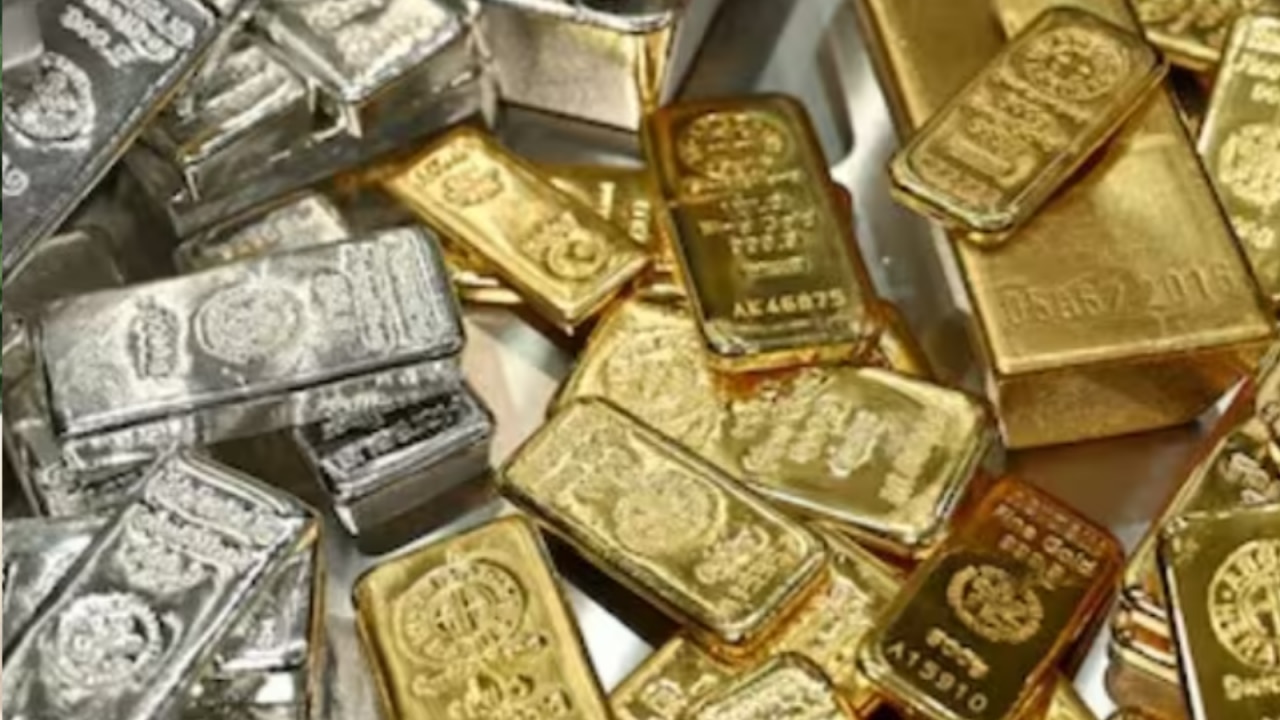
Today, the Indian bullion market presents a nuanced picture, with slight upward adjustments noted in gold prices, largely attributable to persistent global demand and inflationary pressures. Silver, while often seen as gold’s more volatile counterpart, holds steady, buoyed by both its investment appeal and growing industrial applications.
Gold Prices:
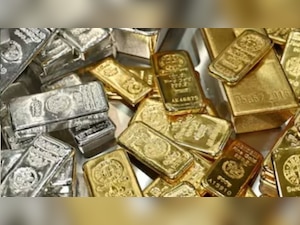
- 24K Gold (999 Purity): The national average for 24-carat gold stands at Rs 14,276 per gram.
- 22K Gold (91.67% Purity, Jewellery Grade): Commonly used in traditional Indian jewellery, 22-carat gold is priced at Rs 13,086 per gram.
Silver Prices:
- Silver (999 Purity): The national average for pure silver is approximately Rs 2,19,900 per kilogram.
- Silver 925 (Sterling Silver): Often preferred for ornaments and specific industrial uses, Sterling Silver is valued at Rs 2,20,000 per kilogram.
- Silver (999 Purity) per 10 grams: This smaller denomination is currently priced at Rs 2,199 per 10 grams.
These figures, while reflecting the immediate market sentiment, are merely the surface of a deeper economic narrative, influenced by factors ranging from international monetary policies to India’s own festive calendar.

A Legacy of Luster: The Chronology of Precious Metal Influence in India
India’s relationship with gold and silver is ancient, profound, and multifaceted. For millennia, these metals have transcended mere economic value, embodying cultural identity, social status, and a crucial form of household savings. Understanding the current prices necessitates a look back at the historical and recent chronological developments that have shaped this unique market.
Historical Significance: More Than Just a Commodity
Historically, gold has served as the ultimate store of value in India, particularly in rural areas where access to formal banking was limited. It was, and largely remains, a primary asset for wealth preservation, a hedge against inflation, and a critical source of liquidity during times of economic hardship. Silver, too, holds significant cultural weight, frequently used in religious ceremonies, traditional ornaments, and as a more accessible investment alternative. The deep-seated belief in the intrinsic value of these metals means that demand rarely wanes completely, even amidst price fluctuations.

The Recent Trajectory: A Decade of Volatility and Growth (2016-2026)
The last decade has been particularly eventful for precious metals globally and in India. Following a period of relative stability post-2013, the market began to witness significant shifts:
- Mid-2010s (2016-2018): Global Economic Recovery and Modest Gains: As major economies showed signs of recovery, gold’s safe-haven appeal somewhat diminished, leading to more modest price movements. However, ongoing geopolitical uncertainties and persistent low interest rates in some developed economies provided underlying support.
- Late 2010s (2019-2020): Geopolitical Tensions and the Pandemic Boom: The rise of trade wars and increasing global instability in 2019 reignited interest in gold. The onset of the COVID-19 pandemic in early 2020 then triggered an unprecedented flight to safety. Central banks worldwide implemented aggressive monetary easing, slashing interest rates and injecting liquidity, which propelled gold to record highs. Silver, often lagging gold, also saw a substantial rally driven by both investment demand and renewed industrial activity as economies began to reopen.
- Early 2020s (2021-2023): Inflationary Pressures and Interest Rate Hikes: As economies grappled with post-pandemic inflation, central banks, notably the U.S. Federal Reserve, embarked on a series of aggressive interest rate hikes. This created headwinds for gold, as higher interest rates increase the opportunity cost of holding non-yielding assets. However, persistent inflation also reinforced gold’s role as an inflation hedge, leading to a balancing act that resulted in significant volatility rather than a sustained decline. Silver’s industrial demand helped cushion some of the impact.
- Mid-2020s (2024-2026): A New Equilibrium?: Leading up to October 2026, the market has been searching for a new equilibrium. While inflation remains a concern in many parts of the world, the pace of interest rate hikes has slowed, and some central banks have signaled a potential pivot. Geopolitical tensions, particularly in Eastern Europe and the Middle East, continue to provide intermittent support for safe-haven assets. This period has seen gold and silver consolidate at elevated levels, with occasional surges driven by fresh economic data or geopolitical developments. The current "slight increase" in gold prices today reflects this ongoing battle between inflationary concerns and the potential for shifts in monetary policy.
This chronological overview illustrates that today’s prices are not isolated figures but rather the culmination of years of evolving global economic conditions, monetary policies, and geopolitical events, all filtered through the unique lens of India’s domestic market dynamics.

Supporting Data: The Multifaceted Forces Shaping Bullion Prices
The prices of gold and silver in India are a sensitive barometer of various macro and microeconomic factors. Dissecting these influences provides a clearer understanding of why rates stand as they do on October 27, 2026.
Global Market Trends: The International Price Anchor
The international price of gold, typically denominated in U.S. dollars, serves as the primary benchmark. Factors influencing this global rate include:

- U.S. Dollar Strength: Gold is inversely correlated with the U.S. Dollar. A stronger dollar makes gold more expensive for buyers using other currencies, potentially dampening demand and pushing prices down. Conversely, a weaker dollar makes gold cheaper, often leading to increased demand and higher prices.
- Interest Rate Expectations: When real interest rates (nominal rates minus inflation) are high, gold, which offers no yield, becomes less attractive compared to interest-bearing assets. Lower real interest rates, conversely, tend to boost gold’s appeal. The anticipation of central bank rate hikes or cuts significantly impacts market sentiment.
- Inflationary Pressures: As mentioned, inflation erodes the purchasing power of fiat currencies, driving investors towards gold as a traditional hedge. The persistent inflationary environment leading up to 2026 has been a key driver for gold’s elevated prices.
- Geopolitical Stability/Instability: Times of global political uncertainty, conflicts, or economic crises typically trigger a "flight to safety," with investors flocking to gold. This safe-haven demand can quickly push prices higher.
- Central Bank Policies: Central banks are significant players in the gold market, both as buyers and sellers. Their monetary policies, including quantitative easing or tightening, and their own gold reserves management, can have a profound impact on global prices.
Local Demand: India’s Unique Consumption Patterns
India is one of the largest consumers of gold globally, and its domestic demand significantly influences local prices.
- Festive Season and Weddings: The period leading up to and during major festivals like Diwali, Akshaya Tritiya, Dhanteras, and the extensive wedding season (often peaking in late autumn and winter) sees a massive surge in gold and silver jewellery purchases. These cultural traditions often override immediate price fluctuations, creating sustained demand.
- Cultural Significance: Gold is considered auspicious and an essential part of religious ceremonies and family heirlooms. This cultural imperative ensures a baseline demand irrespective of market conditions.
- Investment Avenue: For many Indian households, particularly in rural areas, gold remains a preferred form of saving and investment due to its tangibility, liquidity, and perceived security. Agricultural income often translates into gold purchases, especially after good monsoon seasons.
- Urban vs. Rural Demand: While urban centers focus on modern jewellery and investment products like gold ETFs, rural areas typically prefer physical gold in the form of bars, coins, and traditional ornaments.
Currency Rates: The Rupee-Dollar Dynamic
The exchange rate between the Indian Rupee (INR) and the U.S. Dollar (USD) plays a crucial role in determining local gold prices. Since gold is primarily traded in dollars internationally, a depreciation of the Indian Rupee against the U.S. Dollar makes imported gold more expensive in Rupee terms, even if the international dollar price of gold remains constant. Conversely, a strengthening Rupee would make gold cheaper. India’s significant gold imports mean that the USD-INR exchange rate is a direct and powerful determinant of domestic bullion prices.

Industrial Demand: A Key Driver for Silver
While gold is predominantly a monetary asset and jewellery metal, silver boasts a dual identity: a precious metal and a vital industrial commodity.
- Electronics: Silver’s excellent electrical conductivity makes it indispensable in various electronic components, switches, and conductors.
- Solar Panels: The booming solar energy sector is a major consumer of silver, used in photovoltaic cells. Growth in renewable energy significantly impacts silver demand.
- Automotive Industry: Silver is used in various parts of electric vehicles (EVs) and other automotive applications.
- Medical and Photography: Its antibacterial properties find use in medical devices, and it remains a key component in traditional photography.
- Investment Demand: Like gold, silver is also bought as an investment hedge, especially by those seeking a more affordable entry into precious metals.
City-Wise Price Breakdown: Minor Variations, Major Trends
While national averages provide a broad picture, slight variations exist across major Indian cities due to factors such as local taxes, transportation costs, and specific market demand.

Gold Prices on October 27, 2026:
- Delhi:
- 24K Gold: Rs 14,291 per gram
- 22K Gold: Rs 13,101 per gram
- (Slightly higher than the national average, possibly due to local tax structures or higher demand in the capital region.)
- Mumbai:
- 24K Gold: Rs 14,276 per gram
- 22K Gold: Rs 13,086 per gram
- (Aligns with the national average, reflecting Mumbai’s status as a major trading hub.)
- Kolkata:
- 24K Gold: Rs 14,276 per gram
- 22K Gold: Rs 13,086 per gram
- (Consistent with the national average, showcasing a uniform pricing mechanism in key markets.)
- Chennai:
- 24K Gold: Rs 14,276 per gram
- 22K Gold: Rs 13,086 per gram
- (Mirrors the national average, indicating a stable pricing across major southern markets.)
Silver Prices on October 27, 2026 (per 10 grams of 999 Purity):

- Delhi: Rs 2,199
- Mumbai: Rs 2,199
- Kolkata: Rs 2,199
- Chennai: Rs 2,199
- (Silver prices show remarkable consistency across these major cities, suggesting a highly integrated national market for the metal.)
The detailed breakdown, sourced from reputable financial tracking portals like Good Returns, underscores the interconnectedness of India’s bullion market, albeit with minor regional nuances.
Official Responses and Expert Insights: Navigating the Bullion Market
While the original article does not contain specific "official responses" from government bodies or central banks for today’s prices, we can infer and provide insights from typical expert analyses and industry perspectives that regularly address precious metal movements.

Market Analysts’ Outlook: A Cautious Optimism
Economists and market analysts generally maintain a cautiously optimistic outlook for precious metals, particularly gold, in the medium term. "The prevailing inflationary environment, coupled with ongoing geopolitical uncertainties, continues to underpin gold’s appeal as a safe-haven asset," states Dr. Ananya Sharma, a Senior Commodities Analyst at Bullion Insights India. "While central banks might be nearing the end of their aggressive rate hike cycles, the long-term threat of inflation and potential economic slowdowns in major economies suggest that gold will retain its luster for investors seeking wealth preservation."
Regarding silver, Dr. Sharma adds, "Silver’s dual nature makes it subject to more volatility. Its industrial demand is robust, especially with the global push for renewable energy and electric vehicles. However, any significant downturn in manufacturing or technological innovation could impact its price more severely than gold. For now, the industrial tailwinds are strong."

Jewellery Industry Perspective: Festive Demand Remains Resilient
The Indian jewellery industry, a significant stakeholder, remains optimistic about demand, especially with the festive season in full swing. "Despite the elevated prices, the cultural significance of gold ensures that festive and wedding demand remains largely resilient," notes Mr. Rajesh Mehta, President of the All India Gem & Jewellery Domestic Council. "Consumers may adjust the quantity or purity of their purchases, but the tradition of buying gold and silver for auspicious occasions and weddings is deeply ingrained. We anticipate a strong Diwali season, supported by improving economic sentiment in many regions."
Mehta also highlighted the growing preference for hallmarked jewellery, assuring consumers of purity and trust, which contributes to market stability.

Government and Regulatory Context: Stability and Transparency
While no specific government policy changes directly influencing today’s prices were announced, the Indian government and regulatory bodies, including the Reserve Bank of India (RBI), consistently monitor the bullion market. The RBI’s actions on interest rates and foreign exchange management indirectly impact precious metal prices by influencing the cost of holding gold and the INR-USD exchange rate. Furthermore, government policies on gold import duties and GST rates on jewellery purchases are critical factors that can alter local prices and consumer behavior. The long-term objective remains market stability, transparency, and consumer protection.
Implications: Navigating the Precious Metals Landscape
The current price trends and influencing factors carry significant implications for various stakeholders, from individual consumers to large-scale investors and the broader Indian economy.

For Consumers: Strategic Purchases and Cultural Commitments
For the average Indian consumer, the elevated prices of gold and silver present a conundrum, especially with the festive and wedding seasons approaching.
- Strategic Buying: Consumers might consider purchasing smaller quantities, opting for lighter jewellery designs, or exploring investment avenues like Gold Exchange Traded Funds (ETFs) or Sovereign Gold Bonds (SGBs) as alternatives to physical gold, which offer purity guarantees and often better returns without storage concerns.
- Purity Choices: The difference between 24K and 22K gold prices can influence choices, with 22K remaining popular for jewellery due to its durability.
- Silver as an Alternative: With gold prices high, silver often becomes a more accessible option for gifting, religious purposes, and investment, particularly in regions where silver ornaments are traditionally more prevalent.
For Investors: Hedge Against Uncertainty and Portfolio Diversification
For investors, gold and silver continue to serve as crucial tools for portfolio diversification and a hedge against economic uncertainties.

- Inflation Hedge: In an environment of persistent inflation, both metals, particularly gold, offer a tangible asset that historically maintains its value when fiat currencies lose purchasing power.
- Safe-Haven Asset: Geopolitical tensions and economic instability reinforce gold’s role as a safe haven, attracting investors during times of crisis.
- Long-Term vs. Short-Term: Long-term investors often view precious metals as a core component of their wealth preservation strategy. Short-term traders, however, must navigate the inherent volatility, especially in silver, which can be influenced by daily economic data and industrial reports.
- Diversification: Including a reasonable allocation to precious metals can help balance a portfolio, offsetting potential losses in equities or bonds during market downturns.
Economic Impact: Imports, Trade Balance, and Domestic Industry
The dynamics of gold and silver prices have broader implications for the Indian economy:
- Import Bill: India’s substantial gold imports can significantly impact its current account deficit and overall trade balance. Higher prices, coupled with robust demand, lead to a larger import bill, which can put pressure on the Rupee.
- Jewellery Sector Growth: A stable and growing bullion market supports the vast Indian jewellery manufacturing and retail sector, which employs millions and contributes significantly to the economy.
- Forex Reserves: Fluctuations in the USD-INR exchange rate, influenced by gold imports, affect the country’s foreign exchange reserves and its ability to manage external debt.
Future Outlook: Continued Volatility with Underlying Support
Looking ahead, the precious metals market is likely to remain dynamic.

- Inflation and Monetary Policy: The trajectory of global inflation and the subsequent responses from central banks will be paramount. Any indication of further rate hikes could temper gold’s ascent, while a pause or pivot could provide renewed impetus.
- Geopolitical Landscape: Ongoing global conflicts and political uncertainties will continue to fuel safe-haven demand for gold.
- Industrial Growth: The expansion of green technologies and electronics will likely sustain strong industrial demand for silver.
- Domestic Demand: India’s festive and wedding seasons will ensure a consistent floor for demand, providing local market support.
In conclusion, as of October 27, 2026, the prices of gold and silver in India reflect a delicate balance of global economic forces and deeply rooted domestic traditions. While volatility remains an inherent characteristic of these markets, their enduring appeal as stores of value and cultural symbols ensures their continued relevance in India’s financial and social narrative. Consumers and investors are advised to stay informed, consider expert advice, and align their decisions with their financial goals and risk tolerance.