BUSINESS
Meta Description: Sensex surged 1,225 points and Nifty closed above 23,800 as Indian stock markets rallied, adding nearly Rs 4 lakh crore to investor wealth. This article delves into the five key factors, from tax policy hopes to global oil trends and renewed foreign investor confidence, that propelled the sharp rise in the stock market, exploring their broader economic implications.
[Leader Image: Stock Market Rally: Sensex jumps 1,225 Points, Nifty closes above 23,800; 5 Key reasons]
(Source: ANI)
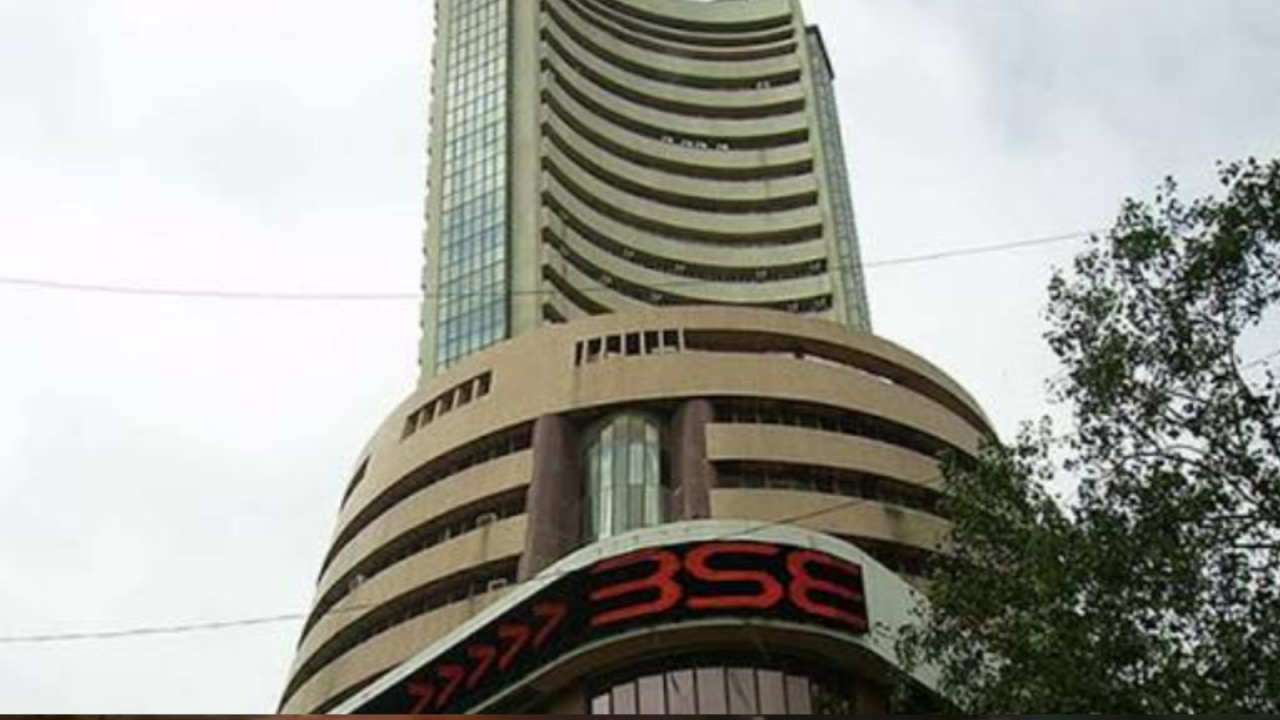
The Indian stock market witnessed a powerful resurgence on Tuesday, extending its impressive winning streak and sending a strong signal of renewed investor confidence. Both benchmark indices, the BSE Sensex and the NSE Nifty50, soared by more than 1.5%, pushing market capitalisation significantly higher and invigorating the broader economic sentiment. This robust rally, coming on the heels of markets closing at a seven-week high, was orchestrated by a synergistic blend of domestic policy expectations, easing global economic pressures, and a notable shift in foreign investment patterns.
The BSE Sensex, India’s bellwether index, surged an impressive 1,225 points, marking a 1.62% gain, to conclude the trading day at 76,917.85. Mirroring this upward trajectory, the NSE Nifty50, which represents the fifty largest Indian companies, advanced by 370 points, or 1.58%, settling comfortably above a crucial psychological threshold at 23,810.85. This widespread optimism translated directly into tangible wealth creation, as the total market value of companies listed on the BSE swelled by nearly Rs 4 lakh crore, elevating their combined market capitalisation to an astounding Rs 486 lakh crore.
A Chronology of Momentum: Building on Recent Gains
This latest surge wasn’t an isolated event but rather the continuation of a nascent upward trend that has been steadily building momentum. The markets had already closed at a seven-week high in the preceding session, demonstrating a growing resilience and appetite for risk among investors. This recent buoyancy marked a significant departure from the cautious sentiment that had pervaded the market for several weeks, particularly during September and early October, when global headwinds and specific domestic concerns led to intermittent corrections.
The foundation for Tuesday’s spectacular rally was laid by a combination of factors that began to crystallize over the past few days. Softer crude oil prices, which alleviate a major inflationary pressure point for India, played a crucial role. Concurrently, hopes of a possible review of the long-term capital gains (LTCG) tax structure injected a fresh wave of optimism, particularly among institutional investors. Crucially, a decisive return of foreign investors to Indian equities, after a period of net selling, provided the necessary fuel to propel the indices to new heights.
Market Leaders and Laggards: A Sectoral Glimpse
The broad-based rally saw significant contributions from across various sectors. Leading the charge among the Sensex gainers were aviation major IndiGo and banking giant HDFC Bank, both of which witnessed their stock prices appreciate by approximately 3%. This strong performance in two economically sensitive sectors — travel and finance — underscored improving domestic consumption outlook and robust credit demand.
Further reinforcing the positive sentiment, other blue-chip companies also registered substantial gains. UltraTech Cement, a key player in the infrastructure sector, along with consumer goods behemoth Hindustan Unilever, leading paint manufacturer Asian Paints, and financial services giants Bajaj Finance and Bajaj Finserv, each climbed nearly 2%. Technology major Infosys also contributed to the upward momentum with a similar percentage gain, signaling renewed confidence in India’s IT services sector.

However, not all stocks participated equally in the rally. Reliance Industries, a conglomerate with significant weightage in the indices, emerged as one of the major losers of the day, declining slightly over 1%. This marginal correction came after the stock had experienced a sharp rise in the previous trading session, suggesting some profit-booking by investors after its recent strong performance. Despite this, the overall market breadth remained overwhelmingly positive, indicating a widespread bullish sentiment.
Why the Market Soared: Unpacking the Five Key Reasons
The remarkable performance of the Indian stock market on Tuesday can be attributed to a confluence of five pivotal factors, each playing a crucial role in shaping investor perception and driving capital flows.
1. Hopes of an LTCG Tax Review: A Potential Game-Changer
One of the most significant catalysts for the market’s rally was the renewed hope surrounding a potential review of the Long-Term Capital Gains (LTCG) tax structure. Investor sentiment received a substantial boost after Finance Minister Nirmala Sitharaman indicated the government’s openness to considering requests from foreign investors regarding a re-evaluation of this tax.

Understanding LTCG Tax: In India, LTCG tax on equity investments is levied at 10% on gains exceeding Rs 1 lakh in a financial year, provided the investments are held for more than 12 months. This tax was reintroduced in 2018, ending a long period of exemption for equity-related long-term gains, with the primary objective of enhancing government revenue.
Impact on Foreign Investors: Foreign Institutional Investors (FIIs) have consistently voiced concerns about the LTCG tax, arguing that it impacts their net returns and makes Indian equities less attractive compared to other emerging markets that offer more favourable tax regimes. The possibility of changes to this tax structure – whether through a reduction in rate, an increase in the exemption limit, or other amendments – could significantly enhance the attractiveness of Indian equities for global capital. Overseas investors have been net sellers in the Indian markets for several months, and any policy signal that improves their profitability outlook is likely to encourage substantial fresh inflows.
Government’s Balancing Act: The government, while keen to attract foreign investment to fuel economic growth, also has the responsibility of maintaining fiscal prudence and generating revenue. The Finance Minister’s statement suggests a careful consideration of these factors, indicating a willingness to explore options that could balance revenue generation with the imperative of boosting investor confidence and capital inflows. Market analysts believe that a positive outcome on the LTCG front could unlock significant institutional capital, providing a sustained boost to market liquidity and valuations.

2. Lower Crude Oil Prices: A Macroeconomic Tailwind
The continued moderation in global crude oil prices served as another powerful stimulant for the Indian market. Brent crude traded comfortably below $105 per barrel, while US West Texas Intermediate (WTI) crude remained below $97. This significant reduction from recent peaks of around $110 per barrel is profoundly positive for India.
India’s Oil Dependency: As one of the world’s largest importers of crude oil, with over 85% of its requirements met through imports, India’s economy is acutely sensitive to fluctuations in global oil prices.
Economic Benefits:

- Reduced Inflationary Pressure: Cheaper oil directly translates to lower import bills, which in turn helps to cool down imported inflation. This provides the Reserve Bank of India (RBI) with greater flexibility in its monetary policy decisions, potentially easing pressure for further interest rate hikes.
- Improved Current Account Deficit (CAD): A lower oil import bill significantly improves India’s Current Account Deficit, strengthening macroeconomic stability and reducing the country’s vulnerability to external shocks.
- Boost to Corporate Margins: Industries heavily reliant on fuel or oil-derivatives, such as manufacturing, transportation, chemicals, and aviation, benefit from reduced input costs, leading to improved profit margins.
- Support for the Rupee: Lower demand for US dollars to finance oil imports helps to strengthen the Indian rupee against the greenback, further easing inflationary pressures and boosting investor confidence.
Global Factors at Play: The recent decline in crude prices can be attributed to a combination of factors, including concerns about a global economic slowdown impacting demand, increased supply from non-OPEC producers, and strategic oil reserve releases by major economies. Any easing of geopolitical tensions in key oil-producing regions also contributes to price stability. For India, this trend is a welcome macroeconomic tailwind, reducing a critical risk factor that often weighs on its economic outlook.
3. Concerns Over AI-Driven Stocks & India’s Diversified Appeal
The global investment landscape has been dominated by the spectacular rise of Artificial Intelligence (AI)-driven technology stocks. However, this recent rally has begun to show signs of slowing down, prompting investors to seek alternatives. Although tech behemoth Apple reported better-than-expected earnings for the July-September quarter, concerns over escalating AI-related expenses and rising memory costs have started to raise questions about the sustainability of future profit margins for these high-flying tech giants.
The "AI Bubble" Narrative: There’s a growing narrative among some financial observers about a potential "AI bubble," where valuations of certain tech companies might be stretched beyond their fundamental earnings potential due to excessive hype. As these concerns mount, institutional investors are beginning to diversify their portfolios away from potentially overvalued tech stocks.

India as an Alternative: In this context, Indian equities are increasingly being viewed as an attractive alternative. India offers a diversified economy with strong fundamentals driven by domestic consumption, robust infrastructure development, and a growing manufacturing base. Unlike the predominantly tech-driven markets, India’s market offers exposure to sectors like financials, industrials, consumer discretionary, and healthcare, which provide a different growth trajectory. This diversification, coupled with India’s strong demographic tailwinds and ongoing economic reforms, makes it an appealing destination for global capital seeking growth at a reasonable valuation, away from the perceived risks of an over-heated AI sector. The "de-coupling" narrative, where India’s growth story is seen as distinct from global tech cycles, further strengthens its appeal.
4. Foreign Investors Return to Indian Markets: A Vote of Confidence
A critical factor underpinning the rally was the significant return of Foreign Institutional Investors (FIIs) to the Indian markets. According to provisional NSE data, FIIs were net buyers of Indian equities worth nearly Rs 3,115 crore on Monday alone.
Shift in Trend: This represents a significant and positive change after months of heavy selling that characterized September and the first half of October. During that period, FIIs had been withdrawing capital from Indian markets due to various global factors, including rising US interest rates, a strengthening US dollar, and a general risk-off sentiment driven by geopolitical uncertainties. The latter half of October, however, saw a reversal of this trend, with FIIs turning net buyers, a pattern that has convincingly continued into November.

Significance of FII Inflows: FIIs play a crucial role in the Indian market, providing significant liquidity and often acting as a barometer of global confidence in India’s economic prospects. Their renewed buying spree is a strong vote of confidence in India’s growth story, macroeconomic stability, and the potential for corporate earnings growth. This influx of foreign capital not only directly boosts stock prices but also instills greater confidence among domestic retail and institutional investors, creating a virtuous cycle of positive sentiment and investment.
5. Rupee Gains Against US Dollar: Enhancing Macro Stability
Adding to the positive macroeconomic environment, the Indian rupee also strengthened against the US dollar on Tuesday. It opened at 94.6550 against the dollar, a notable appreciation from its previous close of 94.90.
Interconnected Factors: The rupee’s strength is intricately linked to the other positive factors discussed. Increased FII inflows create higher demand for the rupee, while lower crude oil prices reduce the demand for US dollars for import payments. These combined forces contribute to the appreciation of the Indian currency.

Economic Advantages of a Stronger Rupee:
- Cheaper Imports: A stronger rupee makes imports cheaper, which is beneficial for businesses importing raw materials and for consumers purchasing imported goods.
- Reduced Inflation: By making imports less expensive, a stronger rupee helps to curb imported inflation, further supporting the RBI’s efforts to manage price stability.
- Corporate Debt: Companies with foreign currency-denominated debt benefit from a stronger rupee, as their repayment obligations in local currency terms decrease.
- Investor Confidence: A stable or appreciating rupee instills confidence in foreign investors, as it reduces the currency risk associated with their investments in India.
The synergy of a strengthening rupee and declining crude oil prices collectively contributed to a significant improvement in overall market sentiment, reinforcing the narrative of a robust and stable Indian economy.
Official Responses and Expert Commentary: A Positive Consensus
Finance Minister Nirmala Sitharaman’s proactive stance on considering the LTCG tax review has been widely lauded as a significant policy signal. Her statement underscores the government’s responsiveness to investor concerns and its commitment to fostering a conducive environment for capital formation.

"The government’s willingness to engage on the LTCG tax structure is a masterstroke," commented Dr. Alok Sharma, a veteran market strategist. "It not only addresses a long-standing demand from foreign investors but also signals a flexible policy approach that is crucial for attracting global capital in a competitive environment. Combined with the easing crude oil prices and the clear shift in FII sentiment, India is becoming an undeniable bright spot on the global investment map."
Economists also highlight the broader macroeconomic stability that these factors bring. "Lower oil prices alleviate a significant burden on India’s current account and inflation outlook, providing critical headroom for economic policy," noted Ms. Priya Singh, Chief Economist at a leading financial institution. "When you pair this with a strengthening rupee and robust domestic demand, the foundation for sustained growth looks increasingly solid."
Implications and Future Outlook: Navigating Opportunities and Risks
The powerful rally witnessed on Tuesday signifies a palpable shift in investor sentiment towards Indian equities. It suggests that despite lingering global uncertainties, domestic factors and improving external conditions are creating a fertile ground for market appreciation.

Sustainability of the Rally: While the current momentum is strong, the sustainability of this rally will depend on several factors. Continued FII inflows, further clarity on the LTCG tax review, and persistent moderation in crude oil prices will be crucial. Domestically, corporate earnings growth, government policy stability, and the trajectory of inflation will also play significant roles.
Potential Risks: Investors, however, must remain vigilant. Global risks such as a deeper-than-expected economic slowdown in major economies, a resurgence of inflation, or unexpected geopolitical escalations could quickly reverse positive sentiment. Domestically, any policy missteps, renewed inflationary pressures, or a sudden reversal in FII flows could pose challenges. The ongoing global debate around interest rates, particularly from the US Federal Reserve, will also continue to influence capital flows to emerging markets like India.
Opportunities Ahead: The current market dynamics present significant opportunities, particularly in sectors that benefit from domestic consumption, infrastructure development, and a stable financial system. Banking, industrials, consumer discretionary, and capital goods sectors could continue to attract investor interest. The government’s continued focus on ‘Make in India’ and infrastructure spending further strengthens the long-term growth prospects for these areas.

Broader Economic Impact: A buoyant stock market often acts as a leading indicator of economic health. Increased investor wealth can stimulate consumption, while rising corporate valuations can facilitate capital raising for expansion, leading to job creation and overall economic growth. This rally, therefore, is not just about stock prices; it’s a reflection of growing confidence in India’s economic trajectory.
In conclusion, Tuesday’s sharp market rally was a powerful testament to the confluence of favorable domestic policy signals and easing global headwinds. While a degree of caution is always warranted in financial markets, the current momentum, driven by fundamental improvements and renewed investor confidence, paints an optimistic picture for Indian equities in the near to medium term. The spotlight remains firmly on how these key factors evolve and shape India’s economic and market performance going forward.
Find your daily dose of All Latest News including Sports News, Entertainment News, Lifestyle News, explainers & more. Stay updated, Stay informed- Follow DNA on WhatsApp.