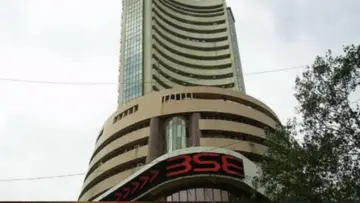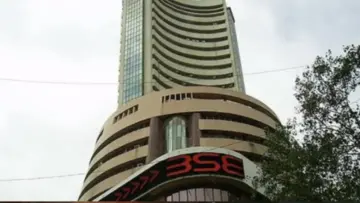
Mumbai, India – India’s premier stock exchanges, the Bombay Stock Exchange (BSE), National Stock Exchange (NSE), and the Multi Commodity Exchange (MCX), are gearing up to host their highly anticipated annual Diwali Muhurat Trading session on Sunday, November 8, 2026. This special, hour-long trading window, scheduled from 2:20 pm to 3:30 pm, is a cherished tradition that ushers in Samvat 2083, the new Hindu financial year, blending deep cultural significance with modern financial markets.
The Muhurat Trading session is far more than a mere operational exercise; it is a symbolic gesture for investors, brokers, and market participants, believed to bring prosperity and good fortune for the year ahead. Unlike regular trading days, which typically run for over six hours, this condensed session holds profound cultural weight, rooted in centuries of Indian mercantile practices. Its occurrence on a Sunday further underscores its ceremonial nature, offering a unique opportunity for market engagement outside standard business hours. Investors across the nation are preparing to make their token investments, hoping to invoke the blessings of wealth and success as they embark on a new financial cycle. This year’s session is expected to draw significant attention, reflecting both the deep-seated traditions of India and the dynamic growth of its capital markets.

A Chronology of the Auspicious Trading Day: Detailed Schedules for All Market Segments
The special Muhurat Trading session on November 8, 2026, will feature meticulously planned schedules across various market segments on the BSE, NSE, and MCX, ensuring a smooth and orderly conduct of trading activities. Understanding these specific timings is crucial for all participants.
BSE and NSE Equity Trading Timings:

For the core equity segments on both the Bombay Stock Exchange and the National Stock Exchange, the trading day will unfold in several distinct phases:
- Pre-Open Session (2:05 pm – 2:15 pm): This crucial 10-minute window is designed for price discovery.
- Order Entry (2:05 pm – 2:10 pm): Investors will be allowed to place both limit and market orders during this initial five-minute period. This phase helps in gauging market sentiment and establishing opening prices.
- Limit Orders Only (2:10 pm – 2:15 pm): For the subsequent five minutes, only limit orders will be accepted. This refinement helps in stabilizing potential price swings before continuous trading begins.
- Order Matching and Confirmation (2:15 pm – 2:17 pm): Following the pre-open order entry, the systems will undertake a two-minute period to match orders and confirm trades, determining the opening price for the session.
- Buffer Period (2:17 pm – 2:20 pm): A brief three-minute buffer period will precede the main trading window, allowing for final system adjustments.
- Continuous Trading Session (2:20 pm – 3:30 pm): This is the primary trading window, spanning 70 minutes, where regular buying and selling of equities will take place. This is the period most investors will engage with.
- Closing Auction Activities: Both exchanges have also outlined separate schedules for closing-auction activities, which typically help in determining the closing prices of securities and managing end-of-day order flows. These micro-timings ensure that despite the shortened session, the market integrity remains robust.
MCX Commodity Trading Session:

The Multi Commodity Exchange (MCX) will also participate in the Muhurat Trading tradition, providing opportunities for investors in the commodities market:
- Special Session (2:05 pm – 2:19 pm): A distinct pre-market period on the MCX will allow for initial order placements and price discovery for commodities.
- Main Trading Window (2:20 pm – 3:30 pm): Mirroring the equity exchanges, MCX’s main trading session will run concurrently, from 2:20 pm to 3:30 pm. During this time, contracts across all available commodities and indices – ranging from bullion and base metals to energy and agricultural commodities – will be open for trading. This ensures comprehensive market participation even in the brief, symbolic session.
Special Timings for IPO and Newly Listed Stocks (BSE):

Recognizing the unique dynamics of new listings, the BSE has instituted a separate schedule for securities eligible for its special pre-open session, which includes Initial Public Offerings (IPOs) and relisted stocks. This differentiated approach helps in ensuring stable price discovery for these often more volatile securities:
- Order Entry (2:05 pm – 2:50 pm): A generous 45-minute window is provided for order entry for these specific securities. This extended period allows for broader participation and price discovery for fresh listings.
- Order Matching (2:50 pm – 3:05 pm): Following order entry, a 15-minute period is dedicated to matching these orders.
- Continuous Trading (3:05 pm – 3:30 pm): The actual continuous trading for IPOs and relisted stocks will commence from 3:05 pm and conclude with the broader market at 3:30 pm. This slightly delayed start ensures that initial price volatility can be managed within a structured framework.
Periodic Call Auction Mechanism (BSE):

For stocks traded under the periodic call auction mechanism – typically less liquid securities where continuous trading might lead to high volatility – a specialized schedule is in place:
- Order Entry (2:25 pm – 3:10 pm): Orders for these securities can be placed during this 45-minute window.
- Matching (3:10 pm – 3:20 pm): A 10-minute period is allocated for order matching.
- Closing-Auction Process (3:15 pm onwards): The closing auction for these stocks is scheduled to begin at 3:15 pm. This will involve the calculation of reference prices and further order entry and matching activities, continuing until 3:35 pm.
- Reference Price Calculation: The BSE has specified that the closing reference price for eligible securities will be calculated using the Volume-Weighted Average Price (VWAP) of trades executed between 3:00 pm and 3:15 pm. VWAP is a crucial metric, reflecting the average price at which a stock traded throughout a given period, weighted by volume, thus providing a more representative price point.
These detailed schedules underscore the exchanges’ commitment to maintaining market integrity and providing clear guidelines for all participants, even during a traditionally symbolic and shorter trading session.

Supporting Data: Tracing the Roots of a Rich Tradition and Its Market Impact
The Diwali Muhurat Trading session is not merely an operational event; it is a profound cultural ritual interwoven with the fabric of India’s financial landscape. Its origins, evolution, and consistent observance reveal a unique blend of ancient traditions and modern market practices.
Historical Genesis and Evolution:

The tradition of Muhurat Trading has deep historical roots, particularly within India’s traditional mercantile communities. It officially began at the Bombay Stock Exchange in 1957, making it a practice spanning nearly seven decades. The National Stock Exchange, a relatively younger institution, adopted this tradition in 1992, soon after its inception, signaling its importance across India’s evolving financial infrastructure.
In its nascent years, and even today in many business households, the ritual of Chopda Pujan (worship of account books) was, and still is, central to Diwali celebrations. This ritual, performed alongside the revered Lakshmi Puja (worship of Goddess Lakshmi, the deity of wealth and prosperity), marks the beginning of a new financial year. Businessmen and traders would traditionally open new account books, symbolizing a fresh start and seeking blessings for a prosperous year ahead. The Muhurat Trading session emerged as a formalized, modern adaptation of this ancient practice, transferring the symbolic act of starting new accounts to the electronic realm of stock trading. Investors, even today, traditionally pray to Goddess Lakshmi for wealth and prosperity before placing their trades, reinforcing the spiritual dimension of this financial activity.

Economic and Cultural Significance:
The Muhurat Trading session holds immense economic and cultural significance for several reasons:

- Auspicious Beginning: It is universally regarded as an auspicious time to initiate investments. Many investors, particularly retail participants, make symbolic purchases, often of a single share or a small quantity, with the belief that these initial investments will multiply over the coming year. This psychological factor contributes to positive market sentiment.
- Reinforcing Trust: The continuous observance of this tradition reinforces trust in the Indian financial markets, showcasing their ability to integrate cultural practices while maintaining professional standards. It connects the impersonal world of finance with the personal beliefs and values of millions of Indians.
- Community Building: For brokers and market intermediaries, Muhurat Trading is a festive occasion, fostering a sense of community and shared purpose. It’s a time for celebration and reaffirmation of their commitment to the financial world.
- Symbolic Volume: While the session is short, it often witnesses a surge in trading volumes immediately after opening, driven by this symbolic buying. Although the overall impact on long-term market trends is usually limited, the initial momentum is keenly observed.
- Reflection of Indian Identity: This unique practice stands out globally, reflecting India’s distinct cultural identity where spirituality and material pursuits are often intertwined rather than separated. It signifies the respect for tradition within a rapidly modernizing economy.
Typical Market Dynamics and Expectations:
Analysts and market observers typically note a few characteristics during Muhurat Trading:

- Positive Sentiment: There is usually an underlying positive sentiment, driven by the festive mood and the belief in auspicious beginnings. This can sometimes lead to a small upward drift in prices.
- Lower Volumes, Higher Intent: While total trading volumes are significantly lower than a full trading day, the intention behind each trade is often deeply personal and symbolic.
- Focus on Blue-Chips: Many investors prefer to make their symbolic purchases in established, blue-chip companies, or those with strong fundamental stories, as a safe and auspicious start. Gold-related stocks or ETFs also sometimes see interest due to the metal’s traditional association with wealth.
- Not a Market Indicator: It is crucial for investors to understand that the performance of the Muhurat Trading session is rarely an indicator of the market’s performance for the entire Samvat year. Market movements are driven by a multitude of economic, corporate, and global factors, not just a single symbolic session.
The longevity and widespread participation in Muhurat Trading underscore its integral role in India’s financial calendar, serving as a powerful reminder of the blend of tradition and modernity that defines the nation’s economic journey.
Official Responses and Regulatory Framework: Ensuring Order and Transparency
The seamless execution of the Muhurat Trading session relies heavily on the robust regulatory framework and the proactive measures taken by the exchanges and the Securities and Exchange Board of India (SEBI). Official announcements and circulars play a critical role in ensuring transparency, order, and investor protection during this unique event.

Exchange Announcements and Guidelines:
The detailed schedules for BSE, NSE, and MCX, as outlined previously, are disseminated well in advance through official circulars. These communications serve several vital purposes:

- Clarity for Participants: They provide clear, unambiguous instructions to all market participants – individual investors, institutional investors, brokers, and custodians – on the exact timings for different segments. This clarity minimizes confusion and potential operational errors.
- Operational Readiness: The pre-announced schedules allow brokers and trading firms to adjust their systems and staff readiness for the condensed session, ensuring smooth connectivity and order execution.
- Maintaining Market Integrity: By specifying precise timings for pre-open, continuous trading, and closing auctions, the exchanges ensure that price discovery and trade execution occur in an orderly and fair manner, even within the shortened timeframe. This adherence to structured processes is paramount for maintaining investor confidence.
- Inclusivity: The separate schedules for IPOs, relisted stocks, and periodic call auction mechanisms, as announced by BSE, demonstrate an inclusive approach, ensuring that all types of securities are traded under appropriate conditions that reflect their liquidity and market dynamics.
Regulatory Oversight by SEBI:
While the exchanges announce the specifics, the overarching regulatory authority, SEBI, plays a crucial role in overseeing such special market events. SEBI’s mandate is to protect the interests of investors in securities and to promote the development of, and to regulate the securities market.

- Fair Practice: SEBI ensures that the conduct of Muhurat Trading adheres to principles of fair practice and transparency, preventing any potential manipulation or undue advantage.
- Systemic Stability: The regulator monitors the stability of trading systems and infrastructure, especially during unique sessions, to prevent technical glitches that could disrupt trading or harm investors.
- Investor Protection: All regulatory guidelines, including those related to settlement, are designed with investor protection at their core. SEBI’s vigilance ensures that even symbolic trades are subject to the same stringent rules as regular market transactions.
Settlement Rules: A Critical Aspect:
A key official directive highlighted in the NSE circular pertains to settlement rules for trades executed during the Muhurat Trading session.

- T+1 Settlement: Trades carried out during the special session will be subject to the standard T+1 settlement cycle. This means that the settlement of funds and securities for trades executed on November 8, 2026, will occur on the next trading day (T+1).
- Cancellation and Modification Window: Crucially, the circular specifies that T+1 trades can be cancelled or modified until 5:00 pm on the settlement day. This provision offers a limited window for rectifying errors or making necessary adjustments, providing a safeguard for investors.
- Importance for Investors: Investors must keep these settlement requirements firmly in mind while placing orders. Understanding the T+1 cycle and the cancellation/modification window is essential to avoid any unforeseen complications and to manage their positions effectively. It reinforces the idea that despite the festive nature, Muhurat Trading is a serious financial activity with real-world obligations.
The meticulous planning and transparent communication from the exchanges, coupled with SEBI’s vigilant oversight, ensure that the Diwali Muhurat Trading session remains a well-regulated and trustworthy event, upholding the integrity of India’s capital markets.
Implications: A Glimpse into the Future for Investors, Markets, and the Economy
The annual Diwali Muhurat Trading session carries multifaceted implications for various stakeholders, extending beyond the mere act of trading. It offers insights into investor sentiment, reinforces market traditions, and indirectly reflects the broader economic narrative of India.

For Individual Investors:
- Symbolic Opportunity: For many, it’s a profound symbolic opportunity to kickstart their investment journey or to make a token investment that aligns with their belief in auspicious beginnings. It’s a chance to connect their cultural heritage with their financial aspirations.
- Learning and Engagement: The unique nature of the session, with its specific timings and rules, often prompts newer investors to delve deeper into market mechanics, fostering greater financial literacy. It can serve as an accessible entry point for those intimidated by full trading days.
- Discipline and Prudence: While auspicious, the session is a stark reminder that even symbolic investments require prudence. Investors are encouraged to focus on their long-term financial goals and investment strategies rather than making impulsive decisions based solely on sentiment. Research, asset allocation, and risk management remain paramount.
- Understanding Settlement: The emphasis on T+1 settlement rules underscores the importance of understanding the operational aspects of trading, even for a short, festive session. This knowledge is crucial for managing cash flows and portfolio positions.
For the Broader Market:

- Reinforcing Tradition and Trust: Muhurat Trading acts as a powerful anchor, reinforcing the deep-seated traditions that underpin India’s financial markets. This blend of heritage and modernity fosters trust and encourages participation from a diverse investor base. It humanizes the often-abstract world of finance.
- Boost to Sentiment: The festive atmosphere surrounding Diwali, coupled with the Muhurat session, often provides a psychological boost to market sentiment, carrying a sense of optimism into the new financial year. While not always translating into sustained rallies, it sets a positive tone.
- Showcasing Market Robustness: The ability of India’s exchanges to smoothly conduct a special, time-sensitive trading session on a non-trading day demonstrates the robustness and flexibility of its technological infrastructure and operational readiness.
- Increased Participation: The event often garners media attention, drawing in new participants or rekindling interest among existing investors, indirectly contributing to market depth and liquidity over time.
For the Indian Economy:
- Cultural Capital: Muhurat Trading is a unique cultural asset that differentiates India’s financial markets on the global stage. It highlights how India integrates its rich cultural tapestry with its modern economic ambitions.
- Growing Financialization: The consistent observance and growing participation in such events reflect the increasing financialization of savings in India, moving away from traditional physical assets towards capital market instruments. This trend is crucial for channeling domestic savings into productive investments.
- Economic Optimism: The symbolic start to Samvat 2083, following a significant cultural festival, is often seen as a barometer of economic optimism. A successful and well-received Muhurat session can subtly contribute to a positive outlook for the nation’s economic trajectory in the coming year.
- Attracting Global Attention: The uniqueness of Muhurat Trading can also attract the attention of global investors and financial institutions, showcasing the vibrant and culturally rich landscape of India’s capital markets.
As India embarks on Samvat 2083, the Muhurat Trading session on November 8, 2026, serves as a poignant reminder of the enduring connection between tradition, aspiration, and the dynamic world of finance. It is a moment for reflection, celebration, and a hopeful look towards a prosperous future for investors and the Indian economy alike. The meticulous planning by exchanges and regulatory oversight ensures that this cherished tradition continues to thrive, seamlessly integrating India’s rich heritage with its ambitious economic future.