BUSINESS
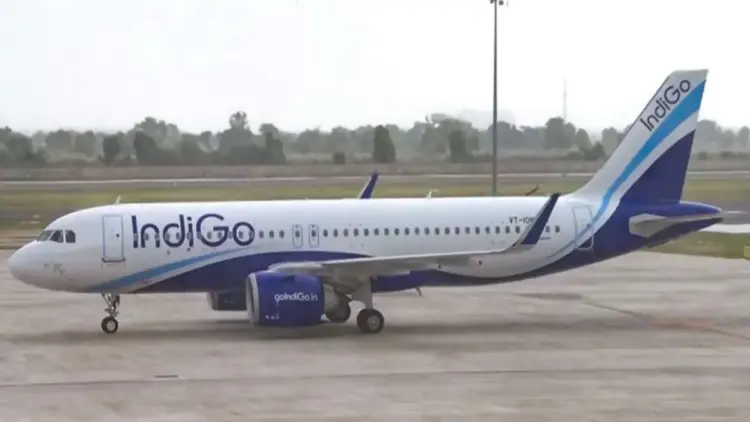
India’s largest airline, IndiGo, finds itself in a precarious financial position, grappling with unprecedented fuel costs that have decimated its profitability. The airline’s parent company, InterGlobe Aviation Ltd., recently reported its third consecutive quarterly loss, prompting its Chief Executive Officer, Willie Walsh, to issue a stark warning: the airline has "no choice left but to look to increase fares" in response to a "very significant" surge in its fuel bill. This declaration underscores the dire straits the aviation sector faces globally, particularly in markets like India where jet fuel prices remain exceptionally high.
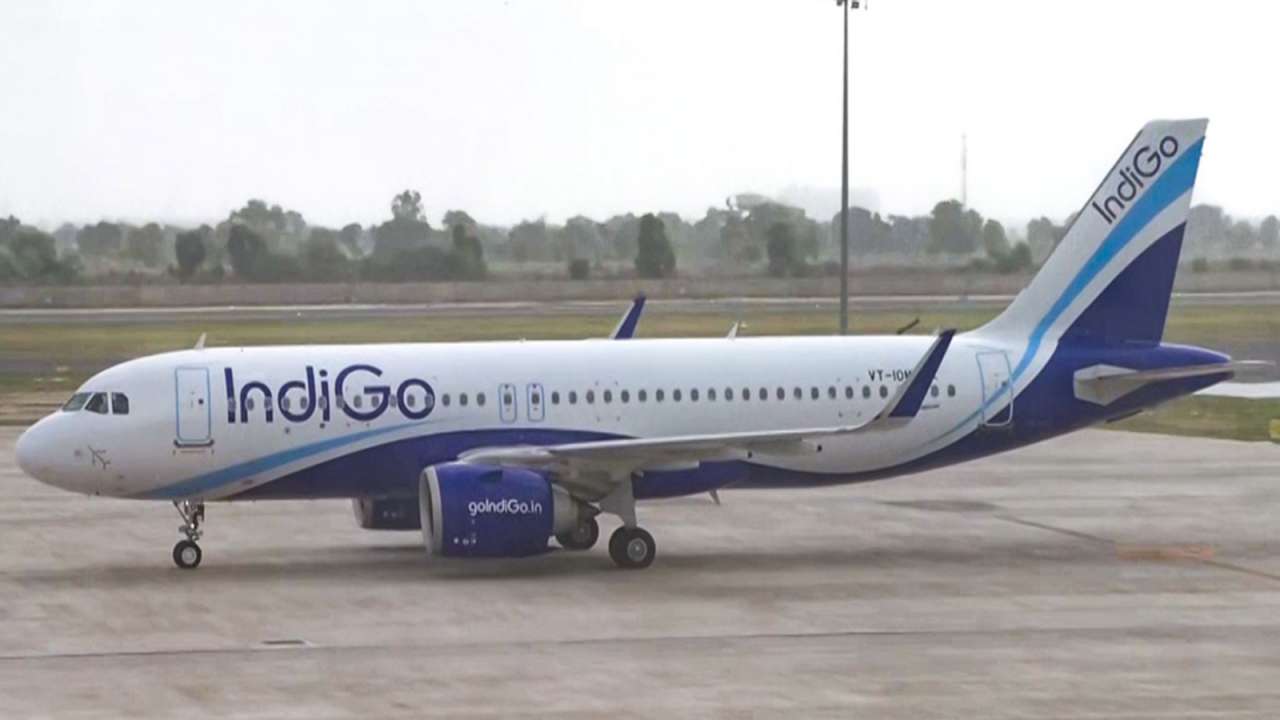
The announcement, made on Thursday, casts a shadow over the airline’s recovery trajectory, despite a substantial increase in revenue. While the July-September quarter saw a narrowing of year-on-year losses, the financial deficit remained substantial, primarily due to the relentless escalation of fuel expenses which have overshadowed any gains derived from higher ticket prices. With no immediate respite expected from these elevated fuel costs, IndiGo is navigating a challenging period that will undoubtedly have ripple effects across the Indian travel landscape and on the pockets of its millions of passengers.
Main Facts: A Turbulent Financial Landscape
IndiGo, a dominant force in Indian aviation, is facing significant headwinds as it confronts a challenging macroeconomic environment marked by soaring fuel prices and geopolitical uncertainties. The airline’s parent, InterGlobe Aviation Ltd., disclosed a net loss of ₹1,879 crore for the quarter ending September 30. While this figure represents a narrowing of losses compared to the previous year and was slightly better than the average analyst estimate of ₹2,063 crore, it nonetheless signifies a third consecutive quarter in the red, highlighting persistent operational pressures.
Despite a robust 26% year-on-year increase in revenue, which reached ₹23,364 crore and surpassed analyst expectations, the positive momentum was severely curtailed by an even steeper rise in operating costs. Total expenses for the quarter surged to ₹26,188 crore, largely propelled by a staggering 67% year-on-year jump in fuel expenses, amounting to nearly $1 billion. This disproportionate increase in fuel costs, a critical component that can constitute up to 40% of an airline’s operating expenditure, has left IndiGo with limited room to maneuver.
In response to these financial pressures, IndiGo’s CEO, Willie Walsh, unequivocally stated that the airline sees "no choice left but to look to increase fares." This grim assessment reflects the economic reality confronting the carrier, which is battling to absorb the "very significant" rise in its fuel bill while striving for profitability. The airline has already implemented revisions to its fuel charges on both domestic and international routes, effective October 6, signaling a proactive, albeit unpopular, measure to mitigate the impact of the sustained high jet fuel prices.

Operationally, the July-September quarter presented a mixed bag. IndiGo carried 27.5 million passengers, a 4.5% decrease year-on-year, indicating a dip in demand during what is traditionally a lean travel season in India. To manage costs and align with demand, the airline also proactively cut its capacity by 1%. While passenger yield – the average revenue generated per passenger – impressively rose by 34% year-on-year, reflecting the impact of higher fares, the passenger load factor, a key indicator of seat occupancy, slightly declined to 80.3% from 82.5% a year earlier. This suggests that while IndiGo successfully commanded higher prices, it did so with a slightly lower proportion of its seats filled, hinting at potential passenger resistance or softening demand at elevated price points. Furthermore, the company’s debt continued its upward trajectory, increasing 7.1% sequentially to ₹87,303 crore, adding another layer of financial complexity.
Chronology of Mounting Pressures
The current predicament of IndiGo is not an isolated event but rather the culmination of several interconnected developments over recent months, exacerbated by global and regional economic factors.

Persistent Financial Losses
The airline’s announcement of a third straight quarterly loss for the July-September period highlights a challenging year for InterGlobe Aviation. This pattern of consecutive losses underscores the difficulty in returning to sustained profitability post-pandemic, even as passenger traffic has largely recovered. The initial phases of recovery saw airlines struggling with subdued demand and strict travel restrictions. As these eased, a new set of challenges emerged, primarily the volatile and escalating cost of aviation turbine fuel (ATF).
Escalating Fuel Costs and Geopolitical Unrest
The core driver behind IndiGo’s current woes is the "very significant" rise in its fuel bill. Jet fuel prices have been on an upward trajectory for much of the past year, directly influenced by fluctuations in global crude oil prices. These fluctuations, in turn, have been heavily impacted by geopolitical events, most notably the ongoing conflict in Ukraine and more recently, tensions in the Middle East. These global disturbances create supply chain uncertainties and speculative trading, pushing crude oil prices, and consequently ATF prices, to multi-year highs.

According to industry reports, ATF prices in India have risen by more than 14% month-on-month leading up to October, reaching some of the highest levels observed in the last decade. This sharp and sustained increase places immense pressure on airlines, for whom fuel is a non-negotiable and substantial operational expense.
Proactive Measures: Fuel Charge Revisions
In a direct response to these spiraling costs, IndiGo took a decisive step by revising its fuel charges on both domestic and international routes. This revision, which came into effect on October 6, was a pre-emptive measure to partially offset the relentless increase in ATF prices. The move indicates that the airline had been monitoring the situation closely and concluded that internal cost-cutting measures alone would be insufficient to absorb the shock.

The implementation of these fuel charges, ranging from ₹375 to ₹1,300 for domestic sectors and ₹1,000 to ₹10,000 for international flights, effectively means passengers are already paying more for their tickets. This incremental increase, before any general fare hikes, demonstrates the severity of the financial pressure IndiGo is under.
CEO’s Public Declaration and Future Outlook
The recent statement by CEO Willie Walsh on Thursday served as a public acknowledgement of the airline’s difficult position and its strategic intent. His declaration that IndiGo has "no choice left but to look to increase fares" is not merely an observation but a strong signal to the market, investors, and passengers alike. It confirms that the current fuel surcharges might only be the beginning, and broader fare increases are on the horizon. Walsh’s further assertion that "We are looking at a period of elevated fuel cost for sometime" suggests that the airline is bracing for a prolonged period of high operational expenses, necessitating sustained efforts to manage profitability.

This chronology paints a clear picture: a leading airline, having weathered the pandemic, is now caught in a new storm of economic volatility, forcing it to make tough decisions that will invariably affect its competitive strategy and its customer base.
Supporting Data: A Deep Dive into the Numbers
The financial and operational metrics released by InterGlobe Aviation for the July-September quarter offer a granular view of the challenges IndiGo is confronting. These figures not only justify the CEO’s concerns but also highlight the delicate balance the airline must maintain between revenue generation, cost control, and passenger satisfaction.

Financial Performance: Revenue vs. Costs
For the quarter ended September 30, InterGlobe Aviation reported a net loss of ₹1,879 crore. While this was an improvement from the previous year’s loss, it marked the third consecutive quarter of unprofitability. This sustained period of losses indicates that the airline’s recovery from the pandemic’s impact is still fragile and highly susceptible to external shocks. The loss was, however, better than the average analyst estimate of ₹2,063 crore, suggesting that the market had anticipated even worse outcomes, perhaps a testament to some internal cost management or revenue optimization efforts.
Revenue for the quarter surged by a healthy 26% year-on-year, reaching ₹23,364 crore. This significant revenue growth demonstrates a robust demand environment and the airline’s ability to command higher prices or increase sales volumes. Beating analyst estimates, this figure suggests that IndiGo’s commercial strategies, including capacity deployment and route optimization, are yielding positive results on the top line.

However, this revenue growth was significantly outpaced by an even steeper increase in total costs, which swelled to ₹26,188 crore. The primary culprit was fuel expenses, which skyrocketed by 67% year-on-year, approaching the $1 billion mark. This staggering increase underscores the immense pressure placed on the airline’s profitability. Jet fuel typically accounts for approximately 40% of an airline’s operating costs, making carriers highly vulnerable to price volatility. The sheer magnitude of this increase means that even substantial revenue gains are insufficient to cover the escalating operational burden.
Operational Metrics: Passenger Traffic and Capacity
In terms of passenger traffic, IndiGo carried 27.5 million passengers during the quarter. This represented a 4.5% year-on-year decline, indicating a softening of demand compared to the previous year. The July-September period is traditionally a weaker quarter for domestic air travel in India due to the monsoon season and the conclusion of major holiday periods. This seasonal dip, combined with potential price sensitivity, likely contributed to the reduction in passenger numbers.

To manage costs and align with demand, IndiGo strategically cut its capacity by 1%. This decision to reduce available seat kilometers (ASKs) is a prudent measure to prevent oversupply in a period of subdued demand, thereby attempting to maintain load factors and pricing power.
Despite the drop in passenger numbers, passenger yield – the average revenue generated per passenger – saw a remarkable 34% year-on-year increase. This metric is crucial as it demonstrates IndiGo’s success in raising average ticket prices, either through higher base fares, ancillary charges, or the aforementioned fuel surcharges. However, this positive yield growth was accompanied by a slight decrease in passenger load factor (PLF), which fell to 80.3% from 82.5% a year earlier. A declining PLF, even with higher yields, suggests that while the airline successfully charged more for tickets, it did so by filling a slightly lower percentage of its available seats. This could indicate that higher fares are beginning to deter some passengers, leading to a trade-off between price and occupancy.

Debt and Future Outlook
The company’s debt position also warrants attention. IndiGo’s debt rose 7.1% sequentially to ₹87,303 crore. While airlines typically carry substantial debt due to the capital-intensive nature of their operations (aircraft purchases, leases, infrastructure), a rising debt burden, particularly in a period of losses, adds financial strain and can impact future investment capabilities or increase interest expenses.
Looking ahead, IndiGo anticipates low single-digit capacity growth in the December quarter. This conservative outlook suggests that while the airline expects a seasonal pick-up in demand during the festival season, it remains cautious about aggressively expanding capacity amidst the prevailing cost pressures and geopolitical uncertainties. This measured approach aims to balance market opportunity with the imperative of financial stability.

Official Responses: Navigating the Headwinds
The official statements from IndiGo’s leadership provide critical insights into the airline’s current strategy, its perception of the market, and its commitment to mitigating the ongoing financial challenges. CEO Willie Walsh has been particularly vocal, painting a clear picture of the difficult decisions ahead.
The Inevitability of Fare Hikes
Walsh’s most impactful statement is the direct assertion that IndiGo has "no choice left but to look to increase fares" due to the "very significant" rise in its fuel bill. This is not a speculative comment but a firm declaration of intent, signaling that the airline has exhausted other primary avenues for cost absorption and now must pass a portion of these increased expenses onto the consumer. This official stance underscores the severity of the fuel price surge and its direct impact on the airline’s operational viability. It also frames any forthcoming fare adjustments as a necessity rather than a strategic choice aimed purely at maximizing profits.

Long-Term Outlook on Fuel Costs
Crucially, Walsh articulated a grim outlook on the future of fuel prices, stating, "We are looking at a period of elevated fuel cost for sometime." This indicates that the airline does not foresee an immediate or significant decline in aviation turbine fuel (ATF) prices. This long-term perspective is vital for strategic planning, suggesting that the company is preparing for a sustained period of high operating expenses. This prolonged expectation of elevated costs makes the decision to increase fares not just a short-term reaction but a necessary adjustment for long-term financial resilience.
Commitment to Internal Measures
Despite the external pressures, Walsh reaffirmed IndiGo’s commitment to internal cost management. "We will continue to look at every measure that can be taken internally to offset the very significant increase in our prices," he stated. This pledge implies ongoing efforts to enhance operational efficiency, optimize routes, rationalize expenditures, and leverage technological advancements to reduce non-fuel-related costs. While these internal measures are crucial, the CEO’s emphasis on the "very significant increase" in fuel prices suggests that these internal efforts alone are insufficient to fully absorb the shock, necessitating external adjustments like fare hikes.

Acknowledging Seasonal Weakness and Geopolitical Uncertainty
In the earnings statement, Walsh provided context for the challenging quarter, noting, "The seasonally soft September quarter saw exceptionally elevated fuel costs and continued geopolitical turmoil." This statement acknowledges two critical factors:
- Seasonal Weakness: The July-September period is historically a lean travel season for Indian airlines, characterized by lower demand due to monsoons and the end of summer holidays. This naturally impacts revenue potential.
- Geopolitical Turmoil: The reference to "continued geopolitical turmoil" highlights the broader global instability, particularly conflicts in Eastern Europe and the Middle East, which directly influence global crude oil prices and, consequently, jet fuel costs. This external volatility is beyond the airline’s control but profoundly impacts its operating environment.
Walsh further added that "measures taken by the airline supported revenue but only partly offset higher expenses." This confirms that while commercial strategies successfully boosted the top line, the sheer magnitude of the cost increases, primarily fuel, overwhelmed these gains, pushing the airline into a loss. The official responses collectively paint a picture of an airline making pragmatic, albeit difficult, decisions in a volatile and high-cost operational environment, with a clear focus on sustainability in the face of persistent external pressures.

Implications: The Broader Impact
The financial struggles of IndiGo and its declared intention to raise fares carry significant implications for various stakeholders, from passengers to the broader aviation industry and the Indian economy.
For Passengers: The Burden of Higher Costs
The most direct impact will be felt by passengers. The already implemented fuel surcharges, ranging from ₹375 to ₹1,300 on domestic routes and up to ₹10,000 on international sectors, are just the initial phase. A general increase in base fares, as signaled by CEO Walsh, will further inflate ticket prices. This will inevitably make air travel more expensive, potentially leading to:

- Reduced Demand: Higher fares might deter price-sensitive travelers, leading to a dip in overall passenger traffic, especially during non-peak seasons or for discretionary travel.
- Shift to Other Modes of Transport: For shorter domestic routes, some passengers might opt for alternative modes of transport like trains or buses, especially if the price differential becomes substantial.
- Impact on Travel Budgets: Families and individual travelers will need to allocate larger portions of their budgets for air travel, affecting other expenditures or travel frequency.
- Limited Choice for International Travel: For international routes, where IndiGo already imposed significant fuel charges, further hikes could make overseas travel less accessible for a segment of the population.
For IndiGo: Balancing Act and Competitive Landscape
For IndiGo itself, the decision to raise fares is a calculated risk. While it’s a necessary step to mitigate losses, it could also affect its market share and competitive standing:
- Profitability vs. Load Factor: The airline must strike a delicate balance between increasing profitability through higher fares and maintaining a healthy passenger load factor. If fare hikes are too steep, they risk significantly reducing demand and flying with emptier planes, which can negate the benefits of higher per-passenger revenue. The slight dip in load factor despite higher yields in Q2 already hints at this challenge.
- Competitive Pressure: India’s aviation market is highly competitive, with other players like Air India (under Tata Sons), Vistara, SpiceJet, and Akasa Air vying for market share. If IndiGo raises fares significantly, competitors might choose to absorb some costs to maintain a price advantage, potentially eroding IndiGo’s market dominance, though other airlines are also facing similar cost pressures.
- Long-Term Strategy: IndiGo’s strategy will involve not just fare hikes but also continued focus on operational efficiency, fleet modernization, and network expansion to remain competitive. The expected low single-digit capacity growth in Q3 indicates a cautious approach to expansion amidst the current uncertainties.
- Investor Confidence: While fare hikes are aimed at improving financial health, the market will closely watch if these measures effectively return the airline to profitability, thereby restoring investor confidence and impacting its stock performance. The rising debt also needs careful management to avoid further financial strain.
For the Aviation Industry: A Sector-Wide Challenge
IndiGo’s situation is symptomatic of broader challenges facing the entire Indian and global aviation industry:

- Industry-Wide Fare Hikes: It is highly probable that other airlines will follow suit in raising fares or fuel surcharges, as all carriers are exposed to the same global jet fuel price volatility. This could lead to a general increase in air travel costs across the board.
- Government Policy Scrutiny: The sustained high ATF prices and their impact on airline viability might draw attention to government policies, particularly regarding the taxation of jet fuel, which is often higher in India compared to international benchmarks. Calls for rationalization of these taxes could intensify.
- Impact on Tourism and Economy: Air travel is a significant enabler of tourism and business activities. Sustained high airfares could dampen domestic and international tourism, impacting related sectors like hospitality, travel agencies, and local economies that rely on visitor traffic. This could have a minor inflationary effect on the broader economy.
- Focus on Sustainability: The crisis could accelerate airlines’ focus on fuel efficiency, investing in newer, more fuel-efficient aircraft, and exploring alternative sustainable aviation fuels (SAFs) in the long term, though these solutions are still nascent and expensive.
In conclusion, IndiGo’s announcement is a sobering reminder of the fragile balance within the aviation sector. While necessary for the airline’s financial health, the impending fare increases will undoubtedly test passenger demand and reshape the competitive dynamics of the Indian skies. The coming quarters will be crucial in determining how effectively IndiGo navigates these turbulent economic headwinds and whether the Indian travel market can absorb the rising cost of air mobility.
Find your daily dose of All Latest News including Sports News, Entertainment News, Lifestyle News, explainers & more. Stay updated, Stay informed- Follow DNA on WhatsApp.