NEW YORK, NY – Apple has officially unveiled its latest foray into the smart home market, the HomeView, a 7-inch smart display priced at USD 299. Set to launch in November, the device positions itself not as a standalone revolutionary gadget, but rather as an intuitive extension of the iPhone ecosystem, powered by a personalized Siri AI. This strategic move marks Apple’s second significant attempt to establish a dominant presence in the highly competitive smart home arena, directly challenging entrenched giants like Amazon and Google.
The HomeView is designed with simplicity and elegance at its core, aiming to offer a trustworthy and seamless user experience that contrasts sharply with the often-complex landscape of current smart home technologies. By deeply integrating with the iPhone and emphasizing privacy, Apple hopes to carve out a unique niche, particularly among its loyal, premium-market consumer base. This "boring" approach, as some analysts have dubbed it, is Apple’s calculated gamble to win over users disillusioned by the perceived intrusiveness and fragmentation of existing smart home solutions.
Main Facts: Apple’s HomeView Enters the Fray
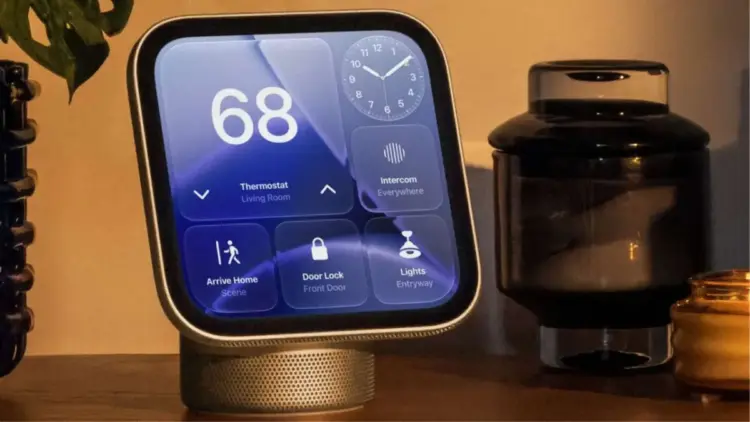
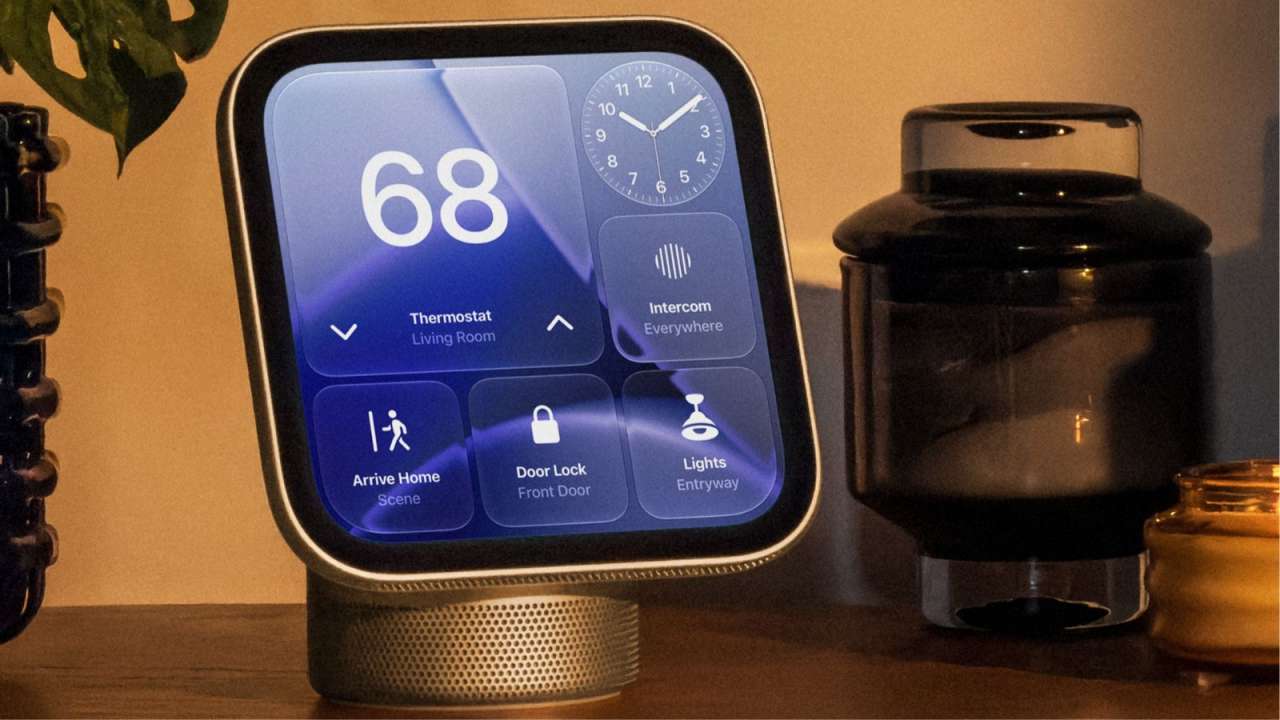
Apple’s HomeView is a 7-inch touchscreen device engineered to simplify daily interactions within the home. Priced at USD 299, it is scheduled for commercial release in November, marking a pivotal moment for the Cupertino-based tech titan’s smart home ambitions. Far from being a general-purpose tablet, HomeView is purpose-built as a dedicated smart home screen, designed to act as a sophisticated yet unobtrusive extension of a user’s iPhone.
At its heart, the HomeView leverages personalized Siri AI, allowing for contextually aware interactions that adapt to individual users within a household. This personalization extends to tailoring home screens with relevant apps, calendar appointments, and notifications, all orchestrated through advanced camera and voice recognition technologies. Unlike many competing devices that process and store personal data directly on the cloud or device, Apple has adopted a privacy-first architecture: HomeView primarily relies on a nearby iPhone for contextual information, ensuring that sensitive personal data remains within the user’s secure Apple ecosystem.
The device itself boasts Apple’s signature design philosophy, featuring a minimalist aesthetic with options for placement on an elegant aluminum base or discreet wall mounting. While it comes equipped with essential built-in Apple applications such as FaceTime and Apple Music, its functionality for third-party services like Spotify is strategically tethered to an iPhone, further reinforcing its role as an extension rather than a standalone hub.
This launch represents Apple’s concerted effort to re-engage with the smart home market after its initial venture with the HomePod in 2018. Despite its premium audio quality, the original HomePod struggled to gain significant traction, capturing only an estimated 6 percent market share. With HomeView, Apple appears to have learned crucial lessons, shifting its focus from a high-fidelity speaker with smart features to a dedicated smart display that prioritizes visual interaction, seamless integration, and, crucially, user trust through enhanced privacy measures. The USD 299 price point, while higher than many entry-level smart displays from competitors, aligns with Apple’s established strategy of targeting the high-end market, a segment where its iPhones continue to command significant dominance despite premium pricing.

Chronology: Apple’s Evolving Smart Home Journey
Apple’s path to the HomeView has been a deliberate and often challenging one, marked by initial forays, learning curves, and a persistent ambition to redefine the smart home experience.
The Genesis of HomeView: Apple’s Smart Home Ambitions
Apple’s interest in the smart home ecosystem predates the HomePod, with the introduction of HomeKit in 2014. HomeKit provided a framework for developers to integrate their smart home accessories with Apple devices, enabling control via the Home app and Siri. While foundational, HomeKit’s reliance on third-party hardware meant Apple lacked a direct hardware presence in the core smart home hub category.

This changed in 2017 with the announcement of the original HomePod, which launched in February 2018. Positioned primarily as a high-fidelity smart speaker designed to compete with premium audio brands, the HomePod integrated Siri for voice control, music playback, and basic smart home commands. Apple touted its advanced acoustic engineering and deep Apple Music integration. However, the device faced several hurdles: its USD 349 price was significantly higher than Amazon Echo and Google Home devices, Siri’s capabilities were often perceived as less versatile than Alexa or Google Assistant, and its closed ecosystem limited third-party music service support at launch. Consequently, despite a loyal following for its sound quality, the HomePod struggled to achieve widespread adoption, garnering only an estimated 6% market share in the smart speaker segment by 2019. This experience served as a crucial lesson for Apple, highlighting the need for a more accessible price point, broader functionality, and a clearer value proposition beyond just audio. The subsequent release of the more affordable HomePod mini in 2020 addressed some of these concerns, expanding Apple’s footprint but still not establishing a clear lead in the broader smart home display market.
The Road to HomeView: Development and Unveiling
Following the HomePod’s mixed reception, industry speculation intensified regarding Apple’s next move in the smart home space. Rumors of a dedicated smart display, often dubbed an "Apple Home Hub" or "iPad for the Home," circulated for years, indicating that Apple was actively exploring alternatives to its speaker-centric approach. The development of HomeView likely involved extensive research into user pain points with existing smart displays, particularly concerning privacy, complexity, and the fragmentation of services.

The unveiling of HomeView at a recent New York event was meticulously orchestrated. Apple executives emphasized simplicity, elegant design, and the device’s inherent trustworthiness. The presentation focused on how HomeView seamlessly integrates into daily routines without overwhelming the user, framing it as a natural extension of the familiar iPhone experience. The choice of a 7-inch display, rather than a larger or smaller screen, suggests a sweet spot identified for glanceable information and interactive control without dominating a room. The emphasis on personalization through camera and voice recognition, and the strategic decision to offload sensitive data processing to the iPhone, were central themes, directly addressing common user anxieties about smart home devices. From the moment of its announcement, Apple outlined a clear path to market, confirming a November availability, allowing for pre-orders and building anticipation among its vast customer base for the holiday season. This structured approach underscores Apple’s renewed commitment and refined strategy for the smart home.
Supporting Data: A Fragmented Market and Apple’s Unique Play
The smart home market is a dynamic and rapidly expanding sector, yet it remains notably fragmented, characterized by diverse ecosystems and varying consumer preferences. This landscape provides both challenges and opportunities for a new entrant like Apple’s HomeView.

Market Landscape: A Fragmented Smart Home Ecosystem
For nearly a decade, Amazon and Google have dominated the smart home market, particularly in the smart speaker and smart display categories. Devices like the Amazon Echo Show and Google Nest Hub have become ubiquitous, offering a wide array of features from voice assistance and media consumption to video calls and smart device control. Industry reports consistently show Amazon holding the largest market share in smart speakers/displays, followed closely by Google. Their early entry and aggressive pricing strategies allowed them to capture a significant installed base.
However, despite their dominance, neither Amazon nor Google has achieved a truly unified or universally beloved smart home experience. Consumers frequently report issues with interoperability between different brands of smart devices, complexity in setup and management, and, crucially, persistent concerns about data privacy and how their personal information is collected, stored, and utilized by these always-on listening devices. A significant portion of the market remains cautious or unengaged due to these perceived drawbacks. Recent surveys indicate a growing consumer demand for simpler, more reliable, and explicitly privacy-focused smart home solutions. This indicates a potential vacuum for a trusted brand that can address these concerns head-on. The smart home market continues to grow, with projections estimating billions of connected devices globally within the next few years, creating ample room for new players who can differentiate themselves effectively.

The "Boring" Strategy: A Deep Dive into Apple’s Philosophy
Apple’s decision to label HomeView’s design philosophy as "boring" is a masterstroke in strategic communication, directly contrasting with the often-overhyped and sometimes overwhelming nature of current AI products. In an era where AI is frequently associated with complex algorithms, data harvesting, and unpredictable behavior, Apple is deliberately positioning HomeView as a beacon of predictability, reliability, and trustworthiness. This strategy aims to alleviate consumer anxieties, particularly those stemming from privacy concerns and the perceived lack of control over personal data.
The "boring" aspect of HomeView is its unwavering focus on core utility and seamless integration, rather than flashy, experimental features. It’s designed to perform essential smart home tasks flawlessly and predictably, becoming an invisible yet indispensable part of daily life. This philosophy is deeply intertwined with the power of the Apple ecosystem. By leveraging the iPhone as the primary hub for context and data processing, HomeView ensures that personal information—such as individual Spotify accounts, iMessages, and FaceTime call history—remains securely managed within the user’s trusted Apple ID. This approach fosters user confidence, as data is not indiscriminately shared or stored on the HomeView device itself, but rather accessed securely from the iPhone, where Apple’s robust privacy safeguards are already in place. The personalization of HomeView, therefore, is not achieved through extensive cloud-based profiling but through on-device intelligence and secure, localized data exchange with the user’s iPhone. For instance, when different family members interact with HomeView, it intelligently recognizes them through voice and camera, pulling their respective calendars, music preferences, or communication histories directly from their paired iPhones, ensuring a truly personalized yet private experience for each individual. This nuanced approach to personalization and privacy is HomeView’s secret weapon against its competitors, aiming to build long-term trust and loyalty.

Technical Specifications and User Experience
The HomeView’s physical design reflects Apple’s commitment to minimalism and functional elegance. The 7-inch touchscreen offers a compact yet highly legible interface, ideal for quick glances at information like weather, calendar appointments, or notifications. Its high-resolution display ensures crisp visuals for video calls via FaceTime or browsing media. The device can be flexibly positioned either on an aluminum base, providing a sturdy and aesthetically pleasing desktop or countertop stand, or securely mounted on a wall, blending seamlessly into various home environments. This dual-placement option enhances its versatility, allowing users to integrate it into kitchens, living rooms, or bedrooms as desired.
Under the hood, HomeView employs sophisticated camera and voice recognition capabilities. The camera is not just for FaceTime calls; it plays a crucial role in personalizing the experience by recognizing individual users, thereby activating their specific home screen layouts, app preferences, and calendar appointments. This on-device recognition, coupled with Siri AI, ensures that interactions are tailored and contextually relevant. Siri is the primary control interface, allowing users to manage smart home devices, play music, make calls, or access information through natural language commands. Its personalization extends to understanding individual voices and preferences, providing a truly bespoke AI assistant experience.

Regarding its app ecosystem, HomeView comes preloaded with core Apple applications like FaceTime, Apple Music, and the Home app for controlling HomeKit-compatible devices. However, for broader third-party application support, such as streaming services like Spotify or other productivity tools, HomeView intelligently relies on the connected iPhone. This means that while users can initiate Spotify playback via Siri on HomeView, the actual streaming and account management are handled through the iPhone, reinforcing HomeView’s role as an "extension" rather than a fully independent computing device. This design choice simplifies the device’s internal architecture, enhances security, and ensures a consistent user experience tied to the iPhone’s robust app ecosystem. Essentially, HomeView offers the convenience of a smart display without the redundancy or complexity of a full-fledged tablet, distinguishing it sharply from an iPad simply placed on a stand.
Official Responses: Apple’s Vision Meets Market Scrutiny
The launch of HomeView elicited a blend of carefully articulated vision from Apple and immediate analysis from industry observers, highlighting the device’s potential and perceived challenges.

Apple’s Stated Vision
At the New York unveiling, Apple executives underscored HomeView’s core purpose: to deliver a truly personal and intuitive smart home experience, free from the complexities and privacy concerns that plague many existing solutions. Tim Cook, or a senior executive (as per the original text, "Apple introduced HomeView at a New York event, emphasising simplicity and elegance in its design"), likely articulated the company’s commitment to user trust and seamless integration. The message was clear: HomeView is not just another gadget; it is a thoughtful addition to the Apple ecosystem, designed to enhance daily life without demanding constant attention or compromising privacy.
The emphasis on simplicity and elegance in design was a direct response to the often cluttered and visually jarring nature of some smart home devices. Apple positioned HomeView as a device that blends into the home environment, rather than stands out. Furthermore, the strategic reliance on the iPhone for sensitive data processing and context was heavily promoted as a key differentiator, directly addressing widespread consumer apprehension about always-on microphones and cameras. Apple effectively framed HomeView as a secure gateway to the smart home, leveraging the established trust and security protocols of the iPhone, thereby aiming to alleviate previous criticisms leveled against smart home devices regarding data collection and privacy infringements.

Industry Analysts and Commentators Weigh In
Initial reactions from tech journalists and industry analysts were mixed but largely analytical. Many commentators acknowledged Apple’s refined strategy compared to the HomePod’s launch, recognizing the shift towards a more visual, interactive smart home hub. However, the USD 299 price point immediately became a focal point of discussion. Analysts quickly noted that this price is considerably higher than most comparable smart displays from Google and Amazon, which often retail for under USD 200, with some entry-level models even below USD 100. This price disparity led to questions about HomeView’s market competitiveness.
Despite the price, many also recognized Apple’s consistent success in the high-end market. As one commentator might have observed, "Apple has a long history of selling premium products at premium prices, and the iPhone’s continued dominance in the high-end smartphone segment, despite being more expensive than Android counterparts, is a testament to this strategy." There was an understanding that Apple is not aiming for mass market share in the same way Amazon or Google might; instead, it targets affluent consumers who prioritize design, privacy, and seamless integration within the Apple ecosystem.

Skepticism centered on whether Apple’s "boring" strategy might be too simple for a market accustomed to feature-rich devices, or if Siri’s capabilities, while improved, could truly compete with the vast array of integrations offered by Alexa and Google Assistant. Optimism, however, hinged on the strong brand loyalty of Apple users, the compelling privacy narrative, and the potential for Apple to finally bring a coherent and trustworthy experience to a smart home market that, despite a decade of innovation from Google and Amazon, has yet to see a clear, undisputed leader emerge with a truly integrated and user-friendly platform.
Implications: Reshaping the Smart Home Landscape
The introduction of Apple’s HomeView carries significant implications, not only for Apple’s trajectory in the smart home sector but also for the broader industry, potentially redefining consumer expectations and competitive strategies.

Impact on the Smart Home Market
HomeView’s entry could significantly disrupt the established dynamics of the smart home market, currently dominated by Amazon and Google. While its higher price point might limit its initial market share compared to its budget-friendly rivals, Apple’s focus on simplicity, premium design, and, most importantly, privacy, could compel competitors to re-evaluate their own product development strategies. If HomeView gains traction, it might force Amazon and Google to enhance their privacy features and simplify their user interfaces to remain competitive, especially in the mid-to-high end segments. This could lead to an overall improvement in user experience and data security across the industry.
Furthermore, HomeView’s "extension of iPhone" philosophy could inspire other manufacturers to explore tighter integration with their respective flagship devices, moving away from standalone smart displays towards more interconnected ecosystems. It might also accelerate the adoption of new standards for interoperability, as consumers increasingly demand devices that work seamlessly together, regardless of brand. Apple’s influence often extends beyond its own sales figures, setting trends and raising the bar for innovation and user expectation across the entire tech landscape.

Apple’s Ecosystem Fortification
For Apple, HomeView represents a crucial step in fortifying its already robust ecosystem. By offering a dedicated smart display that deeply integrates with the iPhone, Apple further entrenches its users within its hardware and software services. This seamless integration makes it even harder for users to switch to competing platforms, as the value proposition of the Apple ecosystem becomes more comprehensive and interconnected. HomeView could serve as a central hub, connecting not only iPhones but also other Apple devices like Apple TV, AirPods, and even future innovations like the Vision Pro, creating a truly unified and intelligent home environment.
This move underscores Apple’s long-term strategy to own the "digital lifestyle" of its users, extending its influence from personal devices to the ambient technology within the home. The HomeView’s ability to personalize interactions based on individual Apple IDs strengthens the value of having multiple Apple products, encouraging deeper investment in the brand. It positions Apple not just as a device maker, but as a provider of an integrated lifestyle solution, where every device works in concert to enhance convenience, entertainment, and productivity.

Challenges and Opportunities
Despite its promising strategy, HomeView faces several challenges. The USD 299 price point, while consistent with Apple’s premium branding, remains a significant barrier for many consumers, particularly when compared to the aggressively priced offerings from Amazon and Google. Apple will need to effectively communicate the unique value proposition—primarily privacy and seamless iPhone integration—to justify this higher cost. Another challenge lies in user perception: some consumers might find HomeView’s "boring" simplicity to be too basic, preferring the extensive features and broader third-party app support offered by competitors. Siri, while improved, will also need to demonstrate enhanced capabilities to truly rival its more established voice assistant counterparts.
However, the opportunities for HomeView are substantial. There is a clear, untapped market of privacy-conscious consumers who are wary of current smart home devices. Apple’s strong brand loyalty and reputation for data security position it perfectly to capture this segment. The increasing sophistication of the smart home market means that users are now seeking more than just basic voice commands; they want intelligent, personalized, and reliable interactions, areas where HomeView aims to excel. If Apple can successfully educate the market on the benefits of its privacy-centric, iPhone-extended approach, HomeView could become a significant product, demonstrating that in the smart home, trust and simplicity can indeed triumph over raw feature count. Its success or failure will offer valuable insights into the future direction of smart home technology and Apple’s continued evolution beyond its traditional product lines.

Find your daily dose of All Latest News including Sports News, Entertainment News, Lifestyle News, explainers & more. Stay updated, Stay informed- Follow DNA on WhatsApp.