NEW DELHI, India – November 1, 2026 – The Indian precious metals market continues to navigate a complex interplay of global and domestic forces, with gold showing a slight upward trend and silver maintaining significant value as a versatile asset. As of November 1, 2026, both gold and silver prices across major Indian cities reflect the ongoing volatility in international markets, coupled with robust local demand ahead of the traditional festive and wedding seasons. This comprehensive analysis delves into the current pricing landscape, historical context, underlying economic drivers, expert insights, and the broader implications for consumers and the Indian economy.
Current Market Snapshot: Gold and Silver Rates on November 1, 2026
The day begins with gold prices experiencing a modest ascent, primarily driven by persistent global inflationary pressures and sustained safe-haven demand. Silver, while generally more affordable, continues to hold its ground as a dual-purpose metal for investment and industrial applications.
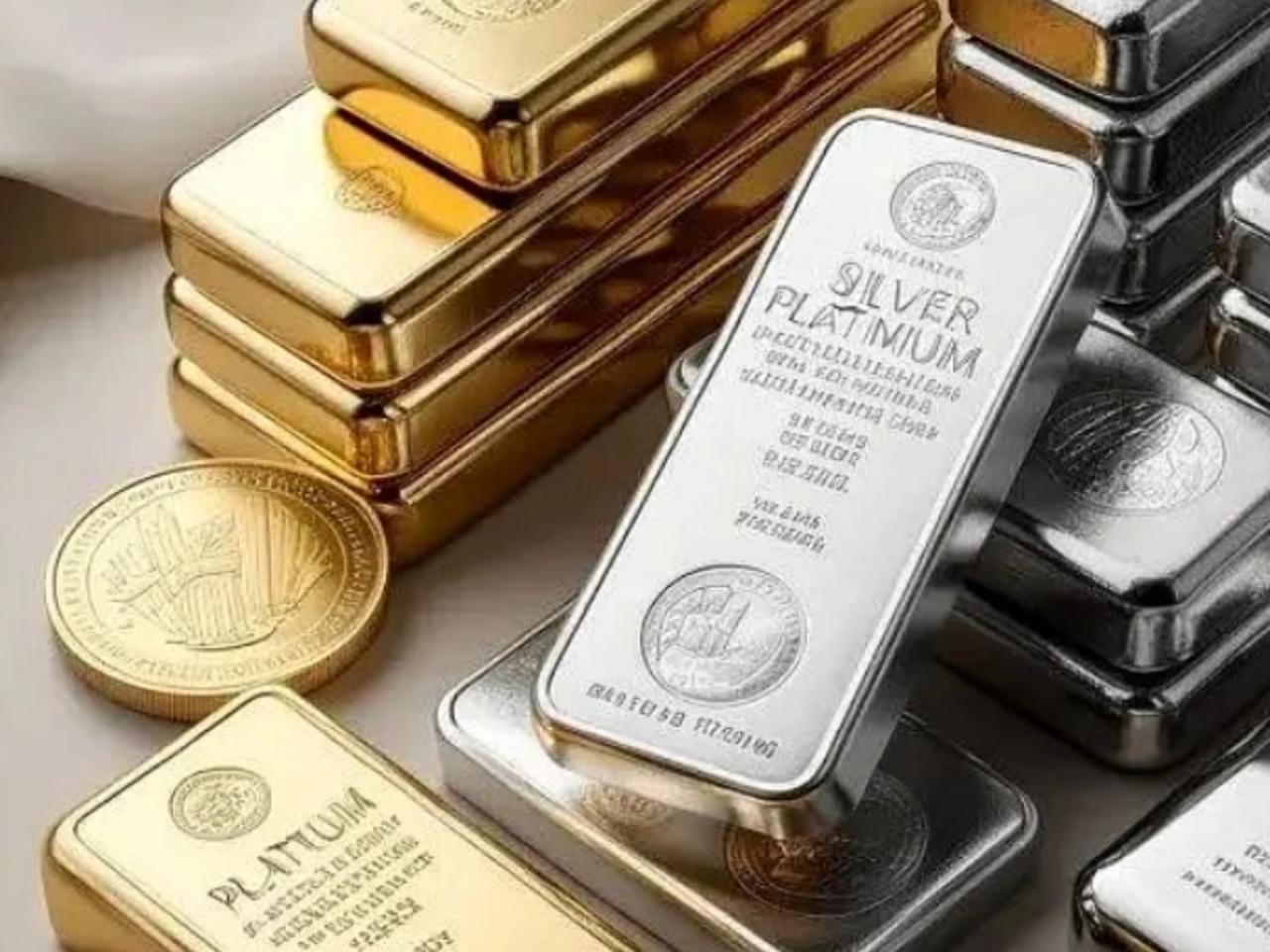
Aggregated National Prices:
- Gold (24K, 999 purity): ₹13,888 per gram
- Gold (22K, 91.67% purity, popular for jewellery): ₹12,730 per gram
- Silver (999 purity): ₹200 per 10 grams (or ₹2,00,000 per kilogram)
- Silver (925 purity, Sterling Silver): ₹2,20,000 per kilogram
City-Wise Gold Rates:
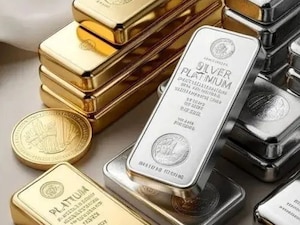
The slight variations observed across cities underscore the localized influences on pricing, including transport costs, local taxes, and regional demand patterns.
- Delhi:
- 24K Gold: ₹13,903 per gram
- 22K Gold: ₹12,745 per gram
- Mumbai:
- 24K Gold: ₹13,888 per gram
- 22K Gold: ₹12,730 per gram
- Kolkata:
- 24K Gold: ₹13,888 per gram
- 22K Gold: ₹12,730 per gram
- Chennai:
- 24K Gold: ₹13,888 per gram
- 22K Gold: ₹12,730 per gram
City-Wise Silver Rates (999 Purity):

Silver prices exhibit a more uniform trend across major metropolitan areas, reflecting its industrial commodity status and relatively less localized demand compared to gold jewellery.
- Delhi: ₹2,000 per 10 grams
- Mumbai: ₹2,000 per 10 grams
- Kolkata: ₹2,000 per 10 grams
- Chennai: ₹2,000 per 10 grams
These figures, sourced from reputable financial data providers like Good Returns, provide a precise snapshot of the market as of today.

A Look Back: Chronology of Price Movements
The current prices are not isolated events but rather a culmination of trends observed over the past year, significantly influenced by a volatile global economic landscape.
Gold’s Upward Trajectory: A Response to Uncertainty
Over the past 12-18 months, gold has steadily cemented its role as a premier safe-haven asset. The "slight increase" noted today is part of a broader upward trajectory that gained momentum in late 2025. This period was characterized by:

- Persistent Global Inflation: Central banks worldwide, including the US Federal Reserve and the European Central Bank, grappled with inflation rates that proved more stubborn than initially anticipated. This led investors to seek refuge in gold as a traditional hedge against eroding purchasing power.
- Geopolitical Tensions: Ongoing geopolitical instability in various regions globally fueled risk aversion, prompting a flight of capital towards tangible assets like gold. Escalating conflicts and renewed trade disputes contributed significantly to this sentiment.
- Central Bank Buying: Several central banks globally continued to accumulate gold reserves, diversifying away from fiat currencies and further bolstering demand. This institutional buying provided a strong floor for prices.
- Fluctuating Interest Rate Expectations: While aggressive interest rate hikes initially dampened gold’s appeal (as it yields no interest), the narrative shifted as markets began to price in potential rate cuts or a slower pace of hikes in late 2025 and early 2026. Lower interest rates generally make non-yielding assets like gold more attractive.
The increase observed on November 1, 2026, specifically can be linked to renewed concerns over global economic growth prospects, coupled with anticipation of heightened consumer demand during India’s upcoming festive season. The price of 24K gold, which was hovering around ₹12,500 per gram in early 2026, has seen a consistent climb, reflecting a sustained investor belief in its long-term value.
Silver’s Dual Role: Industrial Demand Meets Investment Appeal
Silver’s price trajectory has mirrored gold’s in some respects but has also been significantly shaped by its industrial applications. Historically, silver tends to be more volatile than gold due to its dual nature.

- Industrial Demand Revival: The global push towards green energy technologies (solar panels, electric vehicles), coupled with advancements in electronics, has sustained robust industrial demand for silver. This factor has been a key driver, preventing significant price declines even during periods of economic slowdown.
- Investment Demand: Like gold, silver has benefited from safe-haven buying during times of economic uncertainty, albeit to a lesser extent. Its relative affordability makes it an attractive entry point for smaller investors looking to diversify into precious metals.
- Volatility Spikes: Throughout 2026, silver has experienced sharper intraday and week-on-week fluctuations compared to gold. This volatility is often exacerbated by speculative trading and its sensitivity to manufacturing output data. The current price of ₹2,000 per 10 grams for 999 pure silver represents a relatively stable point after a period of moderate gains and corrections throughout the year. For instance, after reaching a high of approximately ₹2,150 per 10 grams in Q2 2026, it saw a slight pullback before stabilizing at current levels.
The consistent demand from both the industrial sector and retail investors has been instrumental in maintaining silver’s current valuation, preventing any significant downward pressure despite broader economic headwinds.
Supporting Data: Unpacking the Influencing Factors
The intricate web of factors dictating gold and silver prices in India can be broadly categorized into global market dynamics, domestic demand, and currency movements.

Global Market Trends: The Macroeconomic Picture
- International Gold Prices (COMEX & LBMA): Indian gold prices are directly linked to international spot prices, primarily determined on the COMEX (New York Mercantile Exchange) and the London Bullion Market Association (LBMA). Any movement in these global benchmarks, often quoted in US dollars per troy ounce, translates directly to Indian prices after currency conversion. Today’s slight increase in India mirrors an upward tick in global gold futures, influenced by renewed concerns over inflation and a slightly weaker US Dollar.
- US Dollar Index (DXY): The strength or weakness of the US Dollar against a basket of major currencies (measured by the DXY) plays a crucial role. A stronger dollar makes dollar-denominated gold more expensive for holders of other currencies, potentially dampening demand. Conversely, a weaker dollar makes gold cheaper and thus more attractive. The recent slight weakening of the dollar has contributed to gold’s upward momentum in India.
- Global Inflationary Pressures: Persistent inflation in major economies compels investors to seek inflation hedges. Gold, with its historical track record of preserving value during inflationary periods, becomes a preferred asset. Reports of higher-than-expected inflation figures from the Eurozone and certain Asian economies have rekindled inflationary concerns, providing tailwinds for gold prices.
- Interest Rate Expectations of Major Central Banks: The monetary policies of central banks, especially the US Federal Reserve, are critical. Higher interest rates increase the opportunity cost of holding non-yielding assets like gold. However, market expectations of an eventual plateau or even a pivot towards rate cuts can boost gold’s appeal. The current consensus among analysts suggests that the aggressive tightening cycle might be nearing its end, which is supportive of gold.
- Geopolitical Stability: Global conflicts, political tensions, and economic uncertainties (e.g., trade disputes, energy crises) consistently drive demand for safe-haven assets. The ongoing situation in Eastern Europe and tensions in the Middle East continue to underpin gold’s allure as a crisis hedge.
- Crude Oil Prices: Fluctuations in international crude oil prices directly impact global inflation expectations. Higher oil prices can stoke inflation, indirectly boosting gold’s attractiveness.
Local Demand: The Indian Specifics
- Festive and Wedding Seasons: India’s cultural affinity for gold is deeply ingrained, especially during the festive season (Diwali, Dhanteras, Akshaya Tritiya) and wedding season. These periods traditionally see a significant surge in demand for gold jewellery and investment products. As November begins, the anticipation of upcoming festivals acts as a strong demand driver.
- Cultural Significance: Gold and silver are not merely commodities but hold immense cultural, religious, and traditional significance in India, often passed down as heirlooms. This inherent cultural value ensures a baseline level of demand irrespective of price fluctuations.
- Rural Demand: A substantial portion of India’s gold demand originates from rural areas, where it is often seen as a secure investment and a store of wealth, particularly after a good monsoon season. The performance of the agricultural sector directly influences rural purchasing power.
- Investment vs. Jewellery Demand: While jewellery accounts for the lion’s share, investment demand (gold coins, bars, ETFs, Sovereign Gold Bonds) is growing, particularly among urban investors seeking portfolio diversification. Silver’s affordability makes it a popular choice for smaller investments and gifts.
Changing Currency Rates: The INR-USD Equation
The exchange rate between the Indian Rupee (INR) and the US Dollar (USD) is a pivotal factor in determining local prices. Since India imports almost all its gold and silver, a depreciating rupee makes these imports more expensive in local currency terms, even if international dollar prices remain stable. Conversely, a strengthening rupee can soften local prices. The INR has shown moderate volatility against the USD in recent months, with any weakening contributing to the upward pressure on domestic gold prices.
Inflationary Pressures within India
India’s domestic inflation, particularly consumer price index (CPI) inflation, also influences gold demand. When local inflation is high, investors and savers often turn to gold to protect their wealth from erosion. The Reserve Bank of India’s (RBI) efforts to manage inflation through monetary policy decisions (like repo rate adjustments) indirectly affect the attractiveness of gold as an alternative investment.

Official Responses and Expert Commentary
The current precious metals market is a frequent topic of discussion among economists, market analysts, and industry leaders.
Views from Market Analysts
Mr. Rajesh Khurana, a Senior Precious Metals Analyst at a leading financial institution, remarked, "The gold market on November 1, 2026, reflects a confluence of traditional safe-haven buying and a proactive response to persistent global inflationary signals. While the US Federal Reserve’s stance on interest rates remains a key determinant, market participants are increasingly pricing in a scenario where inflation proves stickier than initially projected, providing a strong floor for gold. We anticipate sustained demand leading up to Diwali, which will keep local prices firm."

Regarding silver, Ms. Priya Sharma, an independent commodities expert, noted, "Silver’s performance is currently a testament to its dual utility. Strong industrial demand from sectors like renewable energy and electronics is providing a robust underlying support, even as its investment appeal grows. The current price level for silver suggests a balanced market, but it remains susceptible to sharper swings based on economic data releases and manufacturing outlooks."
Jewellery Associations and Retailer Perspectives
The All India Gem and Jewellery Domestic Council (GJC) expressed cautious optimism. Mr. Saiyam Mehra, Chairman of GJC, stated, "The slight increase in gold prices today, while making purchases marginally costlier, has not deterred the strong festive spirit. We are seeing healthy footfall in stores across major cities. Consumers, especially those planning for weddings and family events, view gold as an essential purchase and a long-term asset. Retailers are prepared with diverse collections, including lighter weight jewellery and attractive designs to cater to various budgets."

Local jewellers in Mumbai and Chennai reported steady sales, with an observable trend towards 22K gold for bridal jewellery and 24K gold coins/bars for investment. Many also highlighted the rising popularity of silver articles and ornaments, especially as gifts, given its more accessible price point.
Government and Reserve Bank of India (RBI) Stance
While the government does not directly intervene in daily precious metal prices, its broader economic policies and the RBI’s monetary policy significantly influence the market. The RBI’s consistent focus on maintaining price stability and managing the rupee’s volatility indirectly impacts imported gold and silver prices. The success of government initiatives like the Sovereign Gold Bond (SGB) scheme has also provided an alternative, non-physical avenue for gold investment, potentially moderating physical demand to some extent. The latest economic review from the Ministry of Finance acknowledged the role of precious metal imports in the current account deficit but noted that the stable domestic demand for these assets reflects underlying consumer confidence and cultural practices.

Implications and Future Outlook
The current pricing trends for gold and silver carry significant implications for various stakeholders, from individual consumers and investors to the broader Indian economy.
For Consumers
- Purchasing Decisions: The slightly higher gold prices might lead some consumers to defer non-essential purchases or opt for lighter jewellery. However, for traditional events like weddings, gold remains indispensable.
- Silver as an Alternative: The affordability of silver makes it an increasingly attractive option for gifting, daily wear jewellery, and smaller investments, especially when gold prices are elevated.
- Buying Advice: Consumers are advised to purchase certified gold (BIS hallmark) to ensure purity and transparency. Comparing prices across reputable jewellers and considering SGBs for investment purposes can also be beneficial.
For Investors
- Safe-Haven Appeal: Gold continues to serve as a vital hedge against inflation and economic uncertainty. Its performance today reinforces its role in diversifying investment portfolios.
- Silver’s Potential: Silver, often dubbed "poor man’s gold," offers higher volatility but also higher potential returns. Its strong industrial demand provides a fundamental underpinning for its value.
- Diversification: Investors are increasingly looking at a mix of physical gold, gold ETFs, and SGBs to balance liquidity, safety, and returns.
For the Indian Economy
- Import Bill: Gold and silver imports represent a significant portion of India’s overall import bill. Elevated prices and robust demand can put pressure on the current account deficit, impacting the country’s external balance.
- Jewellery Sector: The health of the gem and jewellery sector, a major employer and contributor to India’s GDP, is directly tied to precious metal demand. Sustained consumer interest supports thousands of artisans, craftsmen, and retailers.
- Forex Reserves: The RBI’s management of foreign exchange reserves is crucial in mitigating the impact of large precious metal imports.
Future Outlook: What Lies Ahead
The near-to-medium term outlook for gold and silver prices will continue to be shaped by a few critical factors:

- Global Monetary Policy: The trajectory of interest rates by major central banks, particularly the US Fed, will remain paramount. Any clear signals of rate cuts or prolonged pauses could further boost gold.
- Inflationary Environment: Whether global and domestic inflation cools down or remains elevated will dictate gold’s appeal as an inflation hedge.
- Geopolitical Stability: A de-escalation of global conflicts could reduce safe-haven demand, while new tensions could spur it.
- Indian Economic Growth and Festive Demand: Robust economic growth in India, coupled with the enduring cultural significance of gold during upcoming festivals (such as the winter wedding season and New Year celebrations), will continue to drive strong domestic demand.
- Industrial Demand for Silver: The growth of green technologies and electronics will be crucial for silver’s industrial demand component.
In conclusion, as of November 1, 2026, the Indian precious metals market stands at a fascinating juncture. Gold, buoyed by global uncertainties and inflationary concerns, continues its upward journey, affirming its status as a timeless asset. Silver, with its unique blend of industrial utility and investment appeal, maintains its strong position. While global forces provide the overarching narrative, India’s deep-rooted cultural affinity and robust domestic demand ensure that these precious metals remain central to its economy and society. Market participants will be keenly observing global economic indicators and domestic consumer sentiment to gauge the future trajectory of these invaluable commodities.
Find your daily dose of All Latest News including Sports News, Entertainment News, Lifestyle News, explainers & more. Stay updated, Stay informed- Follow DNA on WhatsApp.