
NEW DELHI, India – India stands at a critical juncture in its economic development, celebrating a monumental achievement in poverty reduction while grappling with a persistent and widening chasm of income inequality. A recent report by the World Bank underscores this complex reality, revealing that while hundreds of millions have been lifted out of extreme poverty over the past decade, the earnings of the wealthiest 10% of workers continue to dwarf those of the poorest 10% by a staggering thirteen-fold margin in 2023.
The findings present a nuanced picture of India’s growth trajectory, highlighting the successes of targeted interventions and economic expansion, but also pointing to the urgent need for more inclusive wealth distribution and the creation of higher-quality employment opportunities. The report, a crucial benchmark for policymakers and development experts, serves as both a commendation of past efforts and a stark reminder of the challenges that lie ahead in ensuring that the benefits of progress are shared more equitably across the nation.
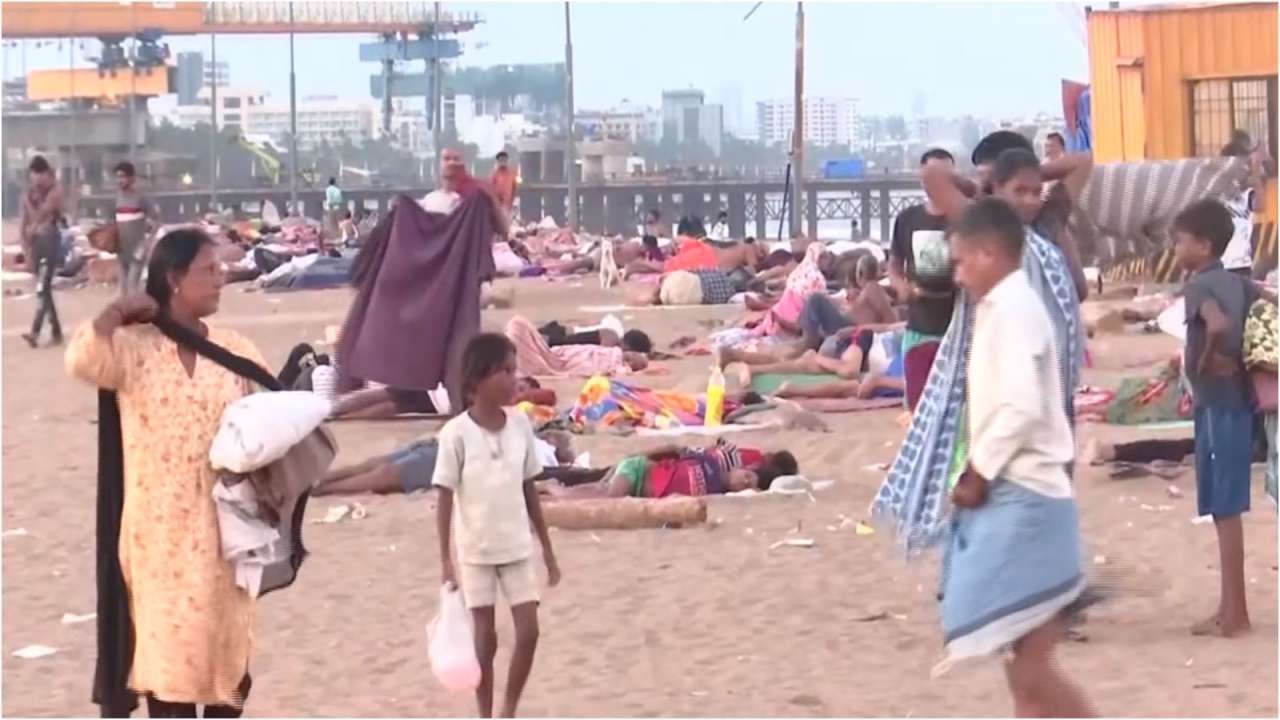
Unpacking India’s Economic Progress: Key Findings from the World Bank
The World Bank’s comprehensive analysis, based on 2023 data, paints a dual narrative of remarkable advancement and entrenched disparity. At its core, the report confirms India’s significant strides in combating poverty, a testament to years of sustained economic growth and social welfare programs. However, this impressive headline is immediately tempered by the revelation of profound wage differences that threaten the very fabric of equitable development.
The most striking revelation is the pronounced wage disparity: median earnings among the top 10% of India’s workforce were approximately 13 times higher than those of the bottom 10% in 2023. This stark figure cuts through broader measures of inequality, spotlighting the vast difference in economic opportunities and rewards available to different segments of the population.

Despite this glaring gap, India’s Gini index, a widely used measure of income or consumption distribution, stood at 23.0 in 2023. While a lower Gini score typically suggests a more equal distribution, the World Bank cautions that this figure, derived from household surveys, may not fully capture the consumption patterns of wealthier households, potentially understating the true extent of inequality. This nuance is critical, as it implies that the observed wage gap might be even more severe than what aggregate Gini measures suggest.
The report also details the significant decline in multidimensional poverty, which considers factors beyond just income, such as health, education, and living standards. This holistic approach provides further evidence of improved living conditions for millions, even as income disparities persist. The confluence of these findings underscores India’s complex socio-economic landscape, where broad-based poverty reduction coexists with deeply entrenched income stratification.

A Decade of Transformation: Chronology of Poverty Reduction
India’s journey towards poverty alleviation over the past decade has been nothing short of transformative, marked by a substantial decline in the number of people living below international poverty lines. The World Bank’s data meticulously chronicles this progress, offering a chronological view of how millions have transitioned out of destitution.
The period between 2011 and 2023 witnessed a dramatic fall in the share of India’s population living below the World Bank’s $3-a-day extreme poverty line. This benchmark, adjusted for purchasing power parity (PPP) in 2021 to account for varying costs of living across countries, serves as a critical indicator of absolute poverty. The decline signifies a substantial improvement in the basic economic security of a large segment of the population.

Even more striking is the progress observed against the $4.20-a-day poverty line, which is the World Bank’s specific benchmark for lower-middle-income countries like India. Over the 12-year span from 2011 to 2023, the poverty rate at this threshold plummeted from a staggering 57.7% to a significantly reduced 16.1%. This monumental shift translates into an estimated 496 million people moving above the $4.20-a-day poverty line, marking one of the largest poverty reduction efforts in recent global history. This achievement is a testament to sustained economic growth, improved social safety nets, and increasing access to opportunities.
Beyond income-based metrics, India has also made remarkable headway in reducing multidimensional poverty. The Oxford Poverty and Human Development Initiative’s Multidimensional Poverty Index (MPI), which incorporates indicators of health, education, and living standards, showed a steep decline in the poverty rate from 53.8% in 2005–06 to 16.4% in 2019–21. The World Bank’s own multidimensional poverty measure further corroborated this trend, standing at 15.5% in 2022–23. These figures highlight not just an increase in income, but also tangible improvements in basic services and quality of life for a vast number of Indians.

The report also traces the evolution of India’s employment landscape. Between 2017 and 2023, the country saw a significant increase in employment, with approximately 134 million new jobs created. This expansion was nearly twice the increase in the working-age population during the same period, suggesting a robust absorption of labor into the economy. A particularly notable aspect of this employment growth was the increased participation of rural women in paid employment, contributing to a rise in the number of earners within households and consequently aiding in poverty reduction. However, as the report meticulously details, the quality and remunerative nature of these new jobs remain a critical area of concern, setting the stage for the persistent wage disparities observed.
Decoding the Numbers: Supporting Data and Deeper Analysis
A closer examination of the World Bank’s data reveals the intricacies behind India’s development story, offering granular insights into the metrics of poverty, inequality, and employment.

Poverty Thresholds and Their Impact
The World Bank employs specific poverty thresholds to assess the extent of deprivation, adjusted for purchasing power parity (PPP) to ensure cross-country comparability. The $3-a-day extreme poverty line and the $4.20-a-day line for lower-middle-income countries are based on 2021 PPP values. The substantial reduction in the percentage of the population below these lines — from 57.7% to 16.1% at the $4.20-a-day mark over 12 years — is a powerful indicator of economic upliftment. The sheer scale of 496 million people moving above the $4.20-a-day line underscores the profound impact of India’s growth on its citizens’ basic economic well-being.
Complementing these income-based measures, multidimensional poverty indices provide a more holistic view. The MPI, developed by the Oxford Poverty and Human Development Initiative, assesses poverty across multiple deprivations in health, education, and living standards. The decline from 53.8% (2005-06) to 16.4% (2019-21) and the World Bank’s own measure at 15.5% (2022-23) signal significant improvements in access to essential services, nutrition, schooling, and improved housing conditions.

The Nuance of Inequality: Gini vs. Wage Gap
Understanding inequality in India requires looking beyond a single metric. The World Bank reported India’s Gini index at 23.0 in 2023. The Gini index, ranging from 0 (perfect equality) to 100 (perfect inequality), suggests a relatively low level of overall inequality when viewed in isolation. However, the report astutely points out that this figure does not fully capture the profound disparities in earnings between the richest and poorest workers.
The key distinction lies in what each metric measures. The Gini index provides an aggregate view of income or consumption distribution across the entire population. It can be influenced by a large middle class or by broad-based welfare programs that lift many just above a certain threshold. In contrast, the "13-times wage gap" specifically highlights the median earnings difference between the top 10% and the bottom 10% of workers. This focuses on the extremes of the income spectrum, revealing how far apart the highest and lowest earners are.

The World Bank explicitly warns that household surveys, the primary data source for Gini calculations, often struggle to accurately capture the consumption patterns of the wealthiest segments of society. This potential under-reporting of high-end consumption can lead to an underestimation of actual inequality, making India’s Gini score of 23 potentially lower than the true figure. Therefore, the 13-times wage gap serves as a crucial corrective and a more direct indicator of economic stratification at the top and bottom tiers.
Employment Dynamics: Quantity vs. Quality
The increase of approximately 134 million people in employment between 2017 and 2023 is a significant achievement, absorbing a rapidly growing working-age population. The surge in rural women entering paid employment is particularly noteworthy, indicating increased economic participation and empowerment at the household level.

However, the report raises critical questions about the quality of these jobs. Real earnings across the economy remained broadly unchanged, suggesting that while more people found work, their individual purchasing power did not significantly improve. Furthermore, much of the employment growth was concentrated in "relatively low-productivity activities." This implies that many new jobs are in sectors that offer limited scope for skill development, technological advancement, or significant wage increases, perpetuating a cycle of low earnings.
Youth unemployment also presents a growing concern. The report notes an increase from 14.6% in Q1 FY22 to 15.9% in Q1 FY23 (assuming a correction of the original article’s FY26/27, which seems future-dated for 2023 data). Rural young women were disproportionately affected by this trend, highlighting specific vulnerabilities within the labor market. This suggests that while overall employment numbers are rising, securing decent, remunerative work for the younger generation, especially in rural areas, remains a significant challenge.

Persistent Geographical Disparities
Poverty and inequality in India are not uniformly distributed. The World Bank’s data highlights a stark rural-urban divide. At the $4.20-a-day poverty line, the poverty rate in rural India stood at 19.3% in 2023, significantly higher than the 8.6% observed in urban areas. This gap underscores the enduring challenges faced by rural communities, often characterized by dependence on agriculture, limited access to diverse economic opportunities, and disparities in infrastructure and public services.
Moreover, the report identifies a specific geographical belt stretching from Uttar Pradesh to West Bengal as a major concentration of poverty, accounting for approximately 57% of India’s poor population. This regional concentration points to the need for targeted development strategies that address the unique socio-economic and structural impediments prevalent in these areas. The uneven distribution of poverty across states and between rural and urban landscapes indicates that the benefits of India’s economic progress have not percolated uniformly across the nation.

Official Responses and Policy Context
While the World Bank report itself does not detail direct official responses from the Indian government to these specific findings, it is important to contextualize these insights within India’s broader policy framework and stated objectives. The Indian government has consistently articulated its commitment to both poverty eradication and inclusive growth, often through a blend of economic reforms and social welfare initiatives.
Government programs aimed at poverty reduction and social upliftment include extensive food subsidy schemes, such as the Pradhan Mantri Garib Kalyan Anna Yojana, which provides free food grains to a large section of the population. The Mahatma Gandhi National Rural Employment Guarantee Act (MGNREGA) offers guaranteed employment in rural areas, acting as a crucial safety net and a direct intervention against rural poverty. Initiatives like the Pradhan Mantri Jan Dhan Yojana have focused on financial inclusion, aiming to bring unbanked populations into the formal financial system, thereby empowering them economically. Skill development programs, such as the Pradhan Mantri Kaushal Vikas Yojana, are designed to enhance employability and equip the workforce with relevant skills for a changing economy.

However, the World Bank’s findings, particularly on wage disparities and the quality of jobs, present a challenge to the efficacy and reach of these existing policies. The fact that real earnings have remained broadly unchanged despite employment growth suggests that the focus might need to shift from merely creating jobs to creating productive, higher-paying jobs that can genuinely lift households out of vulnerability and reduce the income gap. The youth unemployment figures, especially for rural young women, also call for more targeted interventions in education, vocational training, and entrepreneurship support to integrate this demographic effectively into the formal economy.
The government’s long-term vision of ‘Sabka Saath, Sabka Vikas, Sabka Vishwas’ (Together with all, Development for all, Trust of all) inherently aims for inclusive growth. The World Bank report, therefore, serves as a critical data point for policymakers to evaluate the effectiveness of current strategies and recalibrate efforts towards addressing the widening wealth divide. It prompts a deeper discussion on whether the current economic model sufficiently generates equitable opportunities and whether structural reforms are needed to ensure that the benefits of India’s growth reach the bottom 10% as effectively as they do the top 10%. This ongoing policy dialogue is crucial for shaping India’s socio-economic future.

Implications: Navigating India’s Dual Economic Challenge
The World Bank’s report illuminates a profound duality at the heart of India’s economic narrative: a commendable triumph over poverty on one hand, and a concerning entrenchment of income inequality on the other. The implications of these findings are far-reaching, touching upon social cohesion, long-term economic stability, and India’s global standing.
The Challenge of Sustaining Inclusive Growth
The primary implication is the pressing need for India to evolve its growth model. While achieving significant poverty reduction, the country now faces the complex task of ensuring that future economic gains are distributed more equitably. A growth trajectory that disproportionately benefits the top 10% risks creating a two-speed economy, where a substantial portion of the population remains marginalized despite overall national prosperity. This disparity can lead to social unrest, erode trust in institutions, and hinder the full realization of India’s human capital potential.

The emphasis must shift from mere job creation to the generation of high-quality, productive employment. The report’s observation that real earnings have remained largely stagnant, and employment growth is concentrated in low-productivity activities, indicates a structural issue in the labor market. India needs to foster sectors that offer better wages, opportunities for skill enhancement, and career progression, particularly in manufacturing and advanced services, to absorb its vast workforce into more remunerative roles. This also entails significant investment in education and vocational training to equip the youth, especially those in rural areas, with skills relevant to modern industries.
Bridging the Divides: Rural-Urban and Regional Disparities
The persistence of a significant rural-urban poverty gap and the concentration of poverty in specific geographical belts highlight the unevenness of India’s development. Addressing these disparities requires targeted regional development strategies that go beyond national-level interventions. Investment in rural infrastructure, agricultural reforms that enhance farmer incomes, and the creation of non-farm employment opportunities in rural areas are crucial. Furthermore, policies must ensure equitable access to quality education, healthcare, and digital connectivity across all regions, particularly in the historically underserved states from Uttar Pradesh to West Bengal.

The Social and Political Fabric
A widening income gap, as evidenced by the 13-times difference in median earnings, carries significant social and political ramifications. High inequality can exacerbate existing social divisions, fuel aspirations that are difficult to meet for the majority, and potentially lead to disaffection. It can also concentrate political and economic power in the hands of a few, potentially undermining democratic processes and hindering effective governance. For India, a vibrant democracy with a diverse population, maintaining social cohesion through equitable opportunities is paramount.
Future Outlook: A Path Towards Shared Prosperity
The World Bank’s findings are not just a diagnostic report but a call to action. They underscore that India’s journey towards becoming a developed nation must be intrinsically linked to achieving shared prosperity. This requires a multi-pronged approach:

- Reforming Labor Markets: Implementing policies that protect workers’ rights, ensure fair wages, and promote formalization of the informal sector.
- Investing in Human Capital: Significantly increasing public expenditure on education, health, and skill development, ensuring equitable access and quality outcomes for all.
- Promoting Entrepreneurship and Innovation: Creating an ecosystem that fosters small and medium enterprises (SMEs), which are crucial for job creation and inclusive growth.
- Strengthening Social Safety Nets: Expanding and refining welfare programs to better target the most vulnerable populations and provide a robust buffer against economic shocks.
- Progressive Fiscal Policies: Exploring taxation mechanisms that ensure the wealthier segments contribute proportionally more to public resources, which can then be reinvested in social development.
In conclusion, India’s economic story is one of undeniable success in poverty reduction, yet it is simultaneously challenged by deep-seated inequalities. The World Bank’s report serves as a vital compass, guiding policymakers towards a future where India’s remarkable growth translates into genuinely inclusive development, ensuring that the fruits of progress are savored by every citizen, not just a select few. The nation’s ability to navigate this dual challenge will define its socio-economic trajectory for decades to come.