Mumbai, India – Amidst a swirling discourse dominated by production costs and technological advancements, Bollywood stalwart Salman Khan has firmly advocated for a renewed emphasis on the profound storytelling and timeless characters of Nitesh Tiwari’s ambitious cinematic rendition of the Ramayana. Speaking at a promotional event for his forthcoming film, "Maatrubhumi: May War Rest in Peace," Khan articulated his belief that discussions surrounding the epic should transcend the reported Rs 4,000 crore budget and the intricacies of its visual effects, urging audiences and critics alike to reconnect with the spiritual and moral essence of the Ramayana.
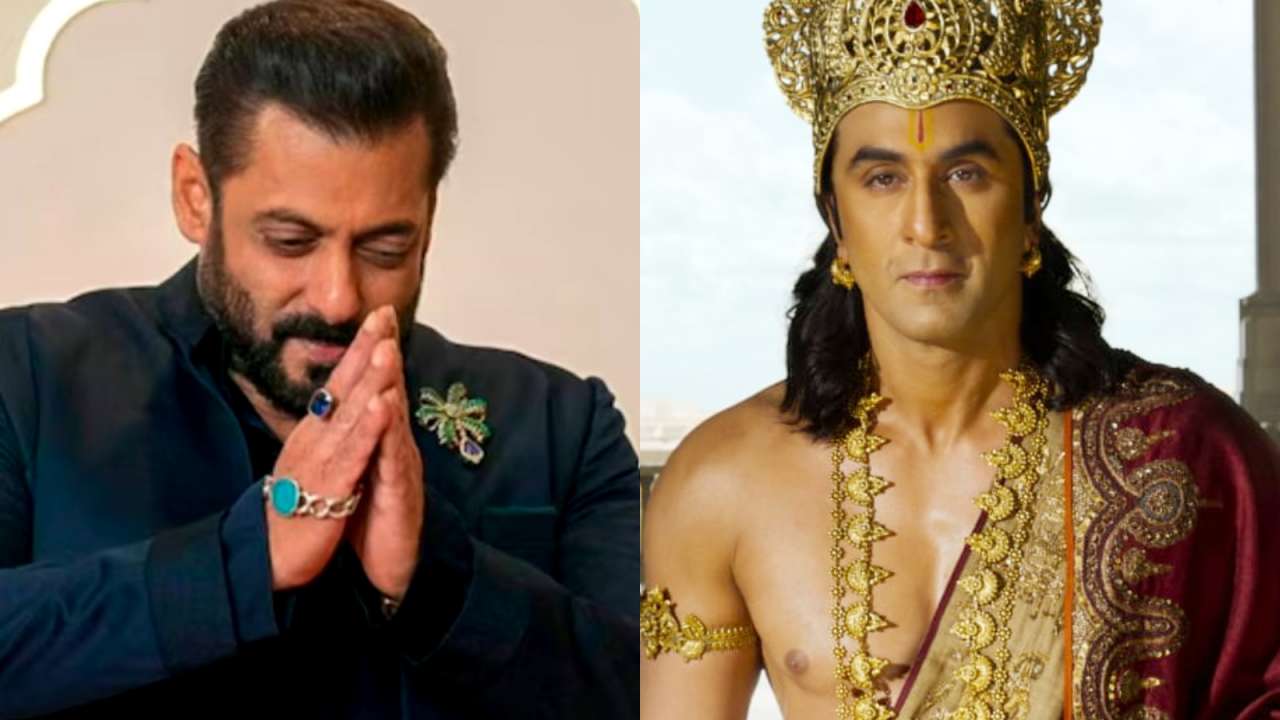
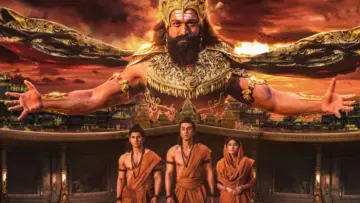
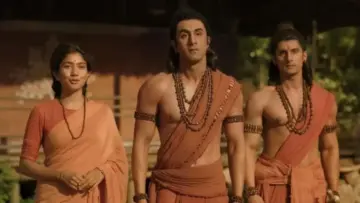
The highly anticipated "Ramayana," a monumental two-part film project, premiered on Thursday, featuring a star-studded cast including Ranbir Kapoor as Lord Rama, Sai Pallavi as Sita, and Yash portraying the formidable Ravana. However, even before its theatrical release, the film has been a subject of intense speculation, with the sheer scale of its reported budget and the extensive use of VFX often taking center stage in public conversations.
Salman Khan’s Call for Spiritual Reconnection
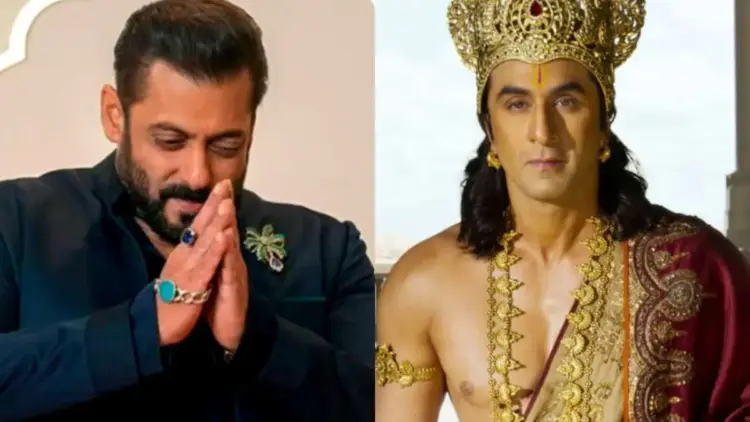
On Friday, during an interaction with the media at the promotional event for "Maatrubhumi," Salman Khan directly addressed the prevailing narrative. "I think the talks around Ramayana should be about Ramayana itself," Khan stated emphatically. "Ram, Ravana, Sita and on the scriptures, and not about its Rs 4,000 crore budget and VFX." He further elaborated on his stance, criticizing the singular focus on the financial and technical aspects of the film. "This narrative around Rs 4,000 crore budget and VFX, VFX, VFX, I don’t think that is correct. I just think the discussion on Ramayana should be on Ramayana itself."

Khan’s plea is a significant intervention in the ongoing dialogue, suggesting a desire to steer the conversation back towards the cultural and religious significance that the Ramayana holds for millions. The epic, a cornerstone of Hindu scripture and tradition, is revered not just for its narrative arc but also for the timeless moral and ethical lessons it imparts. By urging a return to the scriptures and the central figures of Rama, Sita, and Ravana, Khan aims to reignite an appreciation for the story’s inherent value, independent of its commercial or technological trappings.

The Enduring Qualities of Lord Rama: A Parallel Drawn
Adding a personal dimension to his advocacy, Salman Khan drew a poignant parallel between the character of Lord Rama and the protagonist he embodies in his upcoming film, "Maatrubhumi: May War Rest in Peace." He highlighted the exemplary qualities of Rama, describing him as "the best husband, best son, best father, best warrior and the best brother." Khan asserted that these very virtues are mirrored in the character he plays in "Maatrubhumi," a film inspired by the 2020 Galwan Valley clash between Indian and Chinese troops.

This connection underscores Khan’s belief in the universality of noble traits and the enduring relevance of characters who embody them. By associating Lord Rama’s virtues with the spirit of sacrifice and duty represented by the soldiers in "Maatrubhumi," he suggests that the core messages of ancient epics continue to resonate in contemporary narratives of heroism and patriotism.

"Maatrubhumi: May War Rest in Peace": A Glimpse into Khan’s New Role
"Maatrubhumi: May War Rest in Peace," directed by Apoorva Lakhia, sees Salman Khan stepping into the shoes of Colonel Bikkumalla Santosh Babu, the brave officer who led Indian forces during the Galwan Valley clash. The film promises to be a gripping war drama, delving into the sacrifices and valor displayed during the conflict. With Chitrangda Singh featuring as the female lead, the movie is slated for a December 4 release, setting up a potential box office clash with the Shraddha Kapoor-starrer drama, "Eetha." Khan’s involvement in a project that draws parallels with historical events of national significance further amplifies his perspective on the importance of narratives that reflect profound human values.

Chronology of the Ramayana Film Project and the Emerging Discourse
The cinematic adaptation of the Ramayana has been in development for a considerable period, with Nitesh Tiwari helming the ambitious project. The announcement of its two-part structure and the immense budget immediately positioned it as one of the most significant film undertakings in Indian cinema.

- Early Development and Casting: The project generated considerable buzz with the announcement of its star-studded cast. Ranbir Kapoor, known for his versatile performances, was chosen to portray Lord Rama, a role of immense reverence. Sai Pallavi, celebrated for her expressive portrayals, was cast as Sita, and Yash, who achieved pan-India stardom with "KGF," was selected to play the antagonist Ravana. The casting itself sparked considerable discussion and anticipation among cinephiles and fans of the epic.
- Budgetary Speculation and VFX Focus: As production progressed, reports of the staggering Rs 4,000 crore budget began to surface. This figure, unprecedented in Indian cinema, inevitably led to intense scrutiny and speculation regarding the film’s financial scale and the technology employed. Discussions about the extensive use of visual effects (VFX) became a dominant theme in media coverage and public forums, often overshadowing the narrative aspects of the film.
- Premiere and Salman Khan’s Intervention: The "Ramayana" premiered on Thursday, marking its official entry into the cinematic landscape. The subsequent day, during the promotional event for his own film, Salman Khan offered a critical perspective on the prevailing discourse. His remarks served as a direct counterpoint to the prevalent focus on budget and VFX, advocating for a return to the core themes and characters of the epic.
- Anticipated Release of Part 2: The second installment of the Ramayana is slated for release on Diwali 2028, indicating a long-term commitment to this grand cinematic vision. This extended release window further underscores the scale and ambition of the project, allowing for a comprehensive exploration of the epic’s vast narrative.
Supporting Data and Industry Context
The discourse surrounding the budget and VFX of "Ramayana" is not an isolated phenomenon. In recent years, Indian cinema has witnessed a trend of large-scale productions that leverage advanced technology to create visually spectacular experiences. Films like "Baahubali," "Adipurush," and "RRR" have all pushed the boundaries of visual effects and production design, often drawing as much attention for their technical achievements as for their storytelling.

- The "Adipurush" Precedent: The release of "Adipurush," another adaptation of the Ramayana, earlier in 2023, serves as a relevant case study. While the film boasted impressive visual effects, it faced significant criticism for its portrayal of characters and deviations from the traditional narrative, highlighting that technological prowess alone does not guarantee critical or audience acclaim. The controversy surrounding "Adipurush" might have contributed to a heightened sensitivity regarding the portrayal of religious figures and narratives in cinematic form.
- Box Office Performance of Major Epics: The financial success of epic films often hinges on a delicate balance between grand spectacle and engaging storytelling. While films like "Baahubali" and "RRR" achieved phenomenal success by blending both, other ambitious projects have faced challenges. The reported box office performance of "Ramayana" in its initial days, noted to have surpassed the lifetime earnings of "Adipurush" in just four days, suggests a potentially strong audience reception, though the long-term impact of the budget and VFX debates remains to be seen.
- The Role of VFX in Modern Filmmaking: Visual effects have become an indispensable tool in contemporary filmmaking, enabling directors to realize visions that were once impossible. For an epic like the Ramayana, with its fantastical elements and grand battles, extensive VFX are crucial for bringing the narrative to life. However, the cost and execution of these effects are often scrutinized, especially when they appear to dominate the film’s overall impact.
Official Responses and Industry Perspectives
While there has been no direct official response from the makers of "Ramayana" to Salman Khan’s statement, his intervention reflects a broader sentiment within the industry about the perils of prioritizing budget and technology over substance.

- Filmmakers’ Intentions: Filmmakers often aim to create immersive and visually captivating experiences that do justice to the grandeur of the source material. The reported budget for "Ramayana" signifies a considerable investment in achieving this vision, with the intention of delivering a cinematic spectacle that resonates with a wide audience.
- Audience Expectations: Audiences today are increasingly discerning. While they appreciate technological advancements and visual splendor, the core of any successful film lies in its narrative, character development, and emotional connect. Salman Khan’s statement likely echoes the sentiments of viewers who seek more than just a visual feast from a film, especially one based on a revered epic.
- The "Star Power" Factor: Salman Khan, as one of Bollywood’s biggest superstars, carries significant weight in industry discussions. His willingness to voice his opinion on the "Ramayana" discourse could influence how the film is perceived and discussed, potentially encouraging a more balanced conversation that includes its narrative and thematic strengths.
Implications for the Future of Epic Cinema
Salman Khan’s call for a shift in the narrative surrounding "Ramayana" carries significant implications for the future of epic filmmaking in India.

- Balancing Spectacle and Substance: The incident highlights the ongoing challenge for filmmakers to strike a balance between creating visually stunning spectacles and delivering compelling narratives. As budgets for VFX continue to rise, the industry must ensure that these tools serve the story rather than overshadow it.
- Reconnecting with the Core of Narratives: For films based on mythology and epics, the emphasis should always remain on the timeless values, moral lessons, and human emotions that have resonated with audiences for generations. Salman Khan’s appeal is a reminder that the spiritual and cultural significance of these stories should not be lost in the pursuit of technological advancement.
- Responsible Media Coverage: The media plays a crucial role in shaping public perception. Focusing solely on budgetary figures and technical aspects can inadvertently detract from the artistic and narrative merits of a film. A more holistic approach to reporting, encompassing story, performances, and thematic depth, would contribute to a more informed and meaningful public discourse.
In conclusion, Salman Khan’s advocacy for a focus on the core narrative and characters of "Ramayana" serves as a timely reminder of what truly makes a cinematic epic resonate. As the film continues its journey, the hope is that the conversation will indeed evolve to appreciate the enduring power of Lord Rama, Sita, and Ravana, and the profound scriptures that have guided and inspired generations. The success of such ambitious projects will ultimately be measured not just by their box office collections or visual prowess, but by their ability to connect with the hearts and minds of the audience, transcending the realm of mere entertainment to touch upon deeper cultural and spiritual truths.