

GREATER NOIDA, [Date] – Punjab National Bank (PNB), one of India’s leading public sector banks, finds itself at the centre of a significant financial scandal unfolding at its Greater Noida branch. Allegations of a colossal fraud, estimated by affected customers to be upwards of Rs 35 crore, have sent shockwaves through the banking community and left numerous account holders reeling from substantial losses. In response to the escalating crisis, PNB has moved swiftly to reassure its customers, pledging to honour all genuine claims, while simultaneously initiating a rigorous internal investigation and suspending several employees, including the branch manager, implicated in the alleged irregularities.
The bank has confirmed that it has already settled three claims amounting to Rs 43 lakh, a preliminary step in addressing the grievances of customers who report their hard-earned money mysteriously disappearing from various accounts, including savings, fixed deposits (FDs), and mutual funds. This incident underscores critical vulnerabilities within banking systems and highlights the paramount importance of robust internal controls and vigilant oversight.
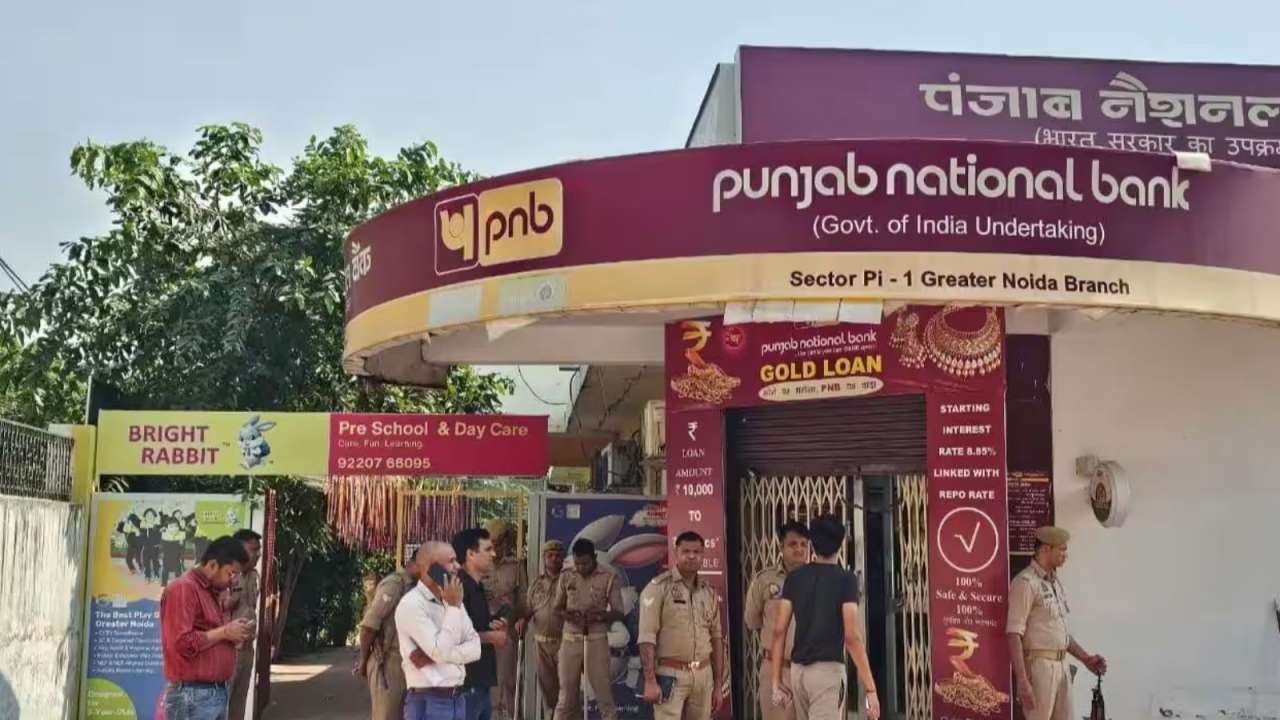
The Unfolding Scandal: A Chronology of Events
The fraud at the Greater Noida branch did not surface overnight but appears to have been a gradual erosion of trust and funds, brought to light by the increasing alarm of individual customers.
Early Discoveries and Mounting Concerns: The first whispers of trouble began when several customers noticed discrepancies in their account statements or found that significant sums were missing from their balances without authorisation. These were not isolated incidents but a pattern emerging across multiple accounts. For many, the realisation came during routine passbook updates, withdrawal attempts, or when reviewing annual statements, revealing unauthorized transactions or drastically reduced balances.

Initial Customer Complaints: Initially, customers approached the branch staff with their concerns, hoping for a swift resolution to what they believed were administrative errors. However, as the number of complaints grew and the sums involved escalated, it became apparent that the issue was far more sinister than a mere clerical mistake. The responses from the branch, or lack thereof, further fueled suspicions among the increasingly anxious account holders.
Formal Allegations and Police Involvement: Frustration and financial distress eventually compelled customers to seek external intervention. A formal complaint was lodged, culminating in the registration of a First Information Report (FIR) against "unknown bank employees" under Section 316(5) of the Bharatiya Nyaya Sanhita. This crucial step marked the official entry of law enforcement into the investigation, signalling the gravity of the allegations. The FIR, filed based on collective complaints, provided a legal avenue for victims to seek justice and initiated a criminal probe into the suspected embezzlement.

PNB’s Internal Probe and Immediate Actions: Upon receiving formal complaints and being apprised of the police investigation, PNB swiftly launched its own internal inquiry. This investigation aimed to ascertain the "degree of disparities" and identify the individuals responsible. As part of its immediate damage control and to ensure a fair investigation, the bank announced the suspension of several employees, including the branch manager, whose supervisory role was undoubtedly under scrutiny. These suspensions are standard protocol in such cases, designed to prevent further potential misconduct and to ensure that the investigation proceeds without interference.
Escalation of Police and Regulatory Scrutiny: With the FIR registered, the local police commenced their detailed investigation, gathering evidence, interviewing complainants, and examining bank records. The magnitude of the alleged fraud suggests that the case will likely attract the attention of higher authorities, potentially involving economic offences wings and even the Reserve Bank of India (RBI), which has a mandate to oversee the financial integrity of banking institutions. The chronology illustrates a transition from individual grievances to a full-blown criminal investigation and a major institutional challenge for PNB.

Deep Dive into the Discrepancies: Supporting Data and Customer Testimonials
The sheer scale of the alleged fraud, estimated at Rs 35 crore, is staggering and represents a profound breach of trust for numerous individuals who entrusted their life savings to the bank. The impact extends beyond mere financial loss, encompassing emotional distress, shattered retirement plans, and a deep sense of betrayal.
The Magnitude of Losses: While the bank has only confirmed the settlement of Rs 43 lakh so far, customers estimate the total fraud to be around Rs 35 crore. This disparity between confirmed settlements and estimated losses indicates the vast scope of the alleged embezzlement yet to be fully uncovered and reconciled. The figure of Rs 35 crore, if proven true, would rank among significant banking frauds, drawing comparisons to other high-profile cases that have plagued India’s financial sector. It is a sum that could cripple small businesses, devastate family finances, and severely dent the bank’s reputation.

Victim Accounts: Voices of Despair and Disbelief: The human cost of this fraud is perhaps best understood through the experiences of the victims.
-
Shrichand’s Ordeal: Among the most prominent complainants is Shrichand, who alleges that a staggering Rs 1.16 crore was stolen from his fixed deposit account. For many, FDs represent the safest form of savings, often accumulated over a lifetime of hard work, intended for retirement, children’s education, or medical emergencies. To lose such a substantial sum from a seemingly secure investment is nothing short of devastating. Shrichand’s complaint also highlighted a broader pattern, revealing that 21 individuals collectively lost over Rs 11.24 crore, with two of these customers alone suffering losses exceeding Rs 1 crore each. This points towards a systemic issue rather than isolated incidents, suggesting a concerted effort by fraudsters. The emotional toll on Shrichand and others like him would be immense – the feeling of vulnerability, the uncertainty of recovery, and the sheer disbelief that a trusted institution could fail them so catastrophically.

-
Bijendra Singh’s Shock: Another heart-wrenching account comes from farmer Bijendra Singh, who reported his bank balance plummeting from Rs 87 lakh to a mere Rs 1 lakh. For a farmer, such a significant sum represents years of agricultural labour, careful savings, and perhaps future investments in land or equipment. The sudden evaporation of almost his entire life savings would not only cause immense personal hardship but could also threaten his livelihood and the financial stability of his family. The story of Bijendra Singh underscores how these frauds disproportionately affect those who rely heavily on their savings for their daily existence and future planning.
Modus Operandi: Unravelling the Deception: While the exact methods employed by the fraudsters are still under investigation, such large-scale embezzlements often involve a combination of internal connivance and sophisticated deception. Potential modus operandi could include:

- Unauthorized Withdrawals: Direct withdrawal of funds from customer accounts through forged signatures or manipulated withdrawal slips.
- Fraudulent Transfers: Diverting funds to shell accounts or accounts controlled by the perpetrators through illicit online transfers or internal ledger adjustments.
- Manipulation of Records: Altering bank records, statements, and balance sheets to hide the illicit transactions and present a false picture of account health.
- Issuance of Bogus Instruments: Creating fake fixed deposit receipts, mutual fund statements, or other financial instruments to deceive customers while their actual funds are siphoned off.
- Collusion with Insiders: The involvement of bank employees, from junior staff to branch managers, is often critical in such large-scale frauds, as they possess the access and knowledge of internal systems required to execute and conceal such operations. Their roles could range from direct participation to facilitating the fraud by overlooking discrepancies or providing crucial internal information.
Types of Accounts Targeted and Their Vulnerabilities: The fraud reportedly impacted mutual funds, savings accounts, and fixed deposits.
- Savings Accounts: Often seen as liquid and accessible, they are vulnerable to direct withdrawals or digital transfers if account security is compromised.
- Fixed Deposits: Typically considered highly secure, frauds involving FDs often require internal manipulation, such as premature liquidation without the customer’s knowledge or the creation of fake FD receipts.
- Mutual Funds: Investments routed through bank branches can be susceptible if the bank staff involved are authorised to make transactions on behalf of customers or if they misappropriate funds intended for investment.
The Erosion of Trust: At its core, banking is built on trust. Customers entrust their financial well-being to banks, expecting security, integrity, and transparency. Incidents like the Greater Noida fraud shatter this trust, not only for the affected individuals but for the broader customer base, raising uncomfortable questions about the safety of their own deposits and investments.

Official Responses and Institutional Measures
In the wake of the allegations, PNB has adopted a firm stance, aiming to restore confidence and demonstrate accountability. The responses from the bank, the police, and potentially regulatory bodies are crucial in determining the path forward for victims and the institution itself.
PNB’s Official Statement: Assurance and Accountability: PNB has publicly declared a "zero-tolerance policy for misbehaviour, fraud, and financial irregularities." This strong statement is designed to reassure customers that the bank is committed to upholding ethical standards and punishing those found guilty. The bank has reiterated its promise to "honour all genuine claims," a critical assurance for the victims. This commitment is vital for maintaining depositor confidence, especially in the competitive banking landscape.

The bank has also confirmed its active cooperation with authorities, indicating a willingness to assist the police investigation by providing necessary documents, access to systems, and employee testimonies. Crucially, PNB has stated that "stern action will be taken against individuals found accountable and internal controls are being reinforced." This dual approach – punitive action against culprits and strengthening of preventative mechanisms – is essential for long-term recovery and risk mitigation. Reinforcing internal controls could involve:
- Enhanced Audit Mechanisms: Stricter and more frequent internal and external audits to detect anomalies.
- Technological Upgrades: Implementing advanced fraud detection software, AI-driven analytics, and real-time monitoring of transactions.
- Stricter Access Controls: Limiting employee access to sensitive customer data and transaction functionalities.
- Mandatory Rotation of Staff: Periodically rotating staff in sensitive positions to prevent long-term collusion.
- Improved Whistleblower Policies: Encouraging employees to report suspicious activities without fear of reprisal.
- Regular Staff Training: Educating employees on ethical conduct, fraud detection, and compliance procedures.
Police Investigation: The Quest for Justice: The local police, operating under the purview of the Bharatiya Nyaya Sanhita, are now tasked with a complex criminal investigation. Their primary objectives include:

- Identifying the Perpetrators: Uncovering the identities of all individuals involved, both within and outside the bank.
- Tracing the Money Trail: Following the flow of the stolen funds to recover assets and identify beneficiaries.
- Gathering Forensic Evidence: Analyzing bank records, digital logs, CCTV footage, and other forensic data.
- Establishing the Conspiracy: Determining if the fraud was an individual act or a wider conspiracy involving multiple actors.
- Prosecution: Building a strong case for legal prosecution of the accused. The Section 316(5) of the Bharatiya Nyaya Sanhita, dealing with criminal breach of trust, implies a violation of the trust placed in an individual with respect to property, which perfectly fits the alleged actions of bank employees.
Regulatory Oversight: The RBI’s Role: While not explicitly mentioned in the original snippet, the Reserve Bank of India (RBI) plays a crucial role in overseeing the integrity of the banking system. In cases of significant financial fraud, the RBI typically:
- Monitors the Situation: Closely tracks the investigation and the bank’s response.
- Issues Directives: May issue specific directives to the concerned bank regarding fraud prevention, internal controls, and customer grievance redressal.
- Imposes Penalties: Has the authority to impose penalties on banks found to have deficient internal controls or compliance failures that led to such frauds.
- Reviews Systemic Vulnerabilities: Uses such incidents to review and strengthen overall banking regulations and guidelines to prevent similar occurrences across the industry.
Broader Implications and Future Outlook
The Greater Noida fraud transcends the immediate financial losses and staff suspensions; it carries significant implications for PNB, the wider Indian banking sector, and the millions of customers who rely on these institutions.

Impact on PNB’s Reputation and Customer Confidence: PNB, having faced high-profile frauds in the past (such as the Nirav Modi scam), is particularly vulnerable to reputational damage from such incidents. Each new fraud erodes customer confidence, making it harder for the bank to attract new customers and retain existing ones. A loss of trust can lead to deposit outflows, affect its market valuation, and impact its ability to raise capital. While the bank’s assurance to honour genuine claims is a positive step, the process of recovery and rebuilding trust will be long and arduous.
Industry-Wide Concerns and Systemic Vulnerabilities: This incident serves as a stark reminder that despite technological advancements and stricter regulations, banking frauds remain a persistent threat. It raises questions about whether similar vulnerabilities exist in other branches or other banks. Such incidents prompt a collective introspection within the banking sector about the effectiveness of existing fraud detection and prevention mechanisms, the adequacy of staff training, and the robustness of internal audit systems.

Customer Vigilance: A Shared Responsibility: While banks bear the primary responsibility for safeguarding customer funds, customers also play a crucial role in protecting themselves. Lessons from this fraud emphasize the importance of:
- Regular Account Monitoring: Checking account statements, passbooks, and transaction alerts frequently.
- Secure Digital Practices: Using strong passwords, enabling multi-factor authentication, and being wary of phishing attempts.
- Not Sharing Sensitive Information: Never sharing OTPs, PINs, or confidential banking details with anyone, even those claiming to be bank officials.
- Verifying Communications: Always verifying requests for information or changes to accounts directly with the bank through official channels.
- Reporting Discrepancies Immediately: Promptly reporting any suspicious activity or discrepancies to the bank and, if necessary, to law enforcement.
Preventative Measures and Technological Solutions: The future of banking security will heavily rely on leveraging advanced technology.

- Artificial Intelligence and Machine Learning: Deploying AI-powered systems to detect unusual transaction patterns, identify anomalies, and flag potential fraudulent activities in real-time.
- Blockchain Technology: Exploring the use of blockchain for secure, transparent, and immutable transaction records, which could significantly reduce the scope for internal manipulation.
- Robust Cybersecurity Frameworks: Investing continuously in cybersecurity infrastructure to protect against external hacking attempts and internal data breaches.
- Biometric Authentication: Implementing advanced biometric security measures for high-value transactions.
The Road to Recovery for Victims: For the affected customers, the immediate concern is the recovery of their lost funds. PNB’s commitment to honouring genuine claims is the first step. The process will likely involve detailed verification of each claim, often requiring customers to provide evidence of their original deposits and the extent of their losses. The speed and efficiency with which PNB processes these claims will be critical in rebuilding trust. Legal avenues, including consumer courts, may also be pursued by victims if they are dissatisfied with the bank’s resolution process.
Lessons Learned: The Greater Noida fraud is a painful but crucial lesson for PNB and the entire banking industry. It underscores that vigilance must be continuous, internal controls must be infallible, and the human element of trust, when compromised, can have catastrophic consequences. The ultimate success in mitigating such incidents lies in fostering a culture of integrity, transparency, and relentless pursuit of security, both technological and operational, to safeguard the financial futures of millions.

This ongoing investigation will undoubtedly shed more light on the intricate details of how such a substantial fraud was perpetrated under the bank’s nose, and the measures PNB implements will serve as a benchmark for how banking institutions respond to such profound breaches of trust.